SR-627 was built about 1920. The residents living along our road including Brendan’s grandparents elected to name it in honor the local doctor, Mr. Cheatham, who helped deliver many of the residents but had no children of his own left his name on the new road. The old road that passed through the farm was abandoned and slowly reclaimed by nature so that today there is only a faint path worn by years of buggies and foot traffic, abandoned and eroded by rain and storms. Gently smoothing it into shape with the old Ferguson, we erected a two-rail split rail fence that followed the old path along the edge of the field into the woods. With a hand seeder, we spread 50 lbs of sorghum to reduce erosion. Not bad for a weekend’s work!

The grape arbor was erected on the north side of the garden and hosts Alachua muscadine grapes. Each of the three vines has been trimmed and trained to grow vertically next to a 4-6 inch diameter fence post. High tensile wire provides support for the frame and chain on either end works to lever and tension the wire. The wire and tensioners were purchased from Tractor Supply while the posts came from Poultry Services, a local feed and seed store.
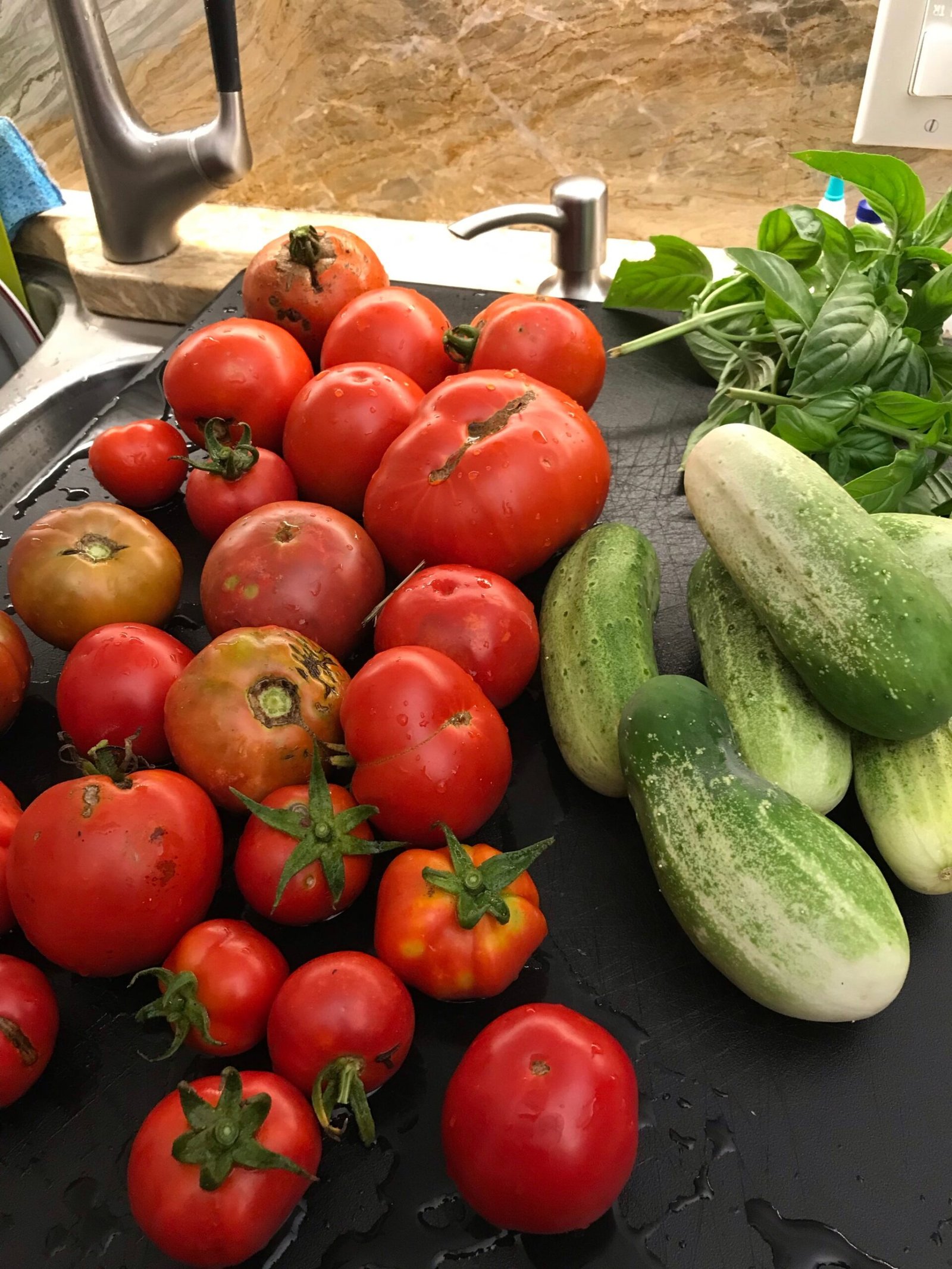
The garden, so ambitiously started, got away from us this month. We struggled with grass and weeds. Despite 15 cubic yards of compost and four loads of leaves early in the spring, the ground is still green. An entire row of pepper plants melted into black goo and the squash borers attacked a large patch of 8 patty-pan squash. The tomatoes performed moderately well with a few specimens on each plant. Not a bumper crop but enough for some tasty gazpacho with the Sumpter cucumbers and sweet basil! The carrots were fantastic and tiny. The corn was spindly but managed to pop out an ear or two that was ripe by the end of the month. The watermelon struggled anemically and the okra has only started to grow. The eggplant are lovely but the leeks that we started from seed in March have now reached the size of spring onions. Sigh.
-

-
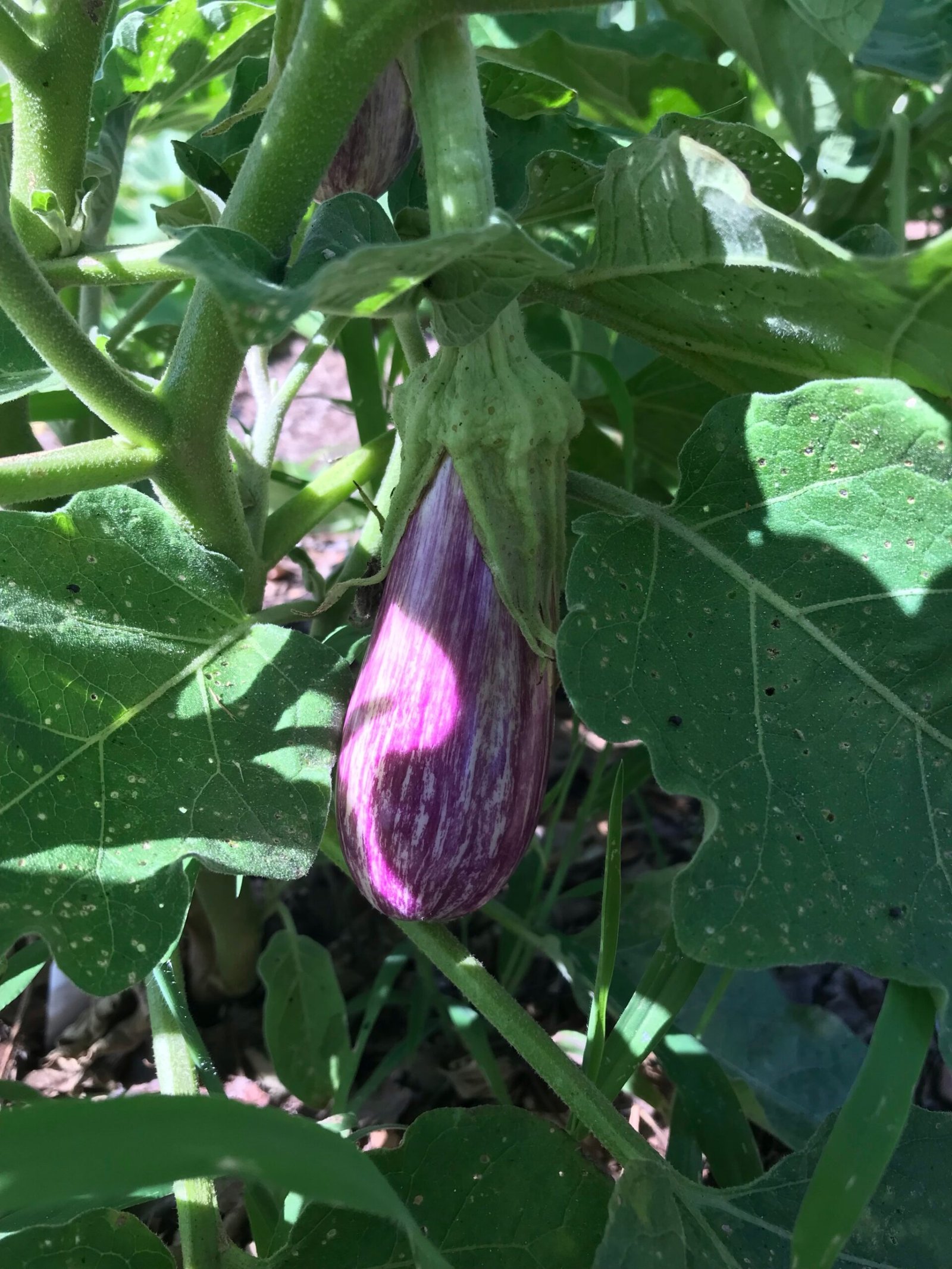
Italian eggpant -

Miniature carrots -
Oddly beautiful
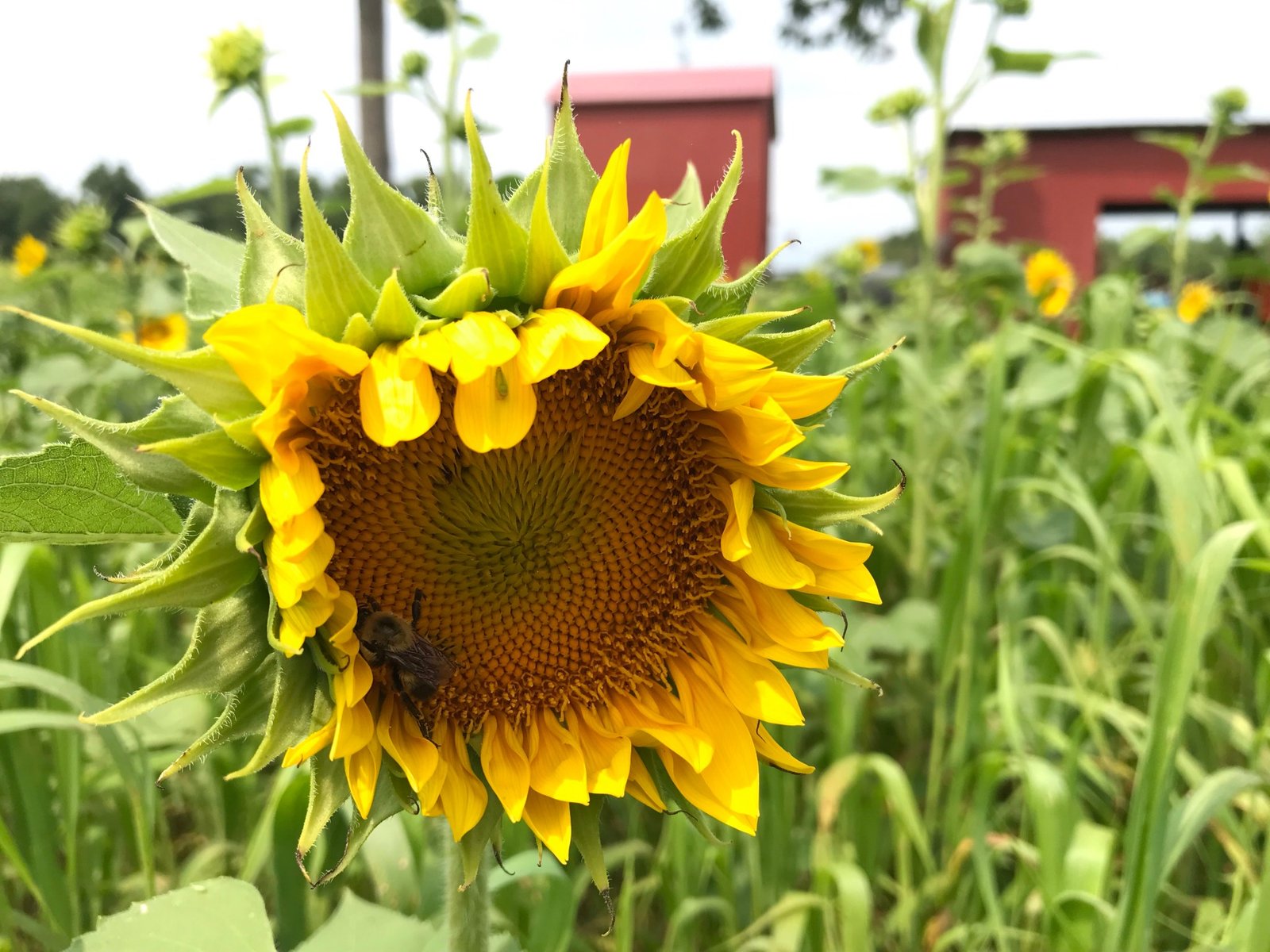
On a positive note, the zinnias are amazing and form a visual barrier blocking the rest of the garden from the house.
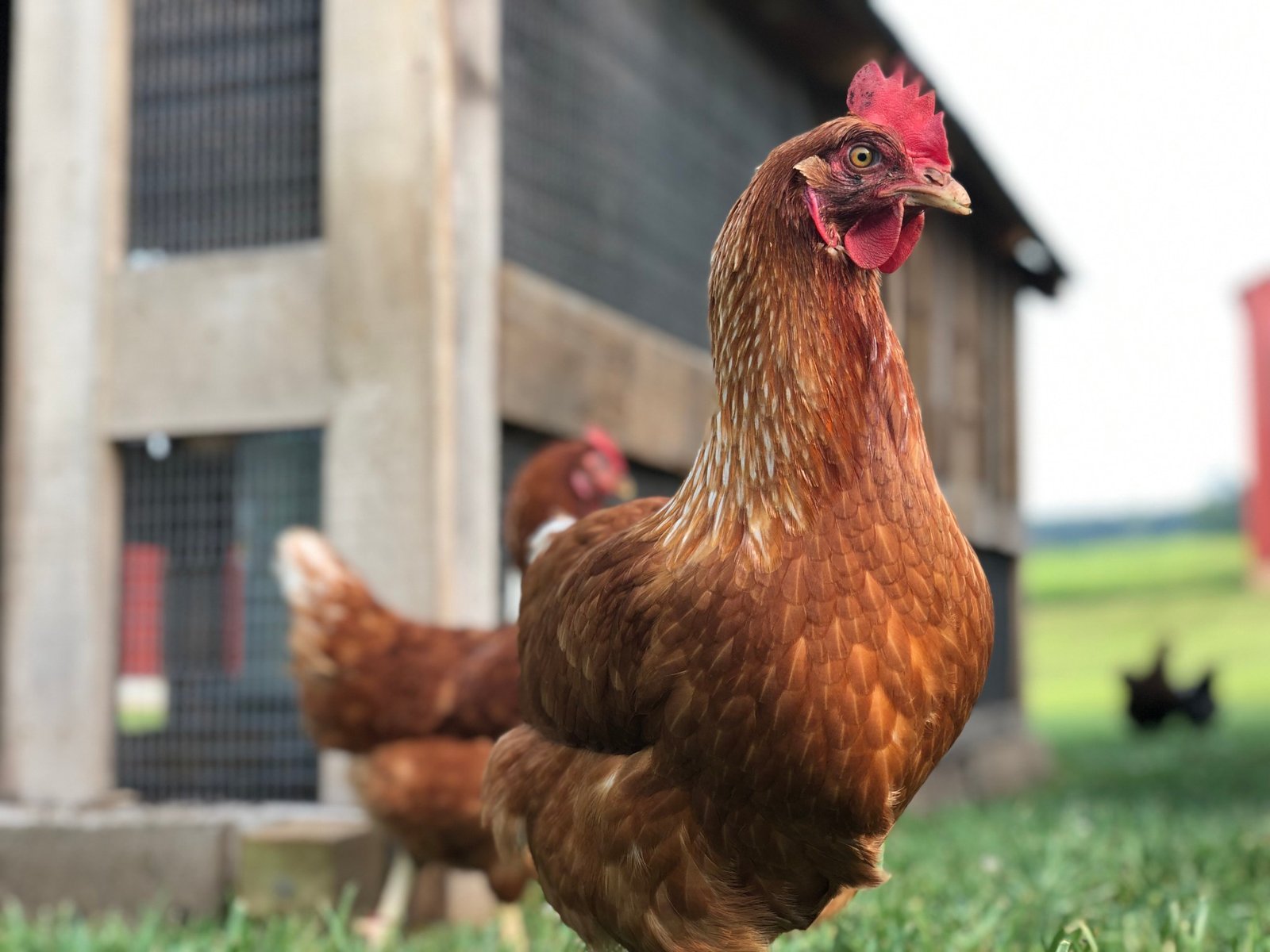
The golden comets and leghorn chickens begin laying in earnest. Production types bred for their egg-laying capability, we reached 6 eggs a day by the end of the month. Taking into consideration the cost of their fancy coop (~$500 thanks to the cost of lumber and materials), the chicks ($4 for a cheep or $10.50 for a pullet), brooder equipment (had to have the fancy heat pad), and feed (~$16 for a 50lb bag), we’ve paid an average of $3 per egg. Not exactly a bargain but then you don’t expect a cat or dog to provide a return on investment so the eggs are really a bonus. On a bright note, in July a dozen fresh eggs cost $2.77 after all expenses. A fair price all things considered!
-
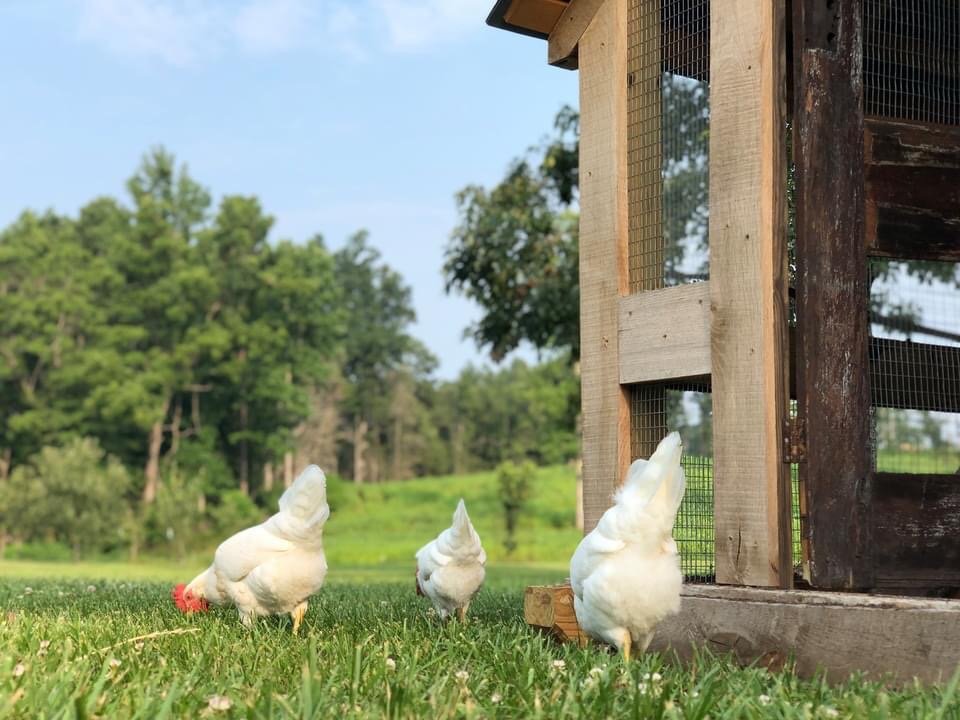
Cluck cluck… 3 eggs a day from the little leghorns!
In other big news, Brendan started a new job with the Division of Historical Resources (DHR) as State Underwater Archaeologist. Hurrah! Two archaeologists full time from the farm!
Leave a Reply