Category: Monthly Update

  • July 2022

    July 2022

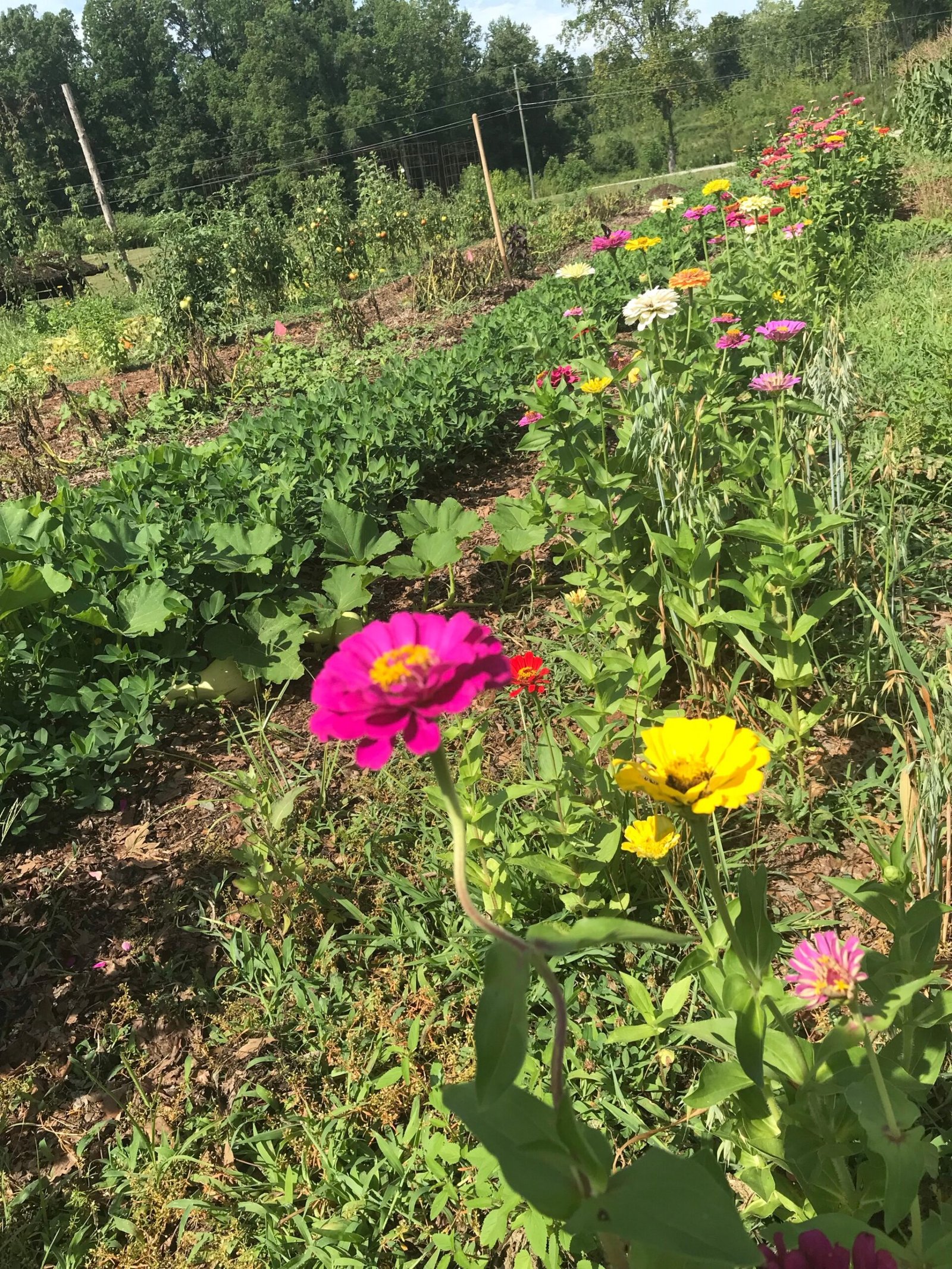
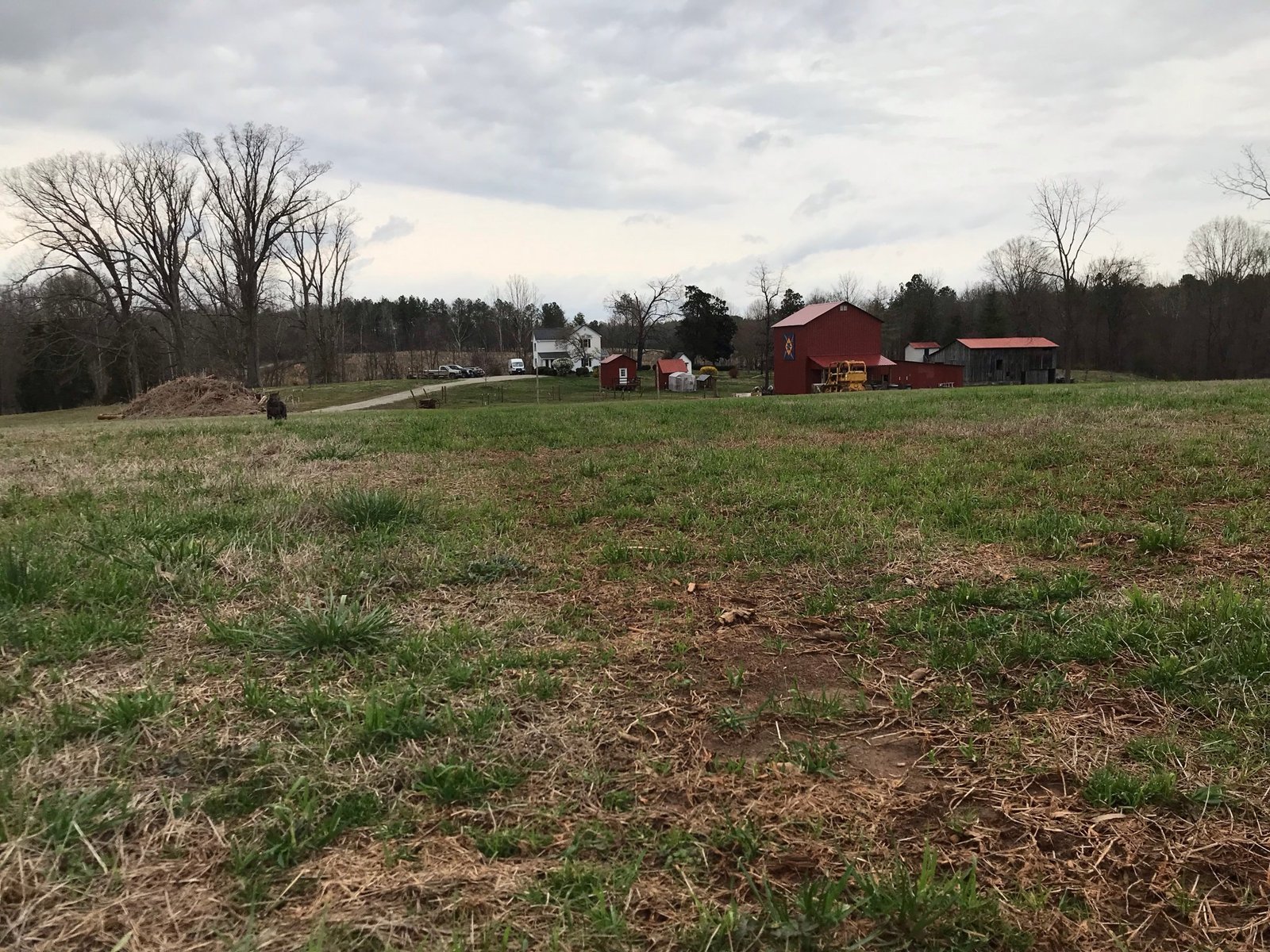
    We’re nearing the dog days of summer with lows above 70 and highs in the 90s. Japanese beetles have given way to June bugs and fireflies. Sunflower and crepe myrtles are in full bloom and the corn is beginning to tassel. It feels too hot to work – almost. The bees are going through a 25-bag of sugar and the poultry are gobbling 100 lbs of feed a week. Our four broad breasted turkeys are now 16 weeks old and starting to grow out instead of up.
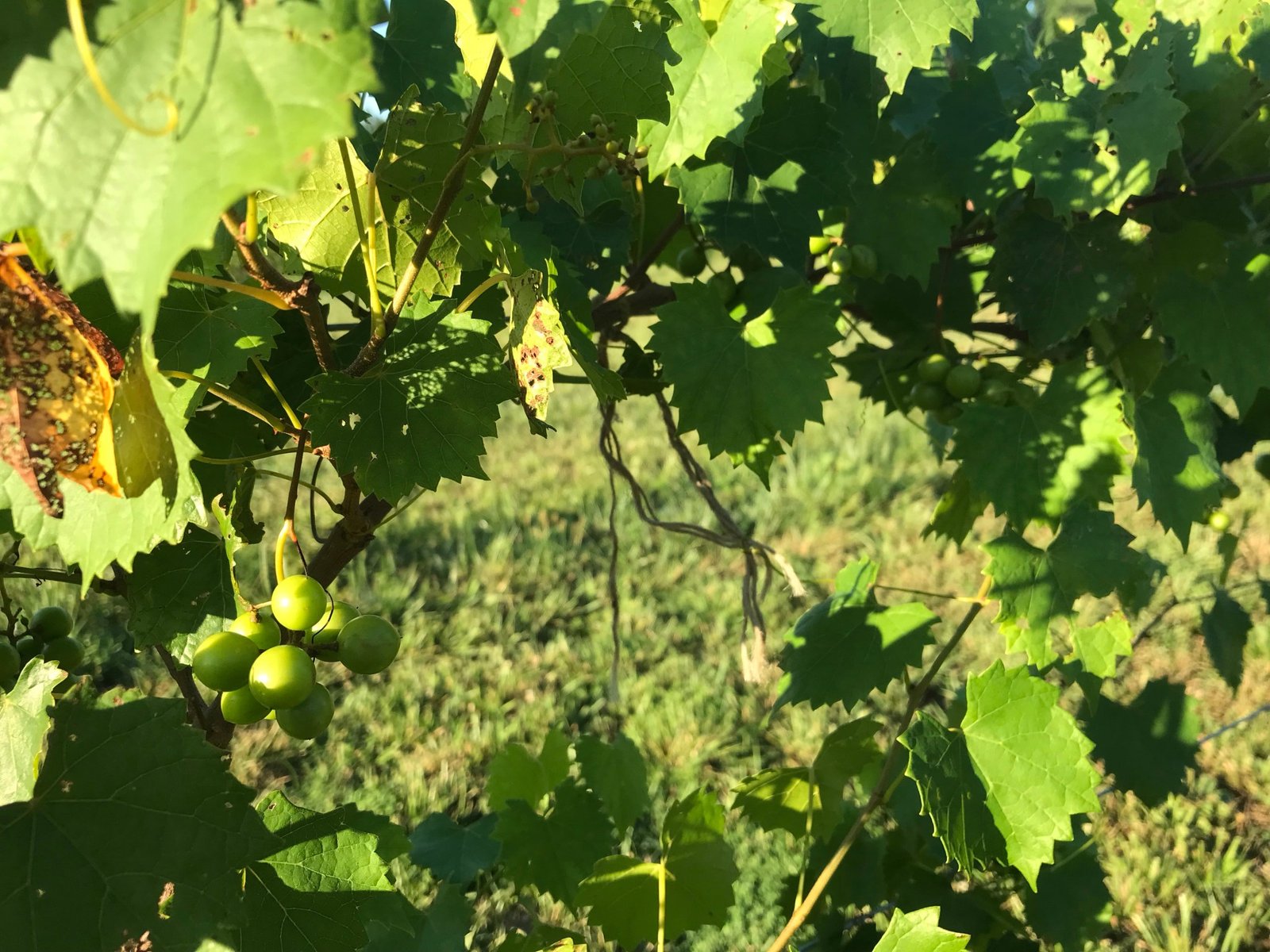
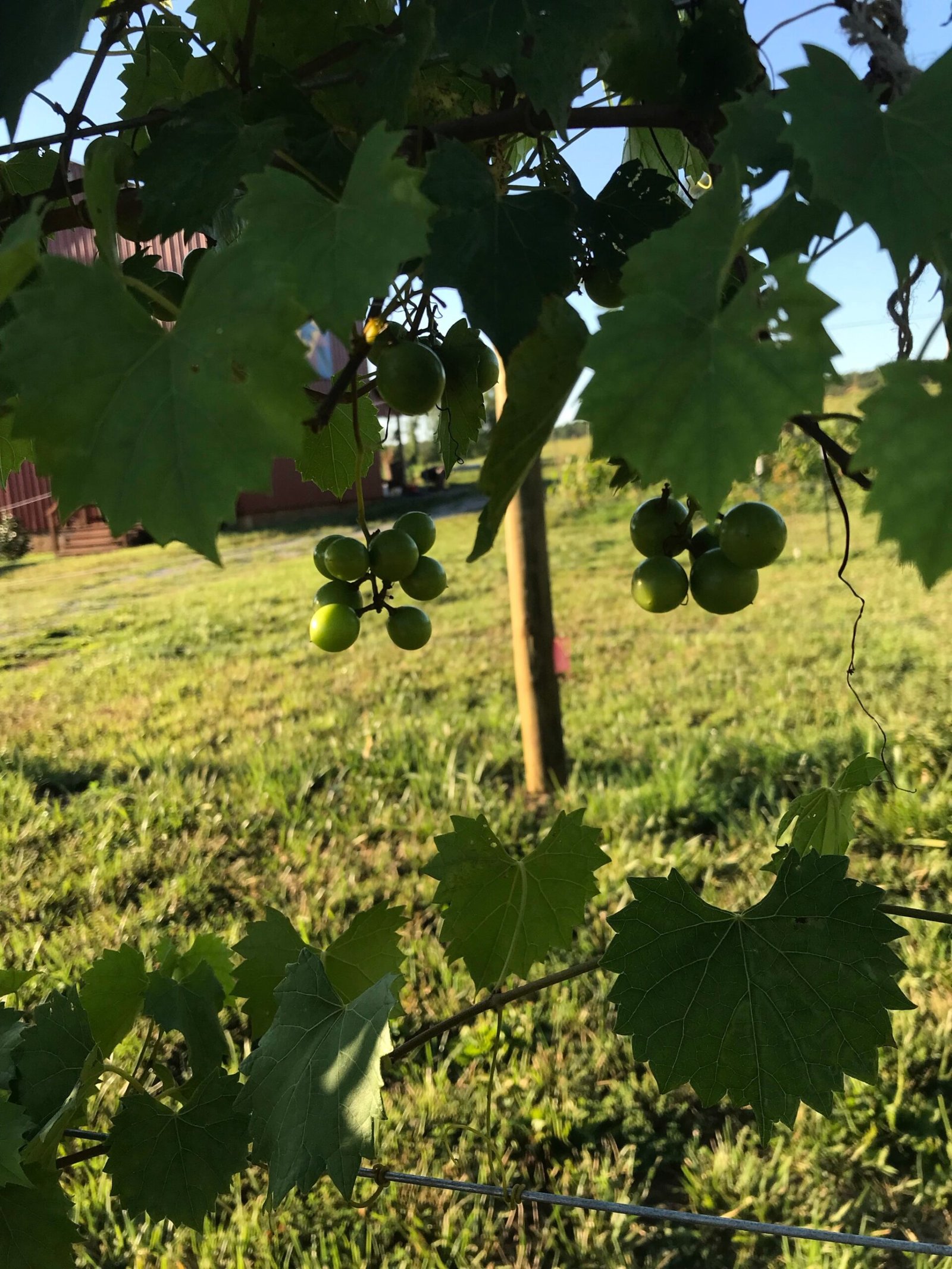
    Muscadine Grapes July 14, 2022.

    Last years landscaping scars have healed and the yard has never looked so green. This month marks the 1 year anniversary for the grape arbor. Two of the three vines have survived and the first muscadine bunches are swelling in the summer heat.

    For the first year, our pecan trees grew up. Planted in 2017 they have seemed to sit and wait, silently stretching roots into the hard red clay. At long last they have begun to reach up, from not quite 5 feet to 8 feet tall this year.

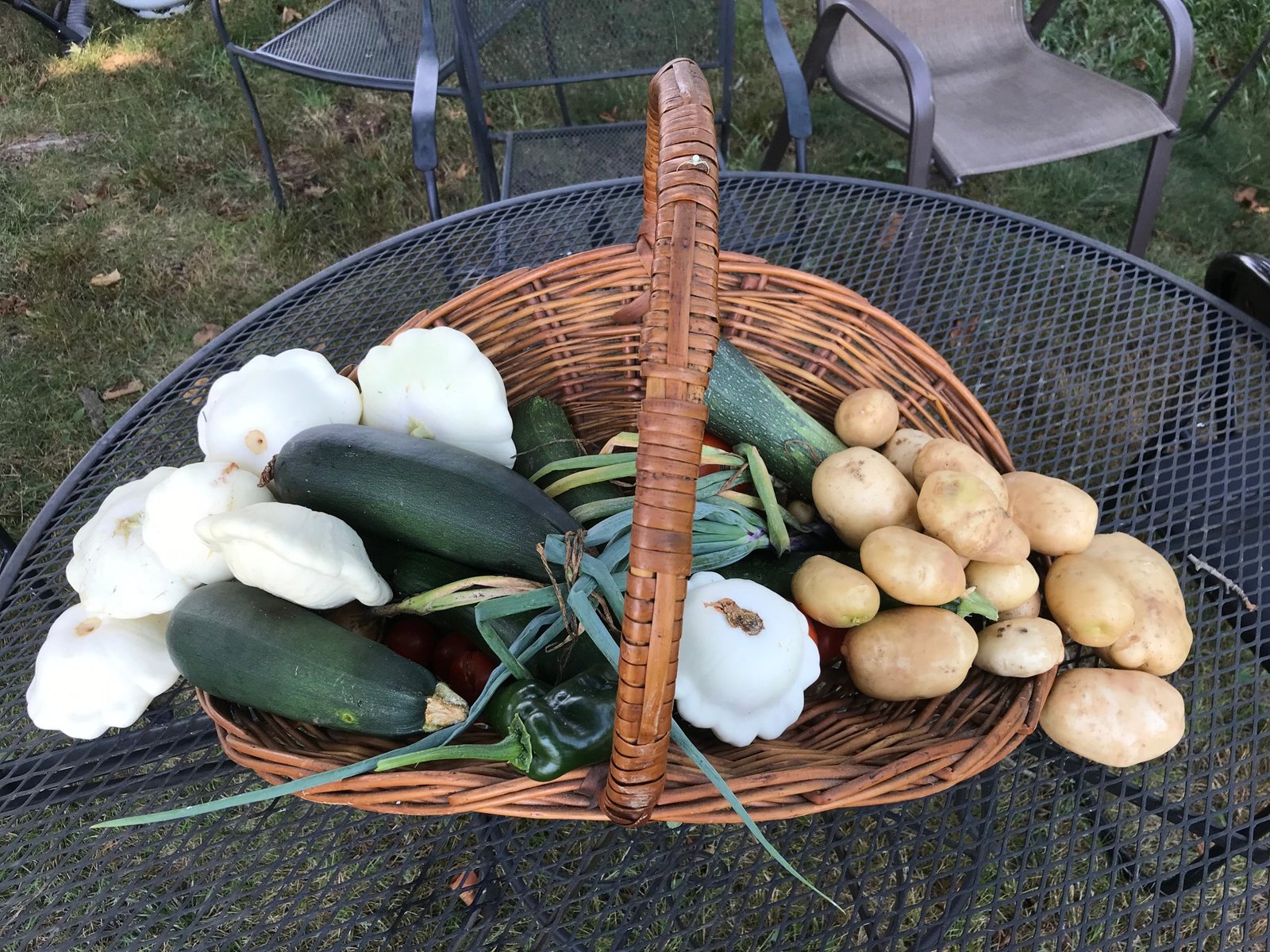
    The garden has yielded buckets of cymling squash and red ripe tomatoes. The potatoes, planted in early April during the Grout’s Easter visit, have yielded 2 1/2 bushels of delicious new potatoes (Kennebec and red)! Other crops include cucumbers (a very short season due to the heat), corn, bell peppers, a small harvest of beets and some onions. We have peanuts going well and on the 31st put in a row of fall beets, collards, and carrots.

    2022 makes the first year we’ve produced our own compost. Brooder house droppings and straw bedding, vegetables from last fall’s pumpkin carving competition, stall cleanings from work at the Wigwam, and the hen house droppings have composted to create so much richness. To top it off, our neighbors provided a wagon load of compost from their sweet potato plantings. Nutrients and deep plowing has improved the soil and drainage.
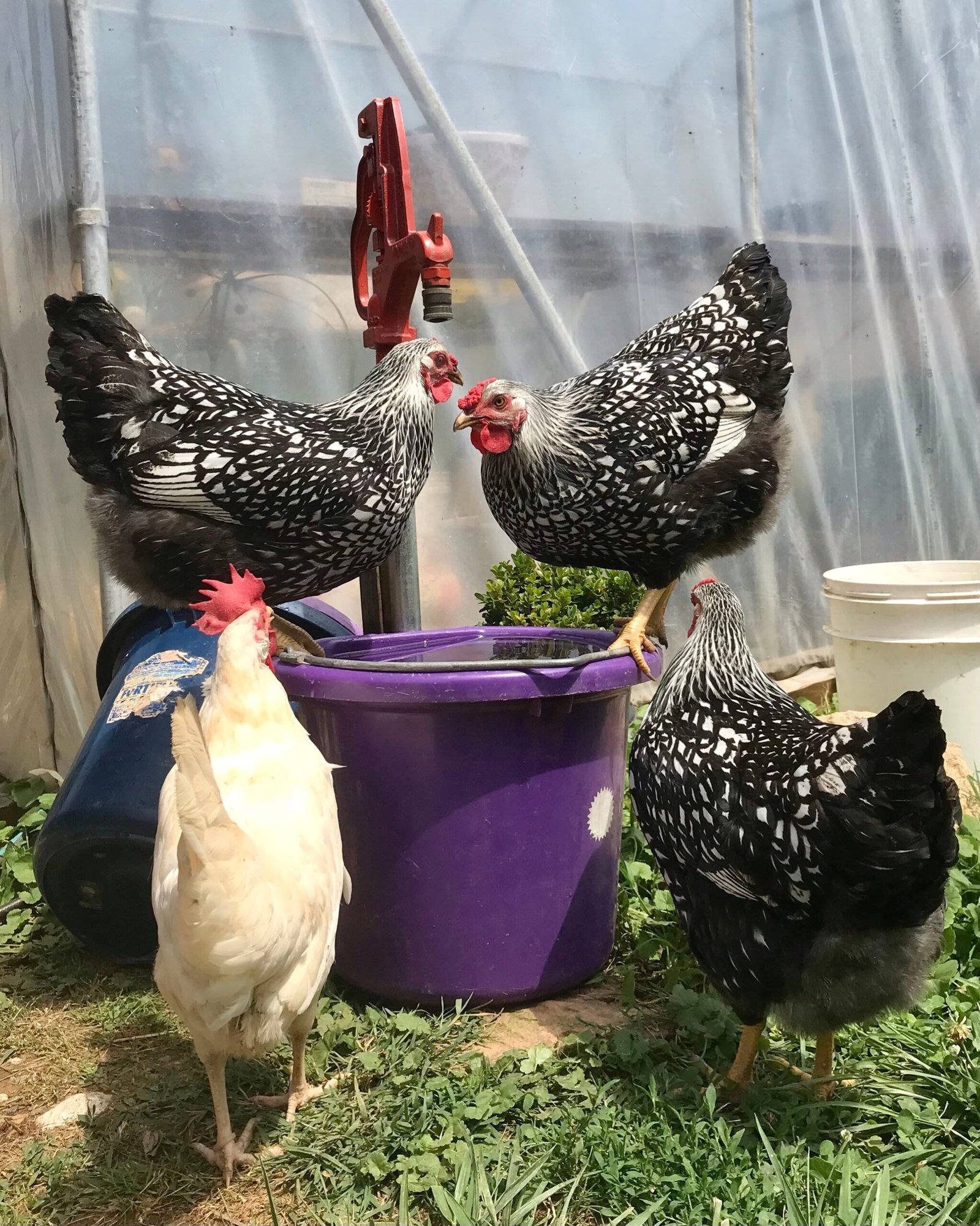
    We rehomed our golden comets and leghorn chickens on July 17. Our laying flock is now reduced to 5 comprised of 3 six-month old silver laced wyandottes (hatched this Spring at Glendale) and two 18-month old hens (“Spazz” and “Goldie”). We are inundated with young pullets, cockerels, and grow-outs. A year into chickens and we have 99 chickens, 6 turkey, and three ducklings. The egg count is 2,700. At some point, we’ll open a small farm stall or egg swap but for now we are sharing with friends and neighbors.

    Update: The last week of August found a pair of rats (!) terrorizing the chickens; each morning I dread finding which of the young grow outs has had its head ripped off and its organs devoured. As of July 31st, we’re still working to find a solution- baiting traps with tasty treats, hardening the pen, and setting up game cameras. This month we lost three (now four- five, six!). It been our worst month for losses to date – with three little chicks also failing to thrive in a hatchery box at the beginning of the month. It is not unexpected with the heat but it is something we will overcome and learn from.
    In other big news, Brendan celebrated one year with the Division of Historical Resources (DHR) as State Underwater Archaeologist. Hurrah!
  • May and June 2022

    May and June 2022

    Spring turns to summer. Flowers bloom and plants grow.

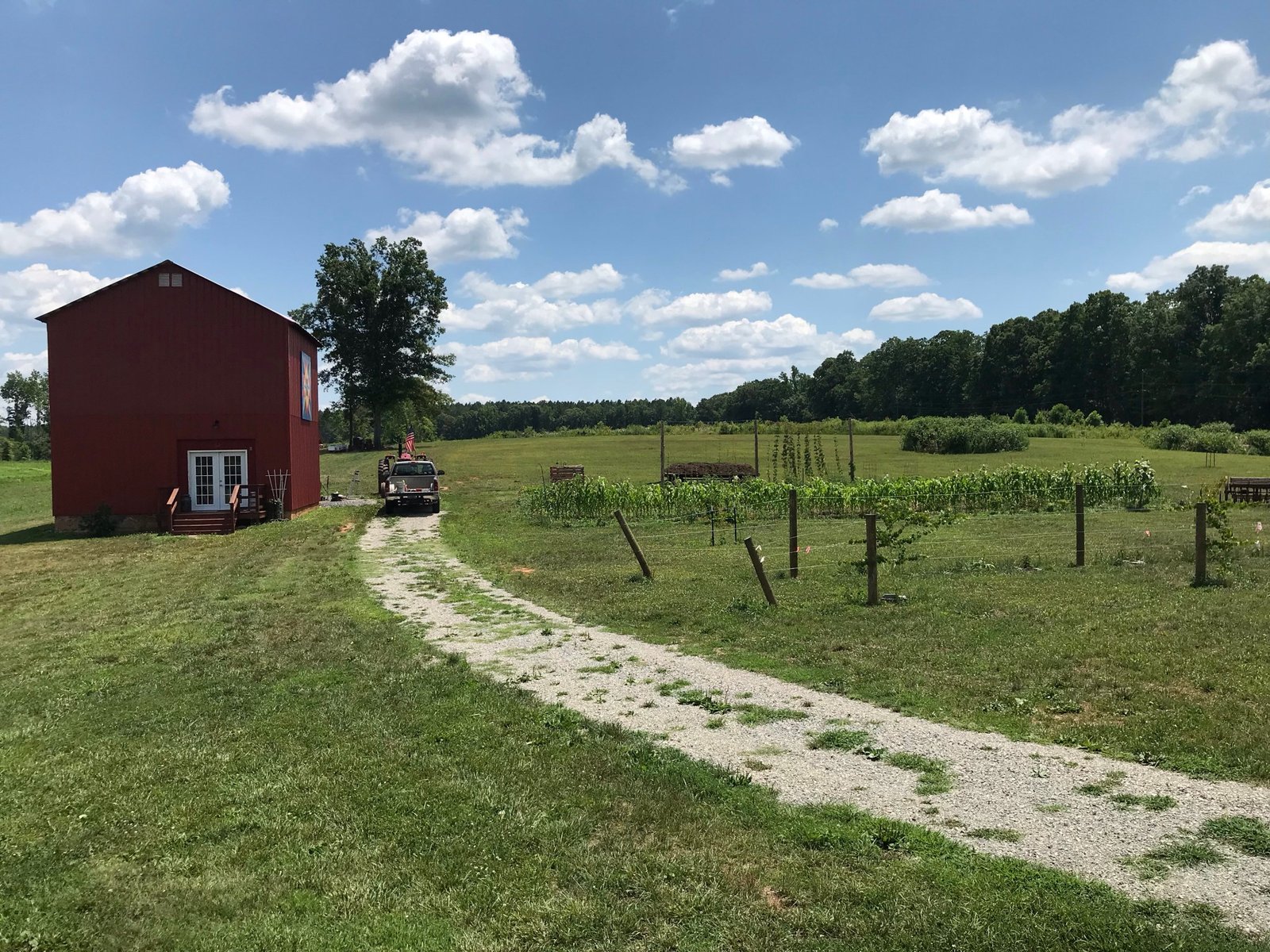
    We are fortunate to have this beautiful retreat to call home. We are hobby farmers, night planters who are fully employed and not forced to depend on the fruits of our labor for sustenance.

    The chickens out for an adventure in the new pasture and orchard.

    As of June 30, 2022, our company consists of 3 humans, 2 dogs, 2 cats, 8 hives, 10 laying hens (chickens), 1 rooster, 6 turkeys (4 broad breasted bronze and 2 royal palm), 3 ducklings, and 114 chicks.

    The chicks are home hatched and from Cackle hatchery in Missouri. To date, in 2022, we have hatched 7 batches of chicken eggs and there are 23 quail eggs in the Nurture 360 incubator. UPDATE 10 hatched on June 23! We rehomed our rooster, Jubal, in May. While protective, his amorous attentions were simply too much for our hens. Good luck Jubal! We’ll miss you (a little). One of him progeny, Wade Hampton, has stepped up to the role – but we’re keeping him away from the hens (for now). Chicken math! Our four broad breasted bronze turkeys are huge at 11 weeks and will be delicious this fall.

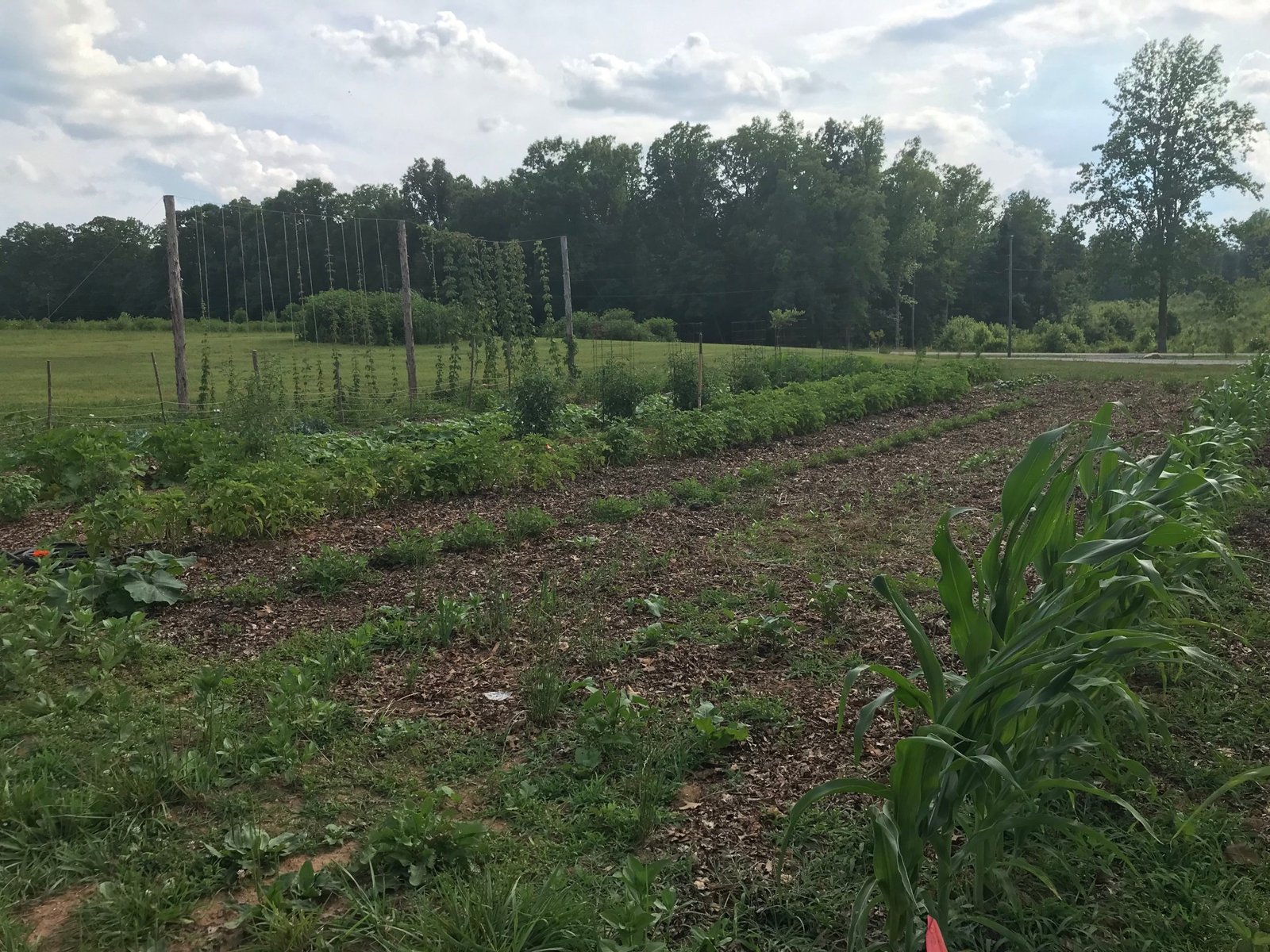
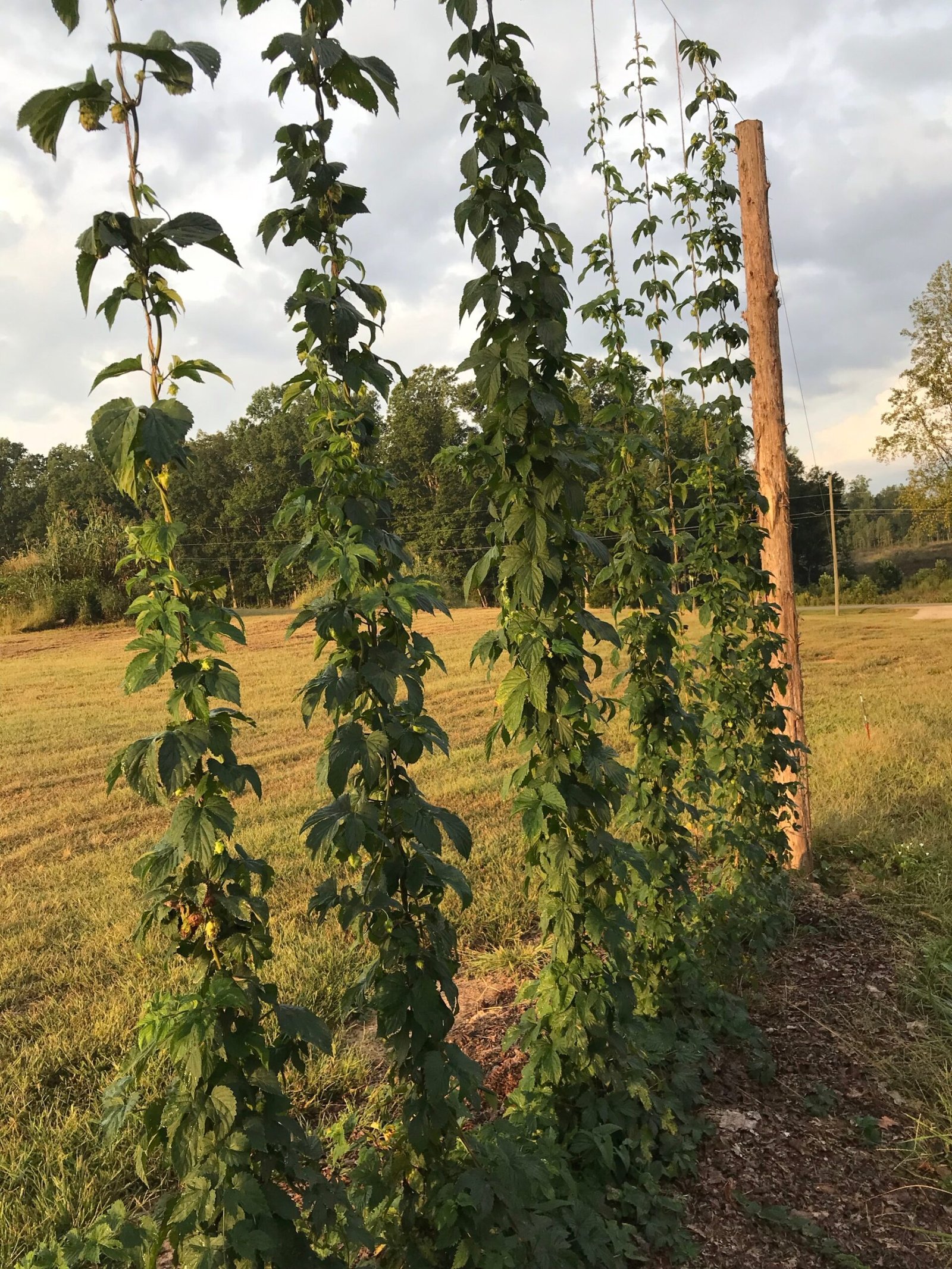
    The garden has improved vastly over last year. We have harvested new potatoes, squash, and a few beets at the beginning of June. The corn is now waist high and a second crop is ankle high. The centennial hops are ripe and the golding variety are close behind (it’s almost time to brew beer, again)! Two of the three muscadine grape vines are growing (one failed) and we have a new row of thornless blackberries – from Lowes and the Gilmanor chicken swap.

    Our three peach trees are alive but struggling. The leaves are turning red and yellow and at three years old, they have not begun to set fruit. The two pecan trees planted in 2017 have finally gotten their roots. In 2022 they have almost doubled in size (hurrah!).

    Our bees have been a trying experience but we continue to learn and will be extracting our first honey at the end of June. They are in a robbing mood as the honey flow is nearly over and the summer dearth is going to begin soon.

    The pasture got a good start and the cool season grasses are growing dormant with the warmer weather. Last year we had a good stand of natural crab grass and are hoping for a similar result this year.

    Stumping and clearing continues to the north. Almost 17 acres to date! As Diesel prices soar ($5.27 at last purchase) we’re glad we’ve been able to do as much as we have. Brendan purchased a new (to him) 1969 International Harvester 856 at the end of June. It’s been an action-packed month!

  • March and April (Spring) 2022

    March and April (Spring) 2022

    “It is (still) wonderful how much may be done if we are always doing.”

    Thomas Jefferson

    March marked the one year anniversary of these monthly blogs. I thought it would be nice to do a little progress check and see how far we’ve come in a year including land-clearing (establishing pasture), chickens (and chicken math), bees, apple trees, and the garden – among other things.

    Land-clearing continues with the excavator and Buttercup, our D-6. At last count we had stumped about nine acres. Three have been drilled with a pasture mix (20 lbs/acre), limed (6 tons per acre applied over two years), tested, and fertilized (a mix of 40-130-40). It’s been a process but we have goals to build a shelter and fences this fall and bring Gus home sometime next Spring (maybe for our mutual birthday, lol).

    After two years of trying, we had our first show of tulips. They benefited from about 100 lbs of horse manure applied last fall and some gypsum to amend the soil. Progress!

    Drilled lines of new pasture!

    In the garden we learned from last year that planting potatoes can wait until the ground warm up and sure enough, we had success!

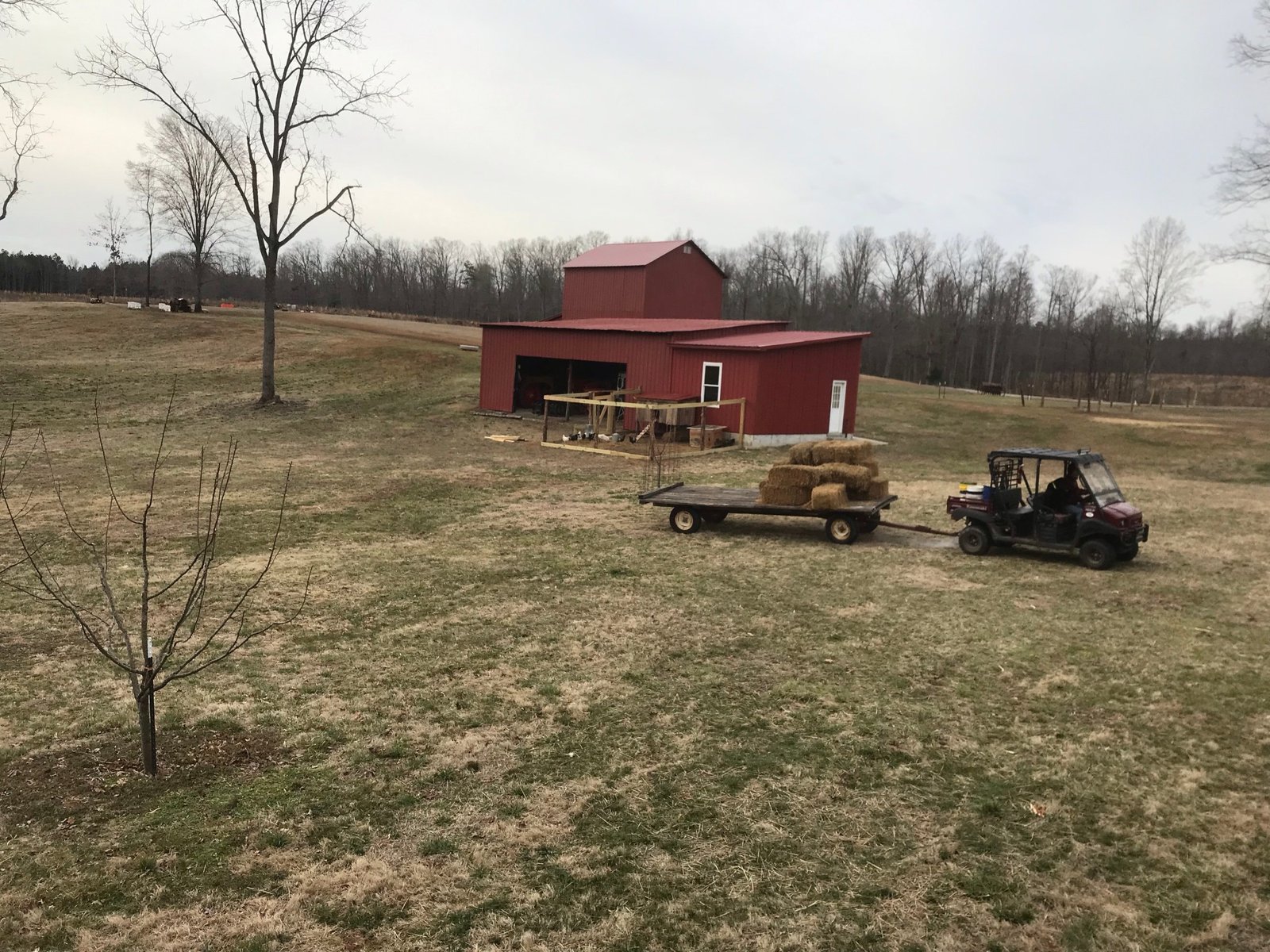
    This year brewing has taken a back seat to the birds and the bees. One year in, we have 84 chickens and 4 broad breasted bronze turkey poults. The chicken infrastructure includes an ad-hoc brooder house with pumpkin boxes and chicken wire (formerly the grannery), the hen house constructed last year for our laying ladies (currently there are 8), and a 200 square foot grow-out pen attached to the back of the machinery barn.

    March 2022, view from the apple orchard towards the new grow-out pen.

    Out of the eight hives we inherited last fall, two overwintered and both swarmed in early April. Thanks to good advice, we managed to catch the first swarm on the chimney ruins and set up a cedar tree as bait. From April 4 through the 20th, we caught another four hives. We have A LOT to learn about bees!

    Early Spring and one of the overwintered hives.

    The current state (at the beginning of May 2022) is seven hives, many of which are in need of repair or replacement. Five are small or weak and we’re working to keep them growing and healthy. Brendan ordered mite treatment and in April we took a trip to Scottsville Supply to buy new boxes (12).

    In the garden, the permaculture area is now a year old. We have erected high tensile trellises for blackberries and grapes and last year’s grapes are beginning to grow. The centennial hops are growing vigorously and the Goldings are well, if a little behind.

    For Easter, Coral and the Grouts came to visit. We planted potatoes and hatched a new set of 16 baby chicks.

  • February 2022

    February 2022

    In memory of T. Patrick Burke, 6/6/1926 – 2/3/2022. We not be here if it weren’t for Brendan’s dad. In 1994, he encouraged Brendan’s mom Helen to move back to her family home, sell their house in Richmond, and invest in a future at Glendale in the country. The farm was not in bad shape but was in sore need of time and money. Over the next 25 years, Pat planted trees and drifts of daffodils, peonies and iris. He made the old yard a gardener’s delight. The work we do now is in his memory and spirit, a constant effort to steward what is old for what is new.

    BURKE, Thomas Patrick, Jr., was born June 6, 1926, in the Oregon Hill neighborhood of Richmond, Virginia to Thomas P. Burke Sr. and Virgie Vernell Burke. His early memories of the neighborhood and a Richmond from long ago included attending Grace Arents School, riding the streetcar through the city and ice deliveries by horse and wagon. After graduating from John Marshall High School in 1943, he attended William & Mary and was drafted into the U.S. Navy in 1944.

    Pat’s memories of WWII service were well-documented and spanned nearly the entire Pacific basin. As quartermaster, he steered his ship, the U.S.S. Ascella, before learning to drive a Jeep in Shangai during the winter of 1944 to 1945. His experiences abroad, from New Caledonia to the Ulithi Atoll, and from Mog Mog to Okinawa formed him into a world traveler. After the war, Pat returned to William & Mary, where he finished his undergraduate degree; William and Mary was dear to his heart throughout life. His next degree was a master’s from the University of Virginia.

    In the 1950s, Pat started his career teaching at Dinwiddie High School, where he made lifelong friends. Subsequently, he was recruited to work for the Virginia Department Education as Supervisor of History, Government and Geography. Wedded to the classroom, however, he returned to teaching at Longwood College as a professor in the history department. After 11 years at Longwood, Pat joined the faculty of the newly founded Richmond Community High School in Richmond to help it develop into one of the best alternative high schools in the country, a job of which he was most proud. Pat’s time in the classroom was more than a job or career. It was a devotion to students and a fervent love for teaching. This was evident in many ways but especially through the words of his former students. Many of them continued their association throughout his retirement, even as recently as this past month.

    Pat’s love of education made him the eternal learner/student, and as a scholar on sabbatical to Trinity College Dublin during the mid-1970s, his interests focused on the Irish rebellion. During his stay in Ireland, he travelled the country and ended by building a house in County Kerry, where his family would spend many happy summers. He was a founding member of the Irish-American Society of Greater Richmond and a participant in many other civic organizations. He was never satisfied to simply have enough; he wanted everyone to have enough and fought for that cause in the classroom, boardroom and living room.

    In 1979, Pat married Helen Warriner, the love of his life. She was a fellow educator and the two knew no bounds to celebrating life. They traveled a good portion of the world together. In 1994, the Burkes moved to Amelia County, his wife’s ancestral home, where he expanded his already sizeable passion for growing daffodils into a pursuit in landscape architecture. His daffodils not only bedecked the spring yard, but won awards in regional flower shows. Today, the garden, trees and plantings at Glendale reflect the love his hands put into the soil and a gift bestowed to future generations.

    Pat Burke loved life and anything that challenged the mind and helped people. He was never satisfied to simply have enough, he wanted everyone to have enough and he fought for that cause in the classroom, boardroom and living room.

    Thomas Patrick Burke Jr. loved life and his family. He is survived by his wife, Helen Warriner-Burke; his son, Patrick Brendan Burke and wife, Lillian Azevedo; and his nephews, Tommy and Clifton Hairfield. He was preceded in death by his sister, Edelle Mallory; and his brother, Joe Burke. Pat’s old dog, Abner lives on to beg others for treats.

    Brendan Burke

    There is a hole in the farm, a part of life as natural as birth itself is missing. Even so life goes on. In February, we spread 900 lbs of fertilizer and 17 tons of lime on the new pasture, pruned the apple trees, and worked to overhaul Buttercup, the bulldozer.

    We hatched our second set of Glendale Wyandottes, 9 silver laced chicks out of our rooster and three pullets (two silver laced and one gold laced from a farm swap last year). Brendan finished the chicken yard as our new flock of juveniles has swelled to 25, 17 of which are roosters. As dual purpose birds, we’ll move most of them on in late April. In the meantime, we’ll enjoy their antics and play.

  • January 2022

    January 2022

    There’s a silence so loud that it’s deafening, And the sun seems unusually bright. The world’s awakening to a bitter cold morn and a crystalline blanket of white

    Patricia A. Fleming Our Exquisite Snowman

    Apple trees – in need of pruning.

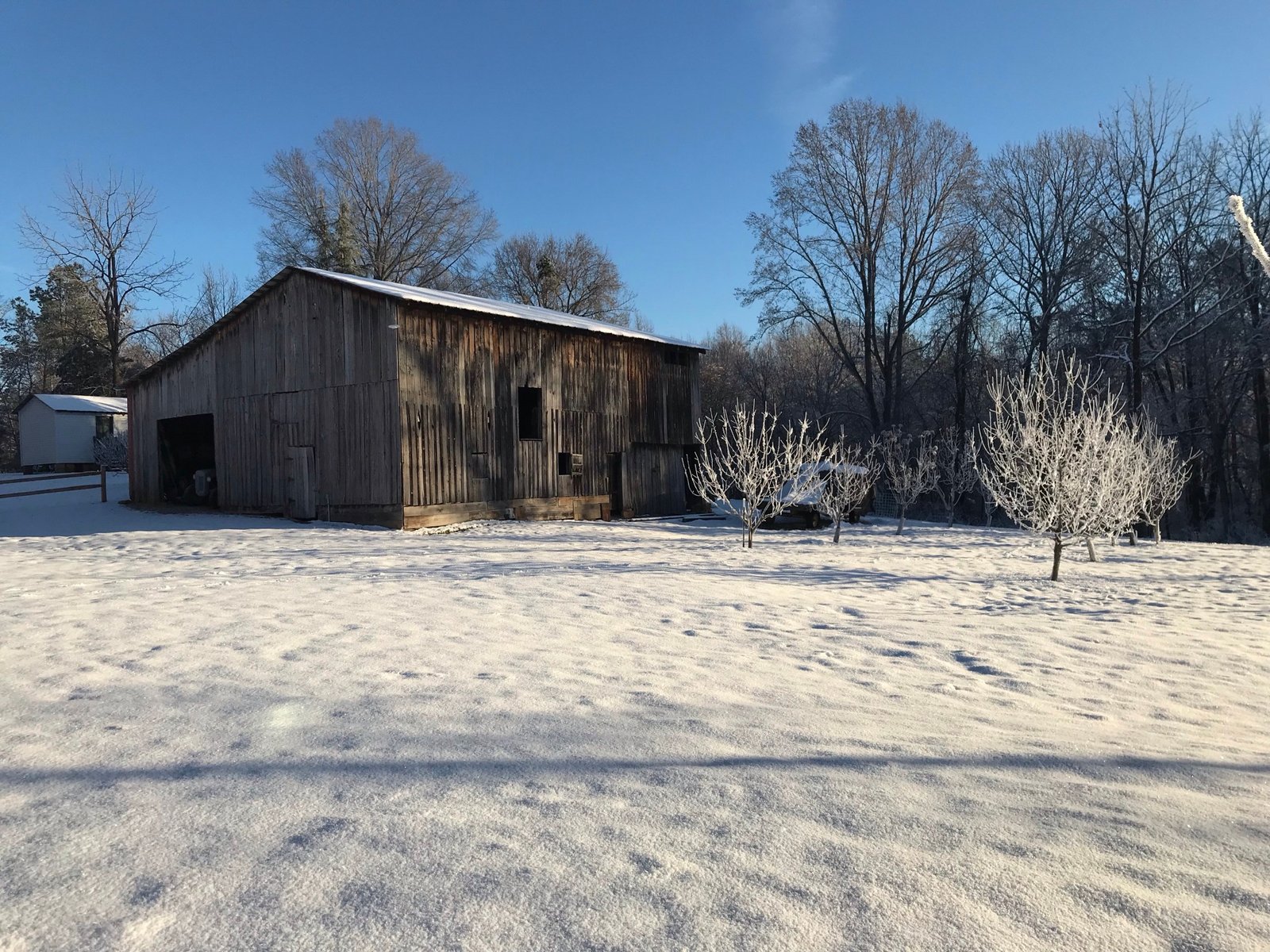
    The new year did not dawn with snow, but with an ode to summer and a high of 75 degrees. It’s a frustration to be in central Virginia. So close to winter and yet sometimes to feel so far away. The following day, as if in apology, the temperature plummeted. Snow and ice came down, coating the farm in four inches of white. The temperature barely rose and for the rest of the month we found ourselves thoroughly in winter. So that, by the end of the month, we’re thinking of Spring, green grass, and longer, mild days.

    Beekeeping in January

    The bees are huddled and bundled together. We daren’t open the boxes although our curiosity is piqued. Are they alive and well? Abandoned? Not knowing we wait. Patiently.

    New Chicks

    Set 01 of Glendale’s motley Wyandottes are teenagers now. At the end of the month they’re 6 1/2 weeks old and quickly outgrowing their digs in a pumpkin tote. All fluff and feather and puff and peck, they’re moving out as soon as we can finish their run. The current plan is to recycle some cedar poles and enclose an area with hardware mesh. At just under a pound a piece they’re ravenous, wasteful little beasties!

    Meanwhile, we’re reminded how cute they once were. Set 02, comprised of nine Wyandottes hatched on the 20th of January, and are just cheeps. That’s all the chicken math we can manage this winter. We’ll tally the birds and make some choices in March. For now, we’re using a Jiffy tag and marking them as they grow- to keep a tally of who beget whom.

    D6C

    Buttercup made it home with only a single flat tire. The lovely rusty lady enjoyed a spa treatment and a shopping spree with Brendan, who treated her to new fluids and a pressure bath. The chilly weather couldn’t dampen his enthusiasm and next month he and Barry have plans to tighten her sprocket and make her ‘ship shape’ for the farm.

  • December 2021

    December 2021

    How did it get so late so soon? It’s night before it’s afternoon. December is here before it’s June. My goodness how the time has flown. How did it get so late so soon?

    Dr. Seuss

    Apple trees sleep through the short nights.

    The closing days of 2021 remind us of the opening days a year passed. New cases of Covid disrupt the family’s plans to join us for Christmas and take our dear friend, Paul Jones. Having inherited the eight bee hives that have been on the farm since summer, we worked to educate ourselves the basics of beekeeping. From the eggs in the incubator from last month, we hatched 16 baby chicks. Lillian tackled an old quilting project and Brendan shopped for a new antique bulldozer, and named her Buttercup.

    Beekeeping in December

    The eight beehives stood alone and solitary on their cinderblock mounts by the old, stone chimney. Paul had told Brendan that the bees were staying and now we found ourselves neophyte beekeepers, nearly ignorant and in the middle of winter. Taking up the mantle of responsibility, Brendan reached out to other local beekeepers. He renewed our friendship with Bobby Arrington, one of Helen’s classmates now in his late eighties, and a long-time beekeeper. He came over with advice, supplies, honey, and homemade wine.

    In less than a week, the feed room was filled with a new inventory: 125 lbs of sugar, a stack of supers and queen excluders, frames (some with made out combs and others without), precut pine and cedar for boxes, and two sets of protective equipment, all bequeathed with warm wishes for success. The community of beekeepers really is a hive of like-minded folks and we’re encouraged, if a little daunted, to be part of it.

    New Chicks

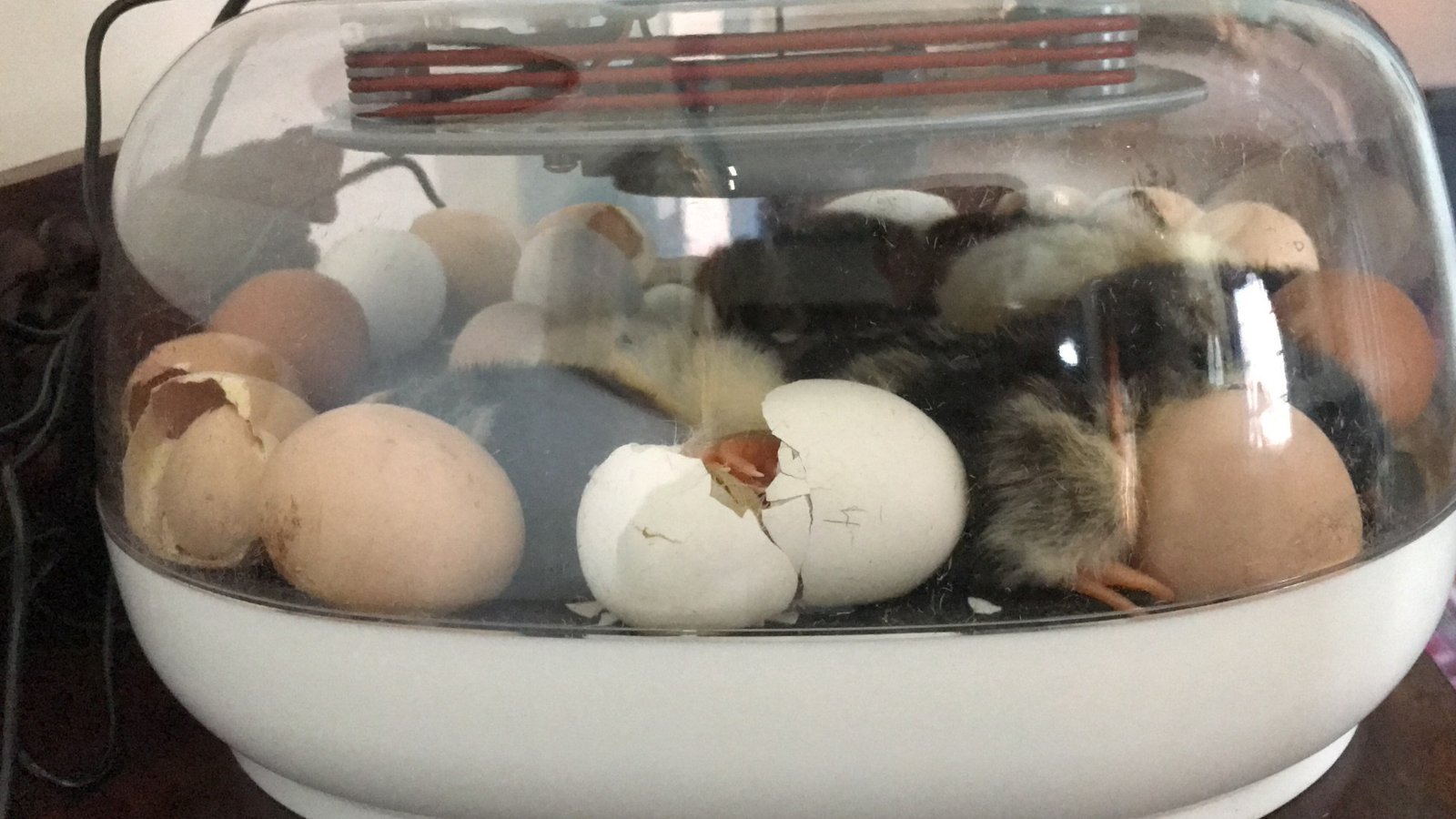
    After 21 days in the incubator, our first chick, a silver-laced Wyandotte with a single comb (not breed standard but still cute), pipped. 36 hours later, we removed 16 cheeping babies from the incubator and settled them into a brooder: 10 Silver Laced Wyandottes (SLW), 4 SWL X White Leghorn, and 2 SWL X Golden Comet. 100% success! A recycled stock tank used for archaeology lessons provided the perfect home. Our good neighbor, Bruce Flippen, brought over several bags of pine shavings from a local mill and we lined with bottom with pine pellets and about 2 inches of shavings. Happily cheeping, the little guys and ladies took up temporary residence in my office. A small heated brooder and a 250-watt heat lamp provided heat and will give them the perfect base to grow and feather out. In the Spring, we will move them into the yard (the chicken chalet will need an expansion) and select the nicest birds to grow our flock. The others will find new homes with friends (or in the freezer).

    Quilting

    For Christmas, Lilli received an Arrow sewing cabinet and spent the next day with Brendan assembling the pieces. Pulling out an old pattern for a project two years in the making, she continued to piece 1860s era quilt blocks, 28 of 56 done!

    D6C

    The latest edition to the farm is in the western part of the state near Roanoke but will be coming home in January. Brendan’s hunt for a vintage tractor ended on steroids as he found a 1969 Caterpillar D6C tractor. On the drive back to Glendale, he named the 17-ton beastie, Buttercup. There’s more adventures to come, I’m sure!

    The end of the month ended unseasonably warm with highs in the 70s and the bees scrounging for pollen from henbit/lamium.

    Camellia in bloom in December.
  • November 2021

    November 2021

    “November comes and November goes, with the last red berries and the first white snow. With night coming early and dawn coming late, and ice in the bucket and frost by the gate.”

    Clyde Watson

    Outrageous Pumpkins, New Rooster, Eggs-in-the-bator, moving a runner stone, transitioning Gus to barefoot (again), farm sign renovation, and a straw and pumpkin fire sale.

    Turn Card Entertainment came back to produce a new series of Food Network’s Outrageous Pumpkins on the farm. Old faces and new friends joined us for the first half of the month, bedecking the farm in Hollywood-inspired pumpkin spice, sparkling lights, and the perfect fall spectacle. The weather held and the trees shed their leaves in glory, providing a charming backdrop for some of the world’s most talented pumpkin carvers.

    Chet and Ketch took a moment to share the spotlight (off-camera) and showcased their own prowess with the crew, with independent demonstrations on how to catch mice, rats, voles, and even a squirrel.

    During the filming, we introduced our newest cast member, a silver laced Wyandotte (SLW) rooster called Jubal Early. About a year old, Jubal is living up to his name, serenading us in the wee hours and guarding the flock with gentlemanly grace. His introduction to the ladies went surprisingly well. Kept in a crate by the hens overnight, we tossed him into the coop the following day. A few pecks later (nothing that left injury or drew blood) and the ladies we cooing and acting as though they’d lived their whole lives together. Remarkable considering the introduction of our 3 Wyandotte pullets this summer left the new ladies cowering and bullied for weeks. While there are a few pecks on their combs, I believe the advantages to having a rooster are worth it…

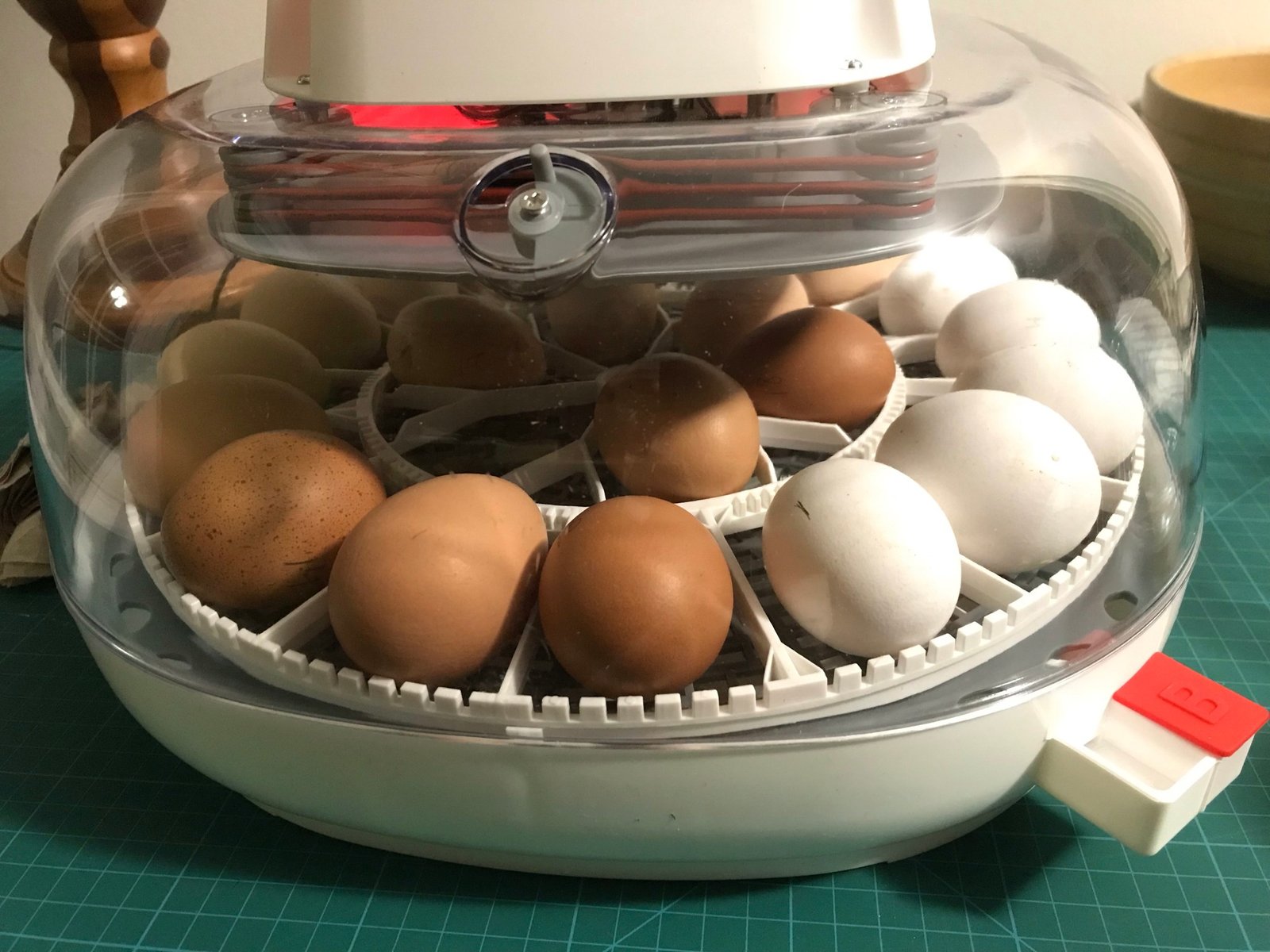
    Having noted that the ladies were now laying fertile eggs I seized the opportunity to become an internet expert on hatching chicks over the holidays. I purchased an incubator (https://www.mannapro.com/poultry/chicken-coop/nurture-right-360-egg-incubator,) gathered eggs for a few days, and placed 21 to set for a hatch date of December 15.

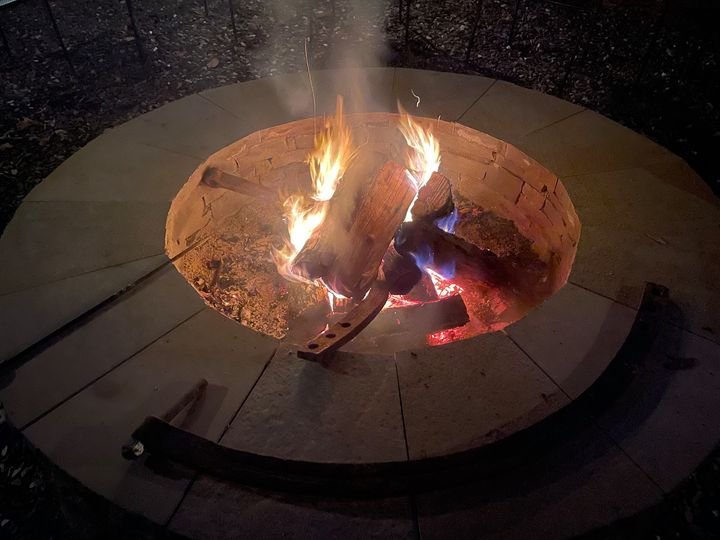
    Meanwhile, Brendan has been working to record pieces of the inland maritime landscape, including historic mills on rivers and waterways in Amelia County. Borrowing a mill stone crane from the Rowlett Mill, he worked to straighten it over the fire pit.

    Heating the crane to perform some rudimentary straightening.

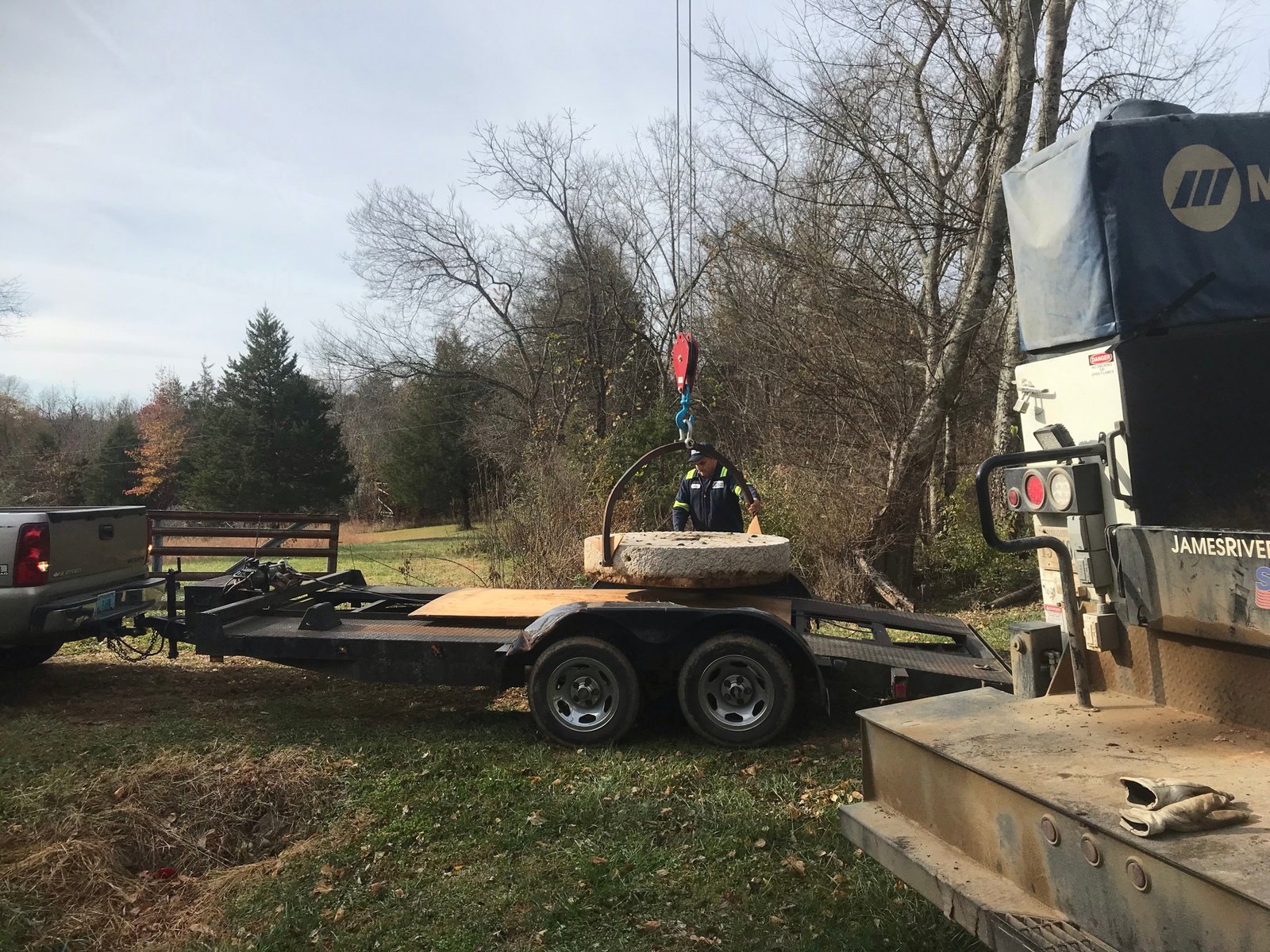
    With a good friend, a crane truck, and the blessing of the current mill’s owner, he relocated the runner stone from Clementon Mill- from the front yard of the mill house where it had rested in concrete for two generations to the back of trailer and hopefully one day soon to a public place where its history can be displayed and interpreted.

    Moving the runner stone by crane and truck.

    Back at Wigwam, our good farrier pulled Gus’ shoes after two months’ of pour-in Dr. Scholls (for horses). For the winter months he’ll enjoy some easy days and lots of treats while his tender toes adjust and his soles grow strong (at least that’s the idea!).

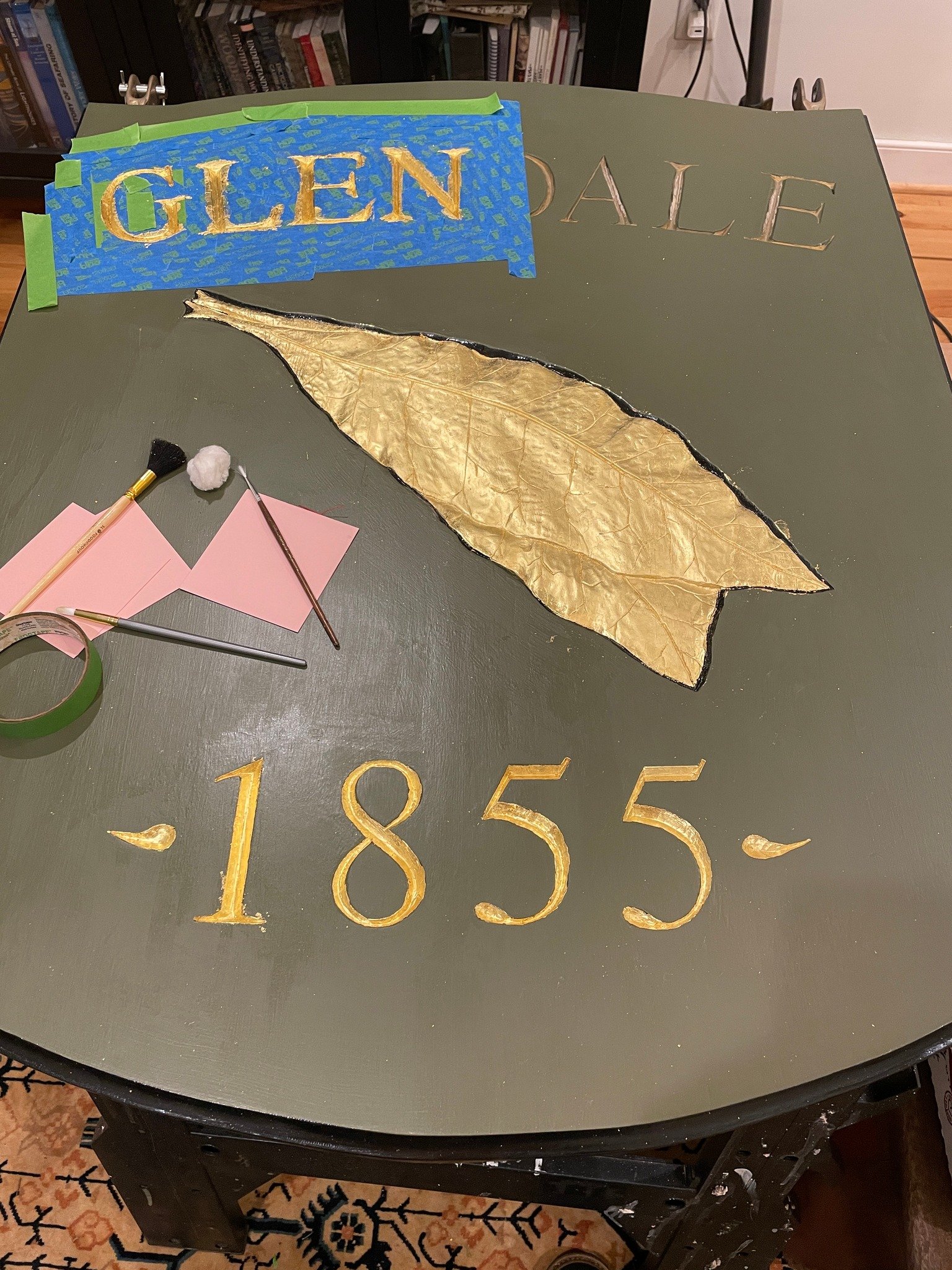
    The farm sign, one of Brendan’s first projects when we lived in St. Augustine, received a sorely needed renovation. Self-taught, Brendan replaced the gold paint with 23K gold leaf, a fine job!

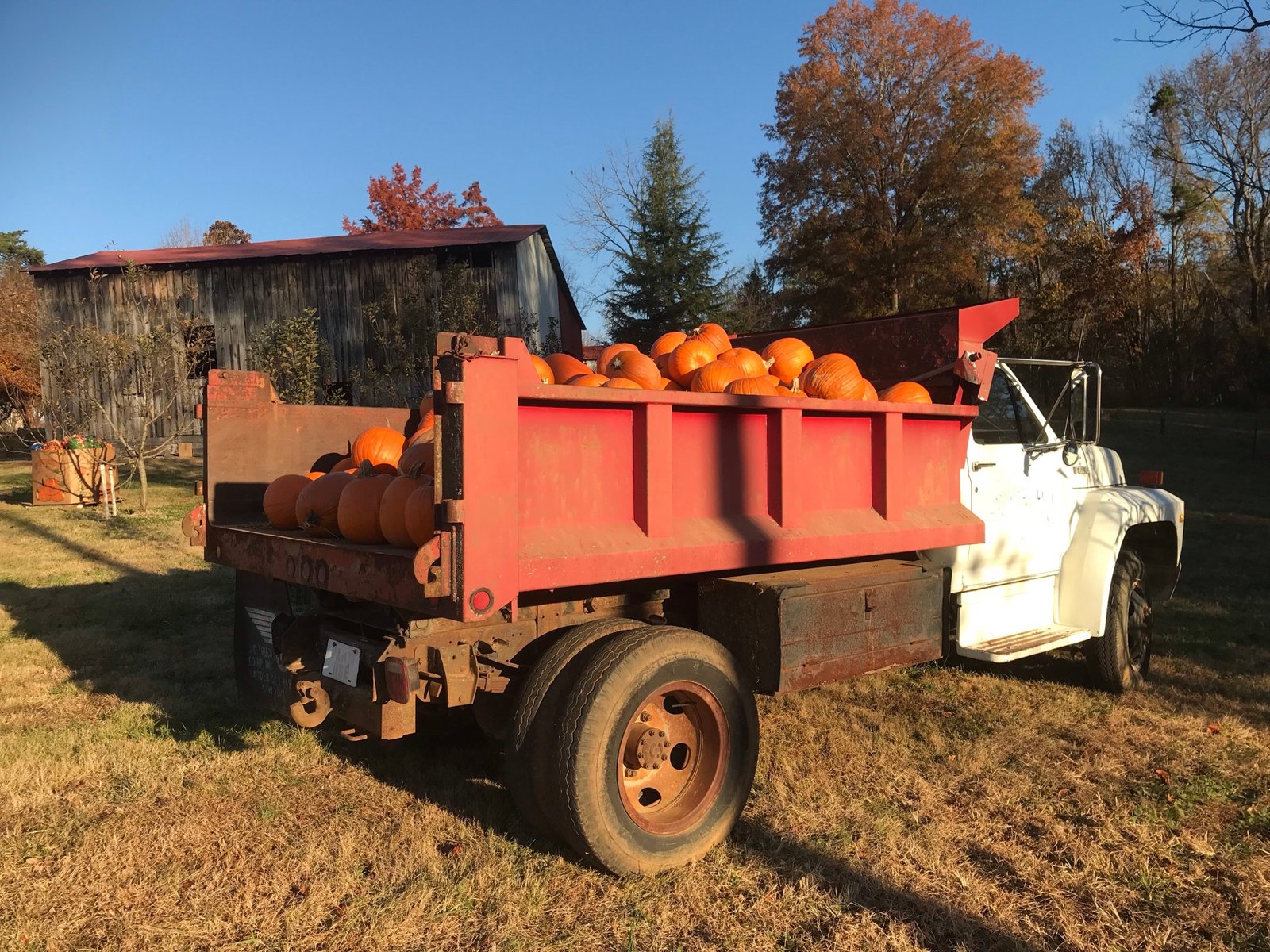
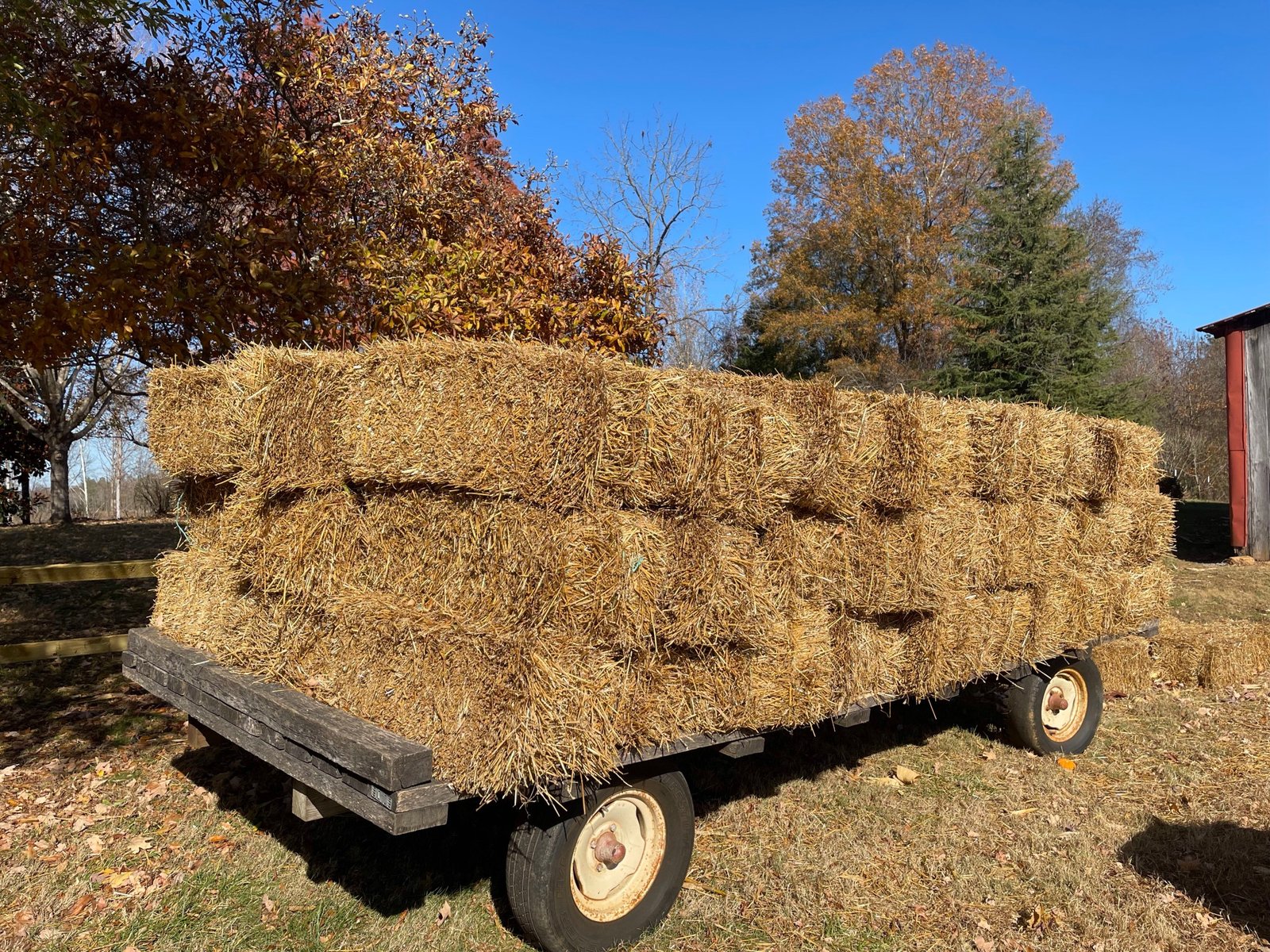
    At the end of the month, with trucks and tents departed, we took stock of the farm, and found 20 totes of pumpkins and 150 bales of wheat straw. We closed the month with a fire sale that helped us meet the neighbors and share the harvest! Everyone loves pumpkins!

  • October 2021

    October 2021

    “October had tremendous possibility. The summer’s oppressive heat was a distant memory, and the golden leaves promised a world full of beautiful adventures.” -Sarah Guillory, Reclaimed

    Garden sentinels usher autumn’s glow.

    Tis the season to set the garden to rest, stump the reclaimed land, pick apples and brew beer. The crab grass fades golden with the first cool nights. Old and rented equipment break in protest. Indefatigable, we push on to tackle new projects and set old familiar places straight. Highlights from the month included:

    • Stumping south of house with excavator 10/1-10/2;
    • Heavy equipment (Track Loader arrives) 10/3/2021;
    • Stumping and bulldozing south of house  10/9-10/11;
    • Plow, disk, and seed garden with oats (~50 lbs) and turnips (2 lbs) 10/17/2021;
    • Brew Cider and English bitter ale (total 9 gallons) 10/17/2021;
    • Widen farm entrance with culvert 10/17/2021;
    • Plant thornless blackberries (12) 10/20/2021;
    • Remove 30 more stumps from middle pasture 10/24/2021;
    • Repaired seed drill (ordered parts) 10/30/2021;
    • Drilled Valley Mix for pasture 10/31/2021

    Eight chickens, 2 dogs, 2 cats, and four humans hold down the farm. Brendan continues to research the potential to bring cattle to the farm and Lilli dreams of the day she and Gus will gallop across the pasture.

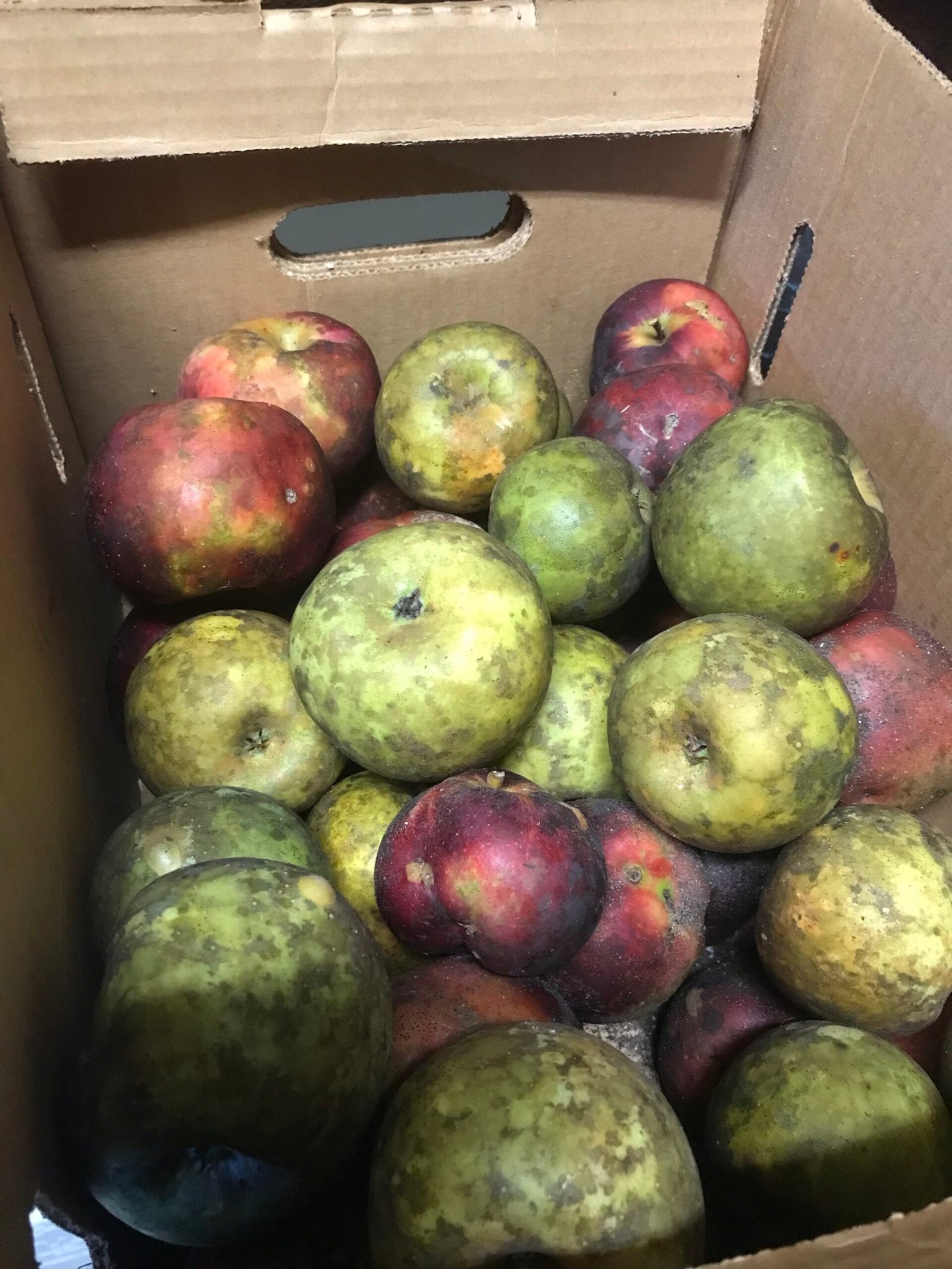
    Meanwhile, the apple trees produced enough ugly apples to make a delicious Arkansas Black and Gold Rush apple pie. An orchard specialist stopped by and gave us a quick assessment of the trees. More pruning and spraying are the order for next year!

    The end of the month found us racing against the clock to get cover on the new ground and plant the pasture. We purchased 125 lbs of Valley Pasture Mix from Featherstone Farms (45% Orchardgrass, 10% Harvest Orchardgrass, 20% Perennial Ryegrass, 10% Timothy Grass, 10% Kentucky Bluegrass, 3% Landina Clover, 2% White Clover) and drilled the new pasture at a rate of 25 lbs/acre on October 30th and 31st.

    The new ground received a mix of wheat (200#) and red clover (150#). Fingers crossed we have good germination and growth, despite the late hour of planting.

    At the end of the month, with the fire ring complete, we welcomed family and friends to toast marshmallows and blacken hotdogs. Together we enjoyed the good feeling of family and campfires. Next week, we’ll be joined by a production team from New York and L.A. as the farm gets a temporary makeover for some TV magic.

  • September 2021

    September 2021

    Get ready for changing seasons, land-clearing, egg-onomics, dove hunting, and Gus’ new shoes.

    Make hay while the sun shines, or in our case clear land while the weather’s fair. September brought a breath of cool (less humid) air, a delivery of four new hives, more stump excavating, doves, and an abundance of eggs. Gus got a new pair of pour-in shoes while my own paddock boots cracked and split.

    Dove season was an exciting time. A cover of millet, sunflowers, and volunteer clover was too tasty for the doves to ignore. Lilli had the chance to put last year’s Christmas present (20 ga) to work and a happy Chet tracked the fallen birds through grass, brambles, and brush.

    A friend brought four more hives to weather the winter at Glendale. They are not the strongest but hopefully will be able to take advantage of blooming golden rod over the next few weeks. Our good neighbor Paul Jones will bring feed to give them a better chance of survival. If any fail, the empty hive will be available for spring swarms to colonize. Life finds a way!

    Paul Jones brought over four new hives to spend the winter.

    Land clearing continued as the cooler weather has made the work less sweaty. Over the past 12 months, Brendan has cleared about 5 1/2 acres and we have plans to open another 4 1/2. We’ll divide the 10 acres into several paddocks with the intent to not only bring Gus home but also purchase a few cattle. Brendan is considering Angus but we’ll see what happens. We still have stumping, grading, planting, and fencing before we introduce more feet! Next month, Barry plans to bring over a small bulldozer (Cat 450) which will help the process along. With both Brendan and I fully employed, it’s going to take some night farming to make it happen.

    The 9 chickens laid a record 229 eggs this month. We’ve been fortunate to gift eggs to neighbors and friends, and have even color-coded them: the Wyandott lay a beige egg, the Golden Comets produce a large brown egg, and the Leghorns gift us giant white dobbers. Like most hobby chicken tenders, we’ve run out of egg cartons and have taken to lending small baskets or wrapping them in paper.

    Chickens visiting the home SEARCH office.

    We picked 6.5 oz of hops from the Centennial hops mid-month. The Golding didn’t produce but that’s not uncommon for the first year. We’ll leave the hop bines standing until the first frost to encourage as much growth and energy storage as possible. The wet hops went into a 10-gallon batch of Farmhouse Ale for the second fermentation. We’ll keg it in early October and enjoy it for OctoberFest.

    Hop cones ready for harvesting

    The first apples are ripe and ugly. Thanks to the deer and wasps, there are too few to bother with cider but we did find a pulley and belt at the Somerset Steam and Gas show. We’ll attach it to the hit and miss engine next fall to run the cider mill. This year we’ll satisfy our curiosity by picking the best apples and deciding which varieties we like best.

    Last but not least, Gus got some fancy kicks. Being a first time horse owner, it’s been quite the learning process. He pulled a shoe and had underrun his heels a couple of weeks ago. We tried going barefoot but I finally caved in. The new shoes will support his frog and give his heels a chance to recover.We’re lucky to be in a part of the country with good care and a great farrier.