Tag: Farm Improvements

  • August and September 2022 – Birds galore.

    August and September 2022 – Birds galore.

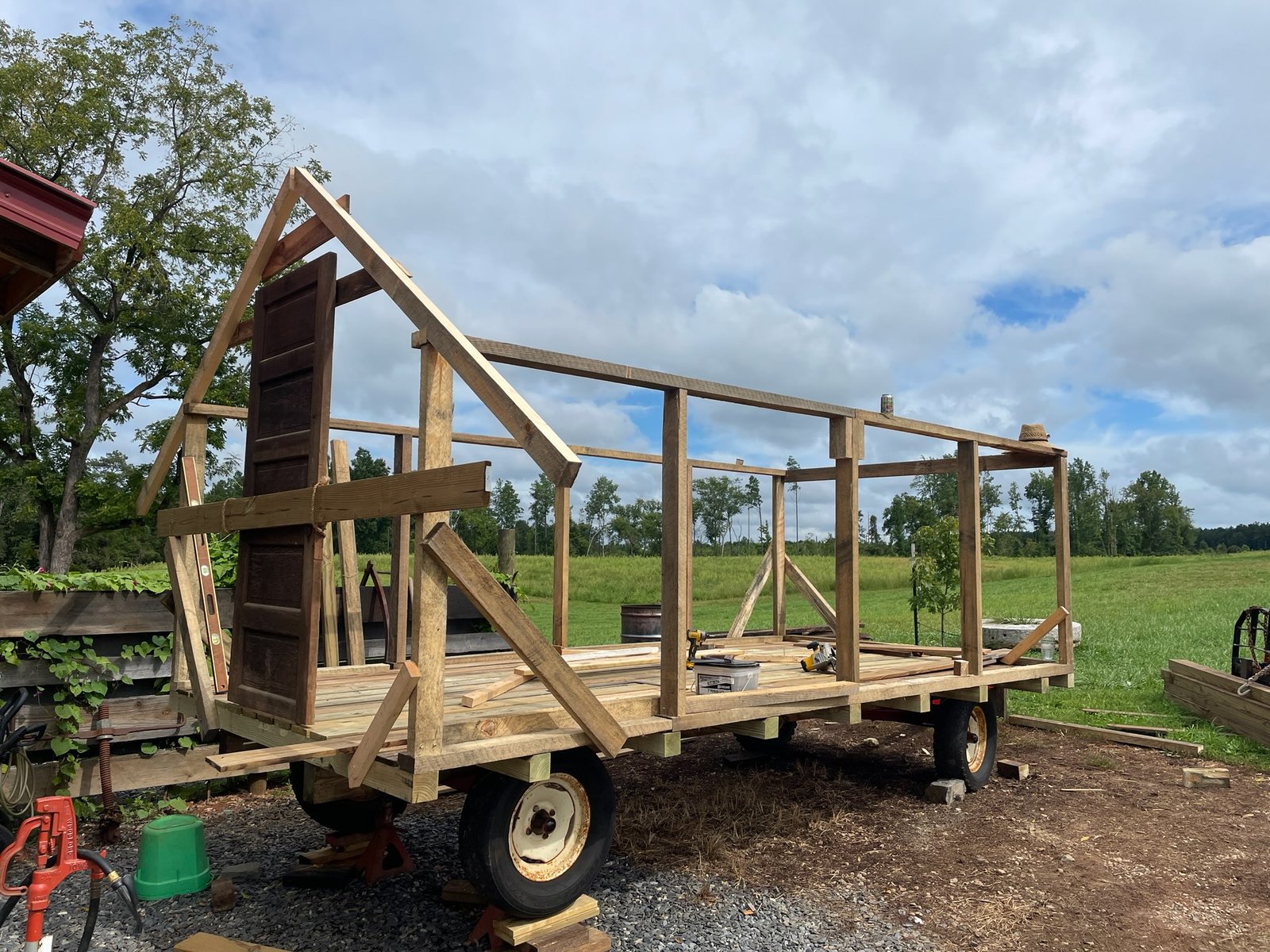
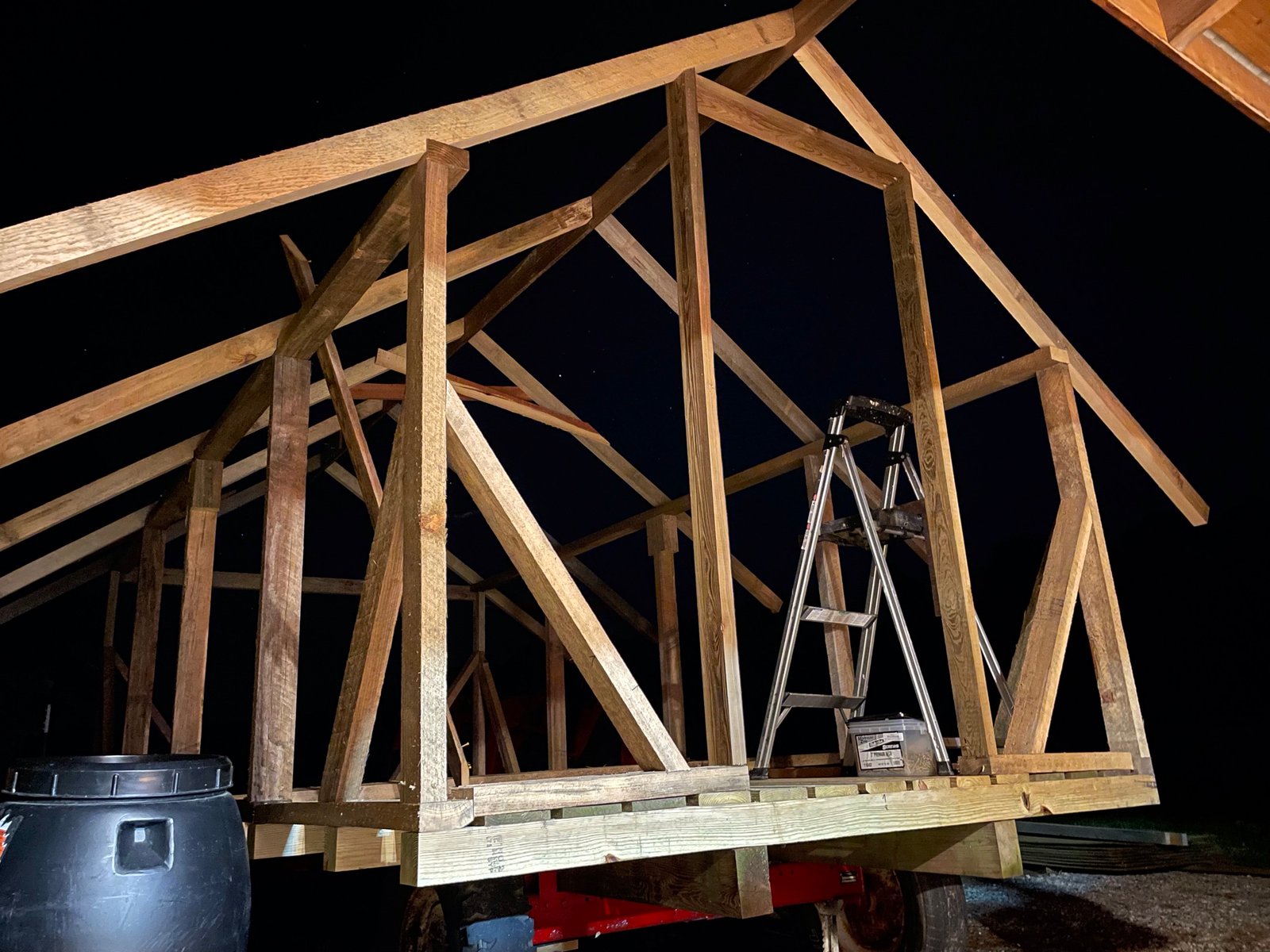
    Our Cornish cross meat bird experience, the dining room floor gets replaced, and we work on our next piece of chicken infrastructure – the egg-mobile.
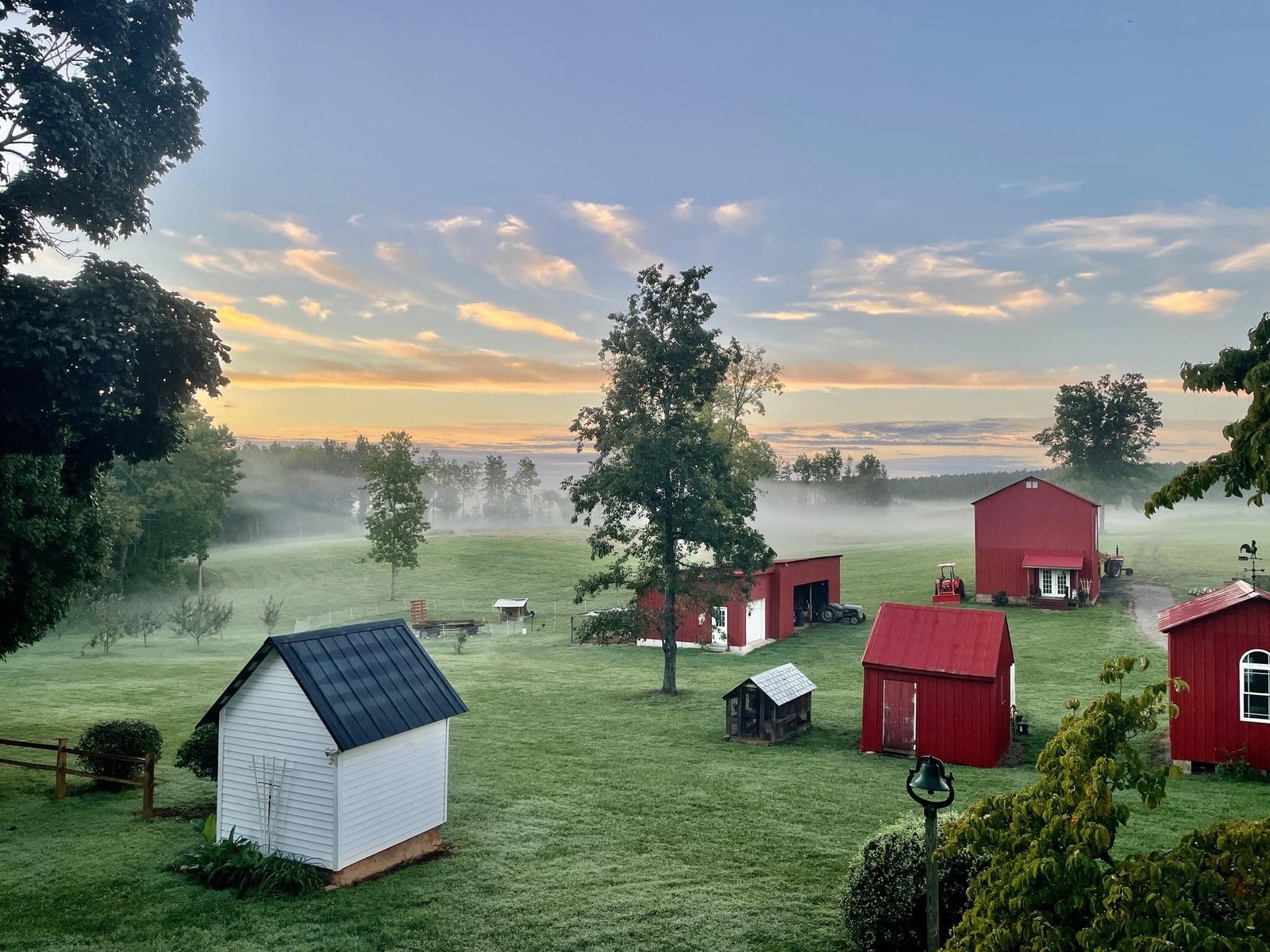
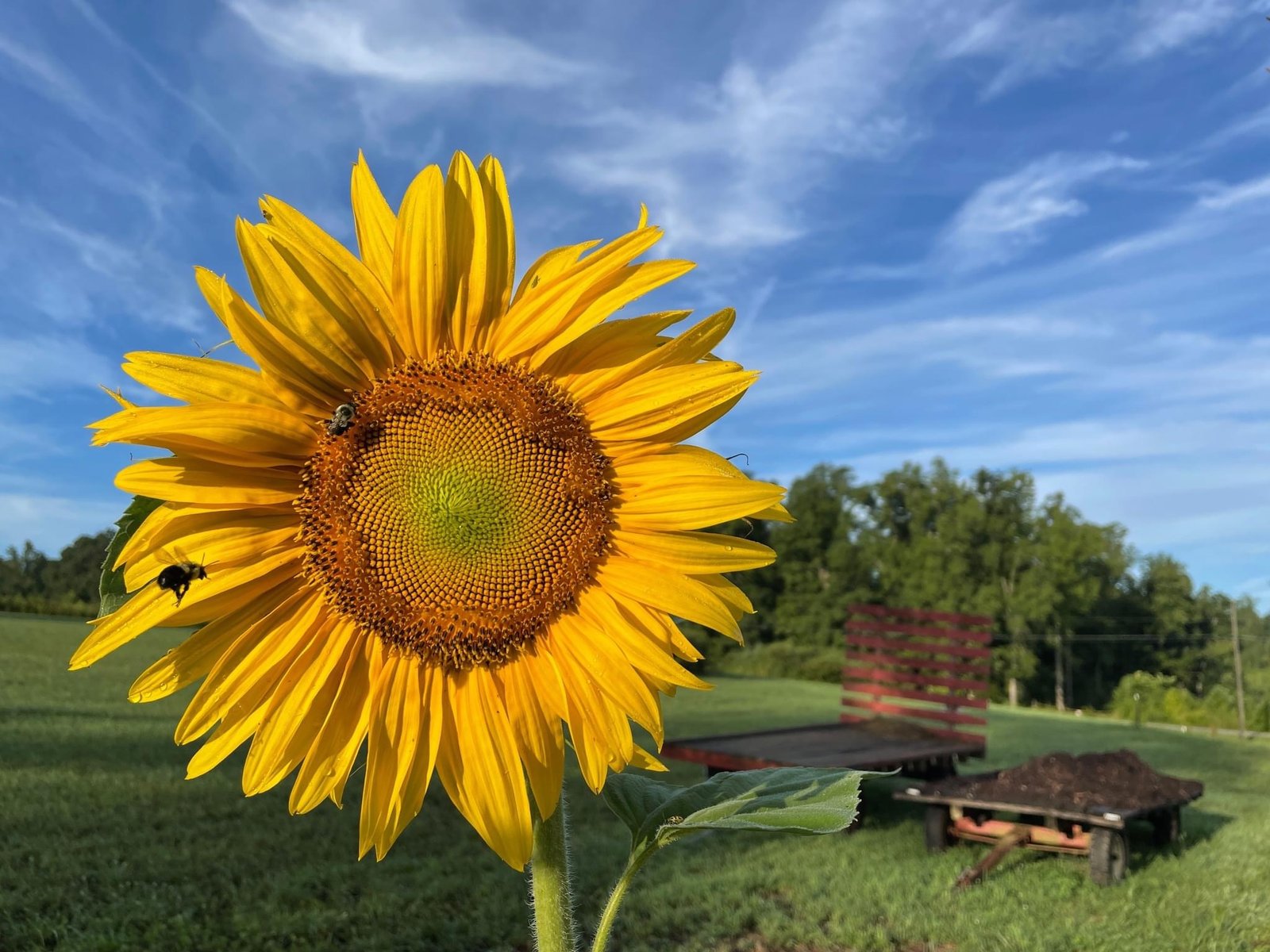
    In the house, we replaced the joists and floor in the dining room – all the way down to the 1870s timbers. Brendan and the experts jacked up the house (!) and replaced the timbers, buttoned up the floor, and laid the new (old) floor- all in time for the great Chicken massacre of 2022.

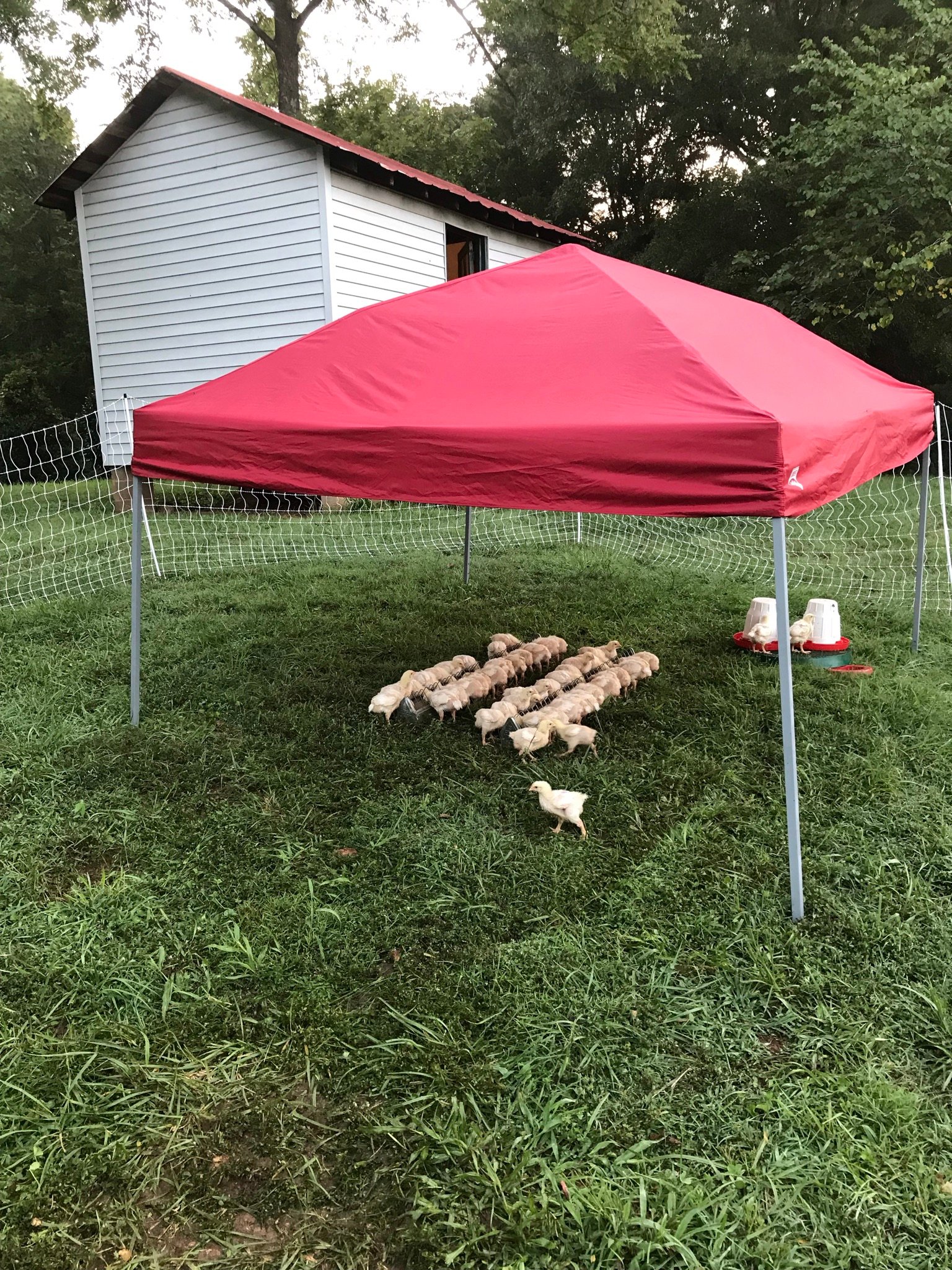
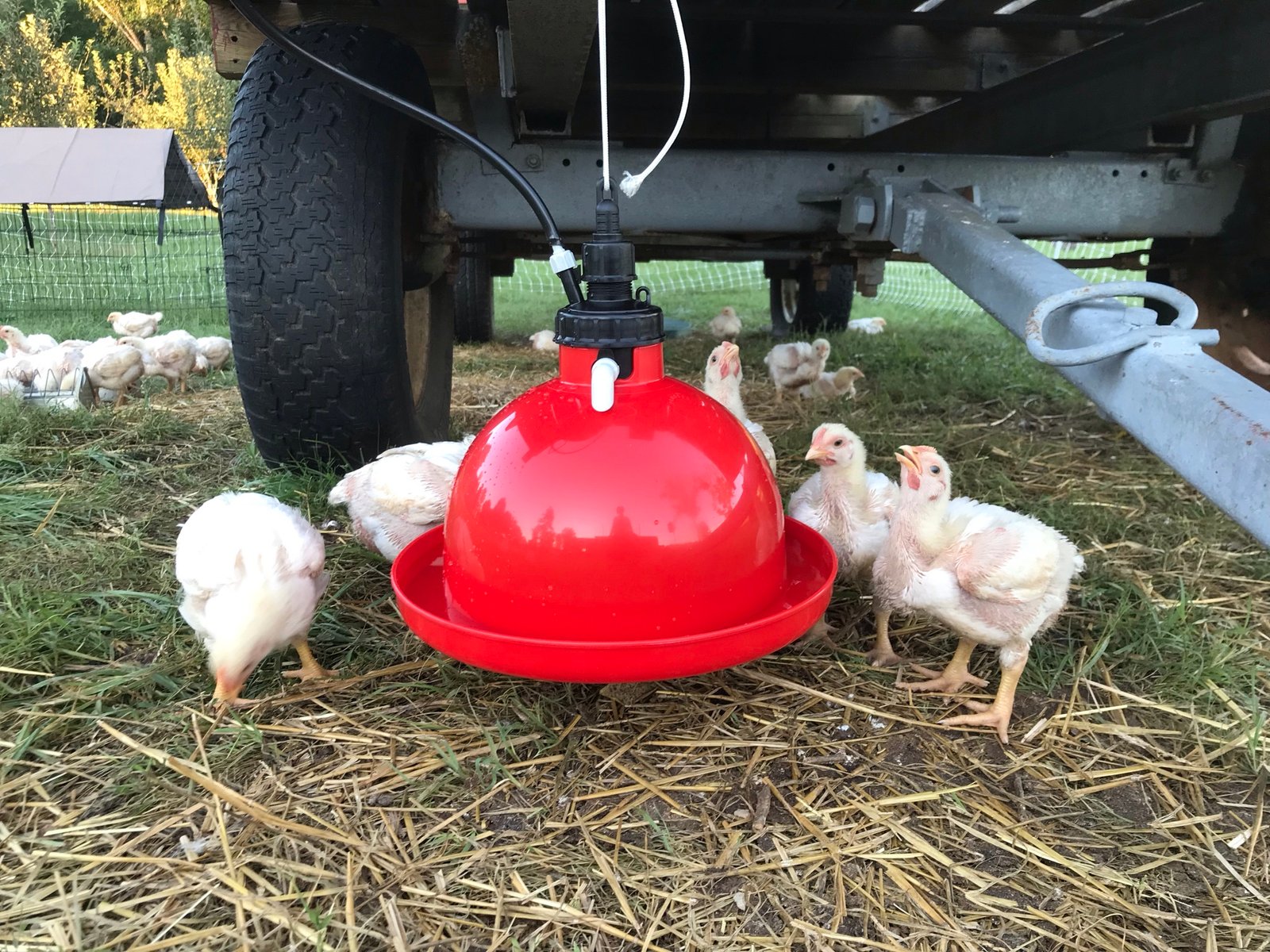
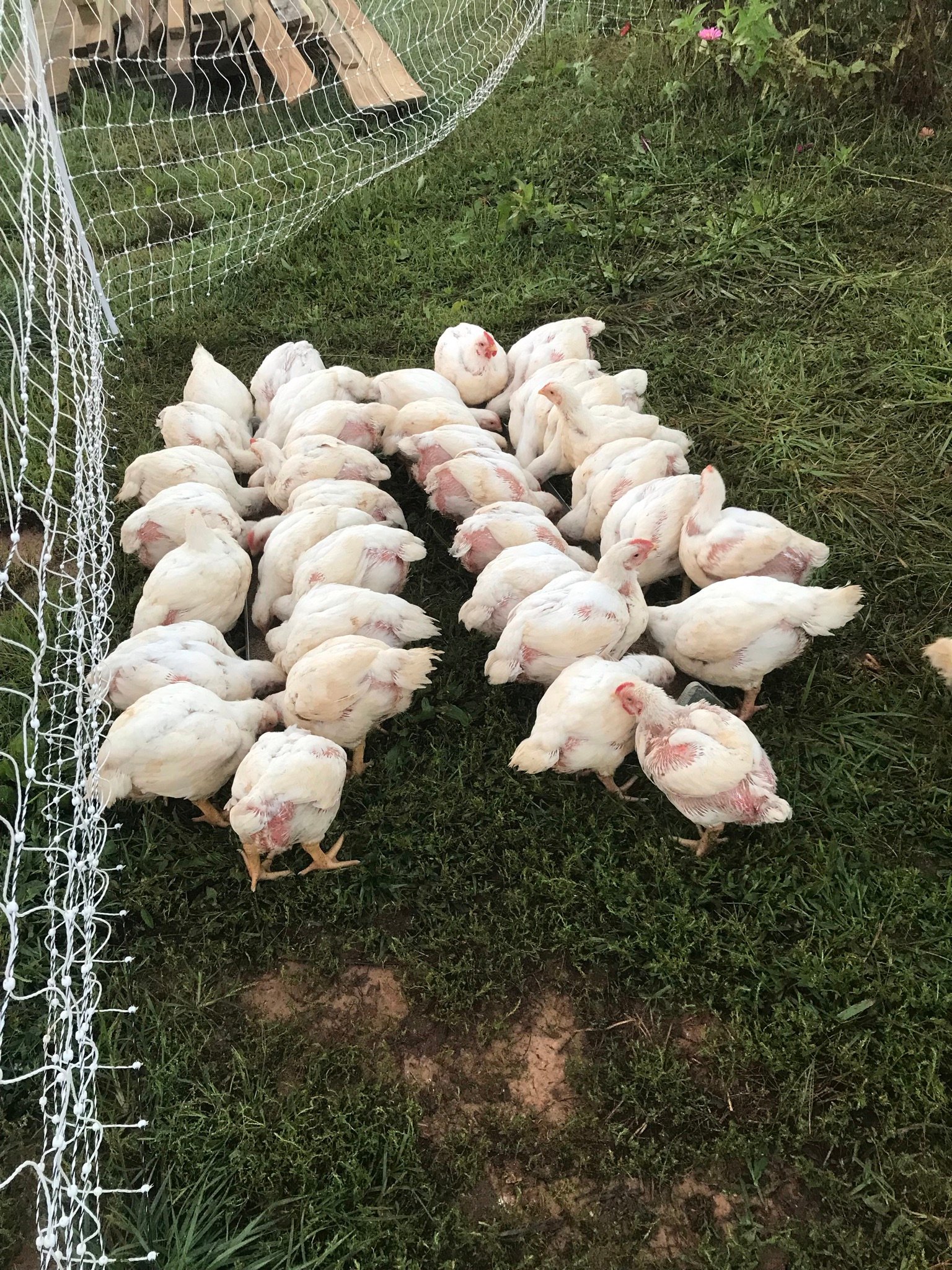
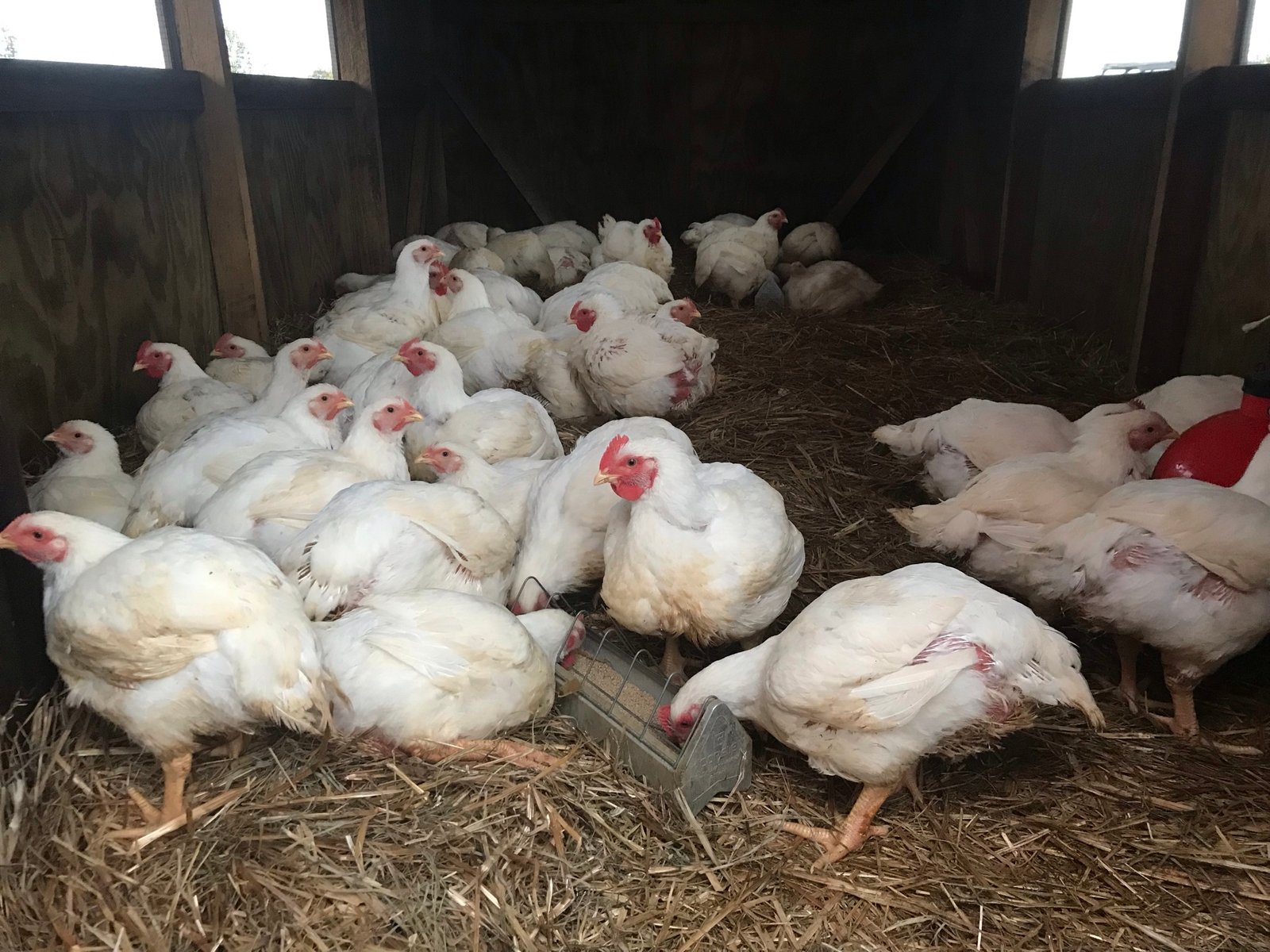
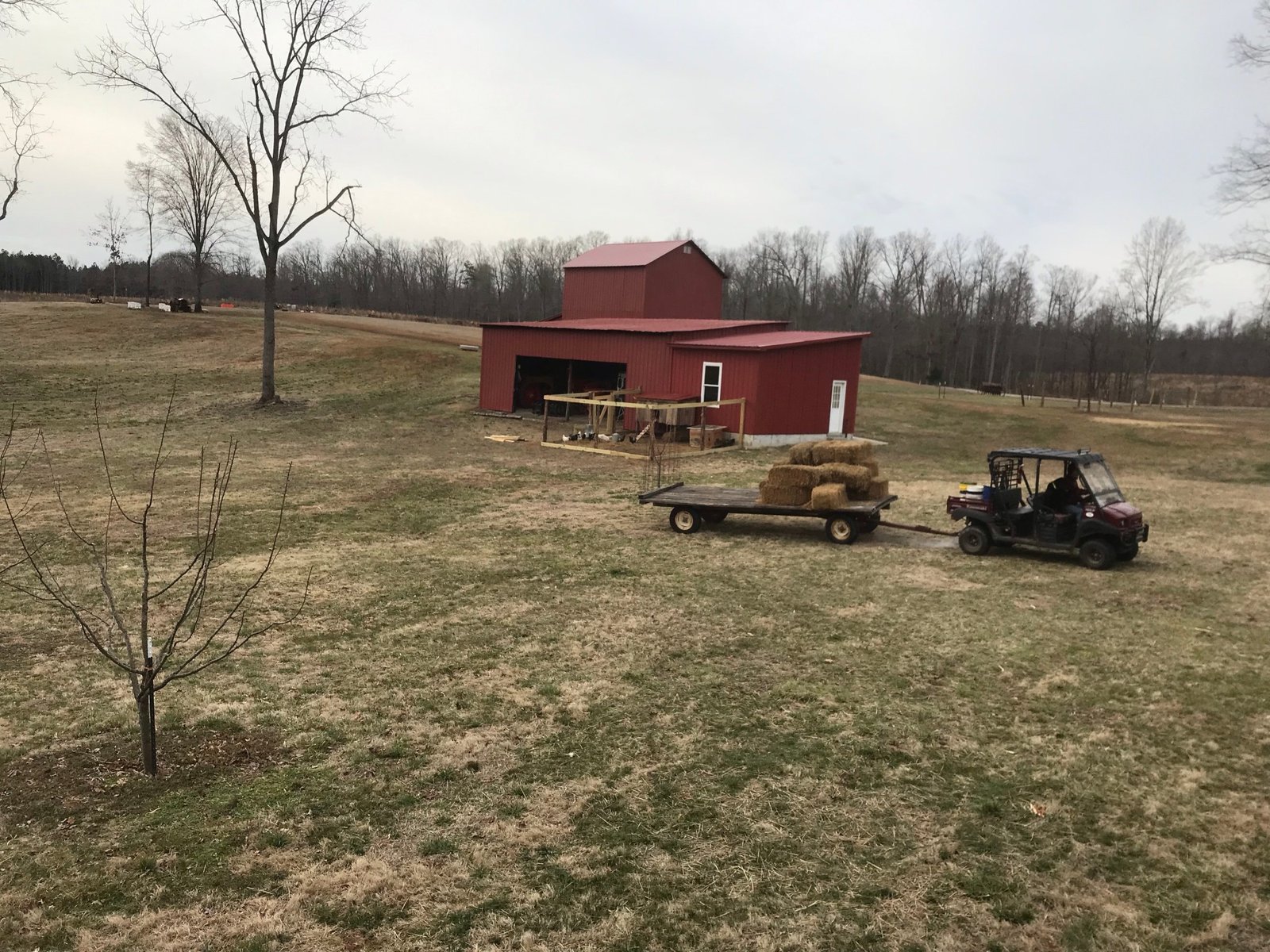
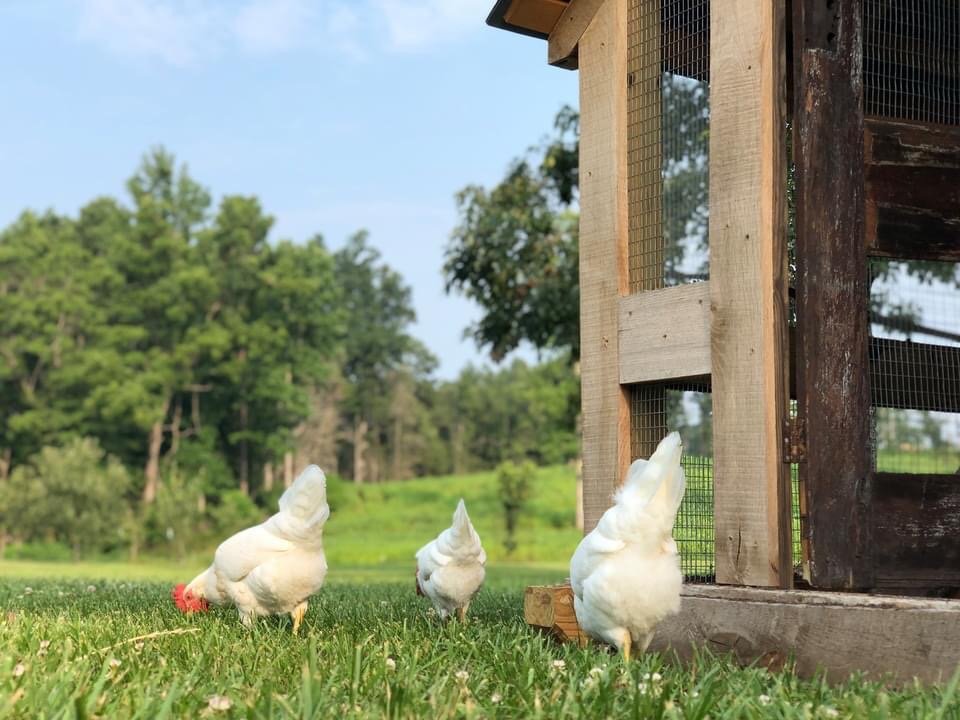
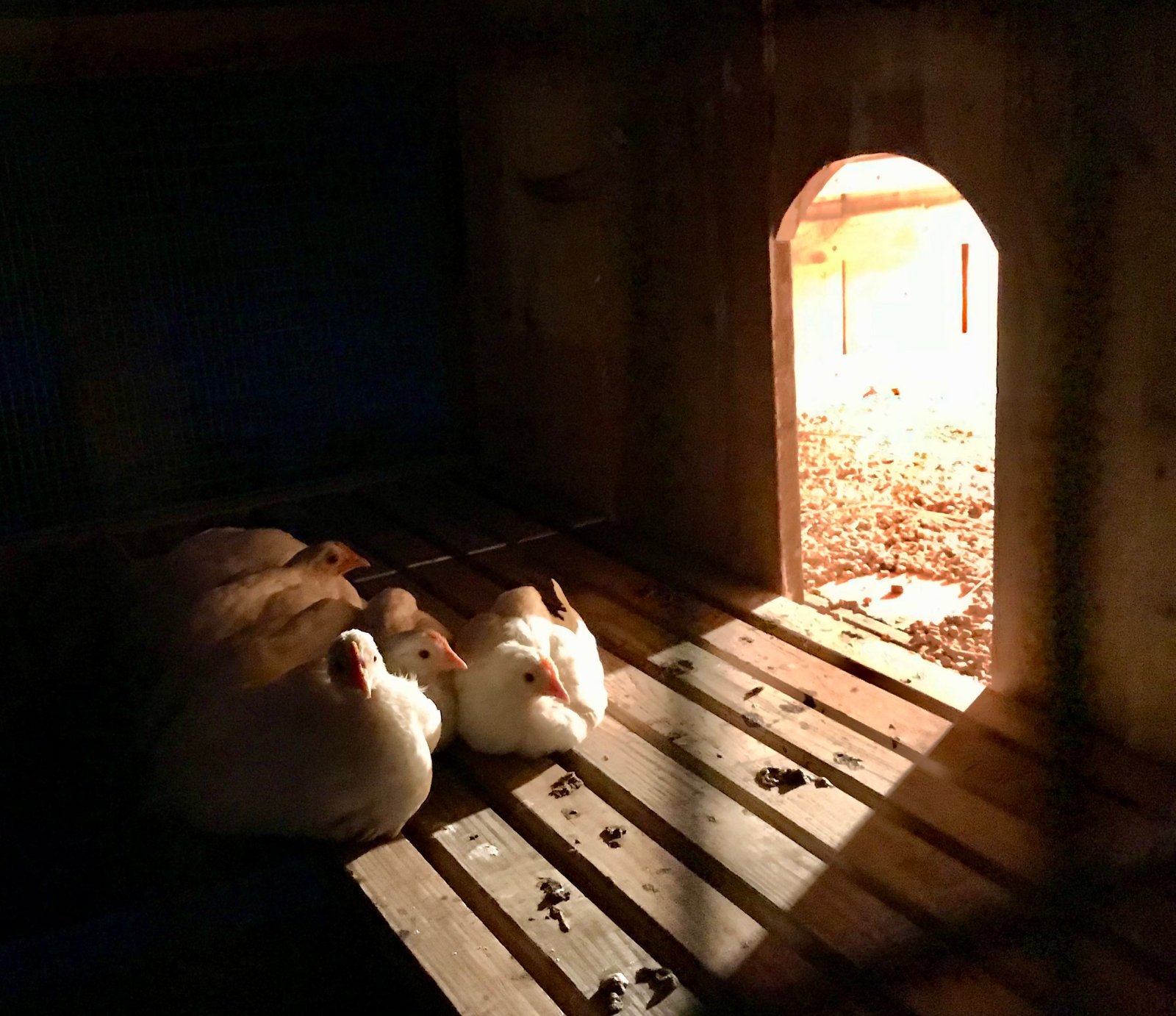
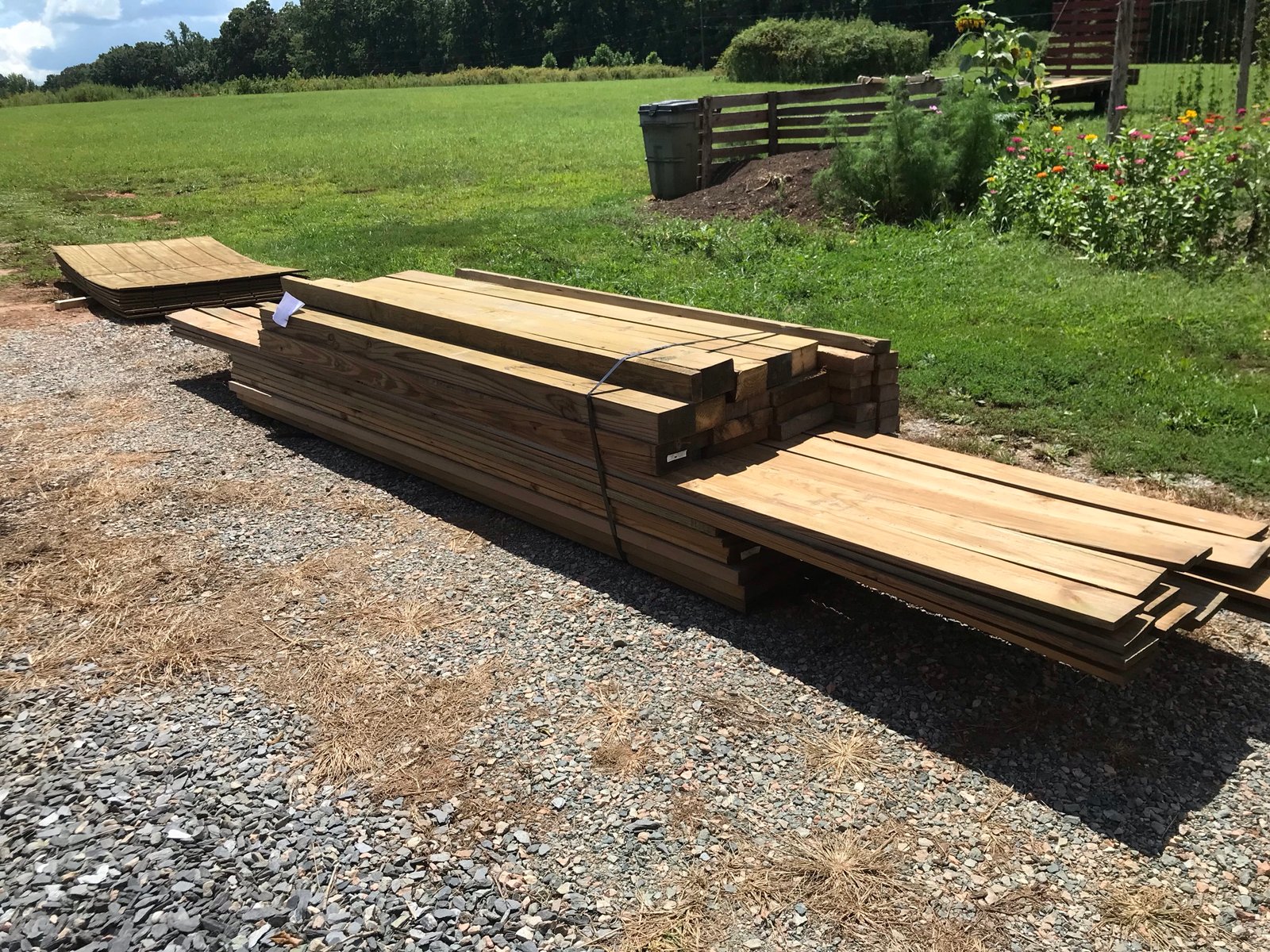
    In August and September, we raised 50 Jumbo Cornish Cross meat birds (purchased from Cackle Hatchery as part of their “Hungry Man Special”). We raised them in the brooder, transferred them outside at two weeks, and let them clean out our garden in September. We lost two adult birds – one of unknown causes and the second that was injured by a non-meat bird (we dispatched it a week early and grilled it on the BBQ). Getting into meat birds for the first time, we didn’t have a Salatin-style tractor. In lieu of the 12-x-12-foot movable box enclosure, we surrounded them with electric netting. When they were young, a pop-up tent worked for shelter during the day. As they grew older, we parked a hay wagon over them for shelter. We moved the fence as needed- every week or so. The last two days, we moved them to the new (almost finished) egg-mobile and bedded them in deep straw. They were comfy, dry, and safe while we received over 2 inches of rain. It also made catching them on the big day a whole lot easier!

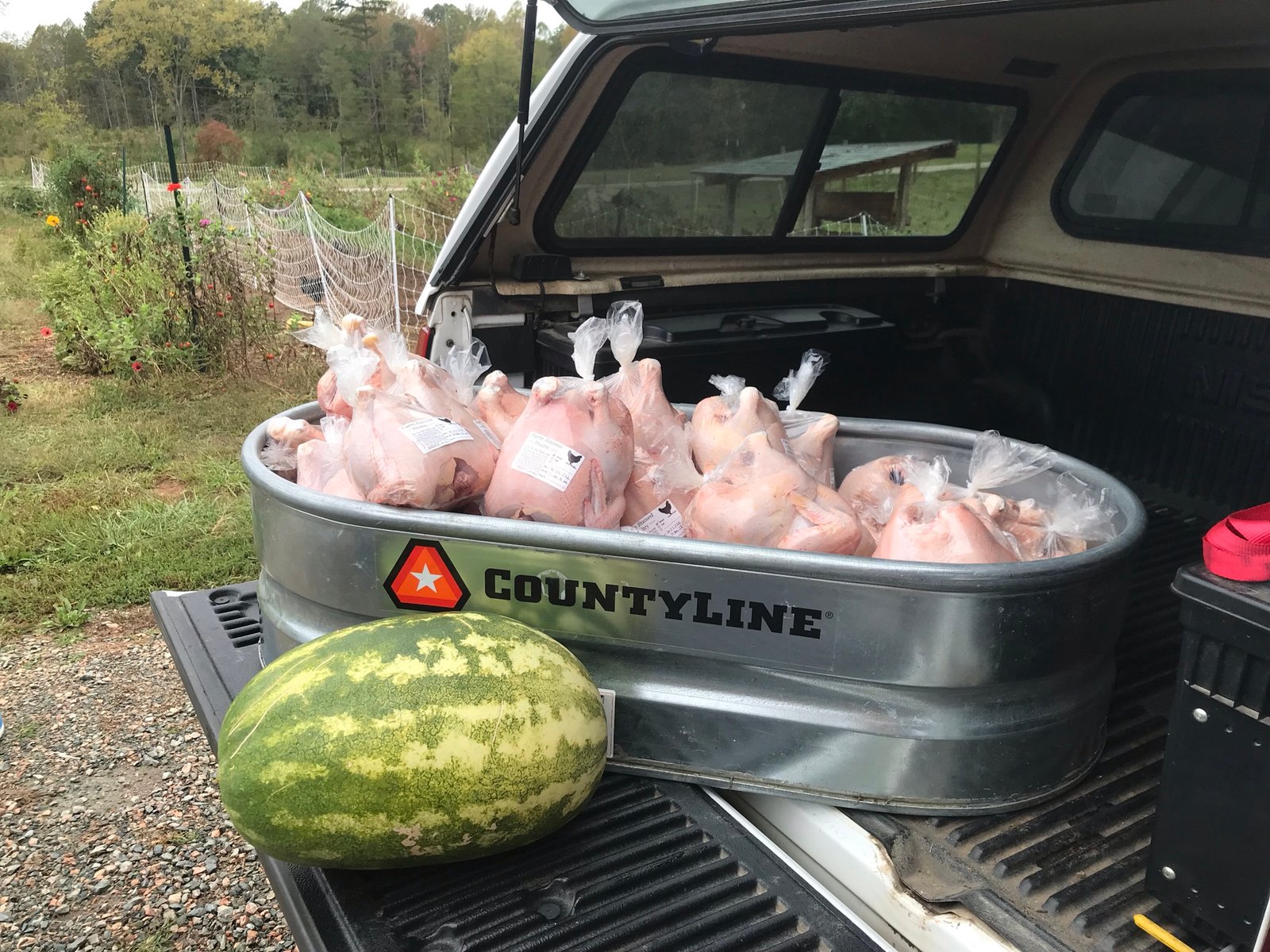
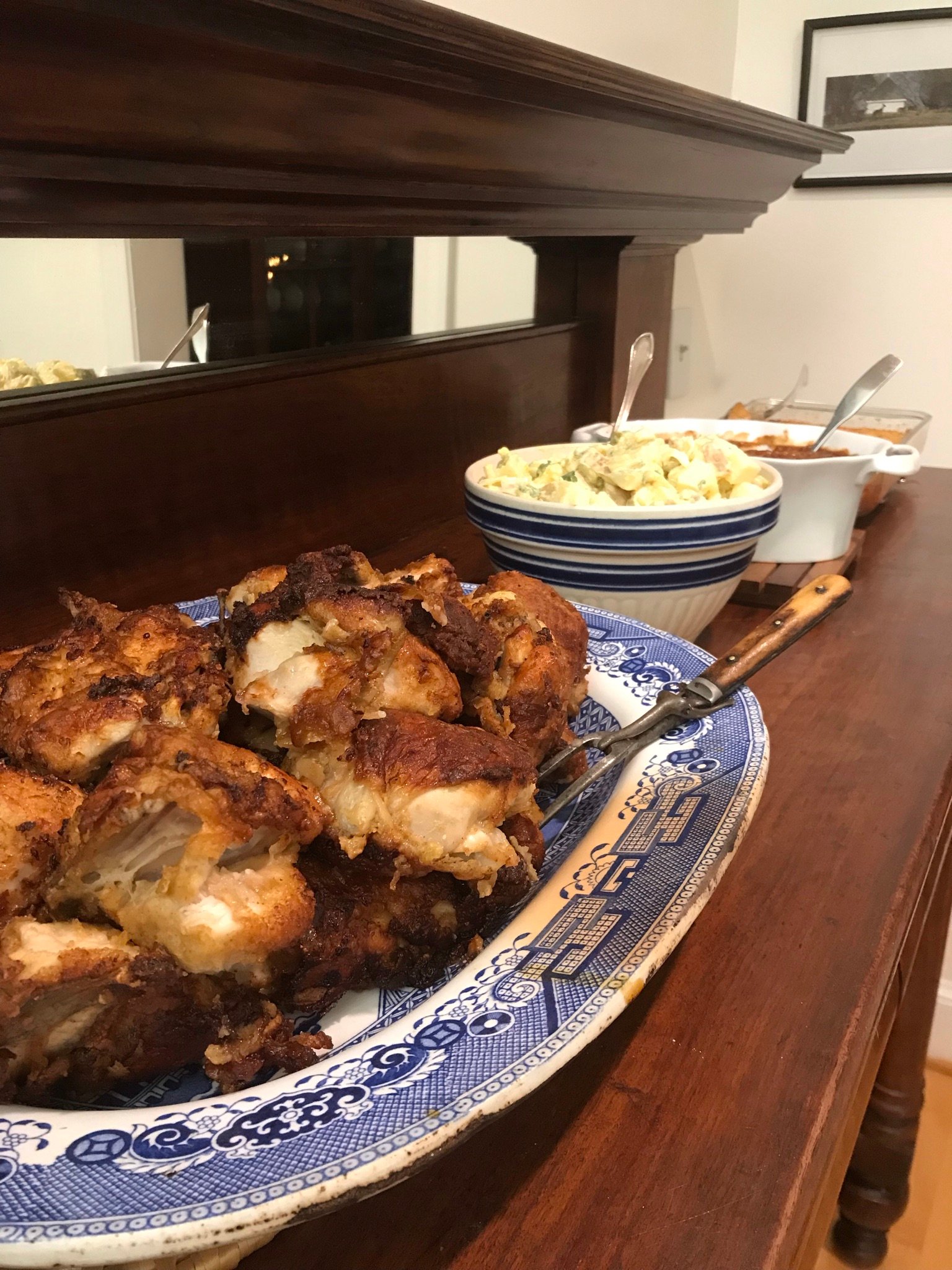
    All told, they ate a whopping 850# of feed and grew into beautiful birds over 53 days. With sincere and humble thanks we processed them with friends and family on October 1, 2022. The average live weight was just over 7 lbs and the carcass (freezer) weight was 5.3 lbs. I’m pretty impressed at the overall growth and stamina of these guys and girls (28 male and 22 female). At the end of an honest day’s work, we pulled out the harvest table in our recently refloored dining room and celebrated with fried chicken and homemade sides and pies.
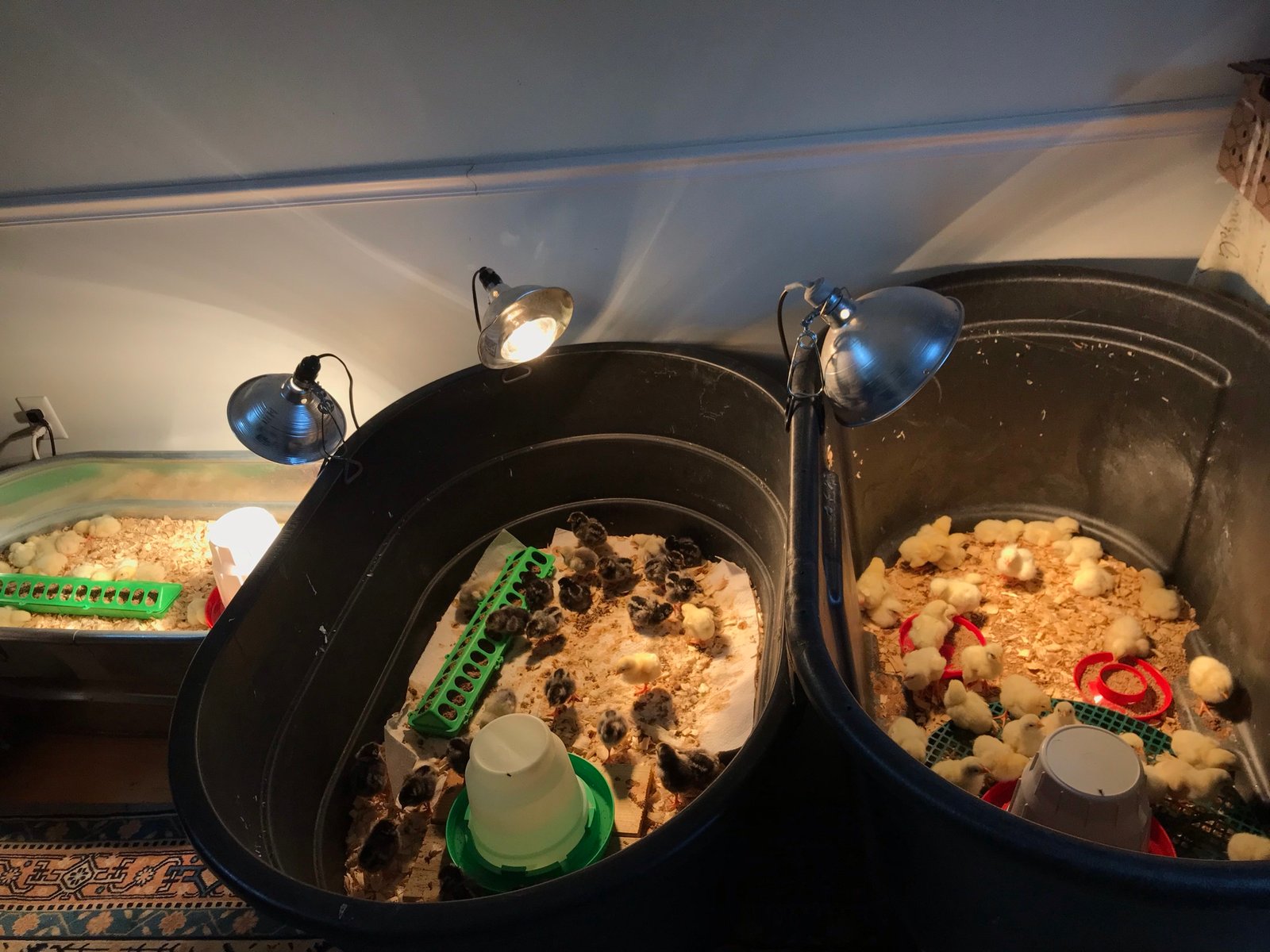
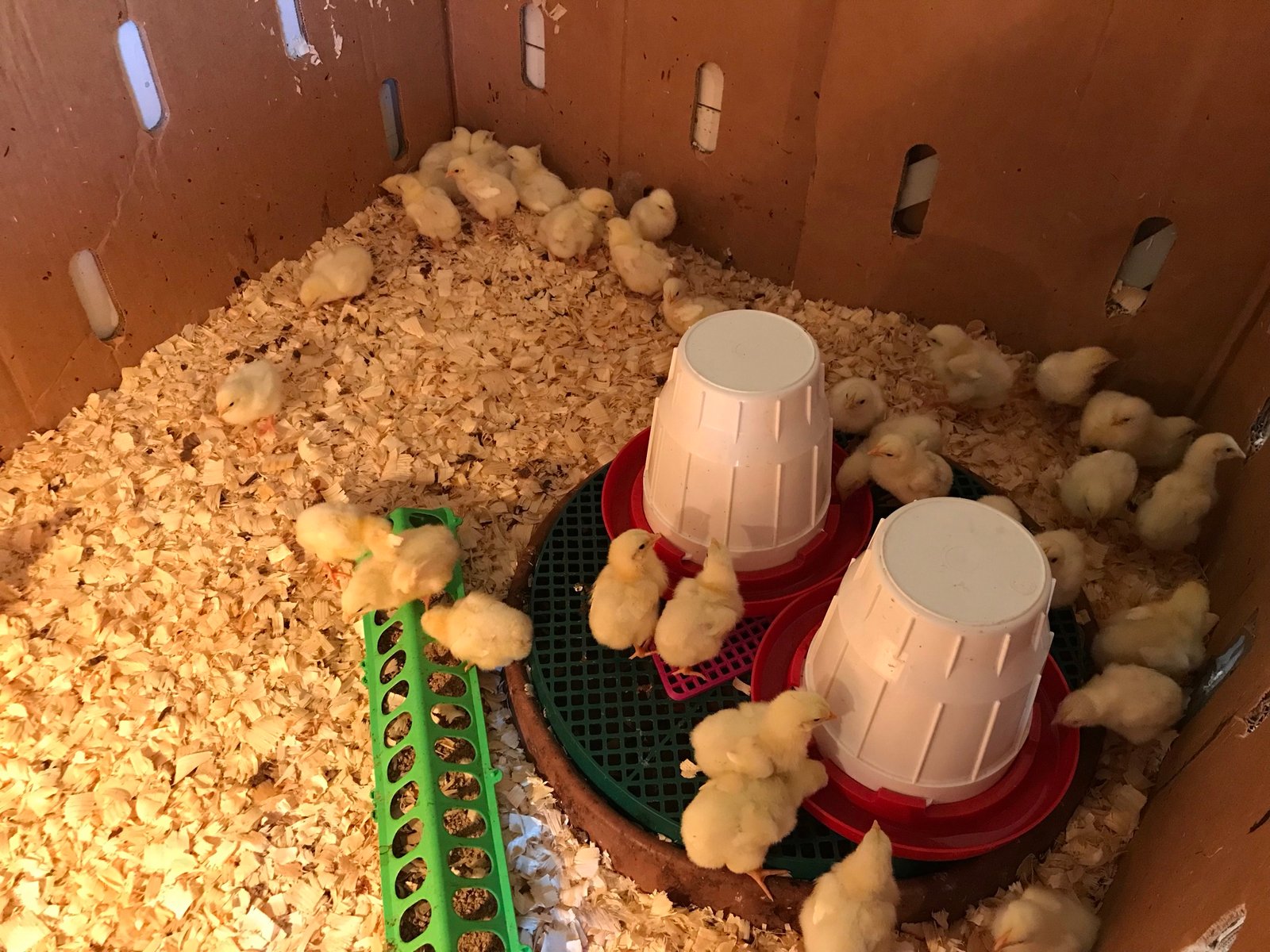
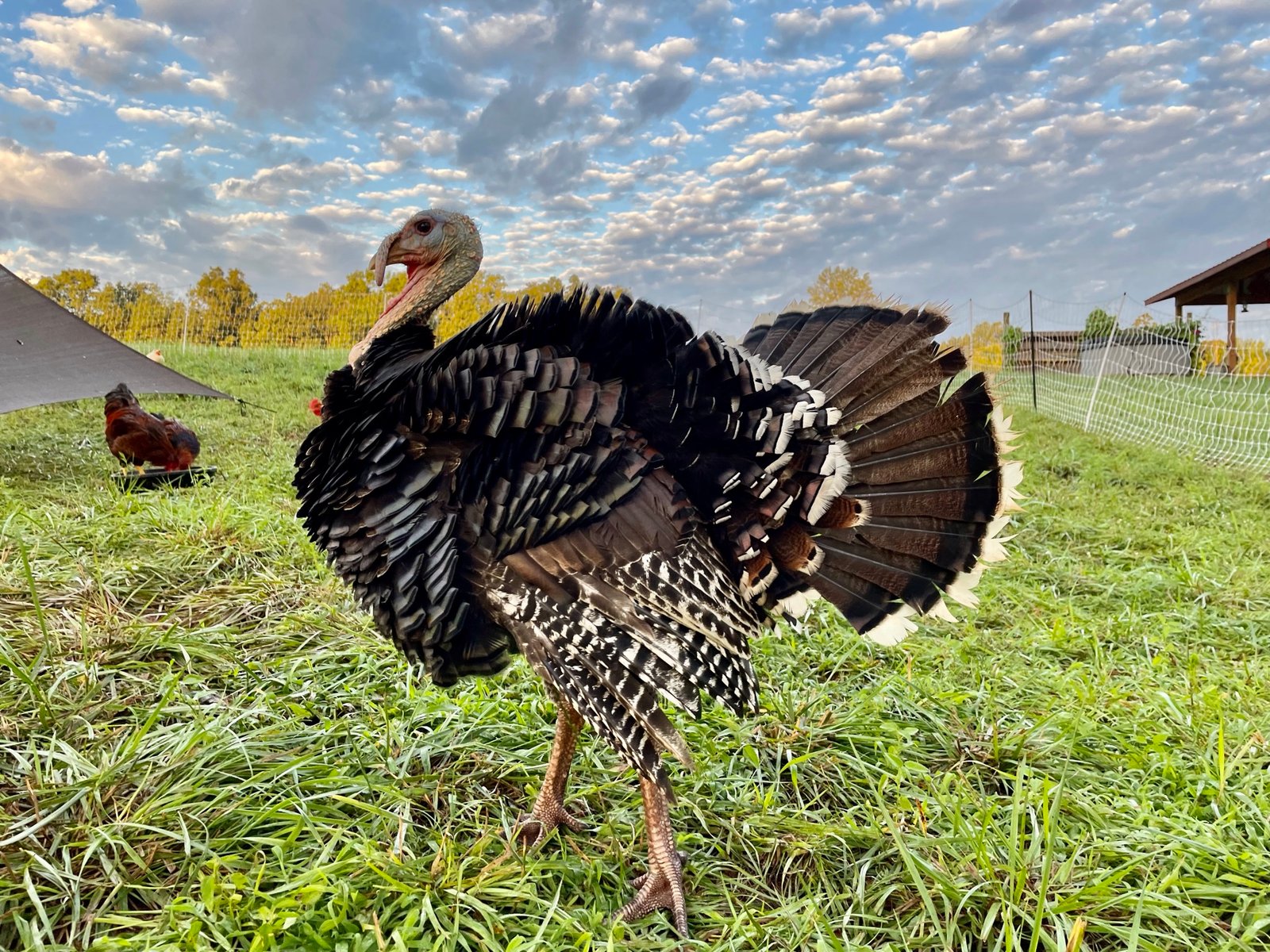
    Our four broad breasted Turkeys have embraced life on the farm. They are now mature and will steadily put on mass before their dinner date for Thanksgiving and Christmas. They’re currently enjoying a mix of scratch and 21% feed.

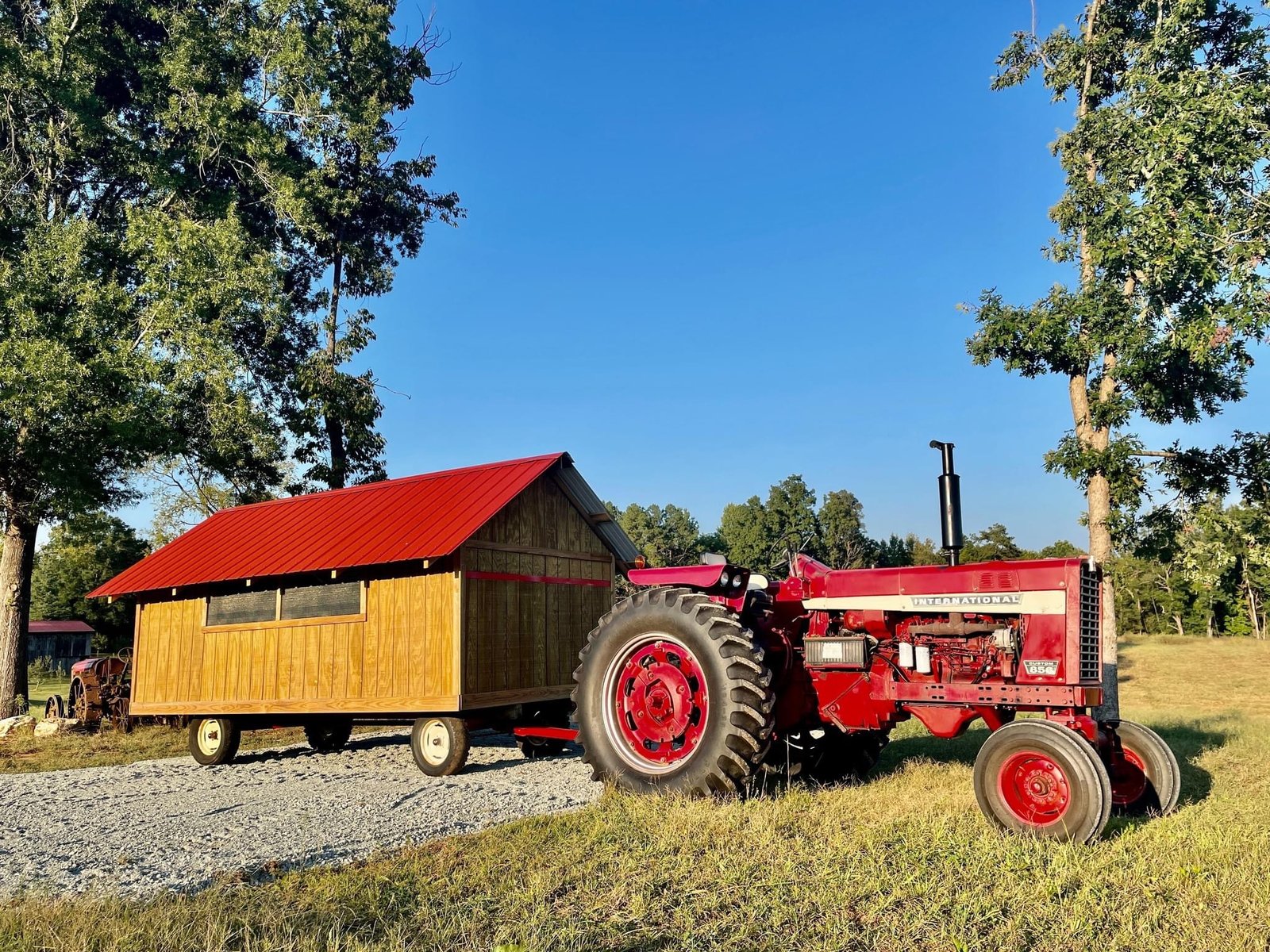
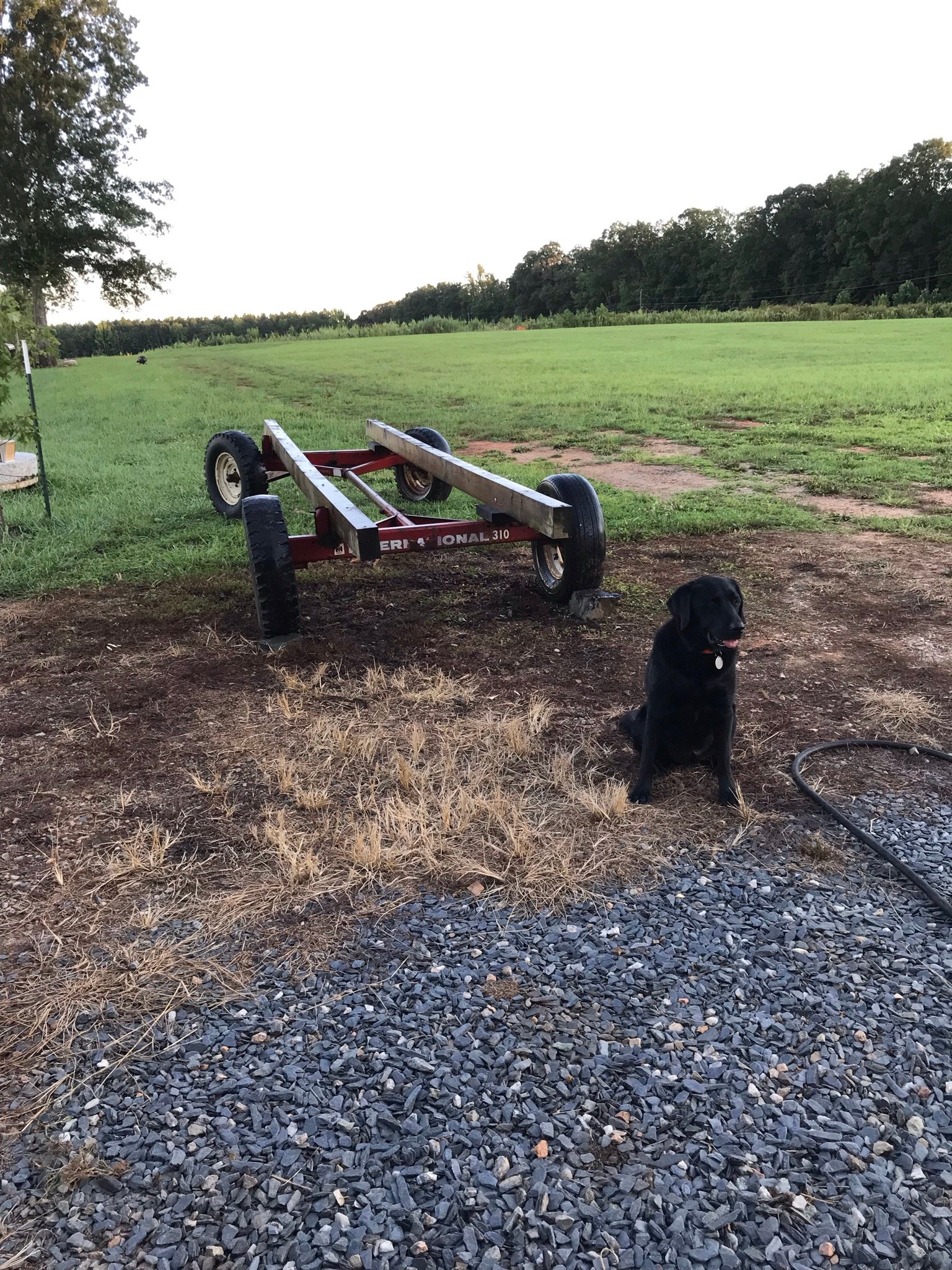
    In early August, Brendan purchased a 1969 International Harvester and Big Red is now the largest tractor on the farm. Looks great next to the new Egg-mobile!
    With trial and error, I’ve learned that all bulk feed is not created equally. This summer, we experimented with buying feed by the barrel from a distributer near Petersburg. After about a month we noticed a marked slowdown in egg production and stalled growth in the pullets. Lesson learned!

    We’ve invested in an antique feed mill made by John Deer (belt-driven), a 1000# of corn, a barrel of wheat middlings, soybean meal, poultry vitamin premix, and diatomaceous earth to try our own recipe. No worries, our ladies will have plenty of free-choice commercial feed while we figure it out. Once we do, we’ll be ready to start selling our surplus eggs – $5 per dozen in Richmond (there’s a discount if you’re local!).

    At the beginning of October, we had the pleasure of watching the farm on TV. Last year, the Food Network filmed Season 3 of Outrageous Pumpkins at Glendale (just good ‘ol fun). It was pretty neat to see the farm gussied up and swarming with people.
  • March and April (Spring) 2022

    March and April (Spring) 2022

    “It is (still) wonderful how much may be done if we are always doing.”

    Thomas Jefferson

    March marked the one year anniversary of these monthly blogs. I thought it would be nice to do a little progress check and see how far we’ve come in a year including land-clearing (establishing pasture), chickens (and chicken math), bees, apple trees, and the garden – among other things.

    Land-clearing continues with the excavator and Buttercup, our D-6. At last count we had stumped about nine acres. Three have been drilled with a pasture mix (20 lbs/acre), limed (6 tons per acre applied over two years), tested, and fertilized (a mix of 40-130-40). It’s been a process but we have goals to build a shelter and fences this fall and bring Gus home sometime next Spring (maybe for our mutual birthday, lol).

    After two years of trying, we had our first show of tulips. They benefited from about 100 lbs of horse manure applied last fall and some gypsum to amend the soil. Progress!

    Drilled lines of new pasture!

    In the garden we learned from last year that planting potatoes can wait until the ground warm up and sure enough, we had success!

    This year brewing has taken a back seat to the birds and the bees. One year in, we have 84 chickens and 4 broad breasted bronze turkey poults. The chicken infrastructure includes an ad-hoc brooder house with pumpkin boxes and chicken wire (formerly the grannery), the hen house constructed last year for our laying ladies (currently there are 8), and a 200 square foot grow-out pen attached to the back of the machinery barn.

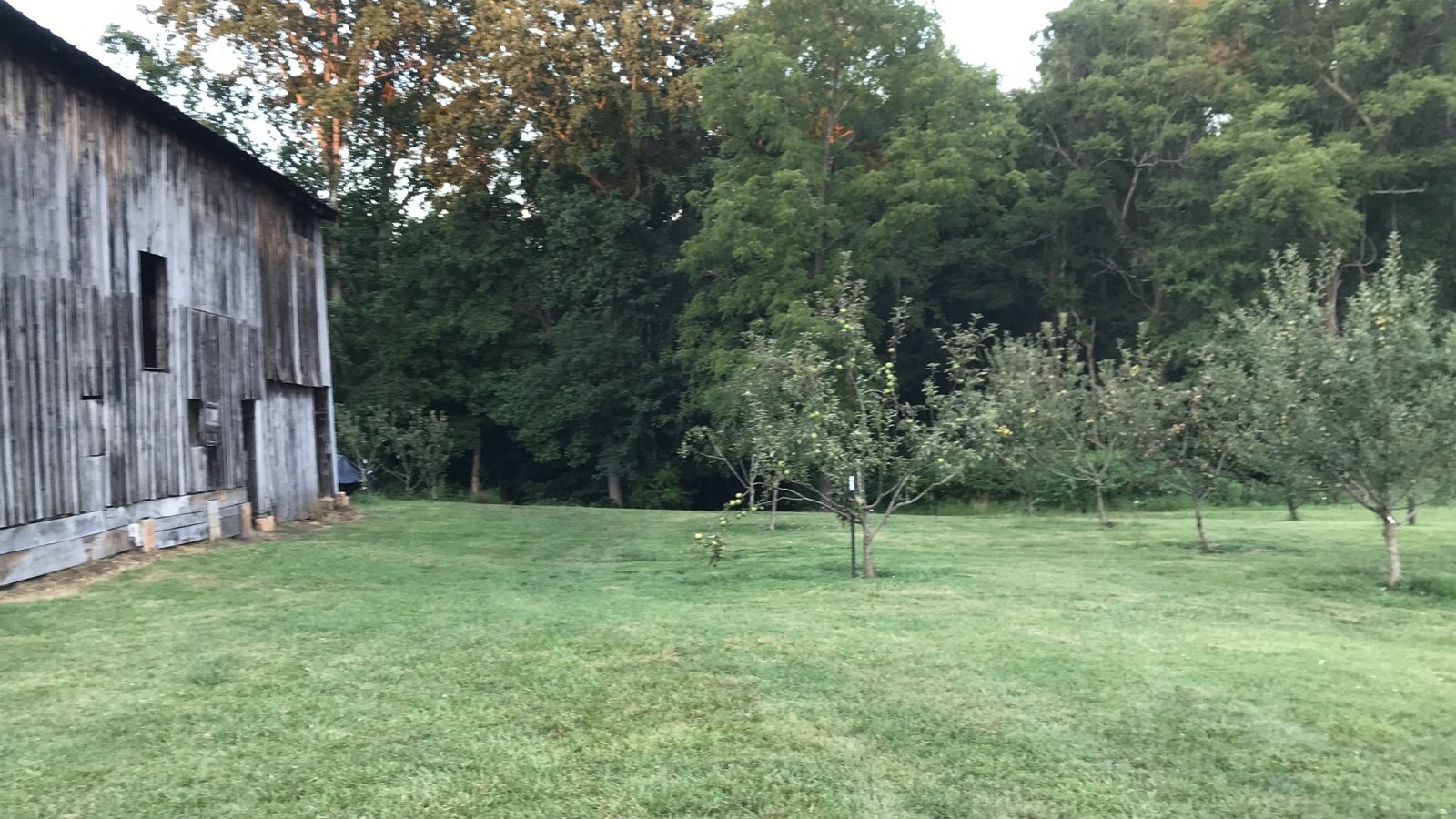
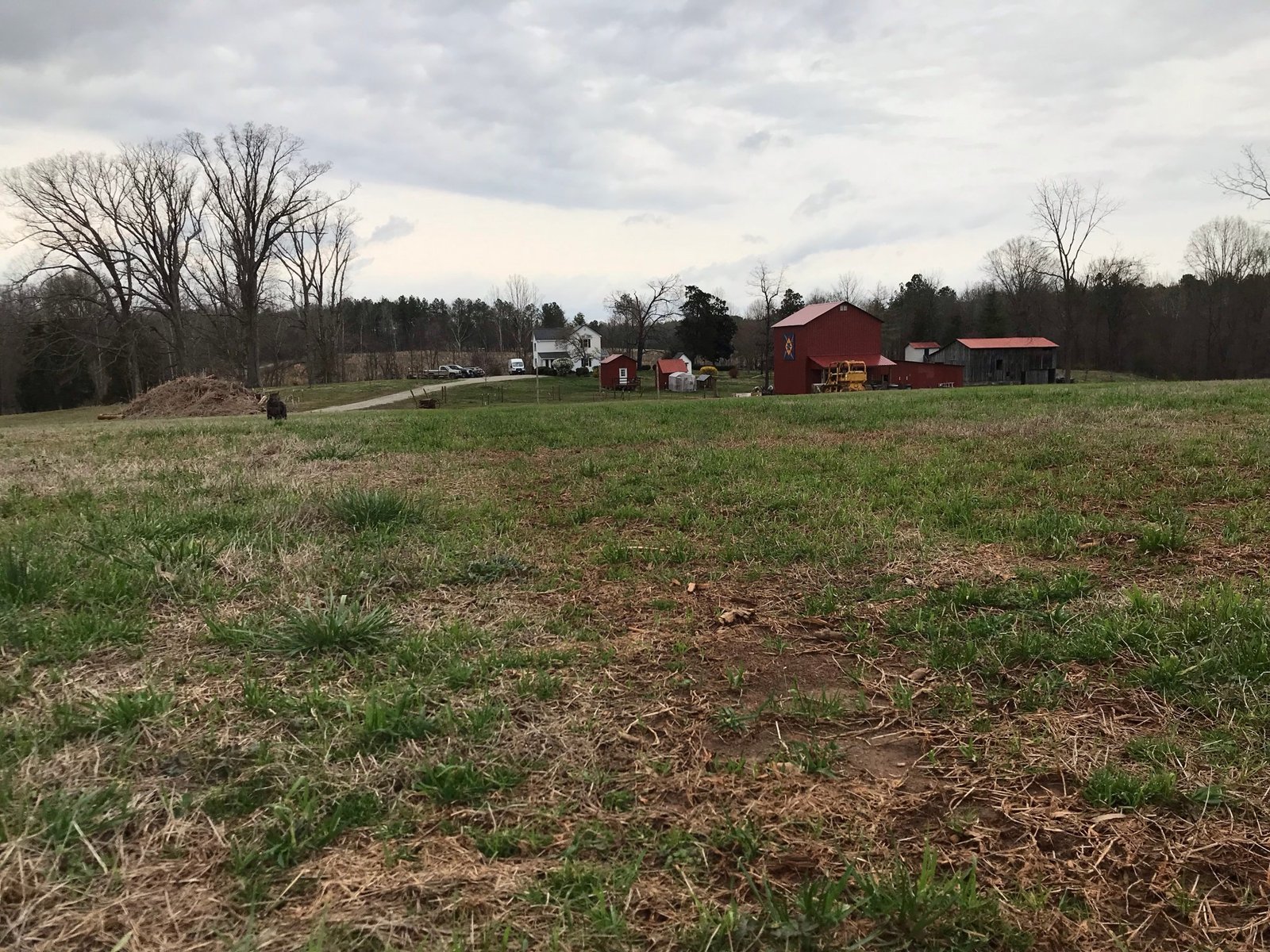
    March 2022, view from the apple orchard towards the new grow-out pen.

    Out of the eight hives we inherited last fall, two overwintered and both swarmed in early April. Thanks to good advice, we managed to catch the first swarm on the chimney ruins and set up a cedar tree as bait. From April 4 through the 20th, we caught another four hives. We have A LOT to learn about bees!

    Early Spring and one of the overwintered hives.

    The current state (at the beginning of May 2022) is seven hives, many of which are in need of repair or replacement. Five are small or weak and we’re working to keep them growing and healthy. Brendan ordered mite treatment and in April we took a trip to Scottsville Supply to buy new boxes (12).

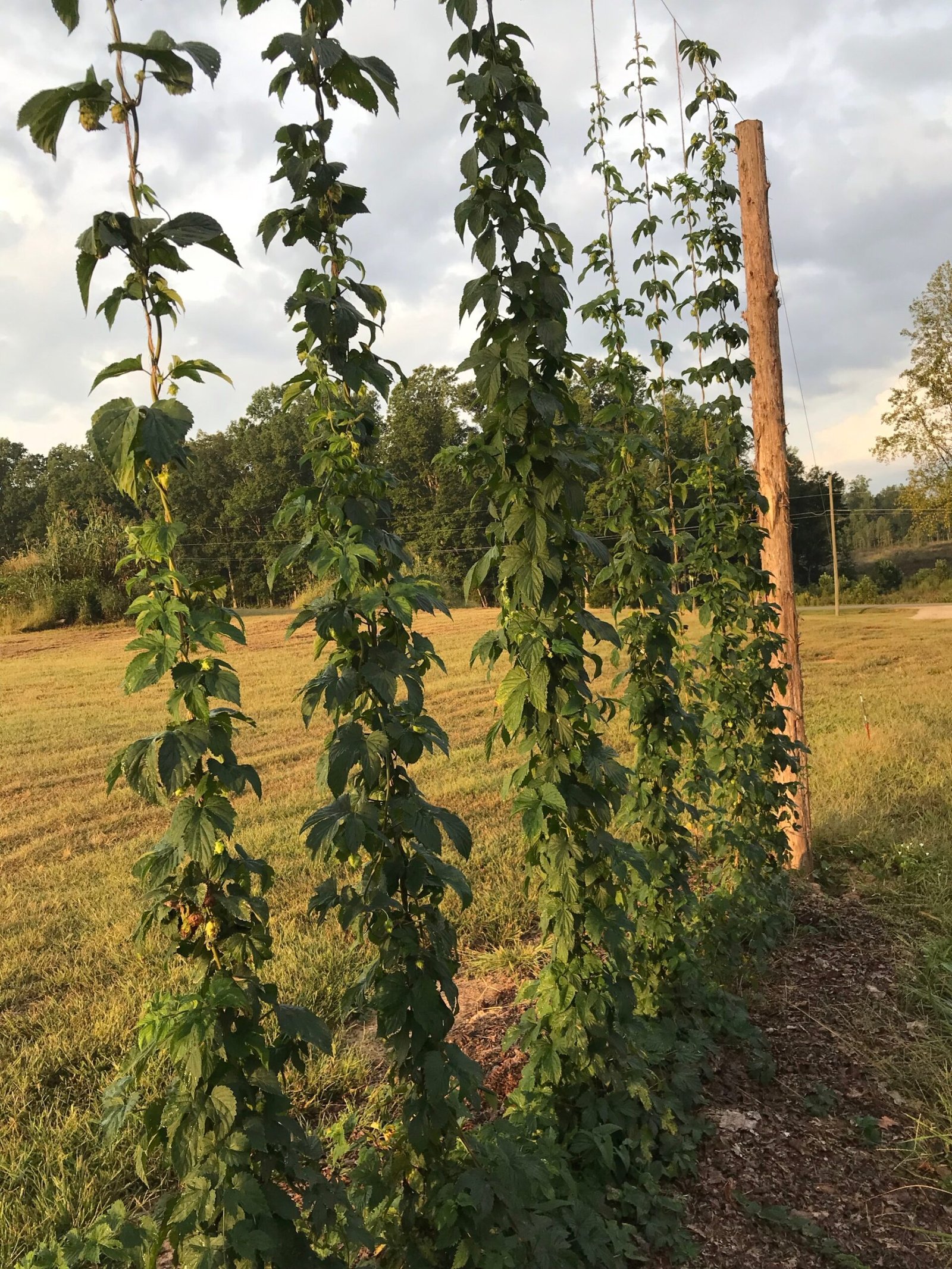
    In the garden, the permaculture area is now a year old. We have erected high tensile trellises for blackberries and grapes and last year’s grapes are beginning to grow. The centennial hops are growing vigorously and the Goldings are well, if a little behind.

    For Easter, Coral and the Grouts came to visit. We planted potatoes and hatched a new set of 16 baby chicks.

  • February 2022

    February 2022

    In memory of T. Patrick Burke, 6/6/1926 – 2/3/2022. We not be here if it weren’t for Brendan’s dad. In 1994, he encouraged Brendan’s mom Helen to move back to her family home, sell their house in Richmond, and invest in a future at Glendale in the country. The farm was not in bad shape but was in sore need of time and money. Over the next 25 years, Pat planted trees and drifts of daffodils, peonies and iris. He made the old yard a gardener’s delight. The work we do now is in his memory and spirit, a constant effort to steward what is old for what is new.

    BURKE, Thomas Patrick, Jr., was born June 6, 1926, in the Oregon Hill neighborhood of Richmond, Virginia to Thomas P. Burke Sr. and Virgie Vernell Burke. His early memories of the neighborhood and a Richmond from long ago included attending Grace Arents School, riding the streetcar through the city and ice deliveries by horse and wagon. After graduating from John Marshall High School in 1943, he attended William & Mary and was drafted into the U.S. Navy in 1944.

    Pat’s memories of WWII service were well-documented and spanned nearly the entire Pacific basin. As quartermaster, he steered his ship, the U.S.S. Ascella, before learning to drive a Jeep in Shangai during the winter of 1944 to 1945. His experiences abroad, from New Caledonia to the Ulithi Atoll, and from Mog Mog to Okinawa formed him into a world traveler. After the war, Pat returned to William & Mary, where he finished his undergraduate degree; William and Mary was dear to his heart throughout life. His next degree was a master’s from the University of Virginia.

    In the 1950s, Pat started his career teaching at Dinwiddie High School, where he made lifelong friends. Subsequently, he was recruited to work for the Virginia Department Education as Supervisor of History, Government and Geography. Wedded to the classroom, however, he returned to teaching at Longwood College as a professor in the history department. After 11 years at Longwood, Pat joined the faculty of the newly founded Richmond Community High School in Richmond to help it develop into one of the best alternative high schools in the country, a job of which he was most proud. Pat’s time in the classroom was more than a job or career. It was a devotion to students and a fervent love for teaching. This was evident in many ways but especially through the words of his former students. Many of them continued their association throughout his retirement, even as recently as this past month.

    Pat’s love of education made him the eternal learner/student, and as a scholar on sabbatical to Trinity College Dublin during the mid-1970s, his interests focused on the Irish rebellion. During his stay in Ireland, he travelled the country and ended by building a house in County Kerry, where his family would spend many happy summers. He was a founding member of the Irish-American Society of Greater Richmond and a participant in many other civic organizations. He was never satisfied to simply have enough; he wanted everyone to have enough and fought for that cause in the classroom, boardroom and living room.

    In 1979, Pat married Helen Warriner, the love of his life. She was a fellow educator and the two knew no bounds to celebrating life. They traveled a good portion of the world together. In 1994, the Burkes moved to Amelia County, his wife’s ancestral home, where he expanded his already sizeable passion for growing daffodils into a pursuit in landscape architecture. His daffodils not only bedecked the spring yard, but won awards in regional flower shows. Today, the garden, trees and plantings at Glendale reflect the love his hands put into the soil and a gift bestowed to future generations.

    Pat Burke loved life and anything that challenged the mind and helped people. He was never satisfied to simply have enough, he wanted everyone to have enough and he fought for that cause in the classroom, boardroom and living room.
    Thomas Patrick Burke Jr. loved life and his family. He is survived by his wife, Helen Warriner-Burke; his son, Patrick Brendan Burke and wife, Lillian Azevedo; and his nephews, Tommy and Clifton Hairfield. He was preceded in death by his sister, Edelle Mallory; and his brother, Joe Burke. Pat’s old dog, Abner lives on to beg others for treats.

    Brendan Burke

    There is a hole in the farm, a part of life as natural as birth itself is missing. Even so life goes on. In February, we spread 900 lbs of fertilizer and 17 tons of lime on the new pasture, pruned the apple trees, and worked to overhaul Buttercup, the bulldozer.

    We hatched our second set of Glendale Wyandottes, 9 silver laced chicks out of our rooster and three pullets (two silver laced and one gold laced from a farm swap last year). Brendan finished the chicken yard as our new flock of juveniles has swelled to 25, 17 of which are roosters. As dual purpose birds, we’ll move most of them on in late April. In the meantime, we’ll enjoy their antics and play.

  • November 2021

    November 2021

    “November comes and November goes, with the last red berries and the first white snow. With night coming early and dawn coming late, and ice in the bucket and frost by the gate.”

    Clyde Watson

    Outrageous Pumpkins, New Rooster, Eggs-in-the-bator, moving a runner stone, transitioning Gus to barefoot (again), farm sign renovation, and a straw and pumpkin fire sale.

    Turn Card Entertainment came back to produce a new series of Food Network’s Outrageous Pumpkins on the farm. Old faces and new friends joined us for the first half of the month, bedecking the farm in Hollywood-inspired pumpkin spice, sparkling lights, and the perfect fall spectacle. The weather held and the trees shed their leaves in glory, providing a charming backdrop for some of the world’s most talented pumpkin carvers.
    Chet and Ketch took a moment to share the spotlight (off-camera) and showcased their own prowess with the crew, with independent demonstrations on how to catch mice, rats, voles, and even a squirrel.

    During the filming, we introduced our newest cast member, a silver laced Wyandotte (SLW) rooster called Jubal Early. About a year old, Jubal is living up to his name, serenading us in the wee hours and guarding the flock with gentlemanly grace. His introduction to the ladies went surprisingly well. Kept in a crate by the hens overnight, we tossed him into the coop the following day. A few pecks later (nothing that left injury or drew blood) and the ladies we cooing and acting as though they’d lived their whole lives together. Remarkable considering the introduction of our 3 Wyandotte pullets this summer left the new ladies cowering and bullied for weeks. While there are a few pecks on their combs, I believe the advantages to having a rooster are worth it…

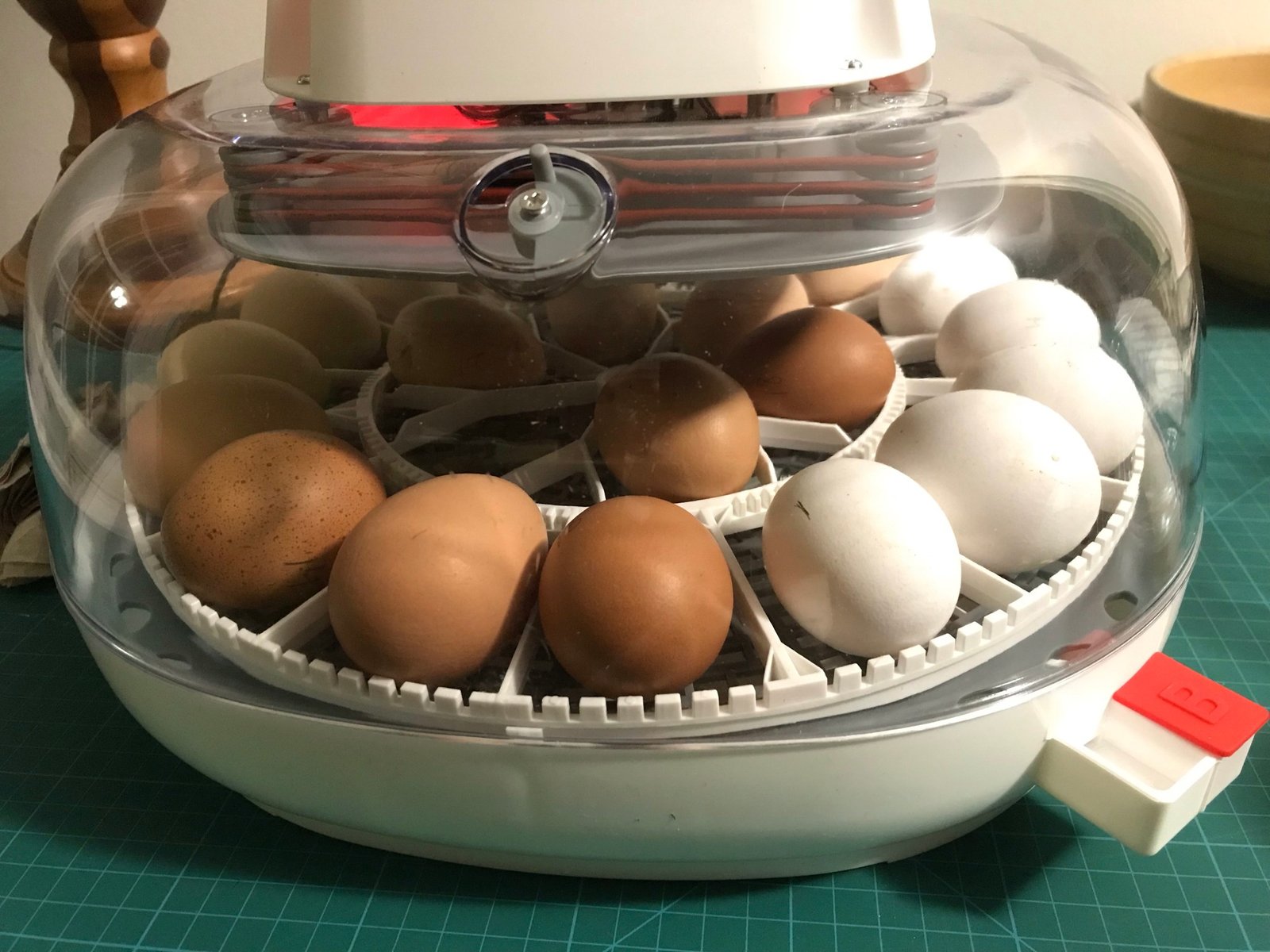
    Having noted that the ladies were now laying fertile eggs I seized the opportunity to become an internet expert on hatching chicks over the holidays. I purchased an incubator (https://www.mannapro.com/poultry/chicken-coop/nurture-right-360-egg-incubator,) gathered eggs for a few days, and placed 21 to set for a hatch date of December 15.

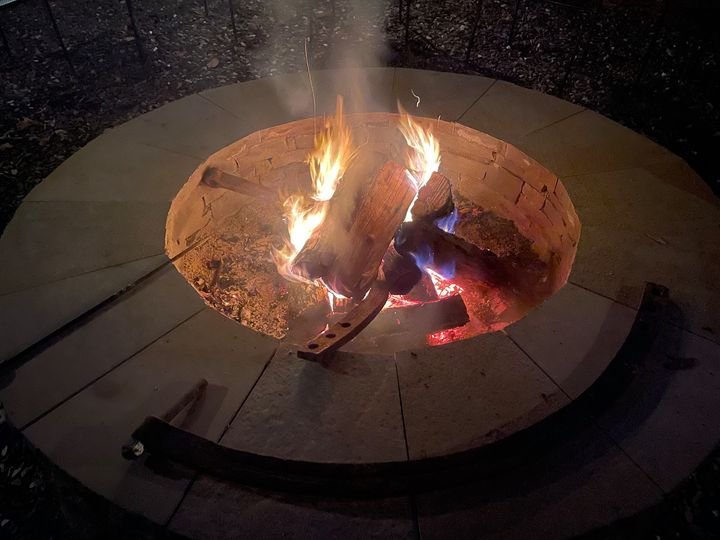
    Meanwhile, Brendan has been working to record pieces of the inland maritime landscape, including historic mills on rivers and waterways in Amelia County. Borrowing a mill stone crane from the Rowlett Mill, he worked to straighten it over the fire pit.

    Heating the crane to perform some rudimentary straightening.

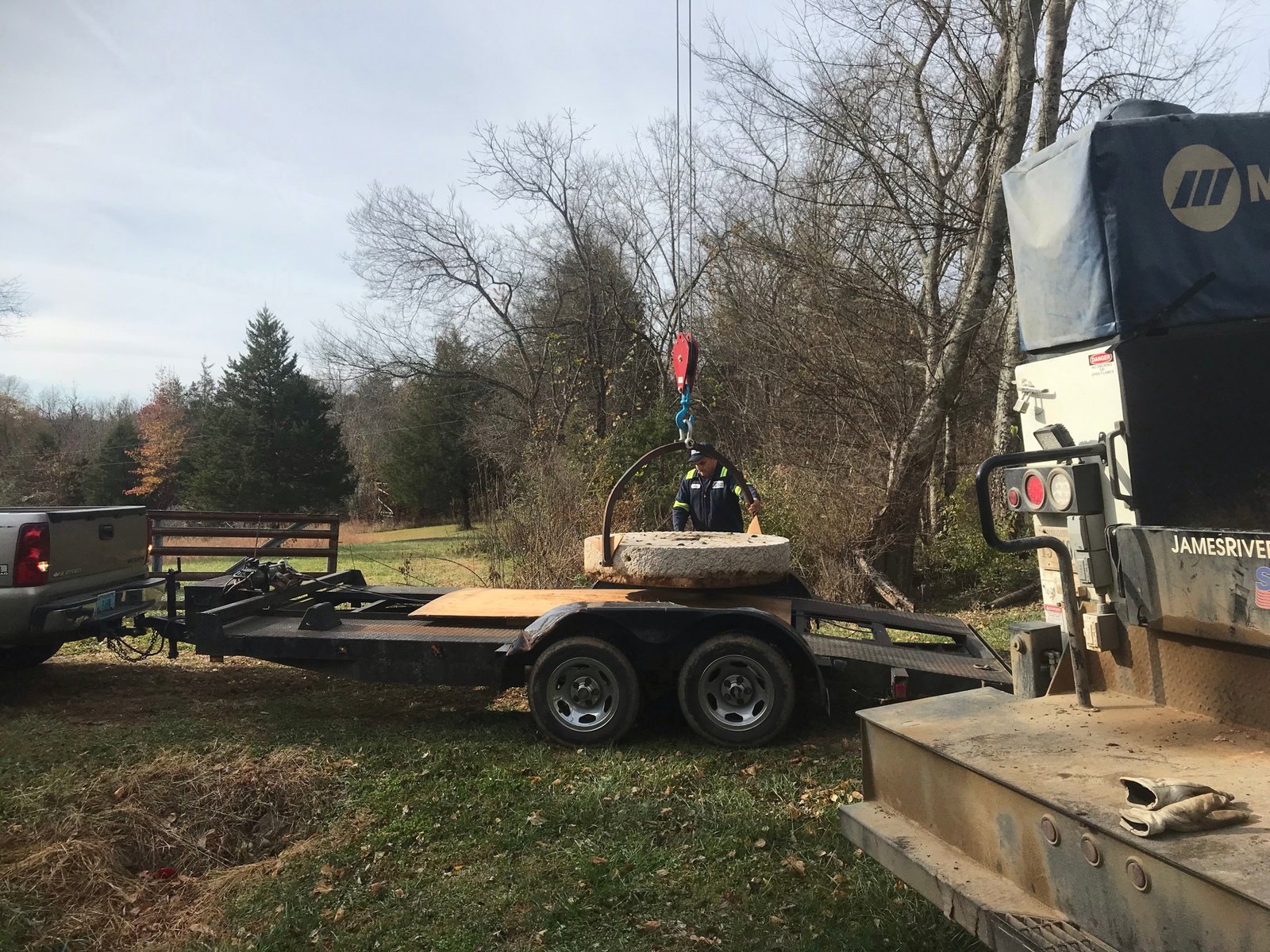
    With a good friend, a crane truck, and the blessing of the current mill’s owner, he relocated the runner stone from Clementon Mill- from the front yard of the mill house where it had rested in concrete for two generations to the back of trailer and hopefully one day soon to a public place where its history can be displayed and interpreted.

    Moving the runner stone by crane and truck.

    Back at Wigwam, our good farrier pulled Gus’ shoes after two months’ of pour-in Dr. Scholls (for horses). For the winter months he’ll enjoy some easy days and lots of treats while his tender toes adjust and his soles grow strong (at least that’s the idea!).

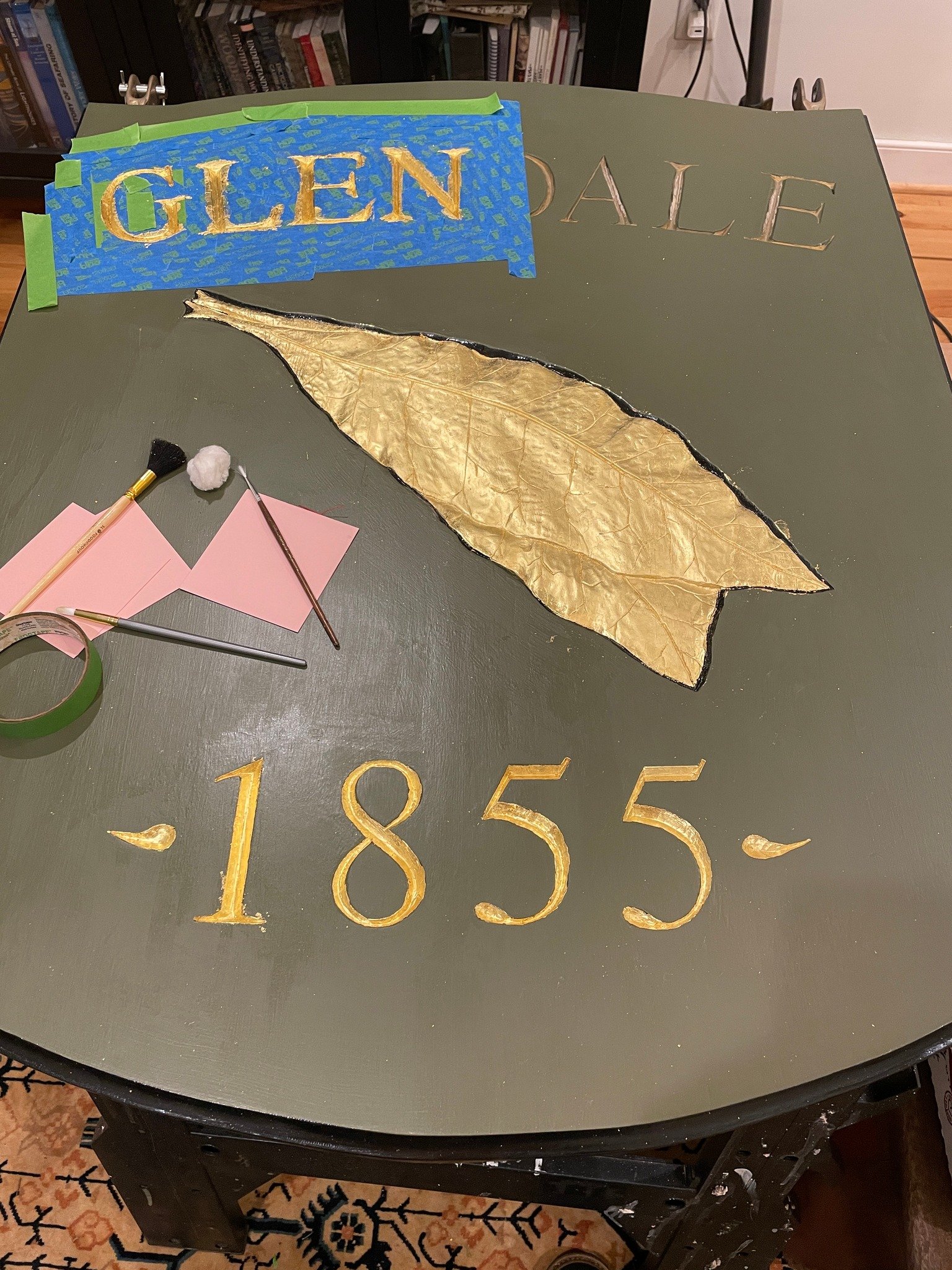
    The farm sign, one of Brendan’s first projects when we lived in St. Augustine, received a sorely needed renovation. Self-taught, Brendan replaced the gold paint with 23K gold leaf, a fine job!

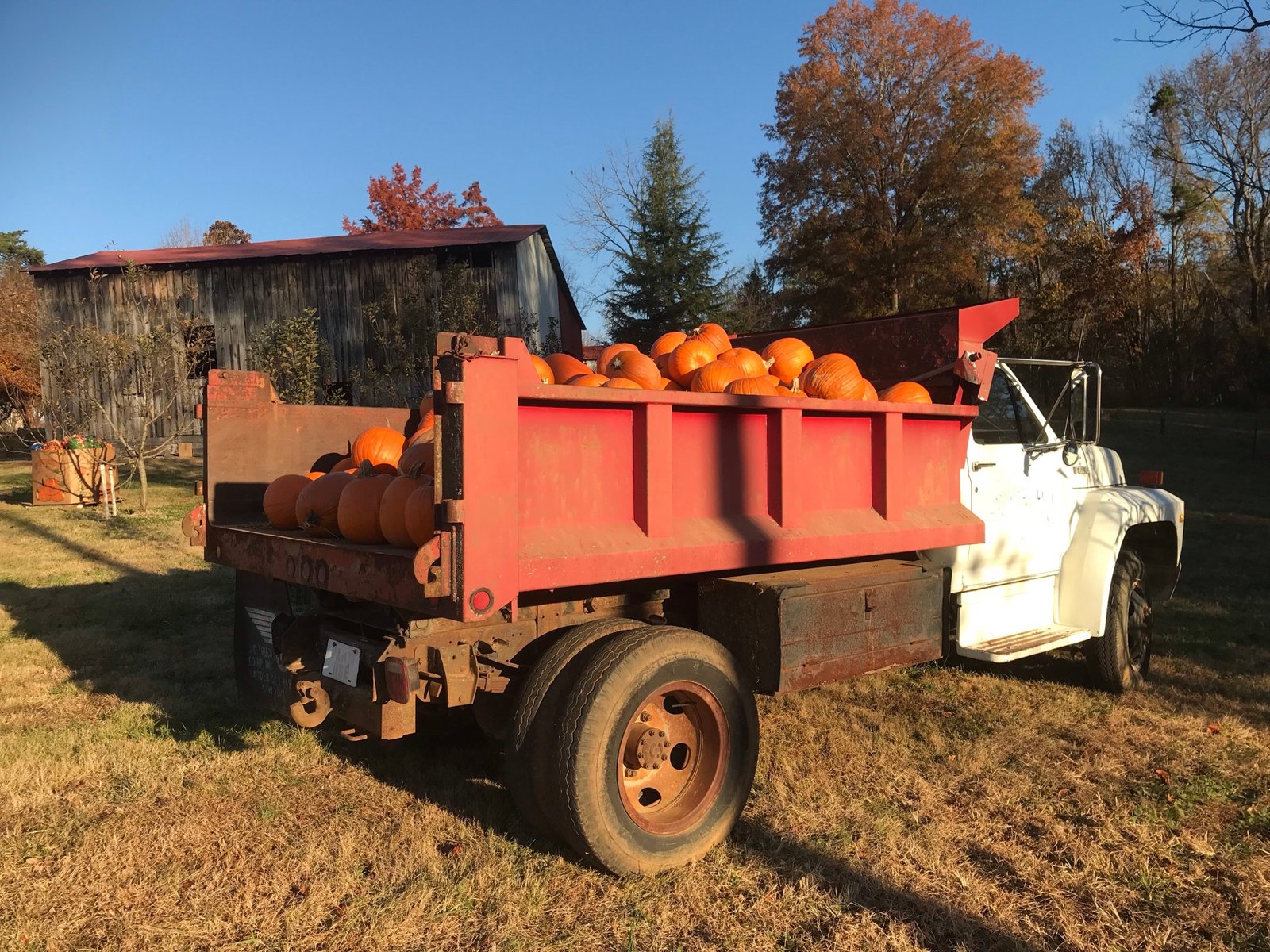
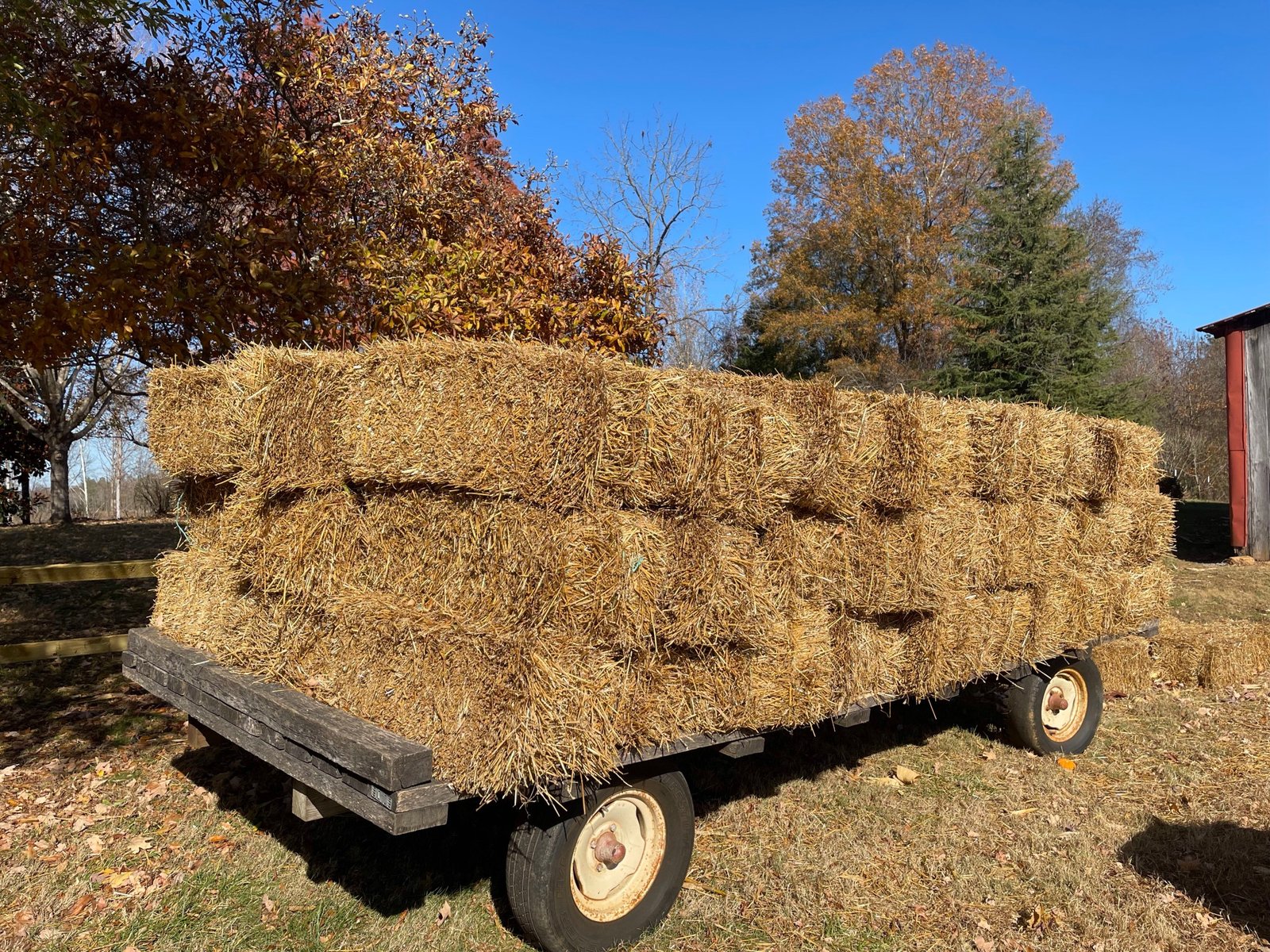
    At the end of the month, with trucks and tents departed, we took stock of the farm, and found 20 totes of pumpkins and 150 bales of wheat straw. We closed the month with a fire sale that helped us meet the neighbors and share the harvest! Everyone loves pumpkins!

  • September 2021

    September 2021

    Get ready for changing seasons, land-clearing, egg-onomics, dove hunting, and Gus’ new shoes.

    Make hay while the sun shines, or in our case clear land while the weather’s fair. September brought a breath of cool (less humid) air, a delivery of four new hives, more stump excavating, doves, and an abundance of eggs. Gus got a new pair of pour-in shoes while my own paddock boots cracked and split.

    Dove season was an exciting time. A cover of millet, sunflowers, and volunteer clover was too tasty for the doves to ignore. Lilli had the chance to put last year’s Christmas present (20 ga) to work and a happy Chet tracked the fallen birds through grass, brambles, and brush.

    A friend brought four more hives to weather the winter at Glendale. They are not the strongest but hopefully will be able to take advantage of blooming golden rod over the next few weeks. Our good neighbor Paul Jones will bring feed to give them a better chance of survival. If any fail, the empty hive will be available for spring swarms to colonize. Life finds a way!

    Paul Jones brought over four new hives to spend the winter.

    Land clearing continued as the cooler weather has made the work less sweaty. Over the past 12 months, Brendan has cleared about 5 1/2 acres and we have plans to open another 4 1/2. We’ll divide the 10 acres into several paddocks with the intent to not only bring Gus home but also purchase a few cattle. Brendan is considering Angus but we’ll see what happens. We still have stumping, grading, planting, and fencing before we introduce more feet! Next month, Barry plans to bring over a small bulldozer (Cat 450) which will help the process along. With both Brendan and I fully employed, it’s going to take some night farming to make it happen.

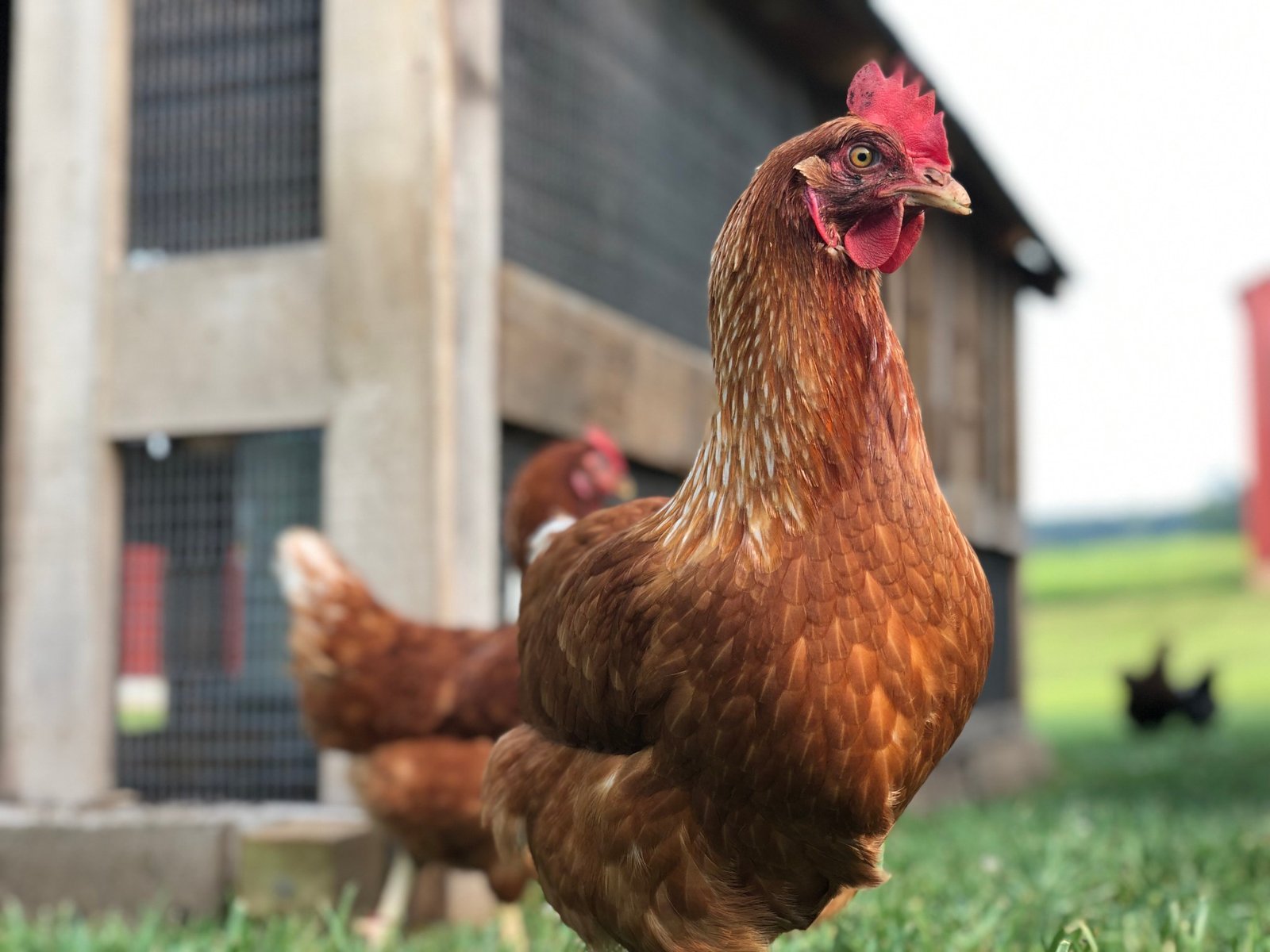
    The 9 chickens laid a record 229 eggs this month. We’ve been fortunate to gift eggs to neighbors and friends, and have even color-coded them: the Wyandott lay a beige egg, the Golden Comets produce a large brown egg, and the Leghorns gift us giant white dobbers. Like most hobby chicken tenders, we’ve run out of egg cartons and have taken to lending small baskets or wrapping them in paper.

    Chickens visiting the home SEARCH office.

    We picked 6.5 oz of hops from the Centennial hops mid-month. The Golding didn’t produce but that’s not uncommon for the first year. We’ll leave the hop bines standing until the first frost to encourage as much growth and energy storage as possible. The wet hops went into a 10-gallon batch of Farmhouse Ale for the second fermentation. We’ll keg it in early October and enjoy it for OctoberFest.

    Hop cones ready for harvesting

    The first apples are ripe and ugly. Thanks to the deer and wasps, there are too few to bother with cider but we did find a pulley and belt at the Somerset Steam and Gas show. We’ll attach it to the hit and miss engine next fall to run the cider mill. This year we’ll satisfy our curiosity by picking the best apples and deciding which varieties we like best.

    Last but not least, Gus got some fancy kicks. Being a first time horse owner, it’s been quite the learning process. He pulled a shoe and had underrun his heels a couple of weeks ago. We tried going barefoot but I finally caved in. The new shoes will support his frog and give his heels a chance to recover.We’re lucky to be in a part of the country with good care and a great farrier.

  • July 2021

    July 2021

    SR-627 was built about 1920. The residents living along our road including Brendan’s grandparents elected to name it in honor the local doctor, Mr. Cheatham, who helped deliver many of the residents but had no children of his own left his name on the new road. The old road that passed through the farm was abandoned and slowly reclaimed by nature so that today there is only a faint path worn by years of buggies and foot traffic, abandoned and eroded by rain and storms. Gently smoothing it into shape with the old Ferguson, we erected a two-rail split rail fence that followed the old path along the edge of the field into the woods. With a hand seeder, we spread 50 lbs of sorghum to reduce erosion. Not bad for a weekend’s work!

    Making the old road new again

    The grape arbor was erected on the north side of the garden and hosts Alachua muscadine grapes. Each of the three vines has been trimmed and trained to grow vertically next to a 4-6 inch diameter fence post. High tensile wire provides support for the frame and chain on either end works to lever and tension the wire. The wire and tensioners were purchased from Tractor Supply while the posts came from Poultry Services, a local feed and seed store.

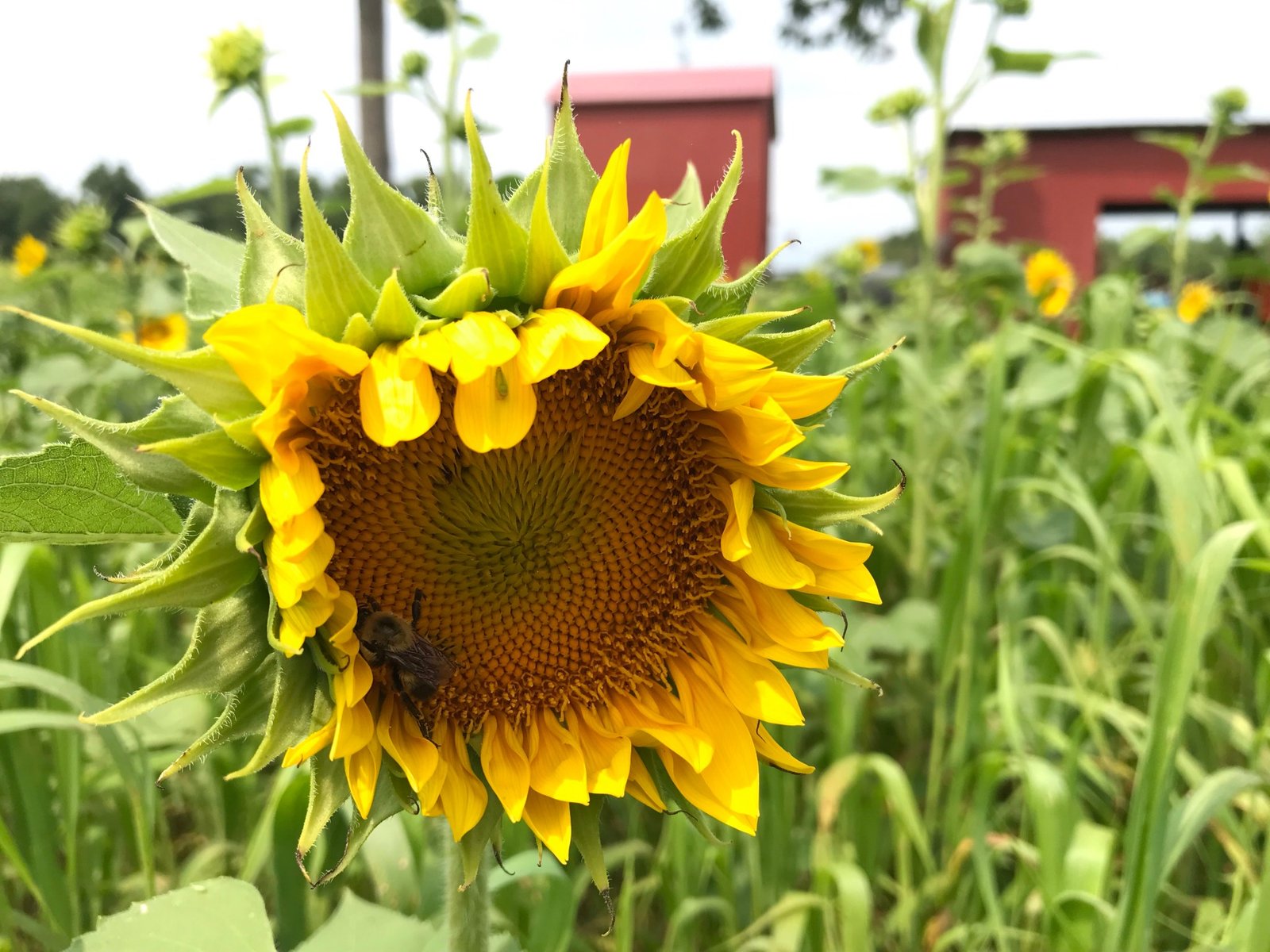
    The sunflowers bloomed amidst the self-seeded millet.

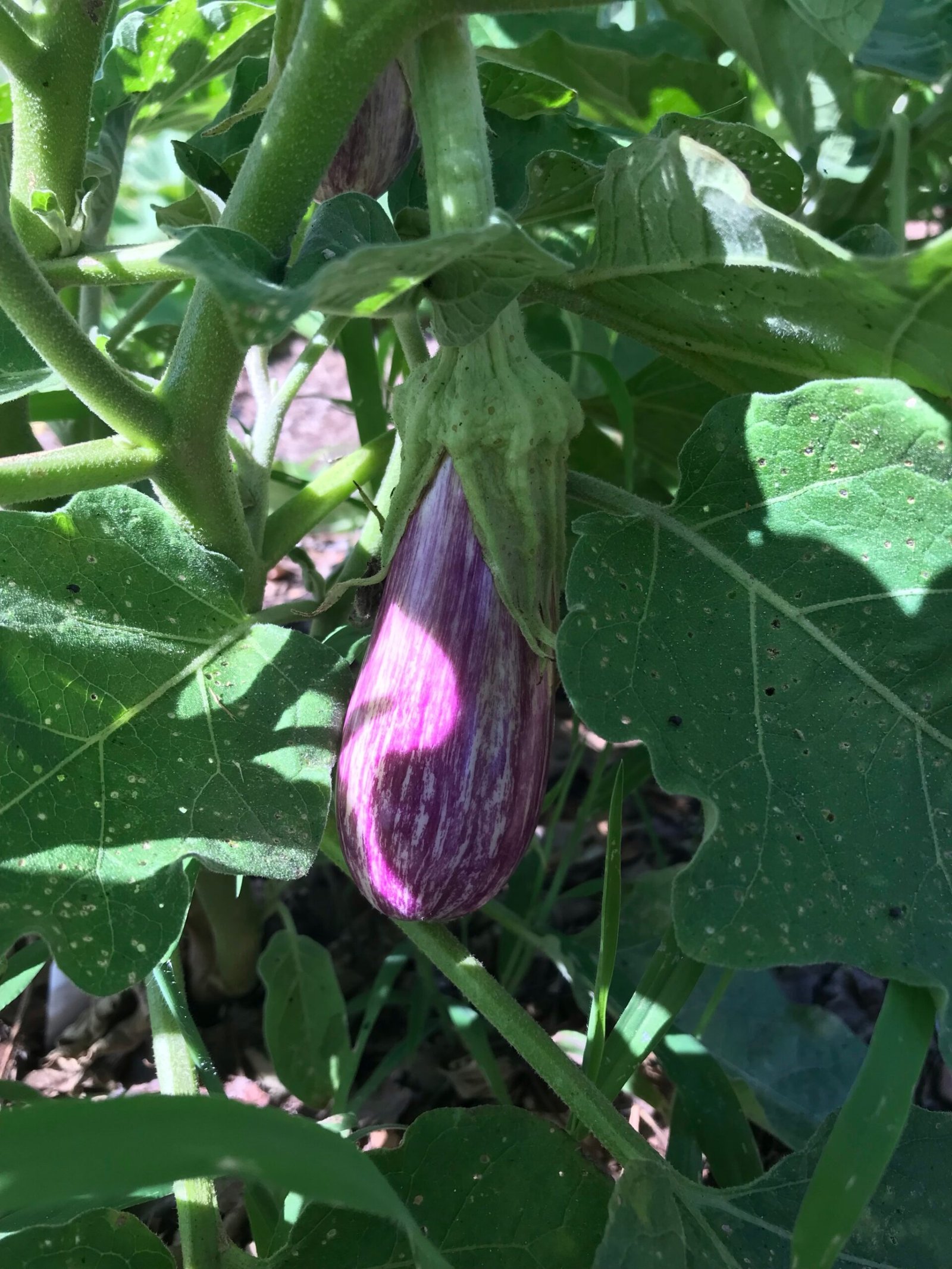
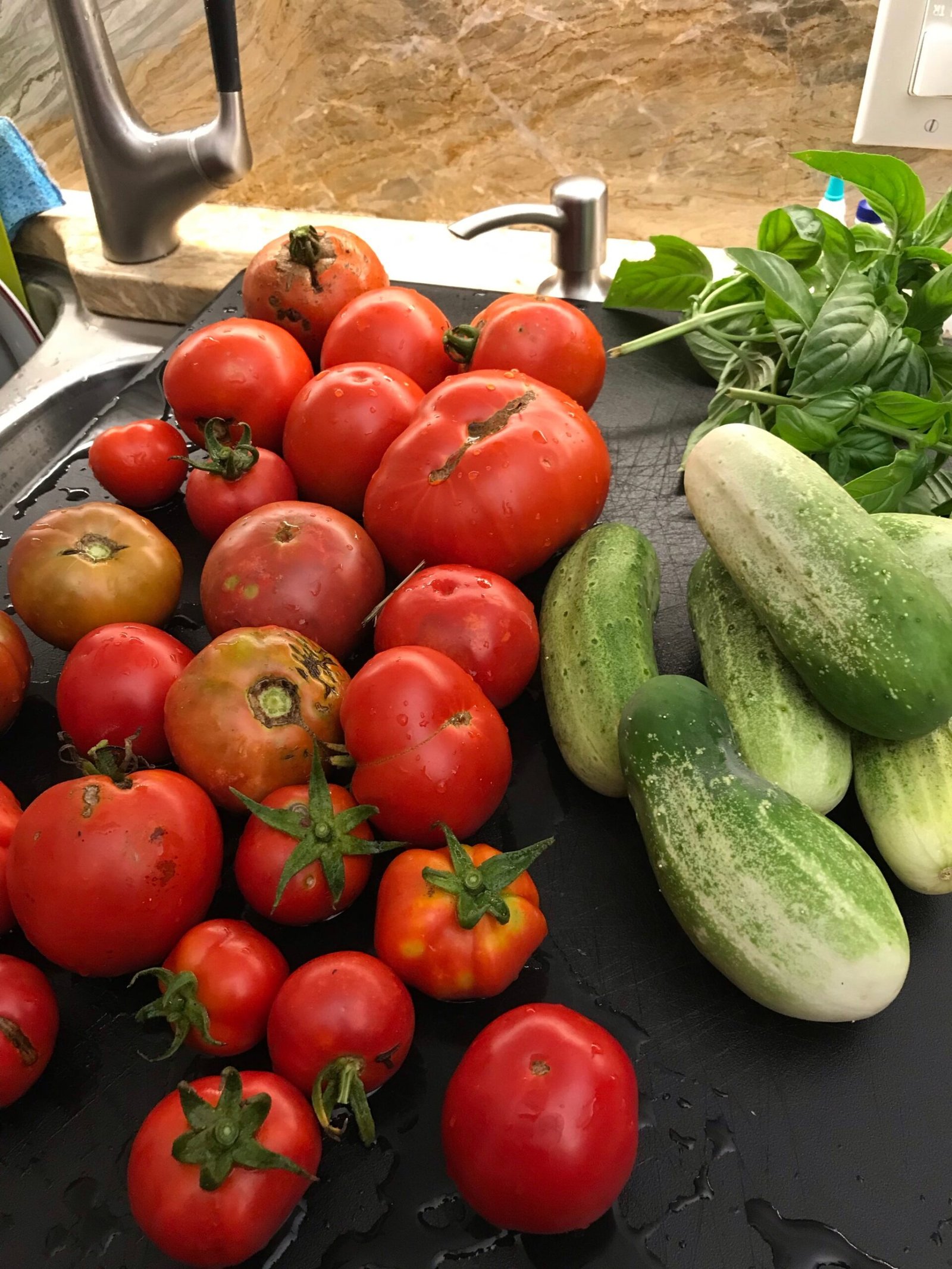
    The garden, so ambitiously started, got away from us this month. We struggled with grass and weeds. Despite 15 cubic yards of compost and four loads of leaves early in the spring, the ground is still green. An entire row of pepper plants melted into black goo and the squash borers attacked a large patch of 8 patty-pan squash. The tomatoes performed moderately well with a few specimens on each plant. Not a bumper crop but enough for some tasty gazpacho with the Sumpter cucumbers and sweet basil! The carrots were fantastic and tiny. The corn was spindly but managed to pop out an ear or two that was ripe by the end of the month. The watermelon struggled anemically and the okra has only started to grow. The eggplant are lovely but the leeks that we started from seed in March have now reached the size of spring onions. Sigh.

    On a positive note, the zinnias are amazing and form a visual barrier blocking the rest of the garden from the house.

    The golden comets and leghorn chickens begin laying in earnest. Production types bred for their egg-laying capability, we reached 6 eggs a day by the end of the month. Taking into consideration the cost of their fancy coop (~$500 thanks to the cost of lumber and materials), the chicks ($4 for a cheep or $10.50 for a pullet), brooder equipment (had to have the fancy heat pad), and feed (~$16 for a 50lb bag), we’ve paid an average of $3 per egg. Not exactly a bargain but then you don’t expect a cat or dog to provide a return on investment so the eggs are really a bonus. On a bright note, in July a dozen fresh eggs cost $2.77 after all expenses. A fair price all things considered!

    In other big news, Brendan started a new job with the Division of Historical Resources (DHR) as State Underwater Archaeologist. Hurrah! Two archaeologists full time from the farm!

  • May 2021

    May 2021

    “It is wonderful how much may be done if we are always doing.”

    Thomas Jefferson

    May jobs including plantings, stumping, job applications, brewing, and other farm activities. A friend loaned us two bee hives, cousins visited, and we enjoyed relaxed restrictions as vaccinated members of society. Brendan purchased a plasma cutter and welder for the farm, and the old 1949 Chevy farm truck got some overdue TLC.

    The month started dry and cold and ended dry, hot, and humid. In a stroke of lucky genius, we brought the water line from the greenhouse 165 feet up to the Tobacco barn on April 29th. As a result we had water for the new garden and baby plants. Unfortunately, the newly sowed grass and hardwoods struggled as we teetered on the edge of drought conditions.

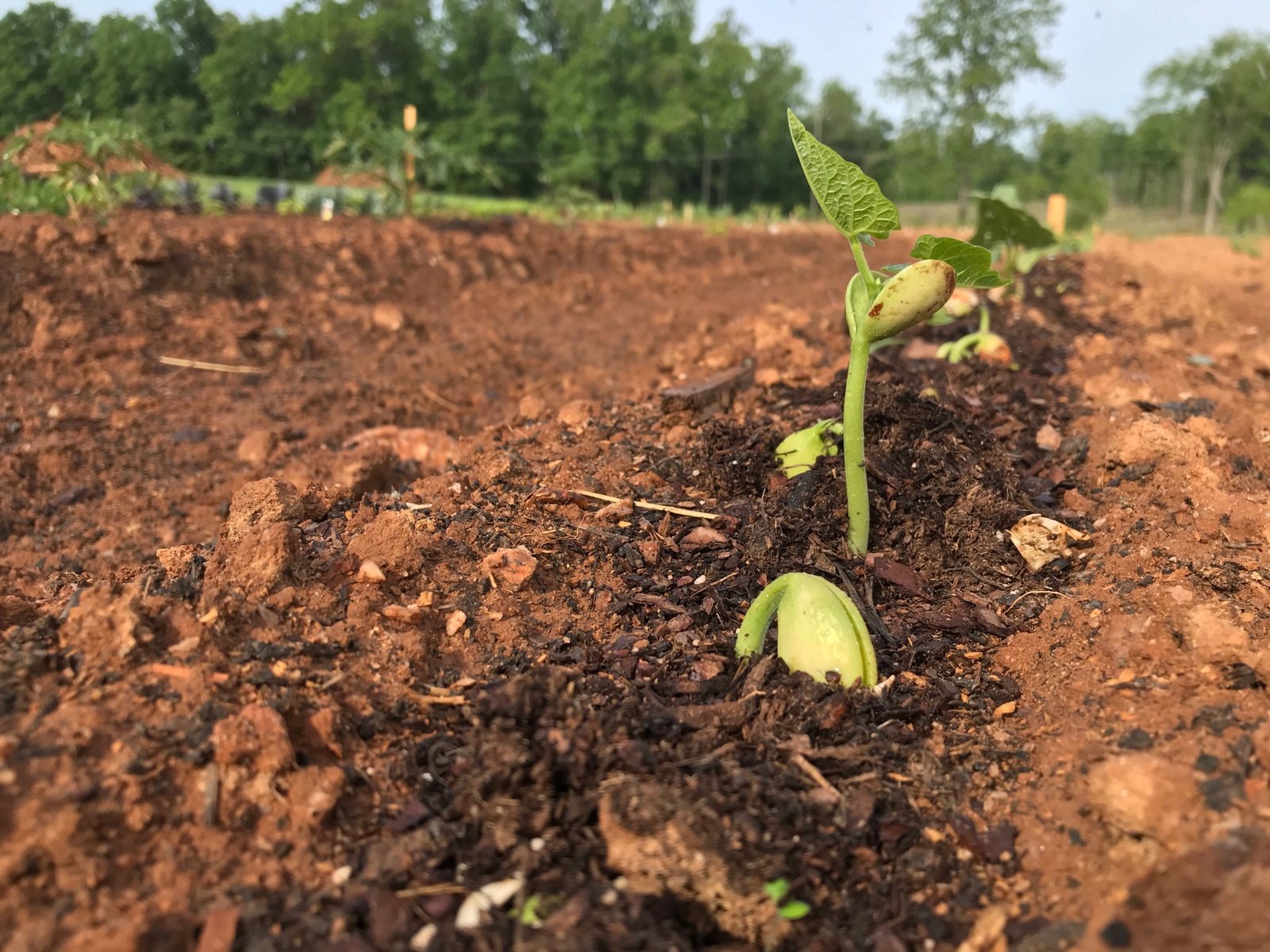
    New lima beans stretching for the sun on May 22

    We brewed a couple of 10 gallon batches – a Session IPA in the style of Founder’s All-Day IPA and a summer Witbeer ‘Gaarden Hoe.’ Having brewed 30 gal at the farm, we’re entering the next generation of All-Grain brewing: Broad Axe Brewing 2.0. We expanded Broad Axe brewing to include a new fermenter, 15 gal kettle, brew sculpture, and kegerator.

    In the garden, we laid out a permaculture area by the vegetable garden around the peach trees that were planted in March. We moved last year’s bare root blueberries from Willis Orchards to their new spot and tentatively laid out space for blackberries and grapes. We have hopeful plans to add hops and blackberries later this year.

    New transplanted blueberries north of the garden.

    We planted 10 little hop bines at the beginning of the month in two buckets and by the middle of the month they sprouted and were ready to climb. Using the auger, we dug 3 post holes and will be moving them to a new home south of the garden.

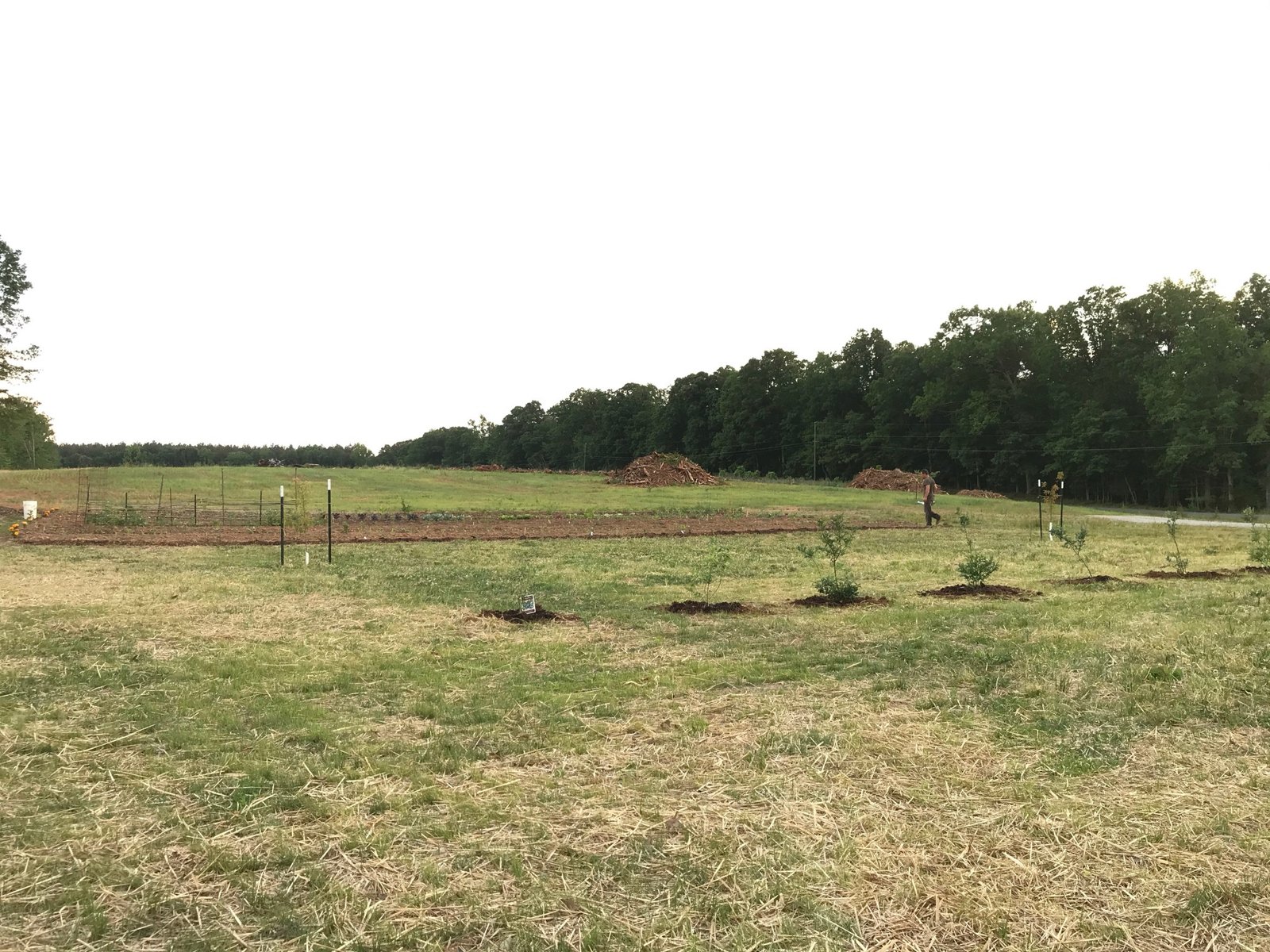
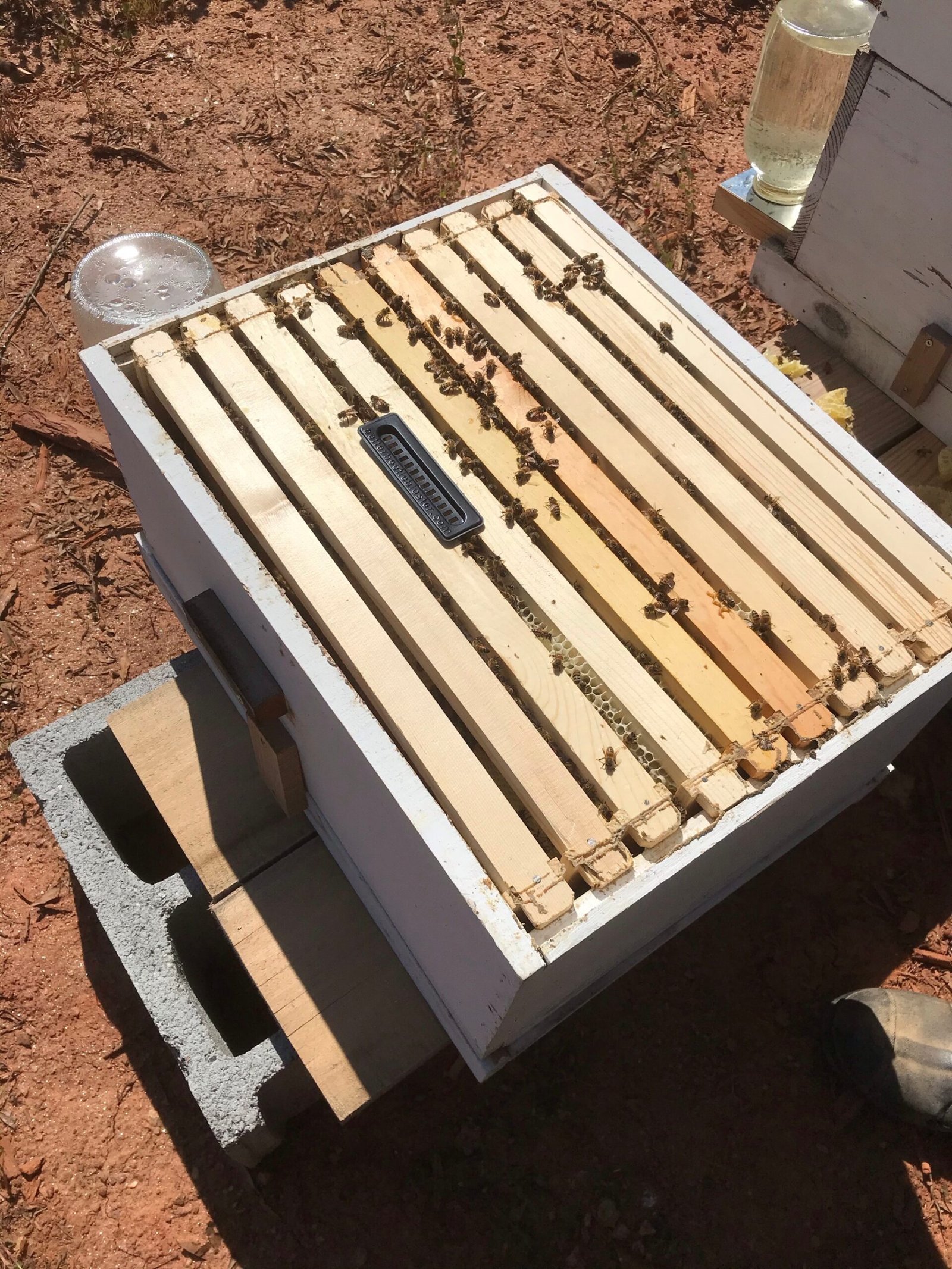
    We stumped an additional 2 1/2 acres for the future paddock. The stumps will wait until we have access to a track loader later this summer. The areas cleared last year are planted in Crimson Clover and oats. The Crimson Clover bloomed in early May and a friend brought over two bee hives to enjoy the feast.

    Honey bees settling into their new home away from home.

    The bloom finished by mid-May and we sprayed the clover for green manure. The following day we rented the Piedmont Soil and Water District’s grain drill and drilled this area and the oats with sunflowers. If successful, it will loosen the soil for the fall’s pasture mix and make an excellent feast for wildlife.

    Stumpin’ aint easy but it helps to have good tools to do it.

    Three Golden Comets joined the Glendale flock, pushing the number of young chickens to nine. We deposited a heaping wheelbarrow of leaves into the coop and are starting the use the deep litter method. As the chickens scratch and poop, we’ll add additional leaves and ‘brown’ to balance their green manure. By the time it accumulates to 10-12 inches deep, we’ll have a lovely compost for next year’s garden. As of the end of the month, the comets had started to lay. Hurrah for fresh eggs!

    The dry weather has been good for the apples which have not suffered as badly from blight as last year. Farm happening to be continued…

  • March 2021

    March 2021

    “In the spring, at the end of the day, you should smell like dirt”

    Margaret Atwood, Bluebeard’s Egg

    The daffodils are pushing up across the front yard and down the back hill. Small delicate blooms and large yellow heads herald new growth and new beginnings. Pat used to show daffodils and the naturized varieties are truly a treat for the eyes.

    The forsythia and camellias have also arrived, combined, and even entwined, a splash of color!

    Camellias blooming March 28, 2021

    On a dirtier note, we decided 2021 is the year for a garden. Lilli hired Watkins Nursery to deliver 15 cubic yards of compost to kick off the endeavor. With a little effort and a Kubota, $500 disappeared into the ground. The result is a new garden 50 feet north-south by 75 feet east-west (notice the lack of metric, archaeology friends).

    In the spirit of Jefferson, we’ve planted a little of everything with the hope that some of it will grow. We have purple, red, yellow, white and sweet onion, kennebec and yukon gold potatoes, two varieties of garden peas, horseradish, kale, collards, spinach, chard, and cool weather lettuce. Newly vaccinated friends Emily Jane Murray and Emma Dietrich arrived just in time to help with the planting!

    At the beginning of the month we also welcomed six 3-day old leghorn chicks to a new brooder. They’re the first chicks on the farm for about 20 years. Just down the road not five miles, Tyson has a large hatchery. Too bad these chicks don’t know how lucky they are!

    To round out the month, Brendan moved the last pile of sticks and pine stumps between the house and road and used the land plane to level the area for drilling next month. We are definitely looking forward to a time when the dominant color is green and not brown, bare earth!

  • New Home for the Cheeps!

    New Home for the Cheeps!

    Cheep… Cheep

    Six leghorn chicks from Tractor Supply arrived on March 2, 2021. They’re now five weeks old and have transformed from yellow balls of fluff to miniature chickens. As a newbie chicken mom, I was excited to introduce the little ladies to their new digs in the chicken sled. There’s plenty of fresh grass and bugs to find and a nice heat lamp to keep them warm as the nights are cool and they’re still growing out their secondary feathers. Time flies when you’re young!

    The chicken sled is a portable chicken house constructed from reclaimed parts of old farmyard and a few strategic timbers from Lowes. The new materials cost around $300 thanks to the increased lumber cost ($8 for a 2 x 4!)

    We borrowed the design from our good neighbors, the Flippens, who excel in everything home grown and delicious. Brendan morticed the frames into two 6 x 6 runners (sleds), used scrap lumber for the frames, and some leftover faux slate ties for the roof. The wire came from our local Poultry Services (welded hardwire with 1/2 x 1 inch holes) and the siding from some trees cut on the farm back in the 1930s (give or take a decade). We found pieces of an old house door in the loft which Brendan repurposed with an extra knob and lock.

    In total, the sled is just over 12 feet, with nesting boxes taking up 5 feet and the roost 7 feet. The entire bottom is open to the ground for happy scratching. When the scratching gets down to bare earth, we’ll attach the cart with a rope to the two tow points and pull them to greener pasture. The ladies moved in April 3rd!

    5 week-old miniature dinosaurs!