Tag: Virginia is for lovers

  • November 2021

    November 2021

    “November comes and November goes, with the last red berries and the first white snow. With night coming early and dawn coming late, and ice in the bucket and frost by the gate.”

    Clyde Watson

    Outrageous Pumpkins, New Rooster, Eggs-in-the-bator, moving a runner stone, transitioning Gus to barefoot (again), farm sign renovation, and a straw and pumpkin fire sale.

    Turn Card Entertainment came back to produce a new series of Food Network’s Outrageous Pumpkins on the farm. Old faces and new friends joined us for the first half of the month, bedecking the farm in Hollywood-inspired pumpkin spice, sparkling lights, and the perfect fall spectacle. The weather held and the trees shed their leaves in glory, providing a charming backdrop for some of the world’s most talented pumpkin carvers.

    Chet and Ketch took a moment to share the spotlight (off-camera) and showcased their own prowess with the crew, with independent demonstrations on how to catch mice, rats, voles, and even a squirrel.

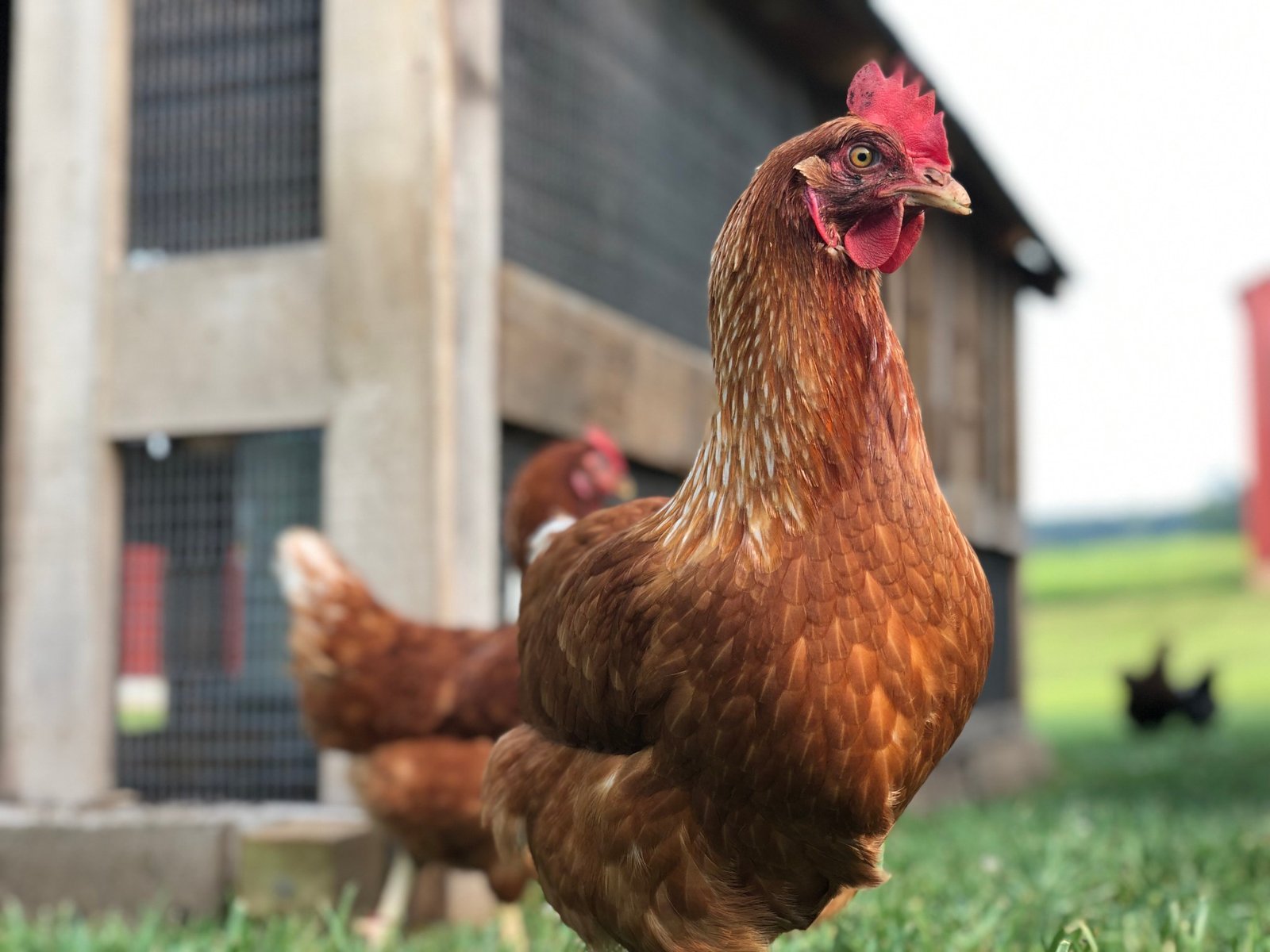
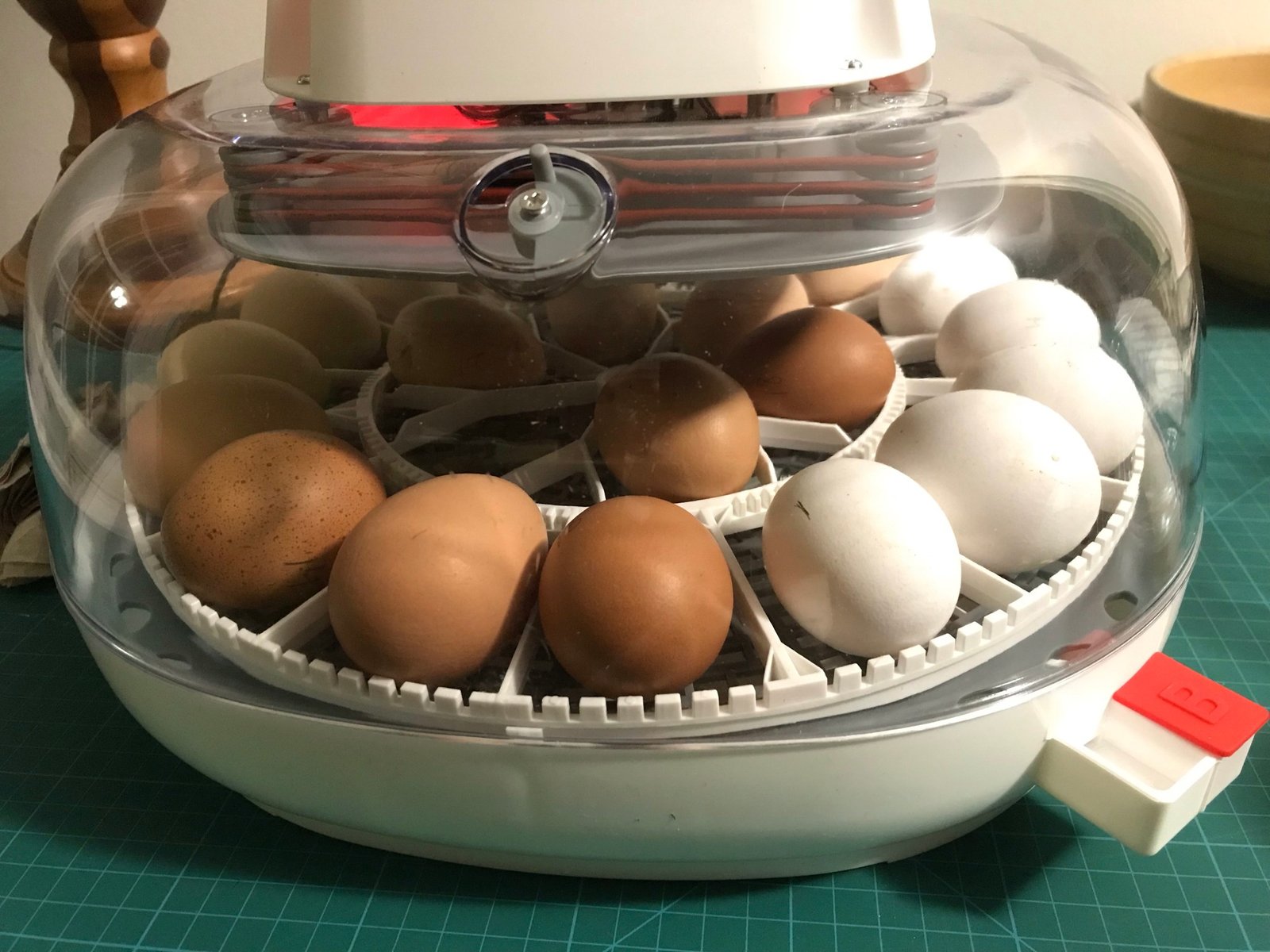
    During the filming, we introduced our newest cast member, a silver laced Wyandotte (SLW) rooster called Jubal Early. About a year old, Jubal is living up to his name, serenading us in the wee hours and guarding the flock with gentlemanly grace. His introduction to the ladies went surprisingly well. Kept in a crate by the hens overnight, we tossed him into the coop the following day. A few pecks later (nothing that left injury or drew blood) and the ladies we cooing and acting as though they’d lived their whole lives together. Remarkable considering the introduction of our 3 Wyandotte pullets this summer left the new ladies cowering and bullied for weeks. While there are a few pecks on their combs, I believe the advantages to having a rooster are worth it…

    Having noted that the ladies were now laying fertile eggs I seized the opportunity to become an internet expert on hatching chicks over the holidays. I purchased an incubator (https://www.mannapro.com/poultry/chicken-coop/nurture-right-360-egg-incubator,) gathered eggs for a few days, and placed 21 to set for a hatch date of December 15.
    Meanwhile, Brendan has been working to record pieces of the inland maritime landscape, including historic mills on rivers and waterways in Amelia County. Borrowing a mill stone crane from the Rowlett Mill, he worked to straighten it over the fire pit.
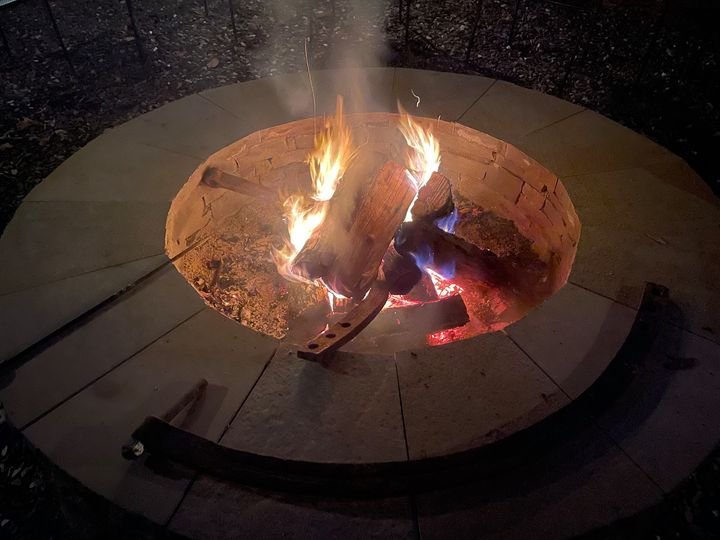
    Heating the crane to perform some rudimentary straightening.

    With a good friend, a crane truck, and the blessing of the current mill’s owner, he relocated the runner stone from Clementon Mill- from the front yard of the mill house where it had rested in concrete for two generations to the back of trailer and hopefully one day soon to a public place where its history can be displayed and interpreted.
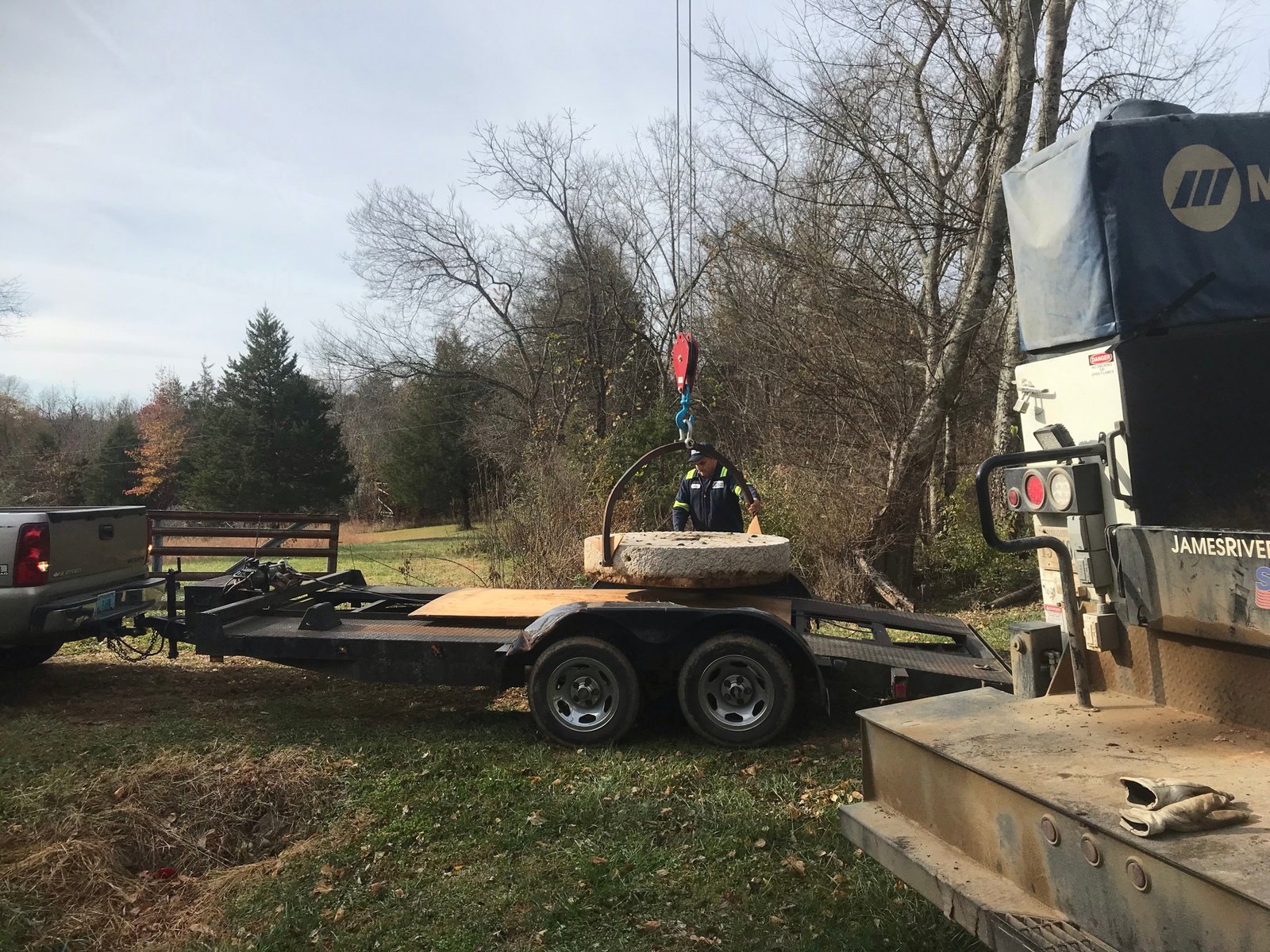
    Moving the runner stone by crane and truck.

    Back at Wigwam, our good farrier pulled Gus’ shoes after two months’ of pour-in Dr. Scholls (for horses). For the winter months he’ll enjoy some easy days and lots of treats while his tender toes adjust and his soles grow strong (at least that’s the idea!).

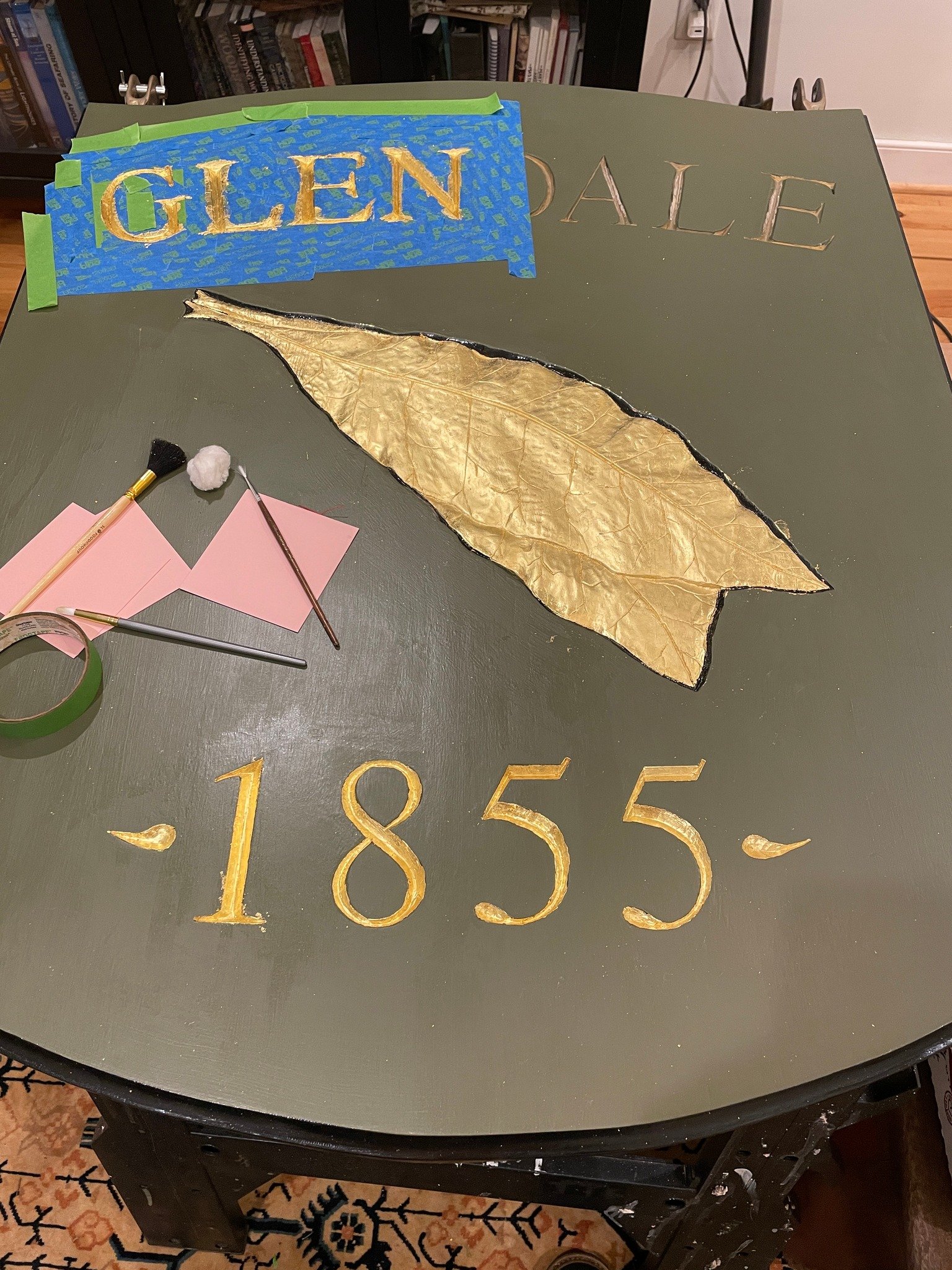
    The farm sign, one of Brendan’s first projects when we lived in St. Augustine, received a sorely needed renovation. Self-taught, Brendan replaced the gold paint with 23K gold leaf, a fine job!
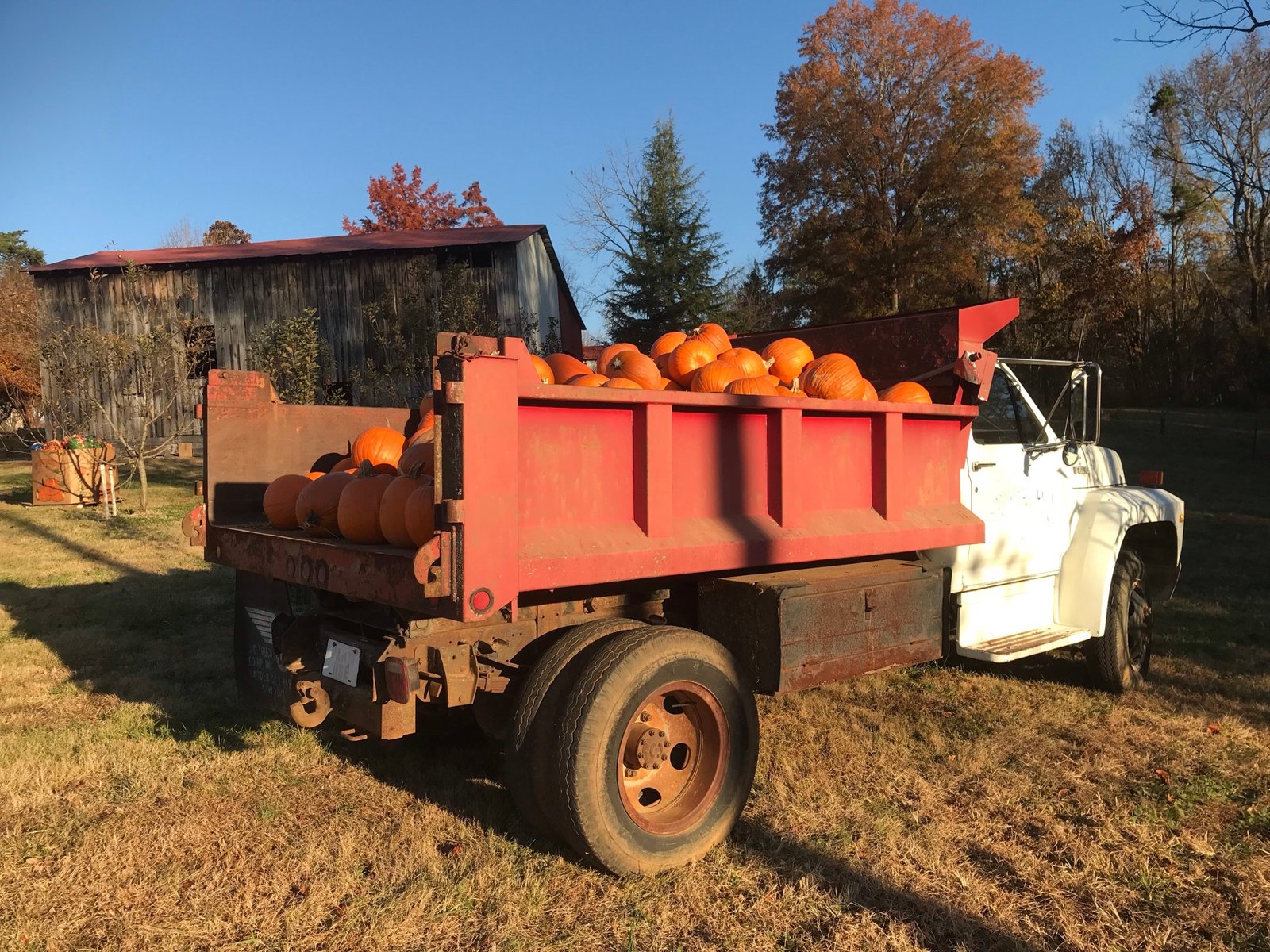
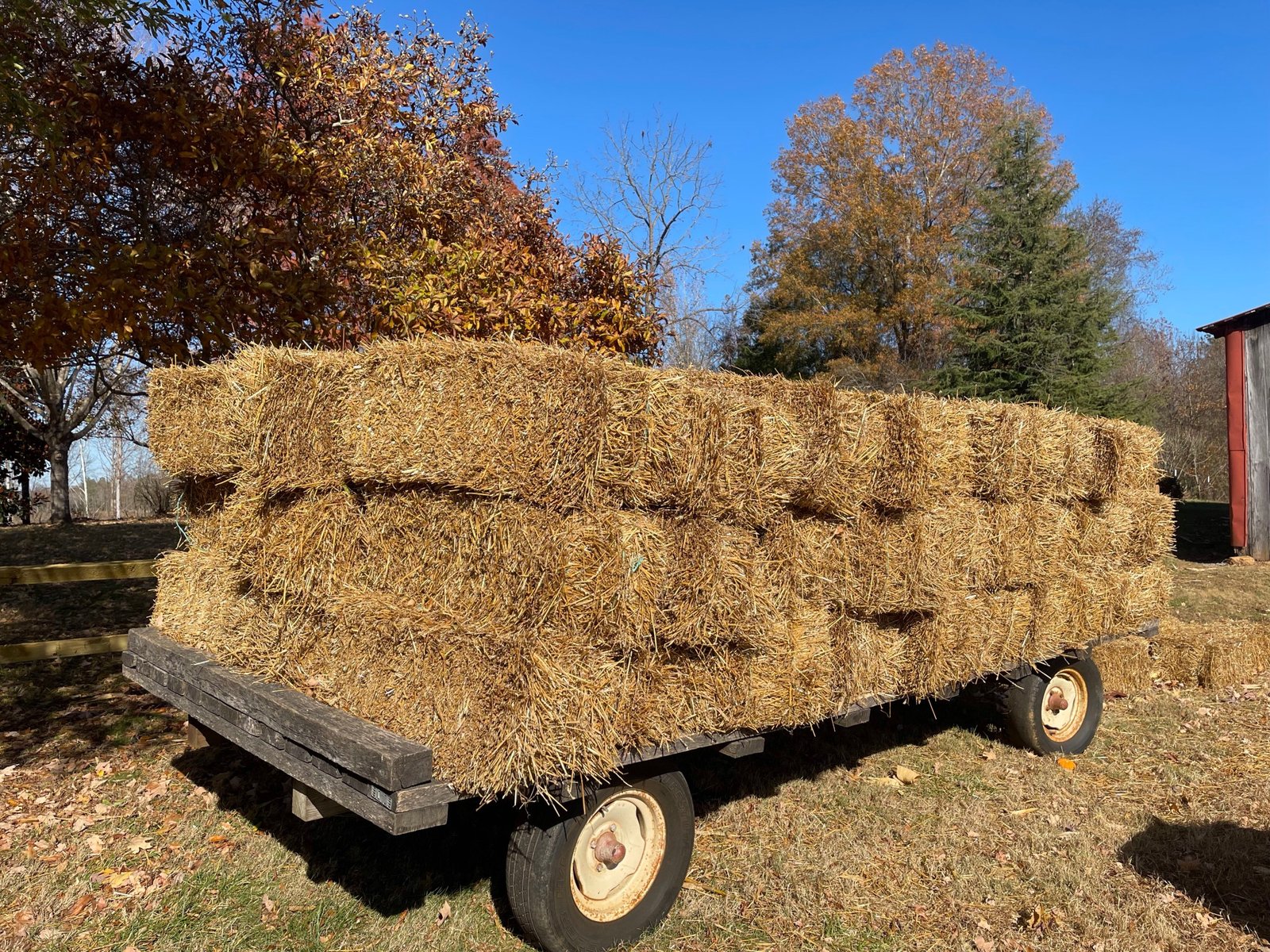
    At the end of the month, with trucks and tents departed, we took stock of the farm, and found 20 totes of pumpkins and 150 bales of wheat straw. We closed the month with a fire sale that helped us meet the neighbors and share the harvest! Everyone loves pumpkins!

  • September 2021

    September 2021

    Get ready for changing seasons, land-clearing, egg-onomics, dove hunting, and Gus’ new shoes.

    Make hay while the sun shines, or in our case clear land while the weather’s fair. September brought a breath of cool (less humid) air, a delivery of four new hives, more stump excavating, doves, and an abundance of eggs. Gus got a new pair of pour-in shoes while my own paddock boots cracked and split.

    Dove season was an exciting time. A cover of millet, sunflowers, and volunteer clover was too tasty for the doves to ignore. Lilli had the chance to put last year’s Christmas present (20 ga) to work and a happy Chet tracked the fallen birds through grass, brambles, and brush.

    A friend brought four more hives to weather the winter at Glendale. They are not the strongest but hopefully will be able to take advantage of blooming golden rod over the next few weeks. Our good neighbor Paul Jones will bring feed to give them a better chance of survival. If any fail, the empty hive will be available for spring swarms to colonize. Life finds a way!

    Paul Jones brought over four new hives to spend the winter.

    Land clearing continued as the cooler weather has made the work less sweaty. Over the past 12 months, Brendan has cleared about 5 1/2 acres and we have plans to open another 4 1/2. We’ll divide the 10 acres into several paddocks with the intent to not only bring Gus home but also purchase a few cattle. Brendan is considering Angus but we’ll see what happens. We still have stumping, grading, planting, and fencing before we introduce more feet! Next month, Barry plans to bring over a small bulldozer (Cat 450) which will help the process along. With both Brendan and I fully employed, it’s going to take some night farming to make it happen.

    The 9 chickens laid a record 229 eggs this month. We’ve been fortunate to gift eggs to neighbors and friends, and have even color-coded them: the Wyandott lay a beige egg, the Golden Comets produce a large brown egg, and the Leghorns gift us giant white dobbers. Like most hobby chicken tenders, we’ve run out of egg cartons and have taken to lending small baskets or wrapping them in paper.

    Chickens visiting the home SEARCH office.

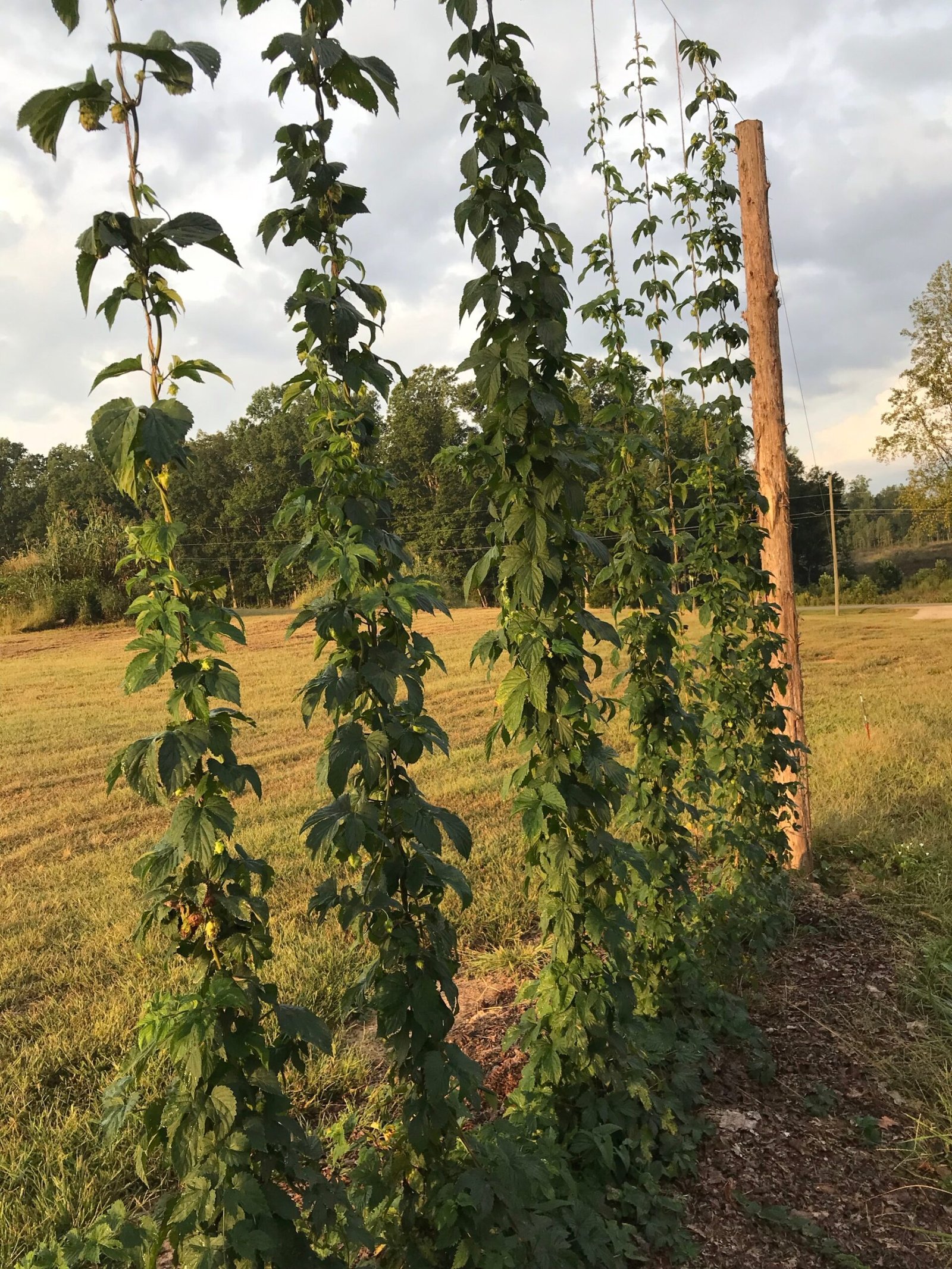
    We picked 6.5 oz of hops from the Centennial hops mid-month. The Golding didn’t produce but that’s not uncommon for the first year. We’ll leave the hop bines standing until the first frost to encourage as much growth and energy storage as possible. The wet hops went into a 10-gallon batch of Farmhouse Ale for the second fermentation. We’ll keg it in early October and enjoy it for OctoberFest.

    Hop cones ready for harvesting

    The first apples are ripe and ugly. Thanks to the deer and wasps, there are too few to bother with cider but we did find a pulley and belt at the Somerset Steam and Gas show. We’ll attach it to the hit and miss engine next fall to run the cider mill. This year we’ll satisfy our curiosity by picking the best apples and deciding which varieties we like best.

    Last but not least, Gus got some fancy kicks. Being a first time horse owner, it’s been quite the learning process. He pulled a shoe and had underrun his heels a couple of weeks ago. We tried going barefoot but I finally caved in. The new shoes will support his frog and give his heels a chance to recover.We’re lucky to be in a part of the country with good care and a great farrier.

  • July 2021

    July 2021

    SR-627 was built about 1920. The residents living along our road including Brendan’s grandparents elected to name it in honor the local doctor, Mr. Cheatham, who helped deliver many of the residents but had no children of his own left his name on the new road. The old road that passed through the farm was abandoned and slowly reclaimed by nature so that today there is only a faint path worn by years of buggies and foot traffic, abandoned and eroded by rain and storms. Gently smoothing it into shape with the old Ferguson, we erected a two-rail split rail fence that followed the old path along the edge of the field into the woods. With a hand seeder, we spread 50 lbs of sorghum to reduce erosion. Not bad for a weekend’s work!

    Making the old road new again

    The grape arbor was erected on the north side of the garden and hosts Alachua muscadine grapes. Each of the three vines has been trimmed and trained to grow vertically next to a 4-6 inch diameter fence post. High tensile wire provides support for the frame and chain on either end works to lever and tension the wire. The wire and tensioners were purchased from Tractor Supply while the posts came from Poultry Services, a local feed and seed store.

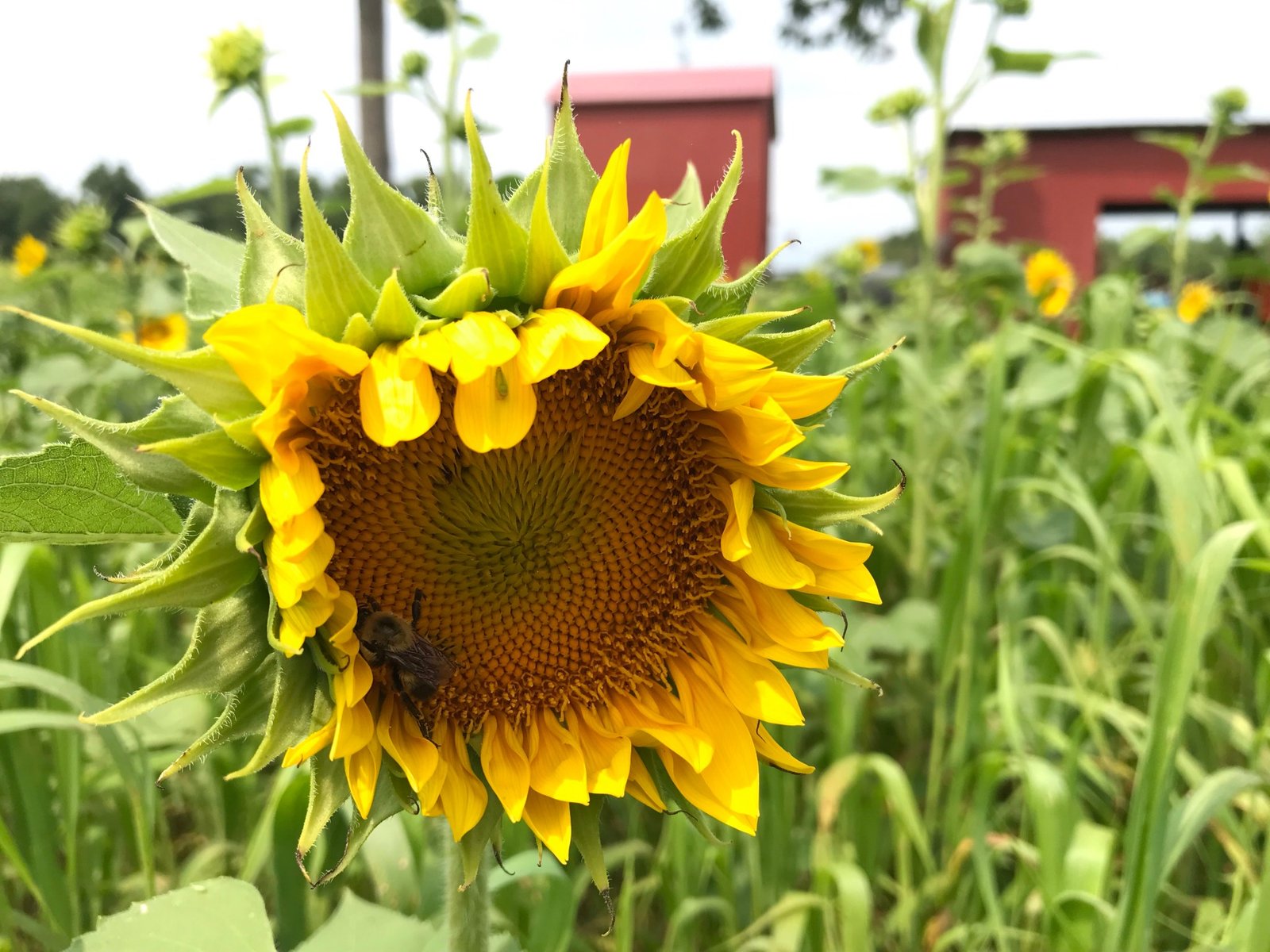
    The sunflowers bloomed amidst the self-seeded millet.

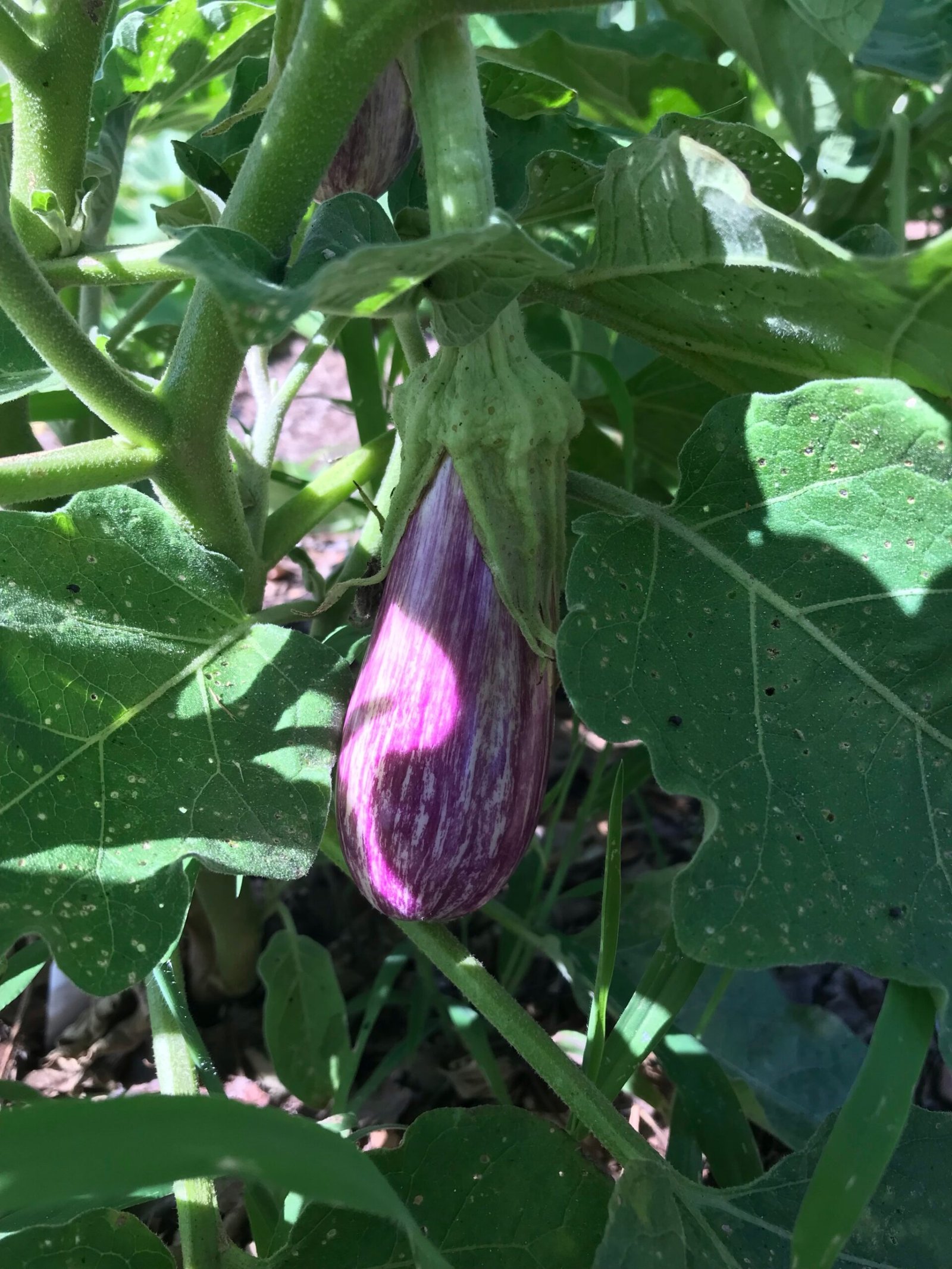
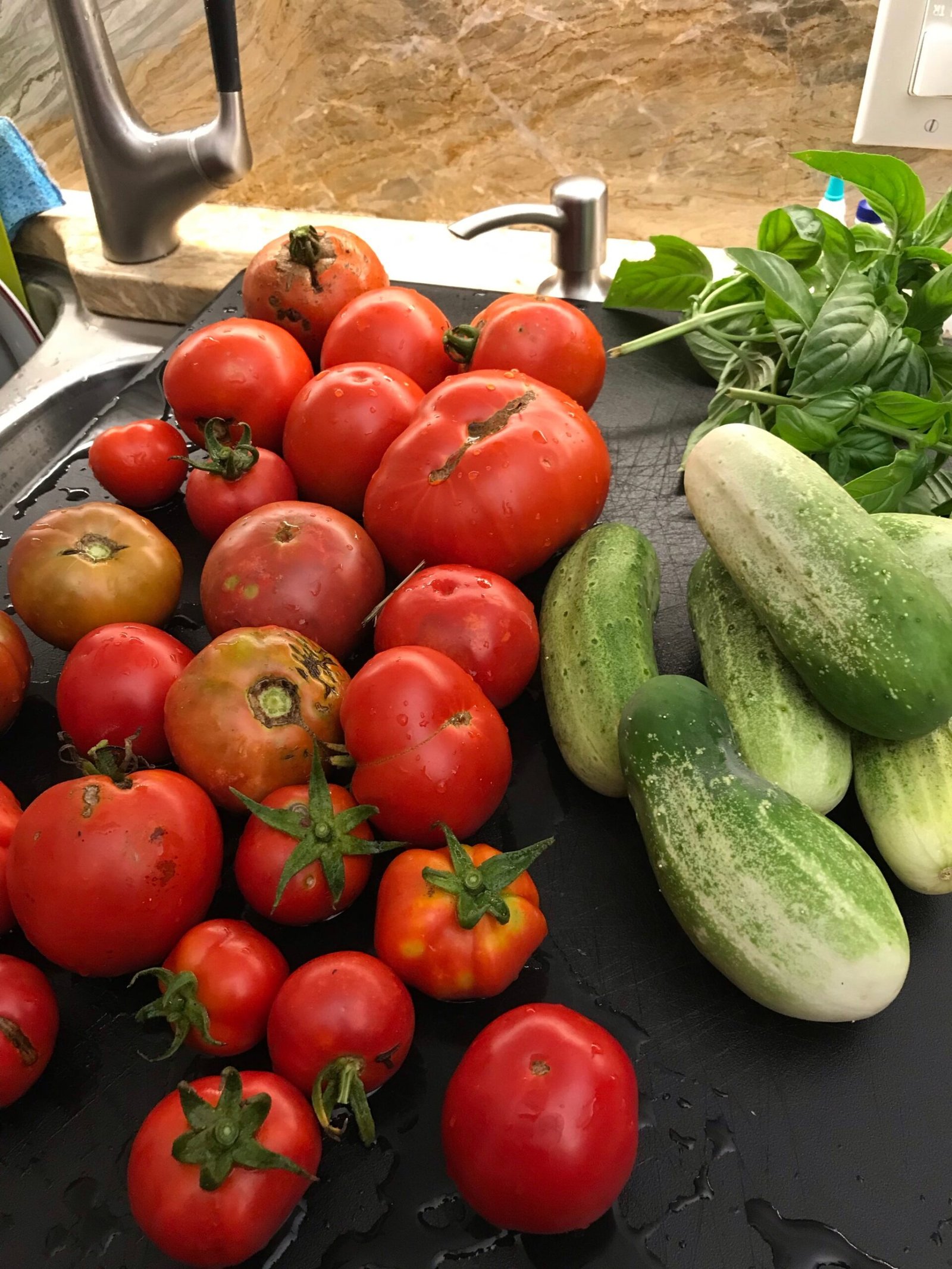
    The garden, so ambitiously started, got away from us this month. We struggled with grass and weeds. Despite 15 cubic yards of compost and four loads of leaves early in the spring, the ground is still green. An entire row of pepper plants melted into black goo and the squash borers attacked a large patch of 8 patty-pan squash. The tomatoes performed moderately well with a few specimens on each plant. Not a bumper crop but enough for some tasty gazpacho with the Sumpter cucumbers and sweet basil! The carrots were fantastic and tiny. The corn was spindly but managed to pop out an ear or two that was ripe by the end of the month. The watermelon struggled anemically and the okra has only started to grow. The eggplant are lovely but the leeks that we started from seed in March have now reached the size of spring onions. Sigh.

    On a positive note, the zinnias are amazing and form a visual barrier blocking the rest of the garden from the house.

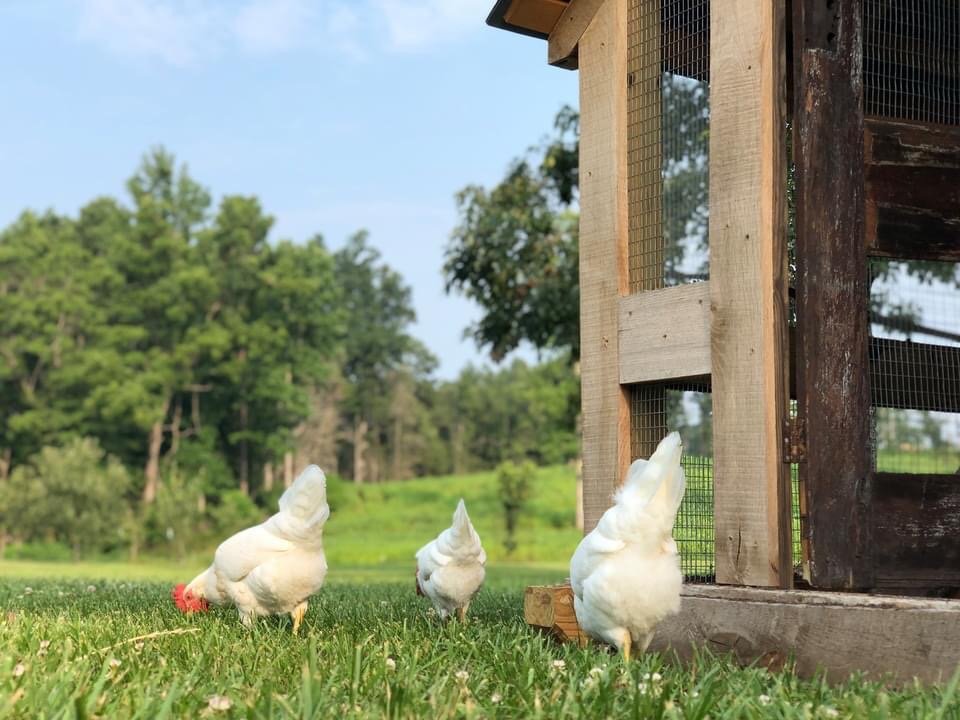
    The golden comets and leghorn chickens begin laying in earnest. Production types bred for their egg-laying capability, we reached 6 eggs a day by the end of the month. Taking into consideration the cost of their fancy coop (~$500 thanks to the cost of lumber and materials), the chicks ($4 for a cheep or $10.50 for a pullet), brooder equipment (had to have the fancy heat pad), and feed (~$16 for a 50lb bag), we’ve paid an average of $3 per egg. Not exactly a bargain but then you don’t expect a cat or dog to provide a return on investment so the eggs are really a bonus. On a bright note, in July a dozen fresh eggs cost $2.77 after all expenses. A fair price all things considered!

    In other big news, Brendan started a new job with the Division of Historical Resources (DHR) as State Underwater Archaeologist. Hurrah! Two archaeologists full time from the farm!

  • May 2021

    May 2021

    “It is wonderful how much may be done if we are always doing.”

    Thomas Jefferson

    May jobs including plantings, stumping, job applications, brewing, and other farm activities. A friend loaned us two bee hives, cousins visited, and we enjoyed relaxed restrictions as vaccinated members of society. Brendan purchased a plasma cutter and welder for the farm, and the old 1949 Chevy farm truck got some overdue TLC.

    The month started dry and cold and ended dry, hot, and humid. In a stroke of lucky genius, we brought the water line from the greenhouse 165 feet up to the Tobacco barn on April 29th. As a result we had water for the new garden and baby plants. Unfortunately, the newly sowed grass and hardwoods struggled as we teetered on the edge of drought conditions.

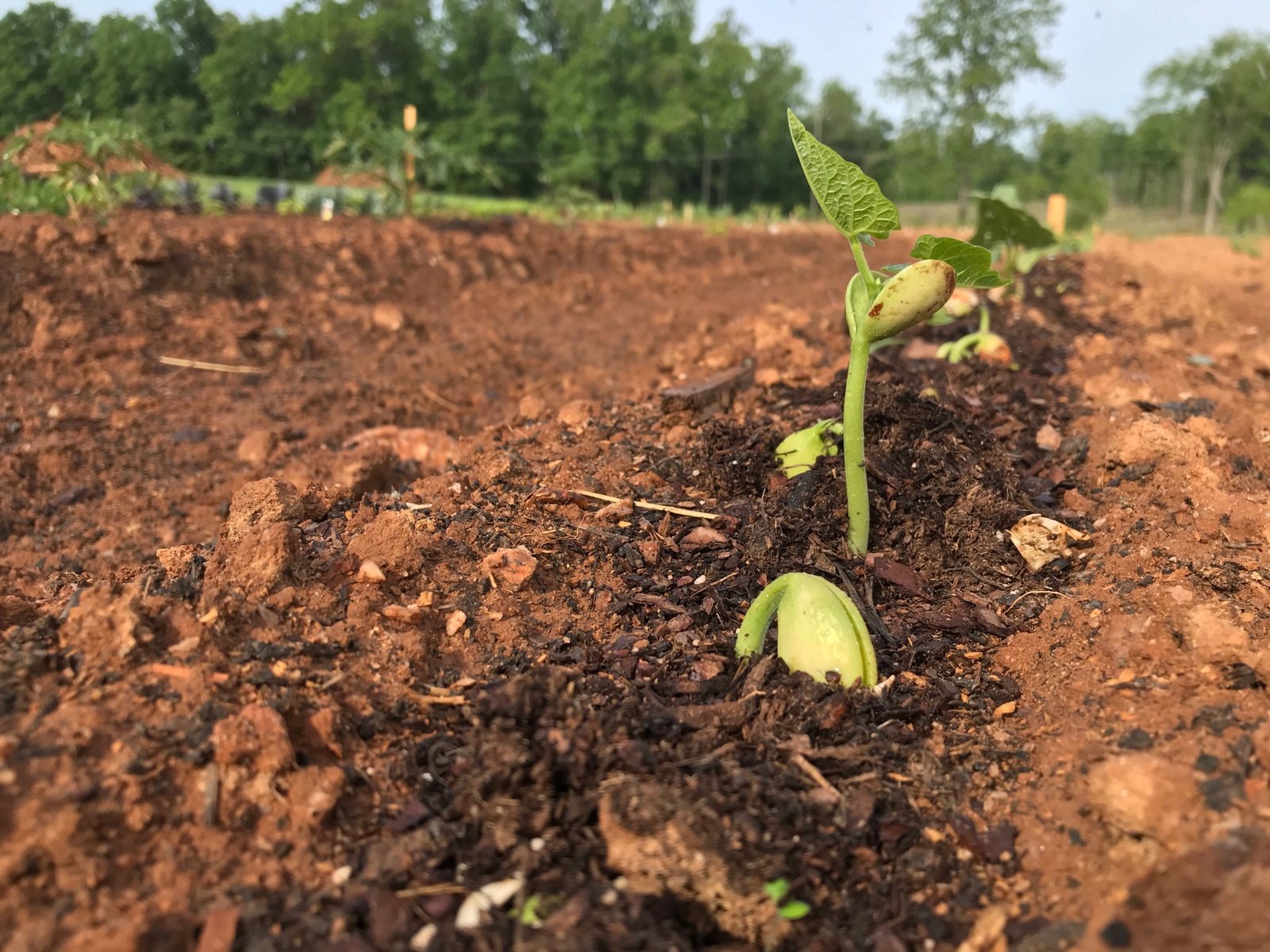
    New lima beans stretching for the sun on May 22

    We brewed a couple of 10 gallon batches – a Session IPA in the style of Founder’s All-Day IPA and a summer Witbeer ‘Gaarden Hoe.’ Having brewed 30 gal at the farm, we’re entering the next generation of All-Grain brewing: Broad Axe Brewing 2.0. We expanded Broad Axe brewing to include a new fermenter, 15 gal kettle, brew sculpture, and kegerator.

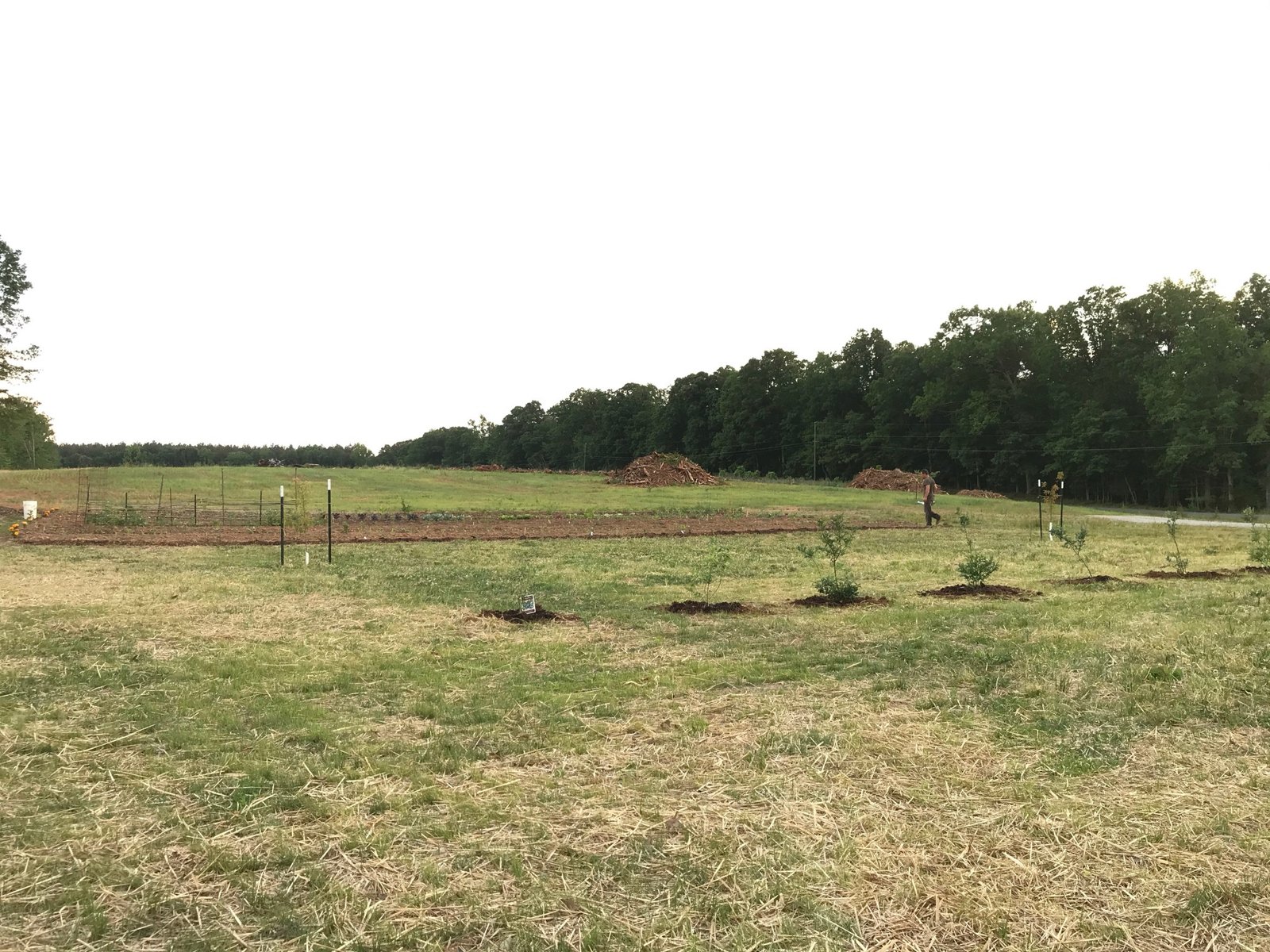
    In the garden, we laid out a permaculture area by the vegetable garden around the peach trees that were planted in March. We moved last year’s bare root blueberries from Willis Orchards to their new spot and tentatively laid out space for blackberries and grapes. We have hopeful plans to add hops and blackberries later this year.

    New transplanted blueberries north of the garden.

    We planted 10 little hop bines at the beginning of the month in two buckets and by the middle of the month they sprouted and were ready to climb. Using the auger, we dug 3 post holes and will be moving them to a new home south of the garden.

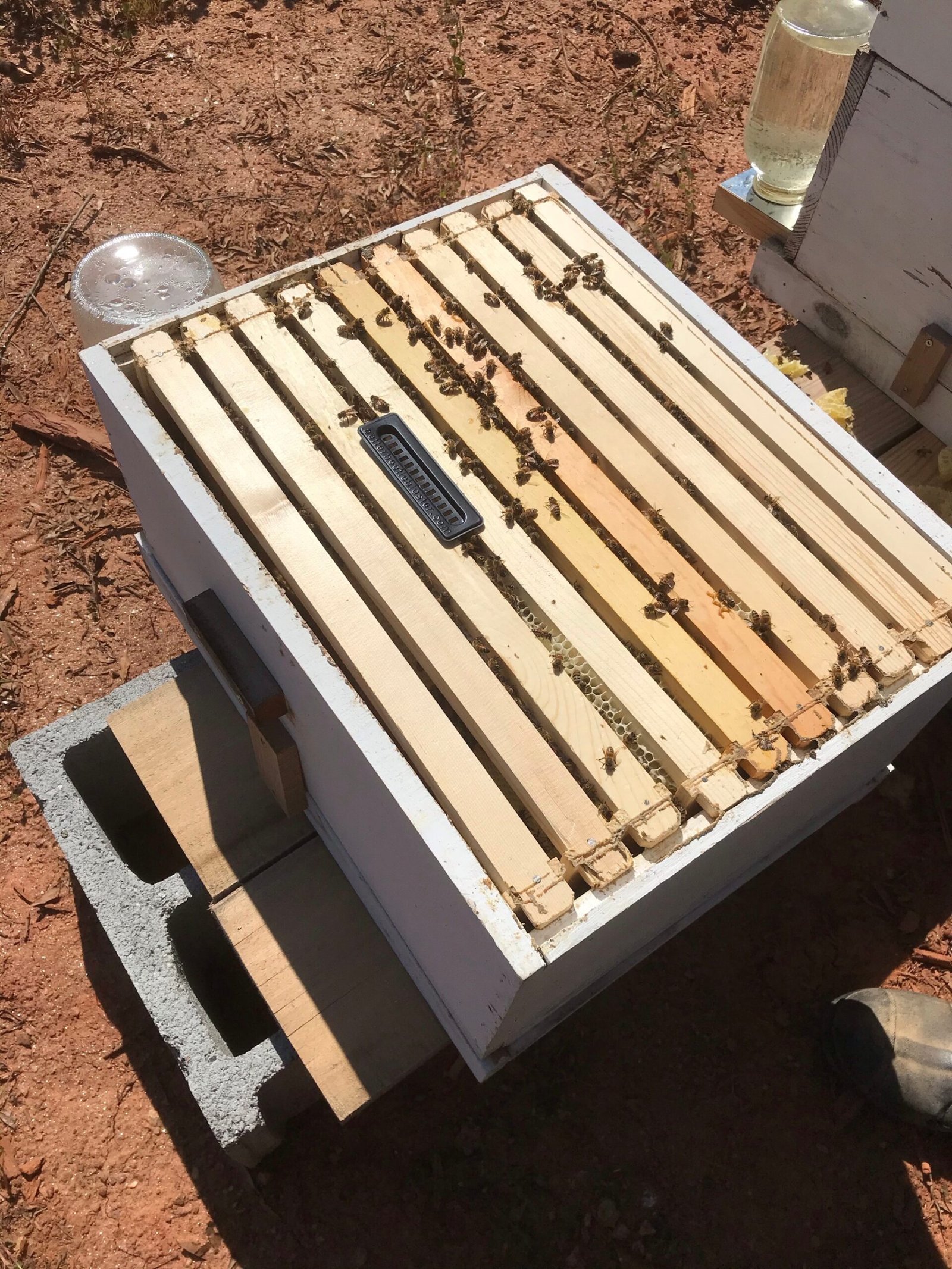
    We stumped an additional 2 1/2 acres for the future paddock. The stumps will wait until we have access to a track loader later this summer. The areas cleared last year are planted in Crimson Clover and oats. The Crimson Clover bloomed in early May and a friend brought over two bee hives to enjoy the feast.

    Honey bees settling into their new home away from home.

    The bloom finished by mid-May and we sprayed the clover for green manure. The following day we rented the Piedmont Soil and Water District’s grain drill and drilled this area and the oats with sunflowers. If successful, it will loosen the soil for the fall’s pasture mix and make an excellent feast for wildlife.

    Stumpin’ aint easy but it helps to have good tools to do it.

    Three Golden Comets joined the Glendale flock, pushing the number of young chickens to nine. We deposited a heaping wheelbarrow of leaves into the coop and are starting the use the deep litter method. As the chickens scratch and poop, we’ll add additional leaves and ‘brown’ to balance their green manure. By the time it accumulates to 10-12 inches deep, we’ll have a lovely compost for next year’s garden. As of the end of the month, the comets had started to lay. Hurrah for fresh eggs!

    The dry weather has been good for the apples which have not suffered as badly from blight as last year. Farm happening to be continued…

  • Stand back! Cedar Trees Coming Through!

    Stand back! Cedar Trees Coming Through!

    Early spring is a great time to move trees. The ground is soft and the trees ready to grow! At Glendale, we scouted the back field (planted in 2015 with pine) for Eastern Redcedar (Juniperus virginiana), between 4 and 7 feet tall, with the aim to create a natural, native border between Cheatham’s Road and the farm.

    Juniperus virginiana (Eastern Redcedar) is a versatile, native tree grown in gardens and across landscapes for centuries, by George Washington (1732-1799) at Mount Vernon, Thomas Jefferson (1743-1826) at Monticello and Andrew Jackson (1767-1845) at the Hermitage. It’s fast growing, disease resistant, provides natural habitat, and smells great!

    Loaded with the afternoon’s forest finds!

    We planted our trees about 6 meters apart (that’s about 20 feet for you non-archaeologists). Each tree has a tap root and root mass about 2 feet across and about a foot deep (not an extensive root system!). We gave each tree a couple of gallons of water, a T-post and a friendly, encouraging word.

    Grow little cedars!

    Settled in, we also found a lovely redbud and a holly in the woods across the road that Brendan’s aunt owns. It feels good to bring shaded trees out from the woods and into the foreground. Hurrah for the natives!