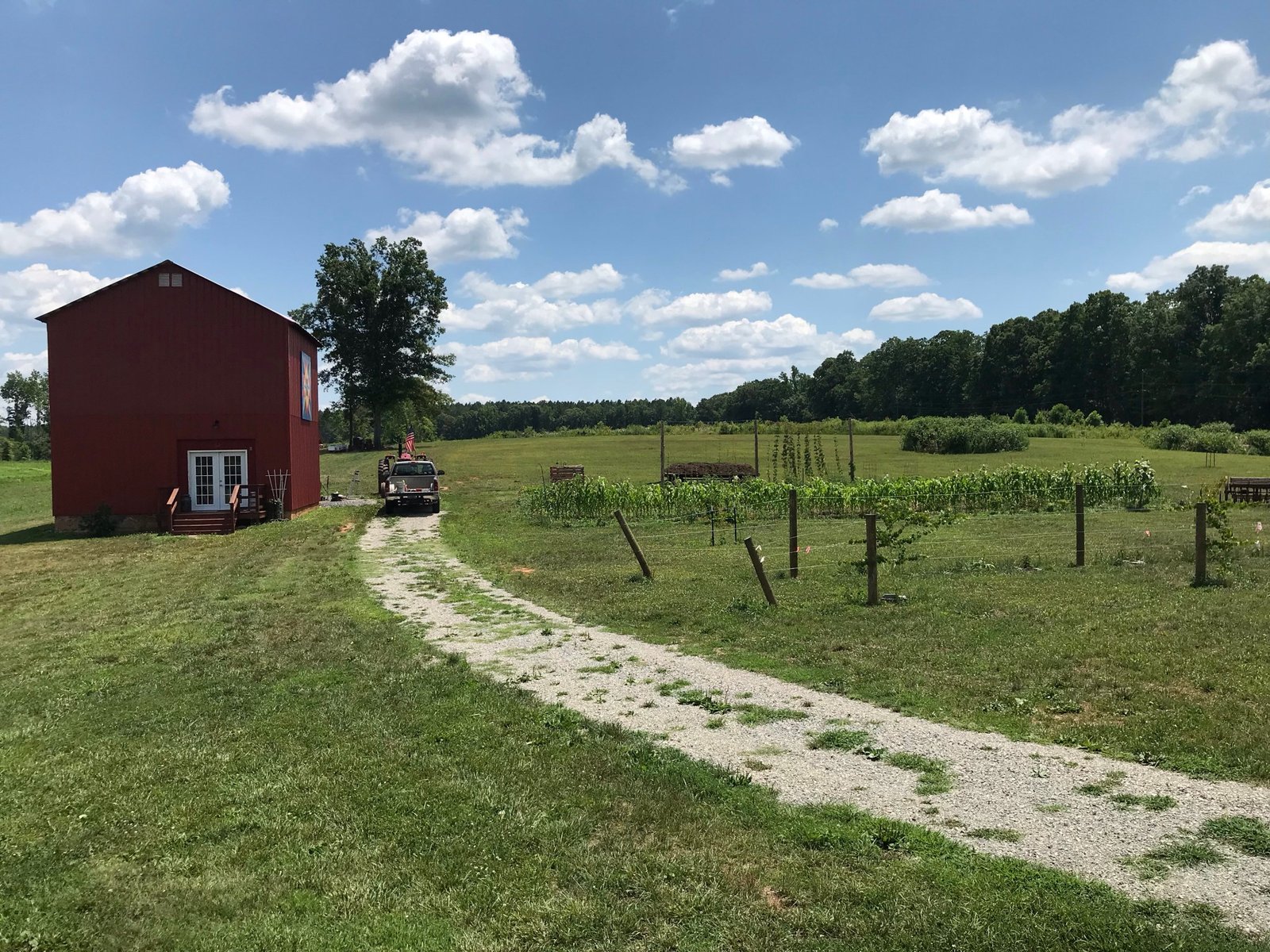
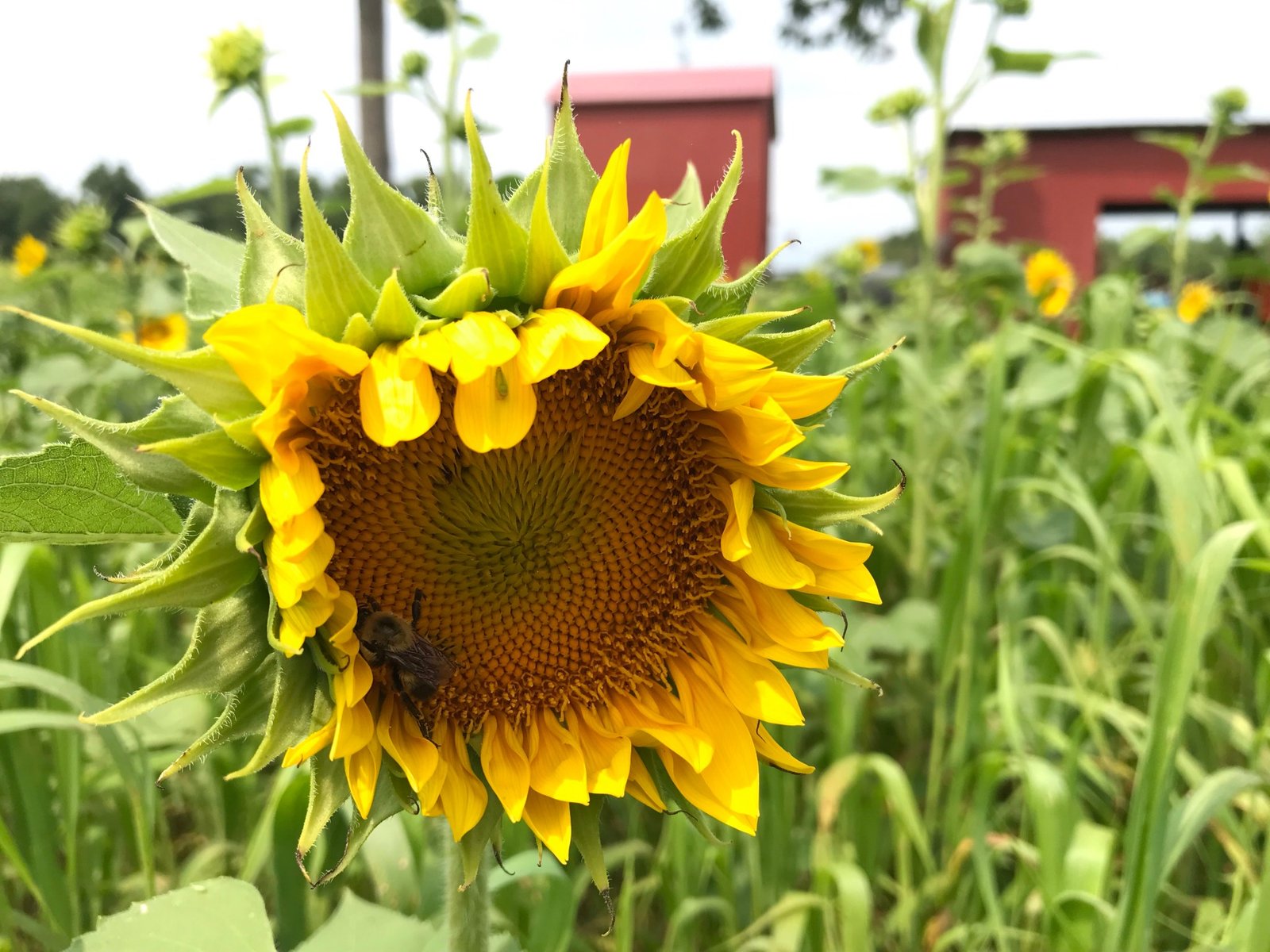
We’re nearing the dog days of summer with lows above 70 and highs in the 90s. Japanese beetles have given way to June bugs and fireflies. Sunflower and crepe myrtles are in full bloom and the corn is beginning to tassel. It feels too hot to work – almost. The bees are going through a 25-bag of sugar and the poultry are gobbling 100 lbs of feed a week. Our four broad breasted turkeys are now 16 weeks old and starting to grow out instead of up.
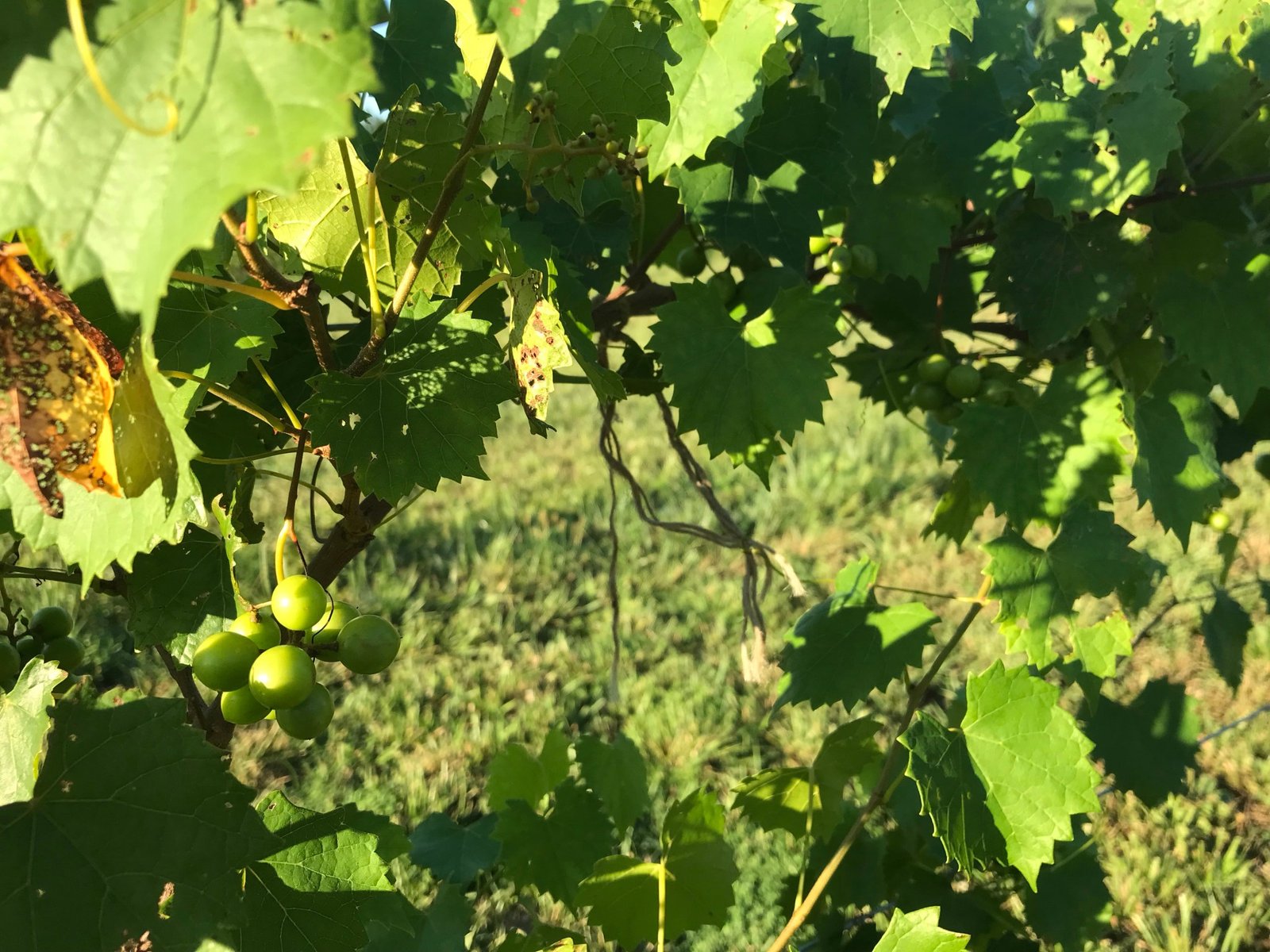
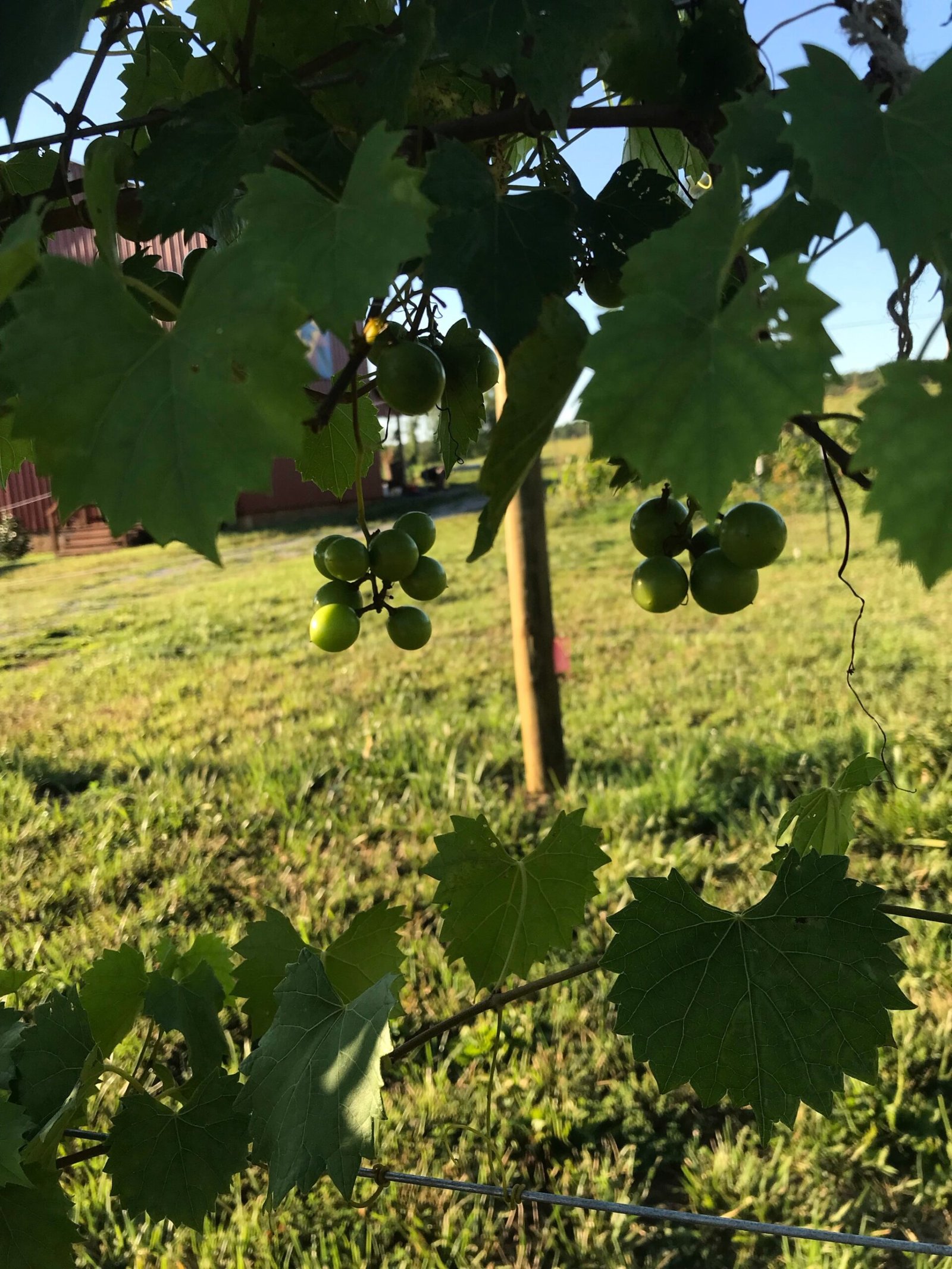
Muscadine Grapes July 14, 2022.
Last years landscaping scars have healed and the yard has never looked so green. This month marks the 1 year anniversary for the grape arbor. Two of the three vines have survived and the first muscadine bunches are swelling in the summer heat.
For the first year, our pecan trees grew up. Planted in 2017 they have seemed to sit and wait, silently stretching roots into the hard red clay. At long last they have begun to reach up, from not quite 5 feet to 8 feet tall this year.
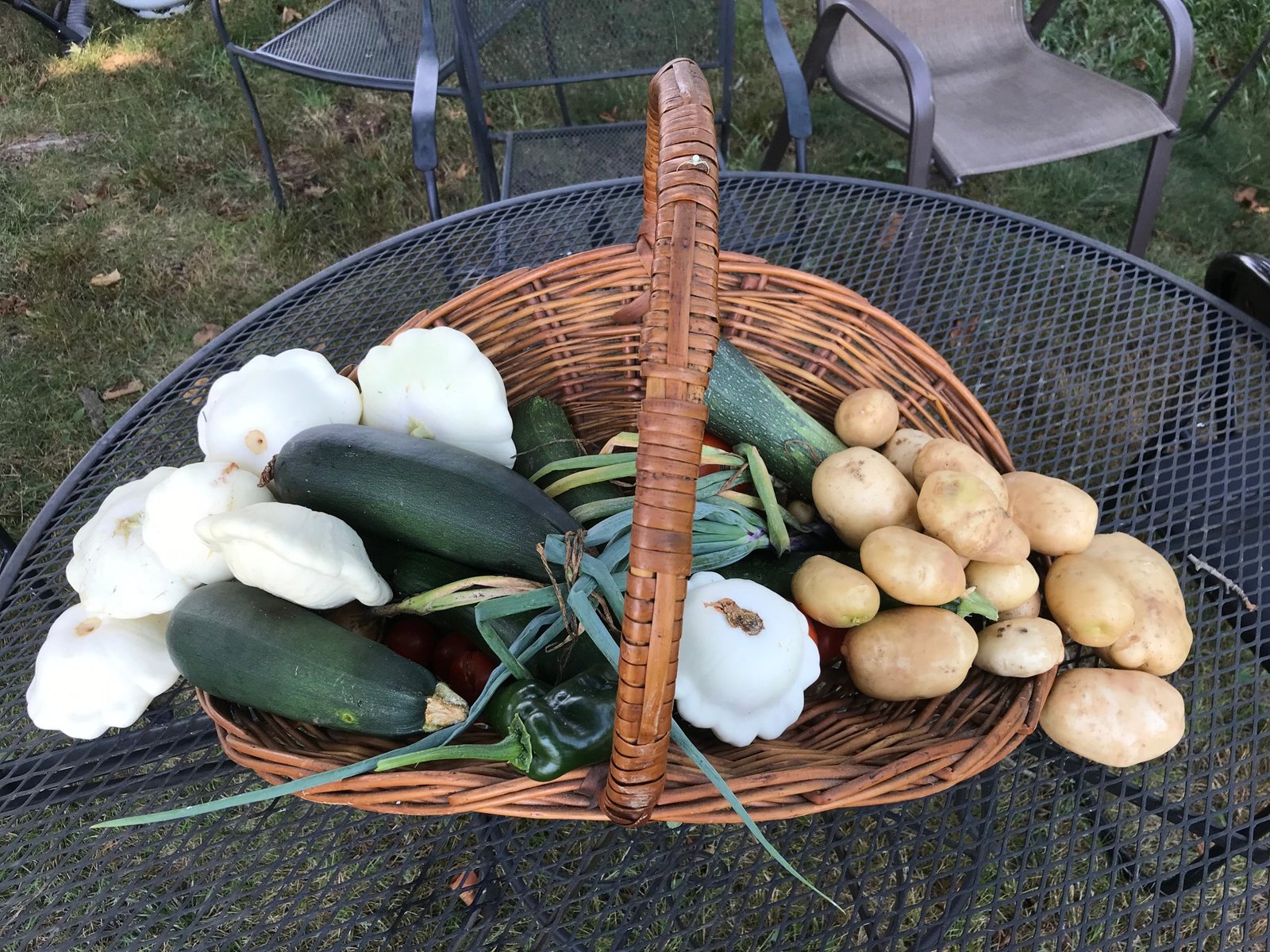
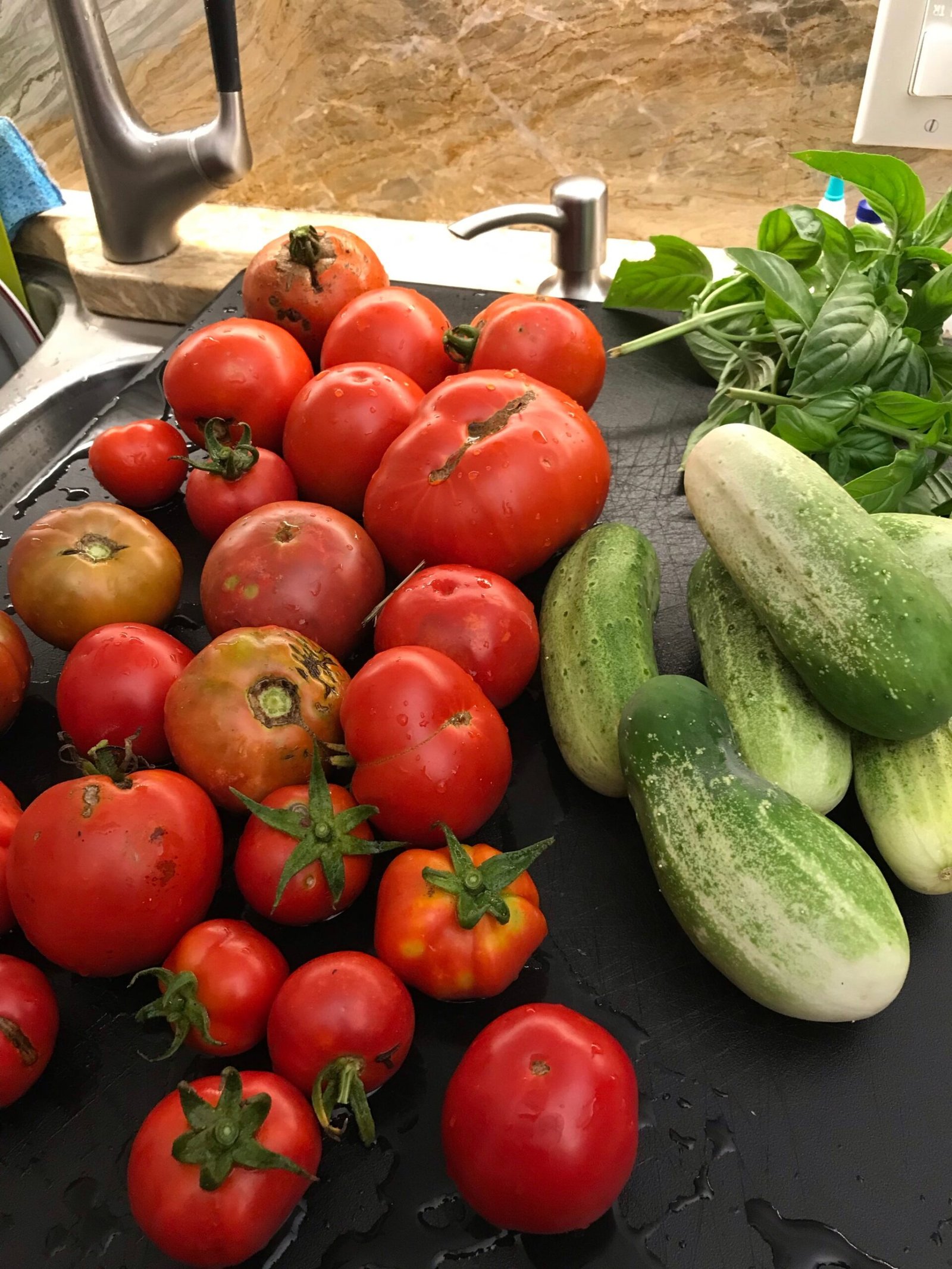
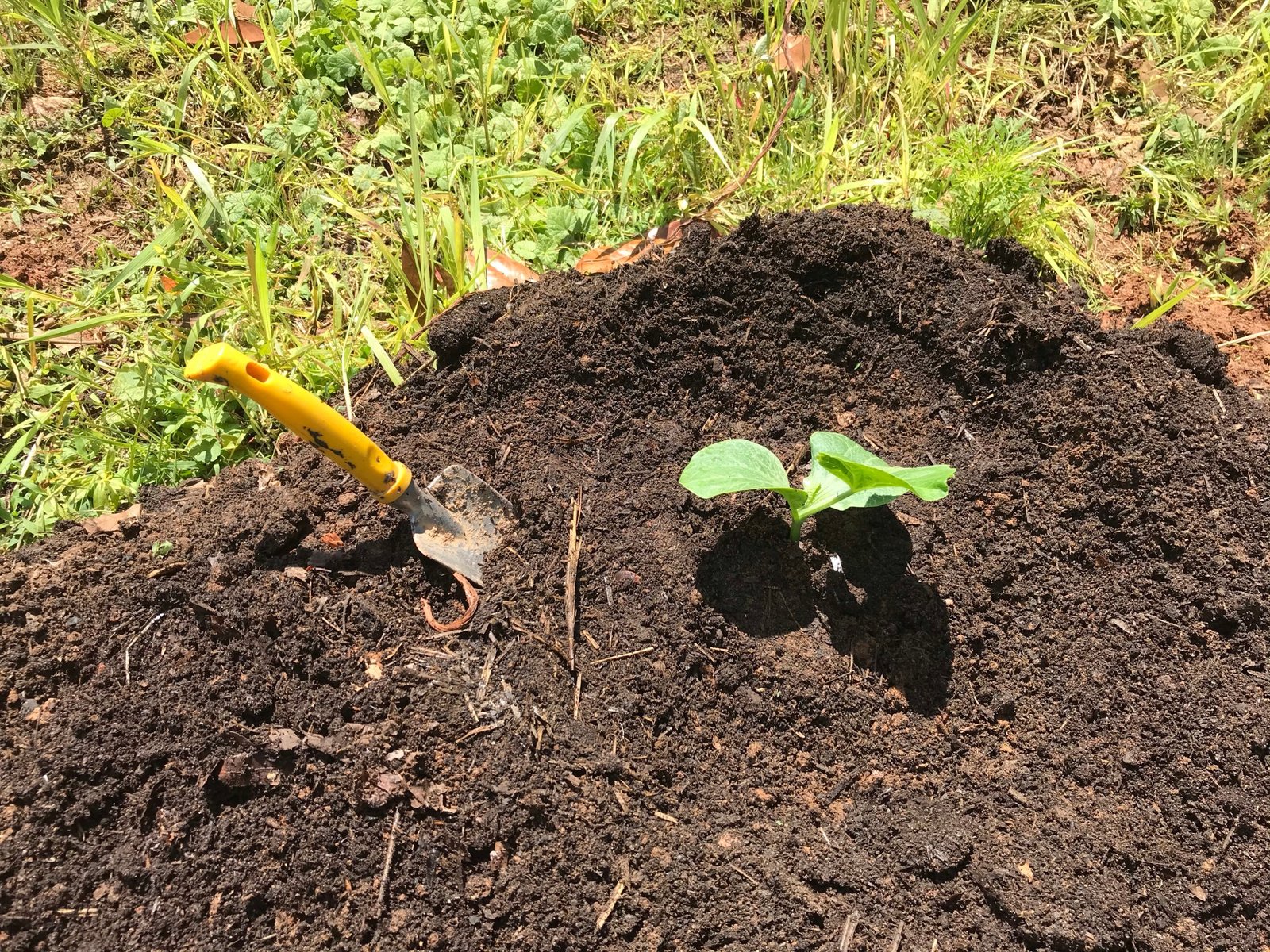
The garden has yielded buckets of cymling squash and red ripe tomatoes. The potatoes, planted in early April during the Grout’s Easter visit, have yielded 2 1/2 bushels of delicious new potatoes (Kennebec and red)! Other crops include cucumbers (a very short season due to the heat), corn, bell peppers, a small harvest of beets and some onions. We have peanuts going well and on the 31st put in a row of fall beets, collards, and carrots.
2022 makes the first year we’ve produced our own compost. Brooder house droppings and straw bedding, vegetables from last fall’s pumpkin carving competition, stall cleanings from work at the Wigwam, and the hen house droppings have composted to create so much richness. To top it off, our neighbors provided a wagon load of compost from their sweet potato plantings. Nutrients and deep plowing has improved the soil and drainage.
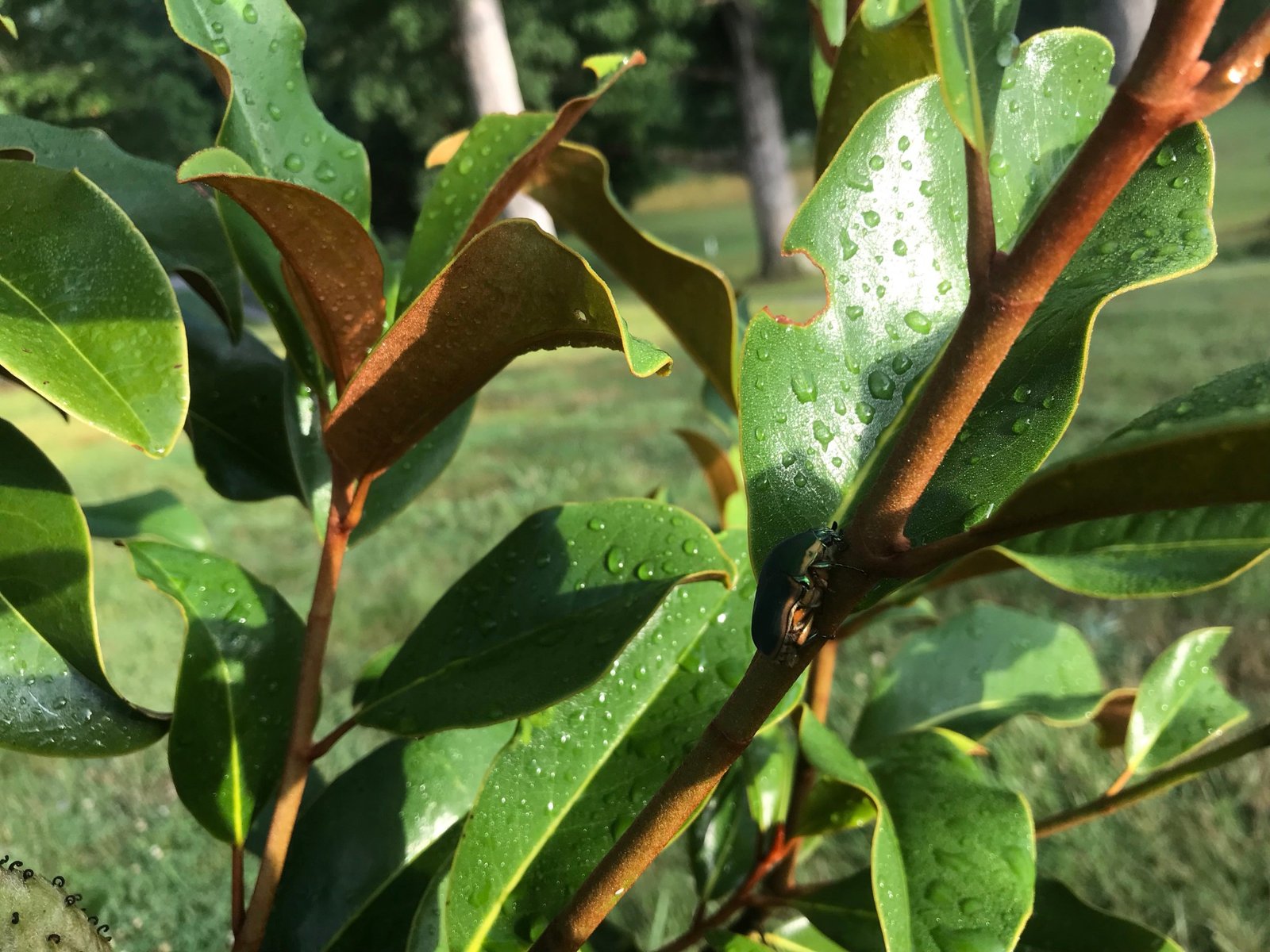
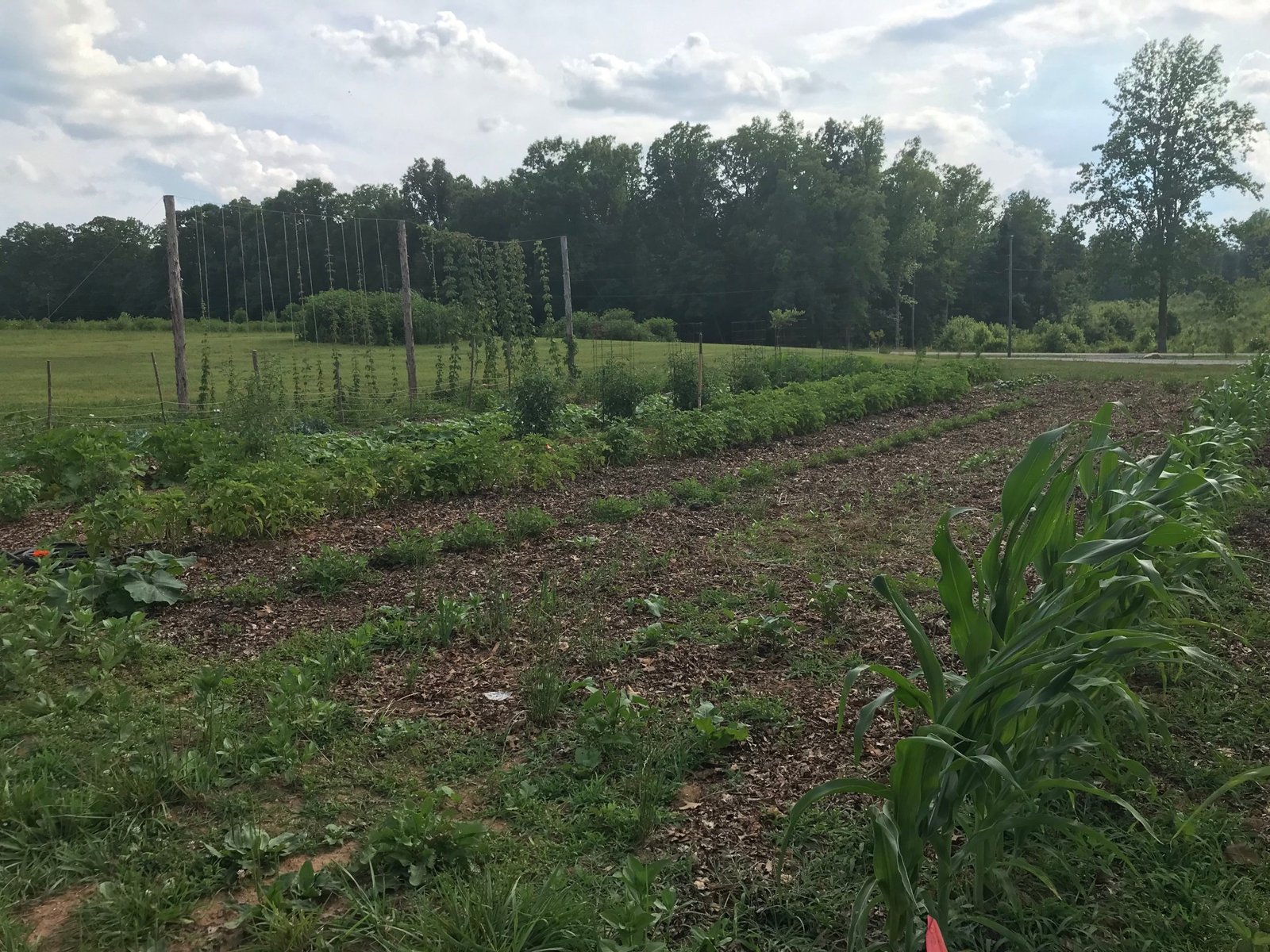
Our young Magnolia tree planted 2021Harvest 7/16/2022Muscadine grapesJuly 1, 2022. Corn, peanuts, potatoes, and hops.
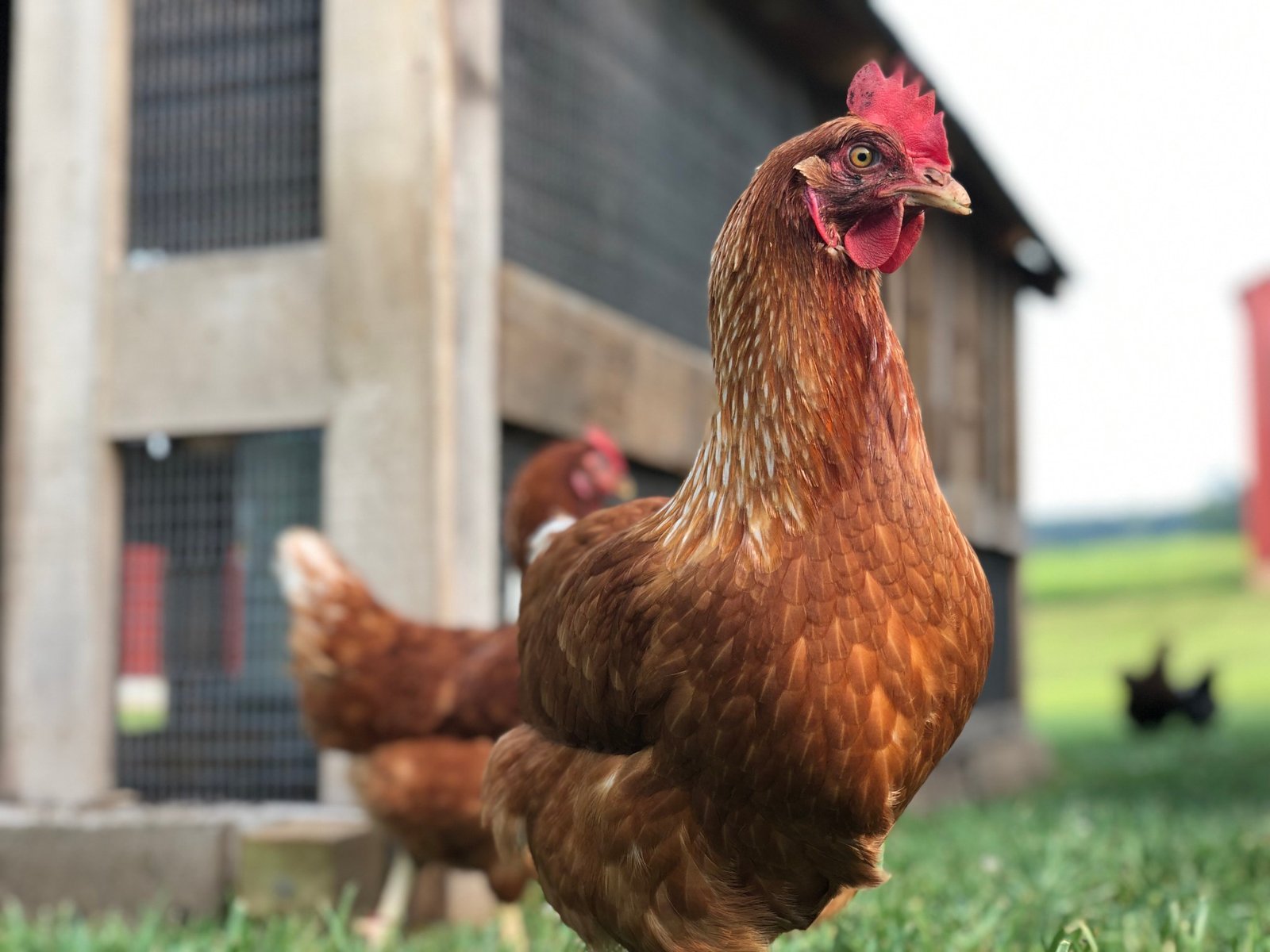
We rehomed our golden comets and leghorn chickens on July 17. Our laying flock is now reduced to 5 comprised of 3 six-month old silver laced wyandottes (hatched this Spring at Glendale) and two 18-month old hens (“Spazz” and “Goldie”). We are inundated with young pullets, cockerels, and grow-outs. A year into chickens and we have 99 chickens, 6 turkey, and three ducklings. The egg count is 2,700. At some point, we’ll open a small farm stall or egg swap but for now we are sharing with friends and neighbors.
Update: The last week of August found a pair of rats (!) terrorizing the chickens; each morning I dread finding which of the young grow outs has had its head ripped off and its organs devoured. As of July 31st, we’re still working to find a solution- baiting traps with tasty treats, hardening the pen, and setting up game cameras. This month we lost three (now four- five, six!). It been our worst month for losses to date – with three little chicks also failing to thrive in a hatchery box at the beginning of the month. It is not unexpected with the heat but it is something we will overcome and learn from.
In other big news, Brendan celebrated one year with the Division of Historical Resources (DHR) as State Underwater Archaeologist. Hurrah!
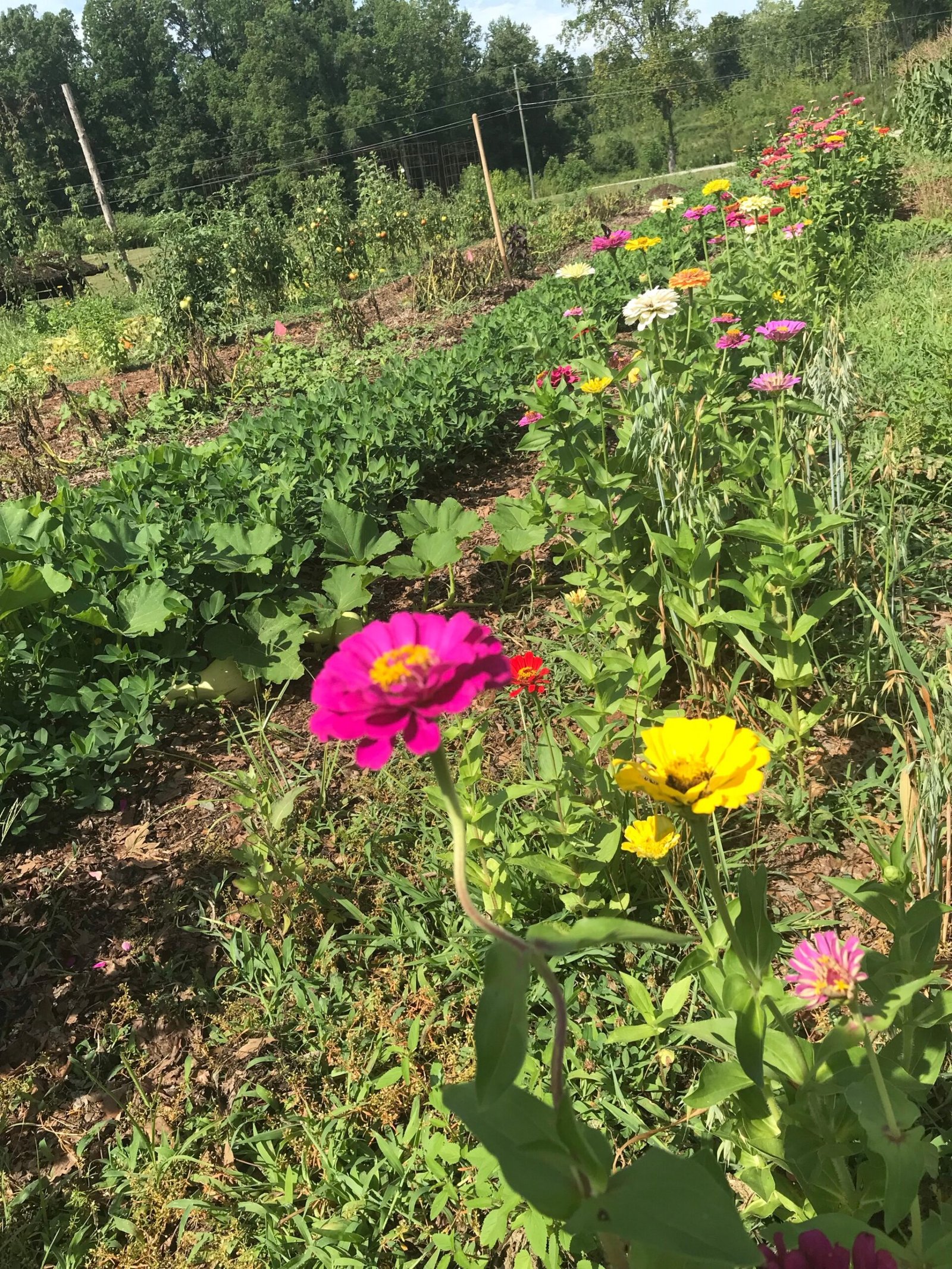
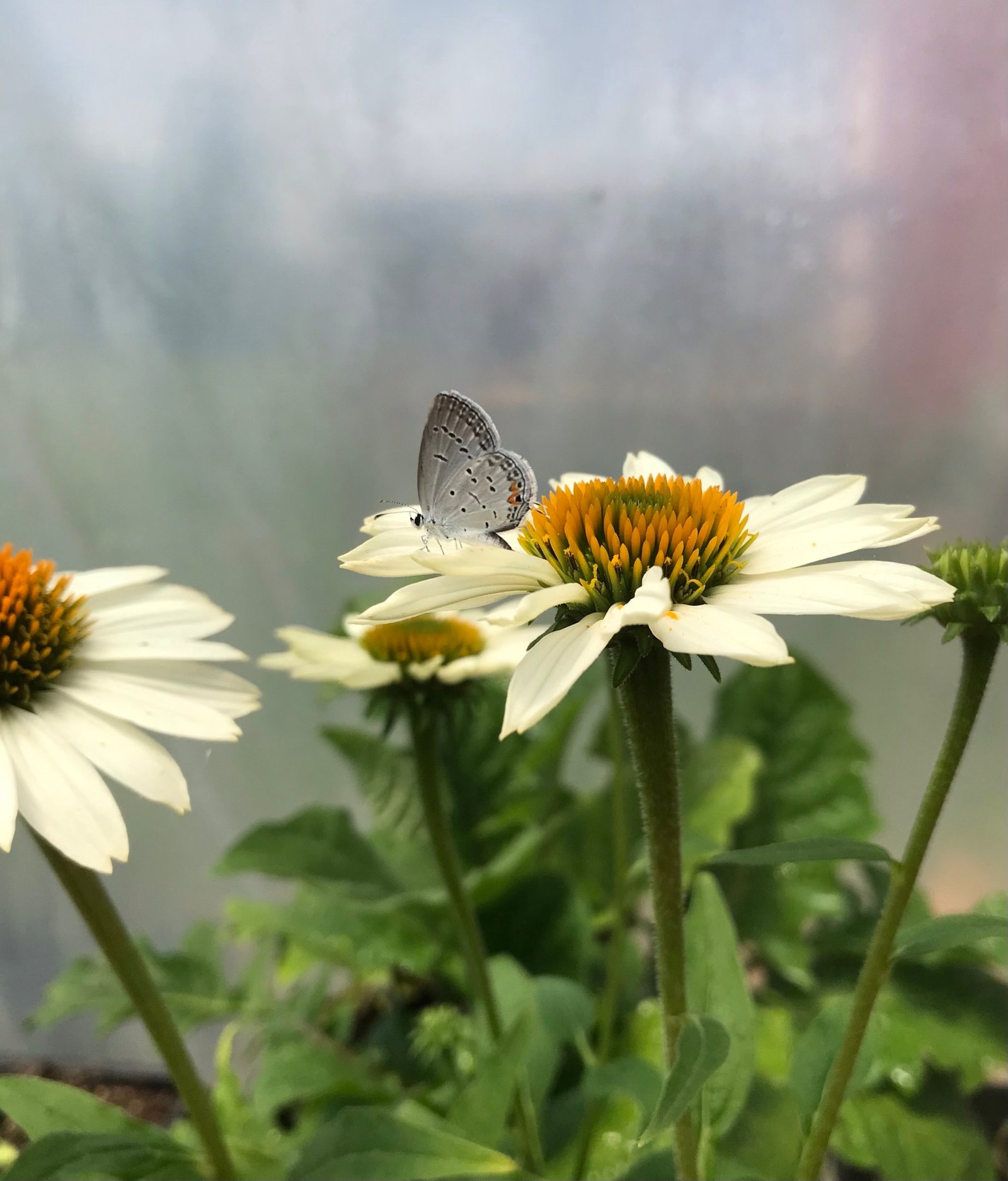
Spring turns to summer. Flowers bloom and plants grow.
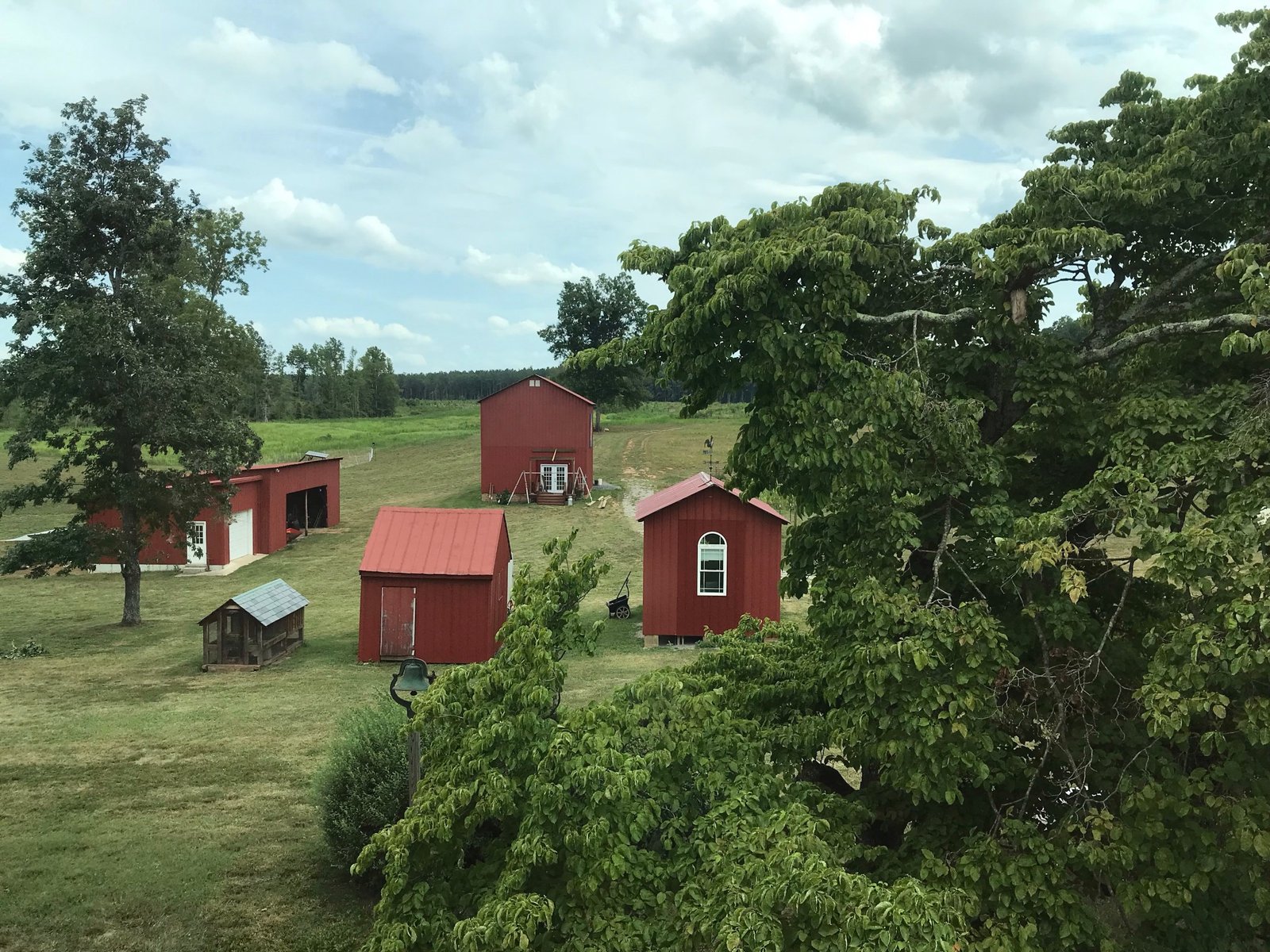
We are fortunate to have this beautiful retreat to call home. We are hobby farmers, night planters who are fully employed and not forced to depend on the fruits of our labor for sustenance.
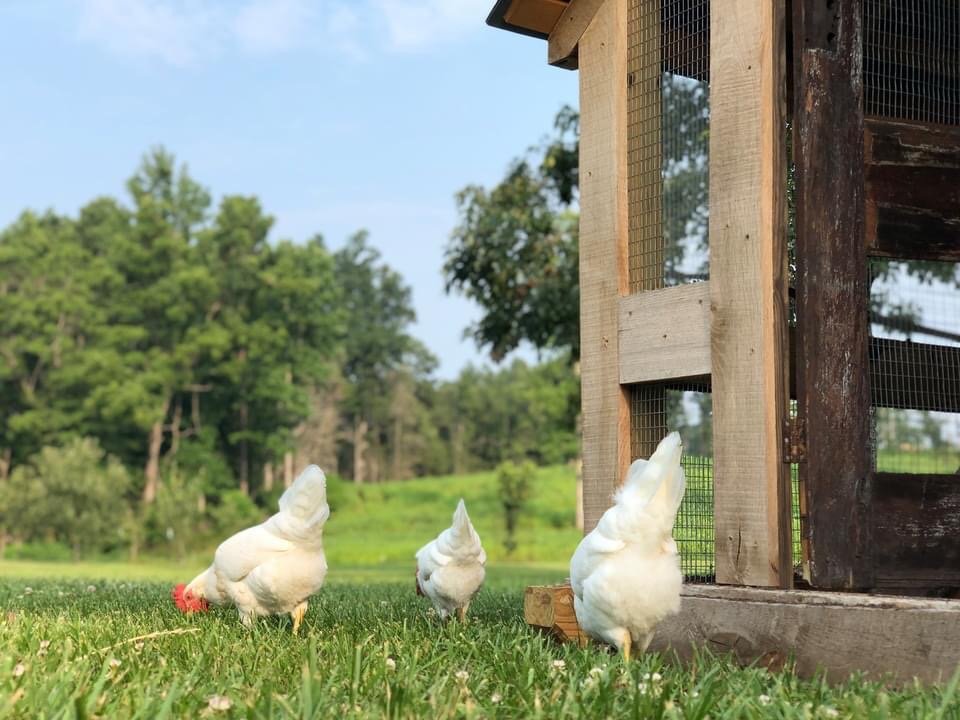
The chickens out for an adventure in the new pasture and orchard.
As of June 30, 2022, our company consists of 3 humans, 2 dogs, 2 cats, 8 hives, 10 laying hens (chickens), 1 rooster, 6 turkeys (4 broad breasted bronze and 2 royal palm), 3 ducklings, and 114 chicks.
The chicks are home hatched and from Cackle hatchery in Missouri. To date, in 2022, we have hatched 7 batches of chicken eggs and there are 23 quail eggs in the Nurture 360 incubator. UPDATE 10 hatched on June 23! We rehomed our rooster, Jubal, in May. While protective, his amorous attentions were simply too much for our hens. Good luck Jubal! We’ll miss you (a little). One of him progeny, Wade Hampton, has stepped up to the role – but we’re keeping him away from the hens (for now). Chicken math! Our four broad breasted bronze turkeys are huge at 11 weeks and will be delicious this fall.
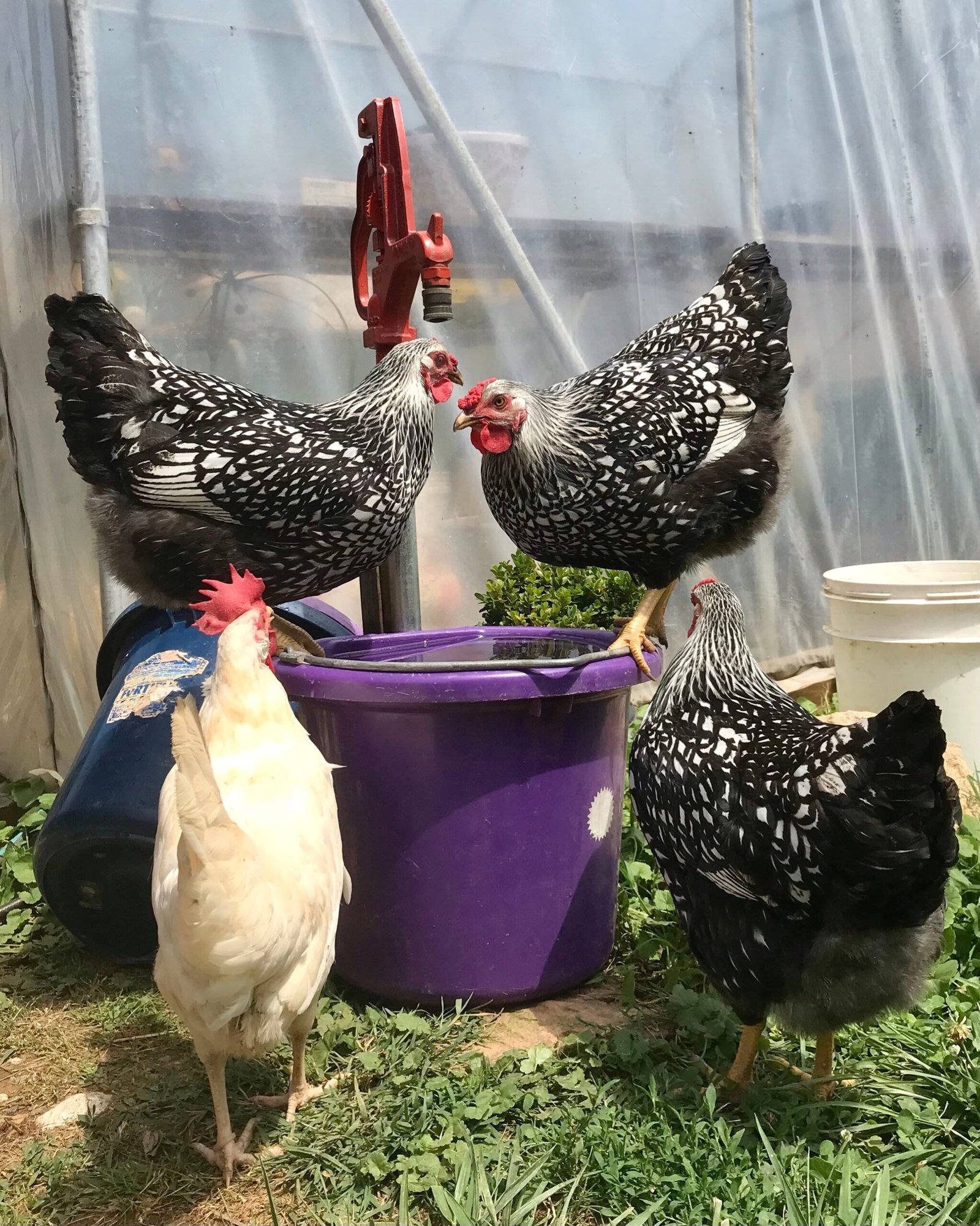
The chickens gathered road a bucket for a cool drink in the hot afternoon.
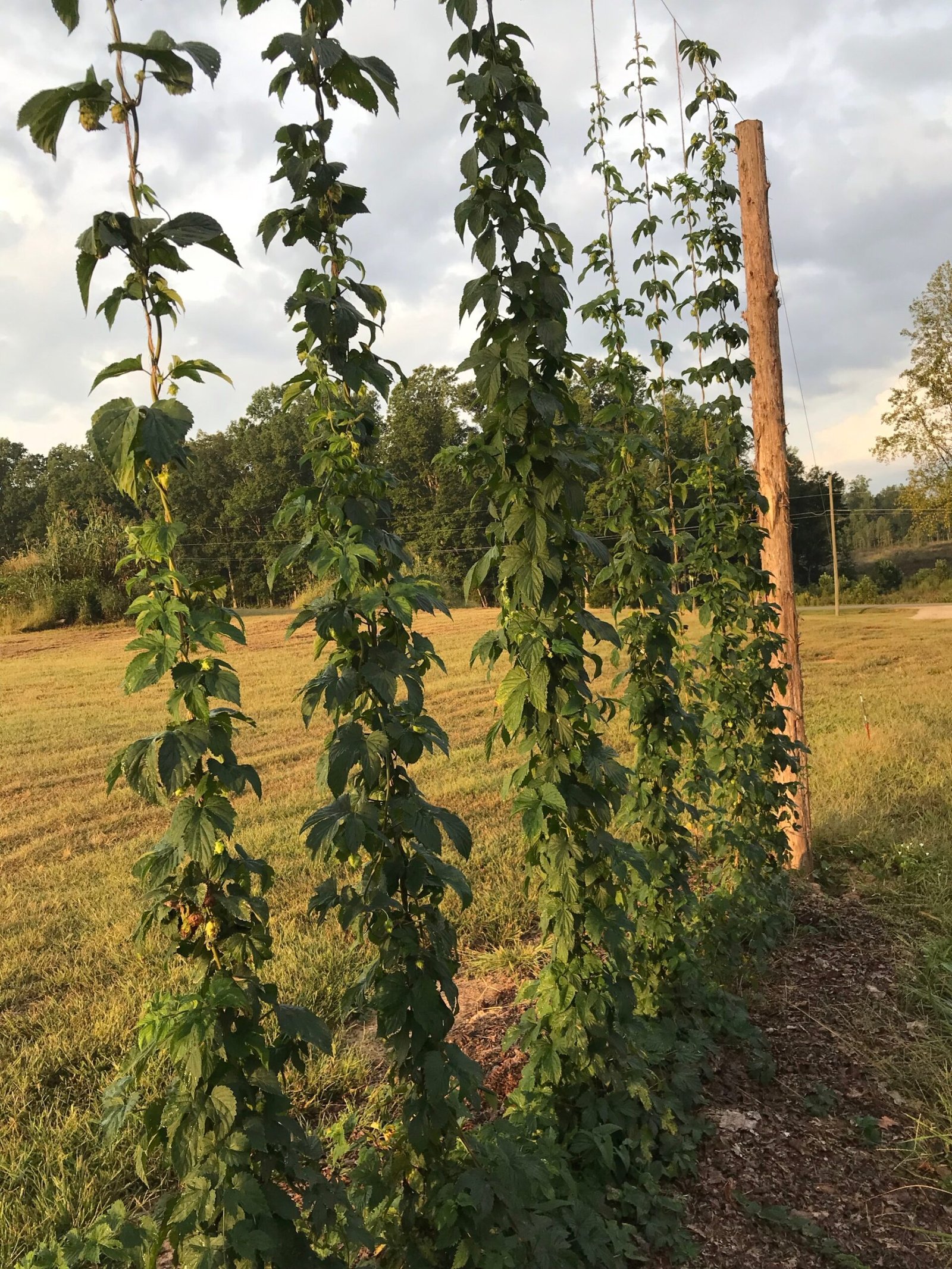
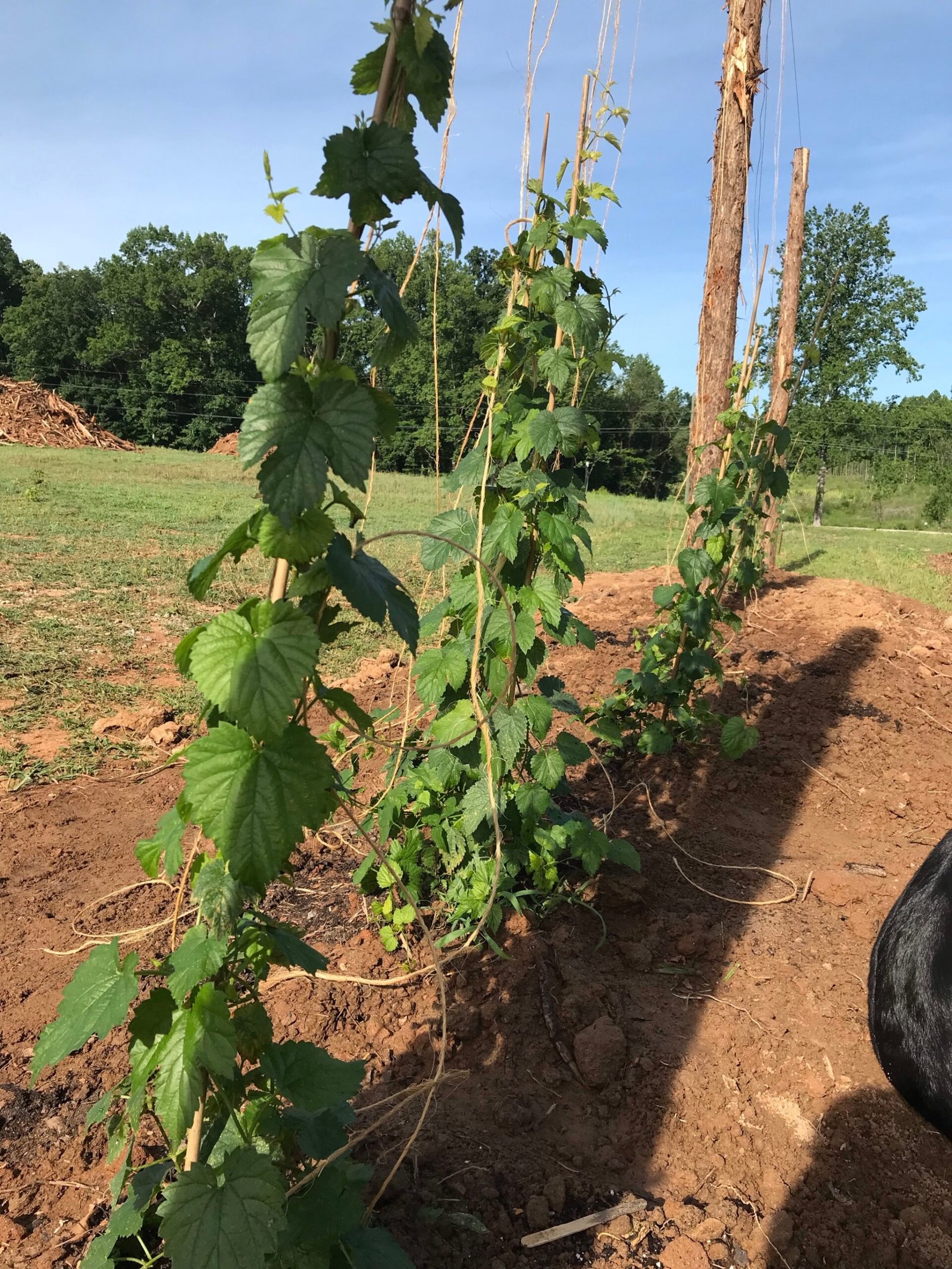
The garden has improved vastly over last year. We have harvested new potatoes, squash, and a few beets at the beginning of June. The corn is now waist high and a second crop is ankle high. The centennial hops are ripe and the golding variety are close behind (it’s almost time to brew beer, again)! Two of the three muscadine grape vines are growing (one failed) and we have a new row of thornless blackberries – from Lowes and the Gilmanor chicken swap.
Our three peach trees are alive but struggling. The leaves are turning red and yellow and at three years old, they have not begun to set fruit. The two pecan trees planted in 2017 have finally gotten their roots. In 2022 they have almost doubled in size (hurrah!).
Our bees have been a trying experience but we continue to learn and will be extracting our first honey at the end of June. They are in a robbing mood as the honey flow is nearly over and the summer dearth is going to begin soon.
The pasture got a good start and the cool season grasses are growing dormant with the warmer weather. Last year we had a good stand of natural crab grass and are hoping for a similar result this year.
Stumping and clearing continues to the north. Almost 17 acres to date! As Diesel prices soar ($5.27 at last purchase) we’re glad we’ve been able to do as much as we have. Brendan purchased a new (to him) 1969 International Harvester 856 at the end of June. It’s been an action-packed month!
“It is (still) wonderful how much may be done if we are always doing.”
Thomas Jefferson
March marked the one year anniversary of these monthly blogs. I thought it would be nice to do a little progress check and see how far we’ve come in a year including land-clearing (establishing pasture), chickens (and chicken math), bees, apple trees, and the garden – among other things.
Land-clearing continues with the excavator and Buttercup, our D-6. At last count we had stumped about nine acres. Three have been drilled with a pasture mix (20 lbs/acre), limed (6 tons per acre applied over two years), tested, and fertilized (a mix of 40-130-40). It’s been a process but we have goals to build a shelter and fences this fall and bring Gus home sometime next Spring (maybe for our mutual birthday, lol).
After two years of trying, we had our first show of tulips. They benefited from about 100 lbs of horse manure applied last fall and some gypsum to amend the soil. Progress!
Drilled lines of new pasture!
In the garden we learned from last year that planting potatoes can wait until the ground warm up and sure enough, we had success!
This year brewing has taken a back seat to the birds and the bees. One year in, we have 84 chickens and 4 broad breasted bronze turkey poults. The chicken infrastructure includes an ad-hoc brooder house with pumpkin boxes and chicken wire (formerly the grannery), the hen house constructed last year for our laying ladies (currently there are 8), and a 200 square foot grow-out pen attached to the back of the machinery barn.
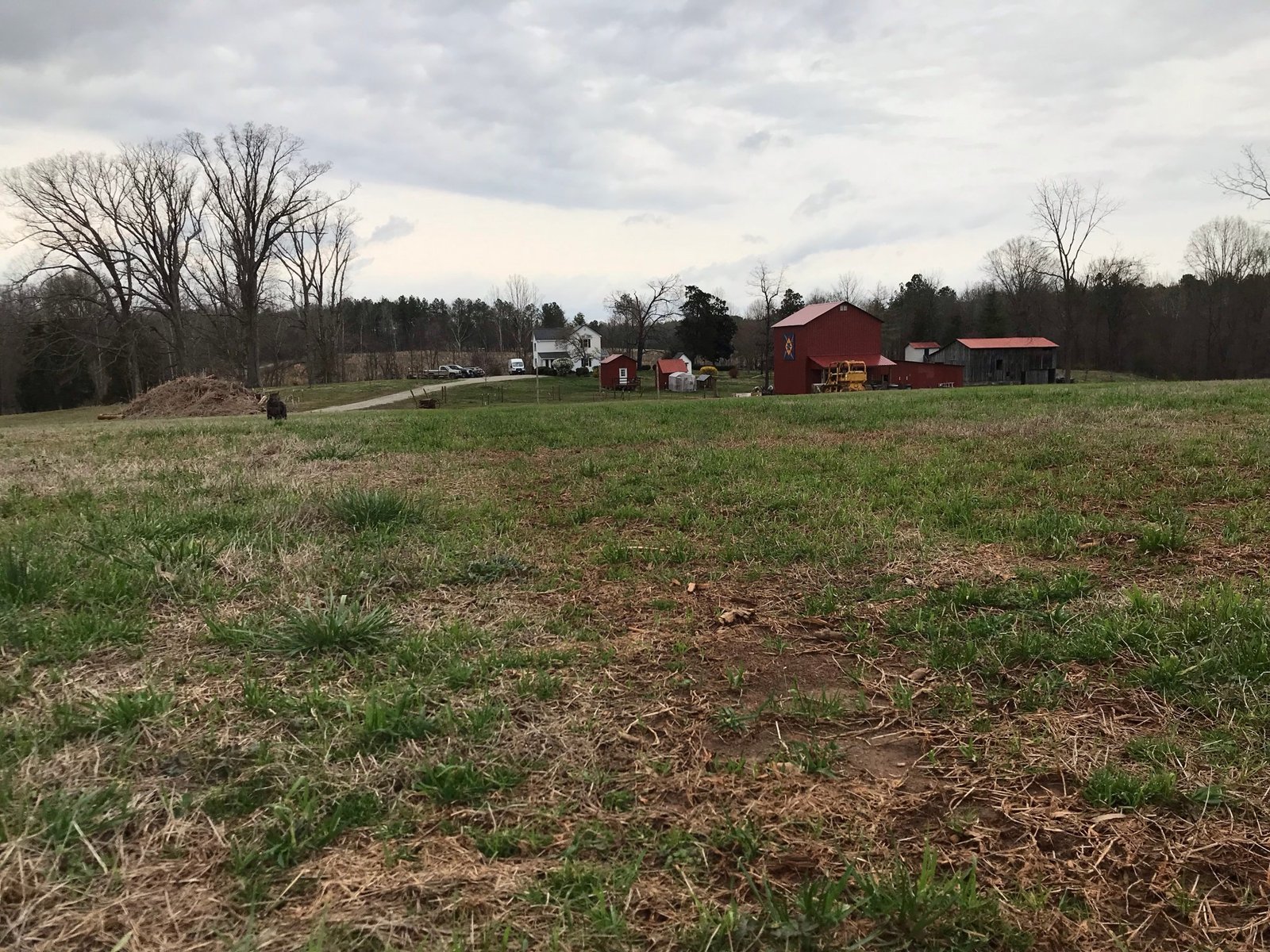
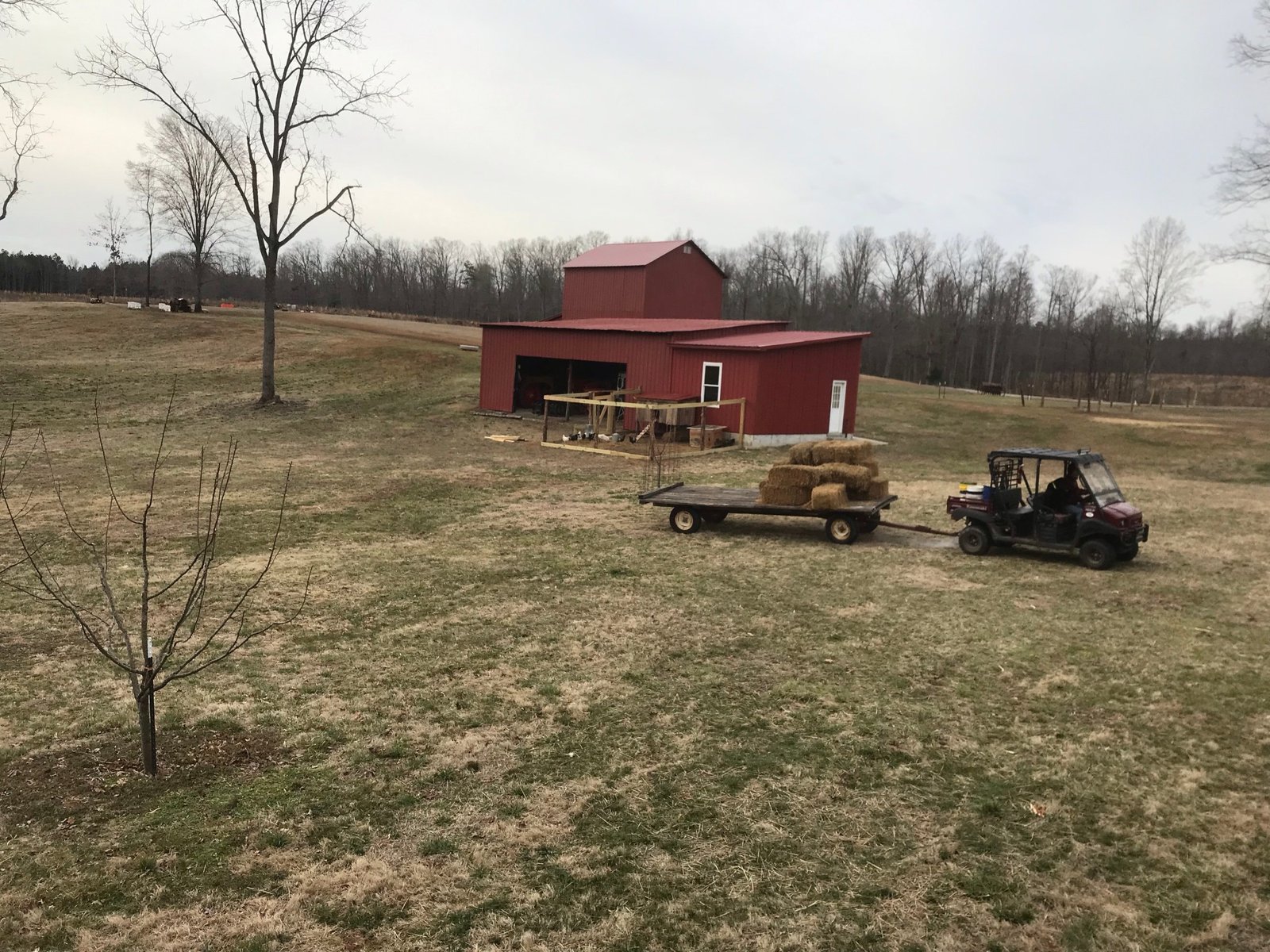
March 2022, view from the apple orchard towards the new grow-out pen.
Out of the eight hives we inherited last fall, two overwintered and both swarmed in early April. Thanks to good advice, we managed to catch the first swarm on the chimney ruins and set up a cedar tree as bait. From April 4 through the 20th, we caught another four hives. We have A LOT to learn about bees!
Early Spring and one of the overwintered hives.
The current state (at the beginning of May 2022) is seven hives, many of which are in need of repair or replacement. Five are small or weak and we’re working to keep them growing and healthy. Brendan ordered mite treatment and in April we took a trip to Scottsville Supply to buy new boxes (12).
In the garden, the permaculture area is now a year old. We have erected high tensile trellises for blackberries and grapes and last year’s grapes are beginning to grow. The centennial hops are growing vigorously and the Goldings are well, if a little behind.
For Easter, Coral and the Grouts came to visit. We planted potatoes and hatched a new set of 16 baby chicks.
Get ready for changing seasons, land-clearing, egg-onomics, dove hunting, and Gus’ new shoes.
Make hay while the sun shines, or in our case clear land while the weather’s fair. September brought a breath of cool (less humid) air, a delivery of four new hives, more stump excavating, doves, and an abundance of eggs. Gus got a new pair of pour-in shoes while my own paddock boots cracked and split.
Dove season was an exciting time. A cover of millet, sunflowers, and volunteer clover was too tasty for the doves to ignore. Lilli had the chance to put last year’s Christmas present (20 ga) to work and a happy Chet tracked the fallen birds through grass, brambles, and brush.
A friend brought four more hives to weather the winter at Glendale. They are not the strongest but hopefully will be able to take advantage of blooming golden rod over the next few weeks. Our good neighbor Paul Jones will bring feed to give them a better chance of survival. If any fail, the empty hive will be available for spring swarms to colonize. Life finds a way!
Paul Jones brought over four new hives to spend the winter.
Land clearing continued as the cooler weather has made the work less sweaty. Over the past 12 months, Brendan has cleared about 5 1/2 acres and we have plans to open another 4 1/2. We’ll divide the 10 acres into several paddocks with the intent to not only bring Gus home but also purchase a few cattle. Brendan is considering Angus but we’ll see what happens. We still have stumping, grading, planting, and fencing before we introduce more feet! Next month, Barry plans to bring over a small bulldozer (Cat 450) which will help the process along. With both Brendan and I fully employed, it’s going to take some night farming to make it happen.
The 9 chickens laid a record 229 eggs this month. We’ve been fortunate to gift eggs to neighbors and friends, and have even color-coded them: the Wyandott lay a beige egg, the Golden Comets produce a large brown egg, and the Leghorns gift us giant white dobbers. Like most hobby chicken tenders, we’ve run out of egg cartons and have taken to lending small baskets or wrapping them in paper.
Chickens visiting the home SEARCH office.
We picked 6.5 oz of hops from the Centennial hops mid-month. The Golding didn’t produce but that’s not uncommon for the first year. We’ll leave the hop bines standing until the first frost to encourage as much growth and energy storage as possible. The wet hops went into a 10-gallon batch of Farmhouse Ale for the second fermentation. We’ll keg it in early October and enjoy it for OctoberFest.
Hop cones ready for harvesting
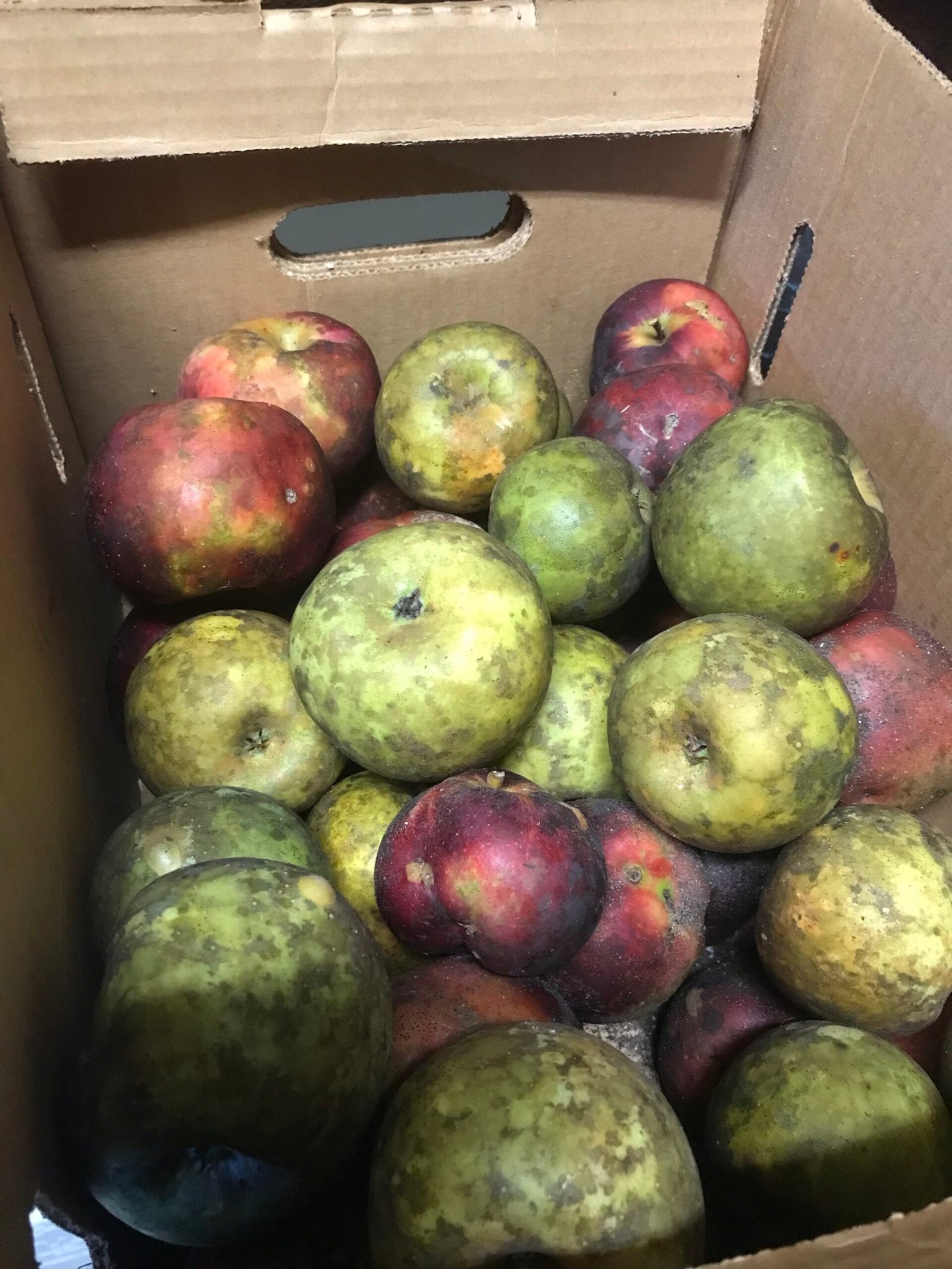
The first apples are ripe and ugly. Thanks to the deer and wasps, there are too few to bother with cider but we did find a pulley and belt at the Somerset Steam and Gas show. We’ll attach it to the hit and miss engine next fall to run the cider mill. This year we’ll satisfy our curiosity by picking the best apples and deciding which varieties we like best.
Last but not least, Gus got some fancy kicks. Being a first time horse owner, it’s been quite the learning process. He pulled a shoe and had underrun his heels a couple of weeks ago. We tried going barefoot but I finally caved in. The new shoes will support his frog and give his heels a chance to recover.We’re lucky to be in a part of the country with good care and a great farrier.
At long last, in 2021, our first crop of apples is ripening in the orchard.
Hot humid days and warm evenings; the delights of summer are manifest in shades of deepening green, with dewey mornings that give way to oppressive days that make us long for cool, crisp nights of fall delight. Not yet. Summer passes slowly with light changing from bright yellow to softer amber as days begin to slowly shrink and evening lengthens. Across the county, hay is being cut. Corn stalks stand tall and dry and soy beans have begun to change from green to gold.
Bush hogged trails
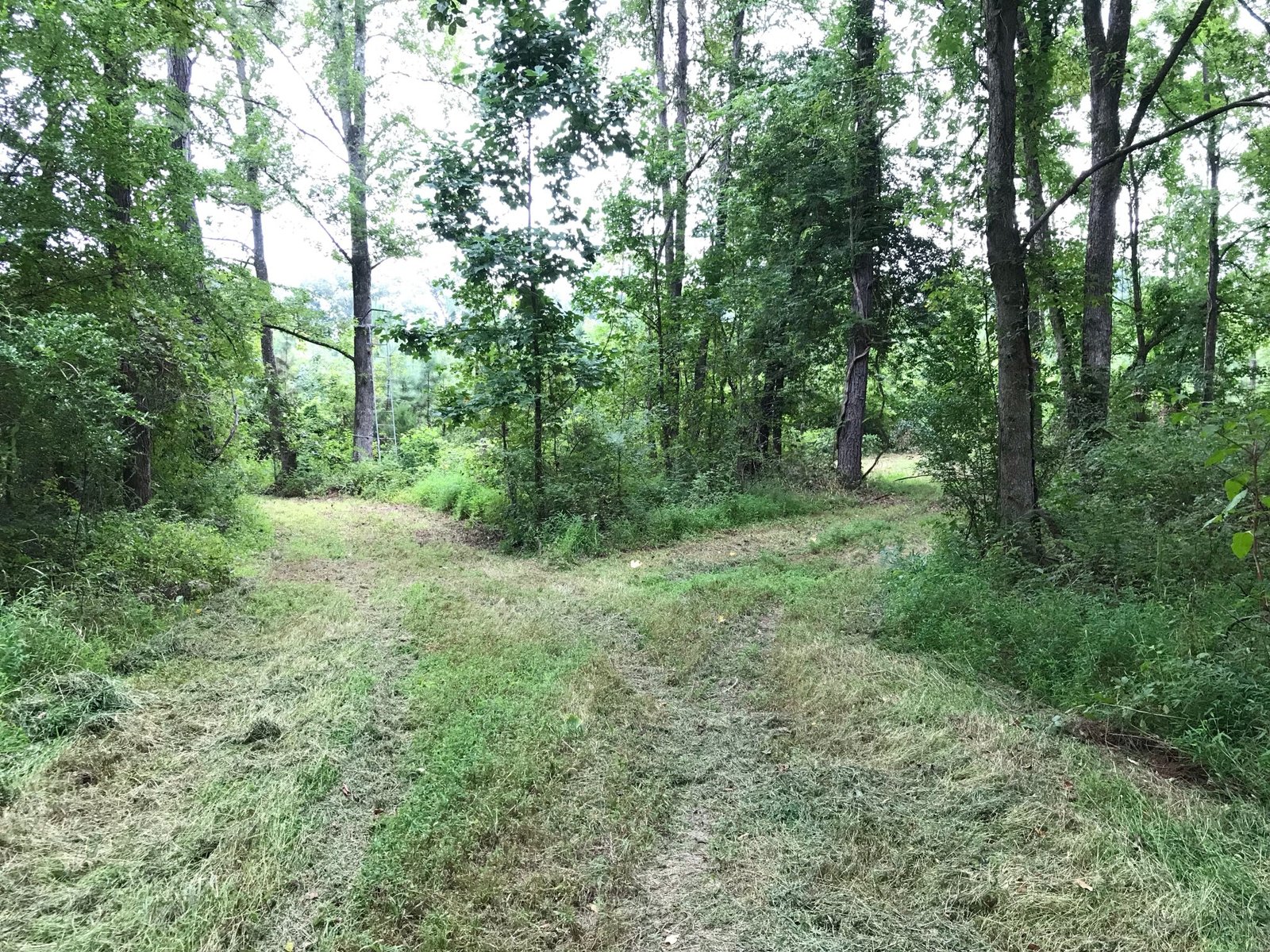
This month, after the grasses went to seed, the trails through the woods and around the fields were bush hogged. Each year Brendan opens areas and lanes, giving us access through thick brambles to parts of the farm that are soon overgrown if left alone. The lanes provide a pleasant path for walking or running, and create habitat for grazing wildlife including deer and turkey (Also, when Gus comes home, we will have a couple of miles of trails to trot and explore).
Sooty blotch!
By August, the apples are splashed with patches of sooty blotch and have swelled with tantalizing hints of sweet inside. This year our young trees are yielding a small crop that will ripen next month. The harvest will stretch into October – one or two apples from many of the trees although a couple may give up half a bushel, with their first harvest. We’re pleased at the modest yield. Our own apples – ugly and sweet.
The converted tobacco barn provides a cool retreat from summer’s heat, where Helen can build cutting boards and repair old chairs. This month the shop also serves as a new home for Ketch, where he can adjust to life on the farm, while he exchanges scritches and pets for a rent of lizards, mice, and bugs.
The thinkspace. Our newest member, Ketch, is a friendly, easy going guy from Amelia Animal Control, with an intelligent demeaner and a pleasant, people-loving character.
The garden… Lessons learned from the Spring 2021 garden:
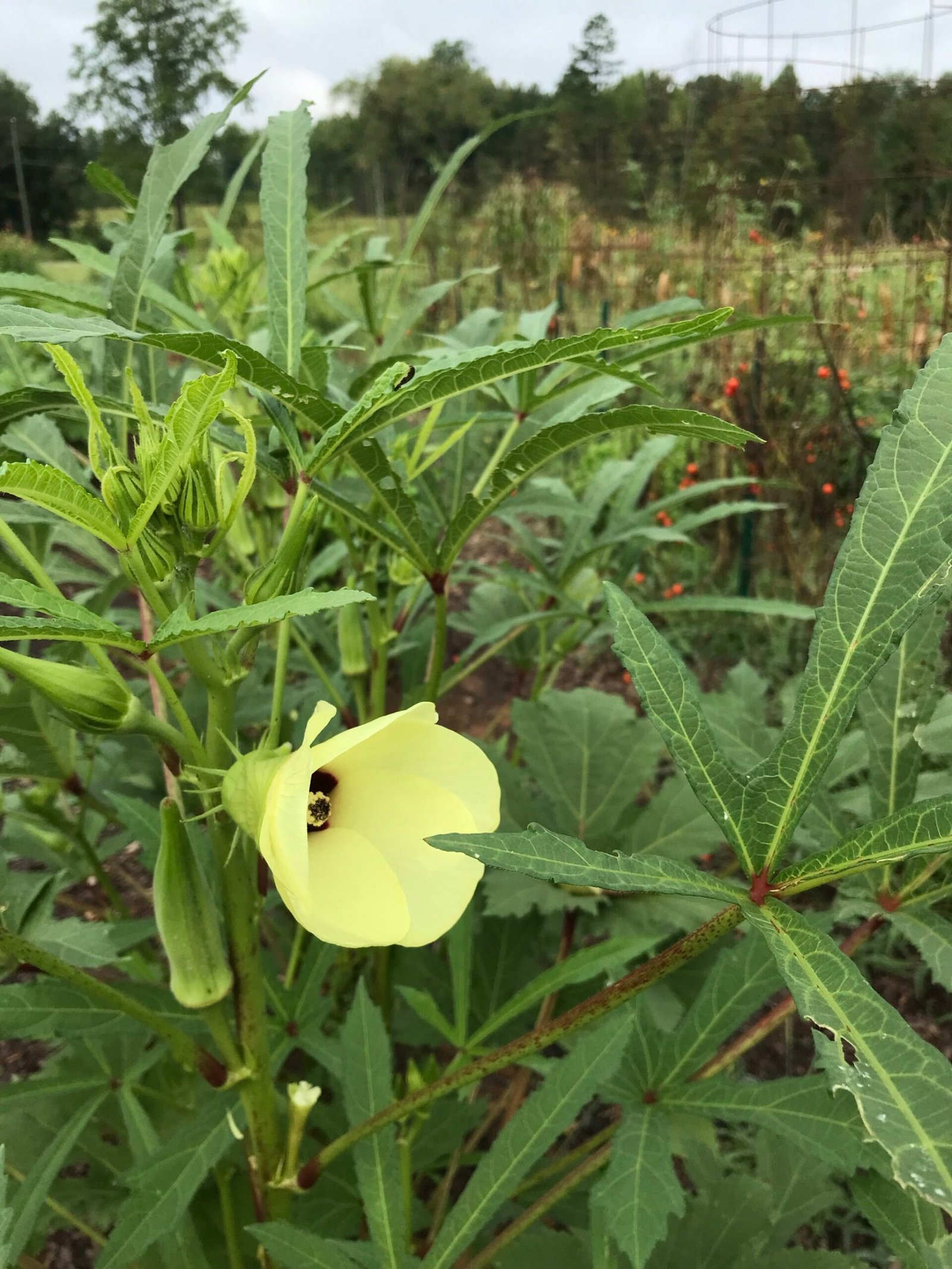
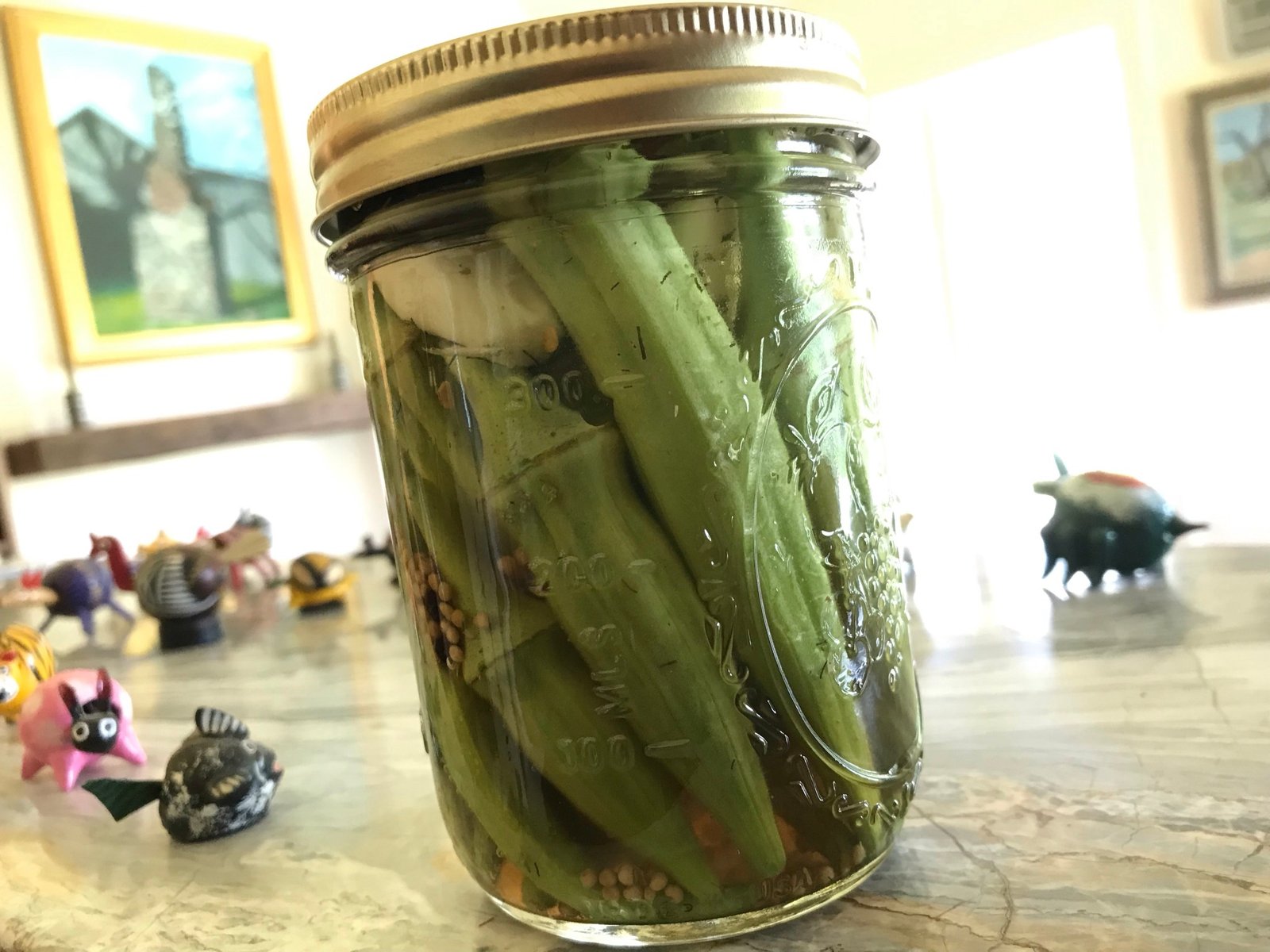
Okra on the plant and pickled in the refrigerator.
Few pursuits are more frustrating than a garden that languishes or suffers from pests, especially one that spirals out of control under the misguided hand of a neophyte. Guilty on both parts, I can appreciate this year’s healthy dose of humility- a result of biting off a project too large but nevertheless enjoying the trip.
Plant like with like. The haphazard planting of seeds and plants may work in a small patio and yield a charmed and quaint appearance of bounty. Spread over 3,500 square feet it creates a cacophony of sizes and maturity dates that provide an ideal habitat for every known variety of weed and annoys your husband without end.
Don’t rush the weather. This year, a long cool spring put many plants into stasis where they stayed for weeks or months- not growing, not dying. We replaced some and left others. The new plants quickly outgrew the older neighbors. Plants sometimes languish and it’s hard to admit it but sometimes it’s better to start over. If you have space, keep the first ones and watch to see if they catch up. Sometimes they do (and sometimes they don’t).
Keep working the dirt. Green ground is the worst but it will keep getting better with time as long as you don’t give up. This year the plants were stunted and we think it may be the hard packed underlying clay. On the list for next month are soil samples along with a plan to deeply plow and punch holes in the underlying hardpan.
Enjoy the fruits of your labor. Don’t wait for someone else to eat the perfectly ripe cherry tomato. Try fresh corn straight off the stalk, pluck a baby okra, and sneak a fresh pea. Nothing tastes better. Period.
Have fun. Don’t argue about the location of plants or row spaces. You have all the time in the world to try something new if this year doesn’t pan out.
Stop and smell the roses. Really, just take a deep breath and breathe out. Oh and zinnias are the best!
Late August garden- the rows of tomatoes and eggplant are gone. Hops in the background and zinnias in front.
SR-627 was built about 1920. The residents living along our road including Brendan’s grandparents elected to name it in honor the local doctor, Mr. Cheatham, who helped deliver many of the residents but had no children of his own left his name on the new road. The old road that passed through the farm was abandoned and slowly reclaimed by nature so that today there is only a faint path worn by years of buggies and foot traffic, abandoned and eroded by rain and storms. Gently smoothing it into shape with the old Ferguson, we erected a two-rail split rail fence that followed the old path along the edge of the field into the woods. With a hand seeder, we spread 50 lbs of sorghum to reduce erosion. Not bad for a weekend’s work!
Making the old road new again
The grape arbor was erected on the north side of the garden and hosts Alachua muscadine grapes. Each of the three vines has been trimmed and trained to grow vertically next to a 4-6 inch diameter fence post. High tensile wire provides support for the frame and chain on either end works to lever and tension the wire. The wire and tensioners were purchased from Tractor Supply while the posts came from Poultry Services, a local feed and seed store.
The sunflowers bloomed amidst the self-seeded millet.
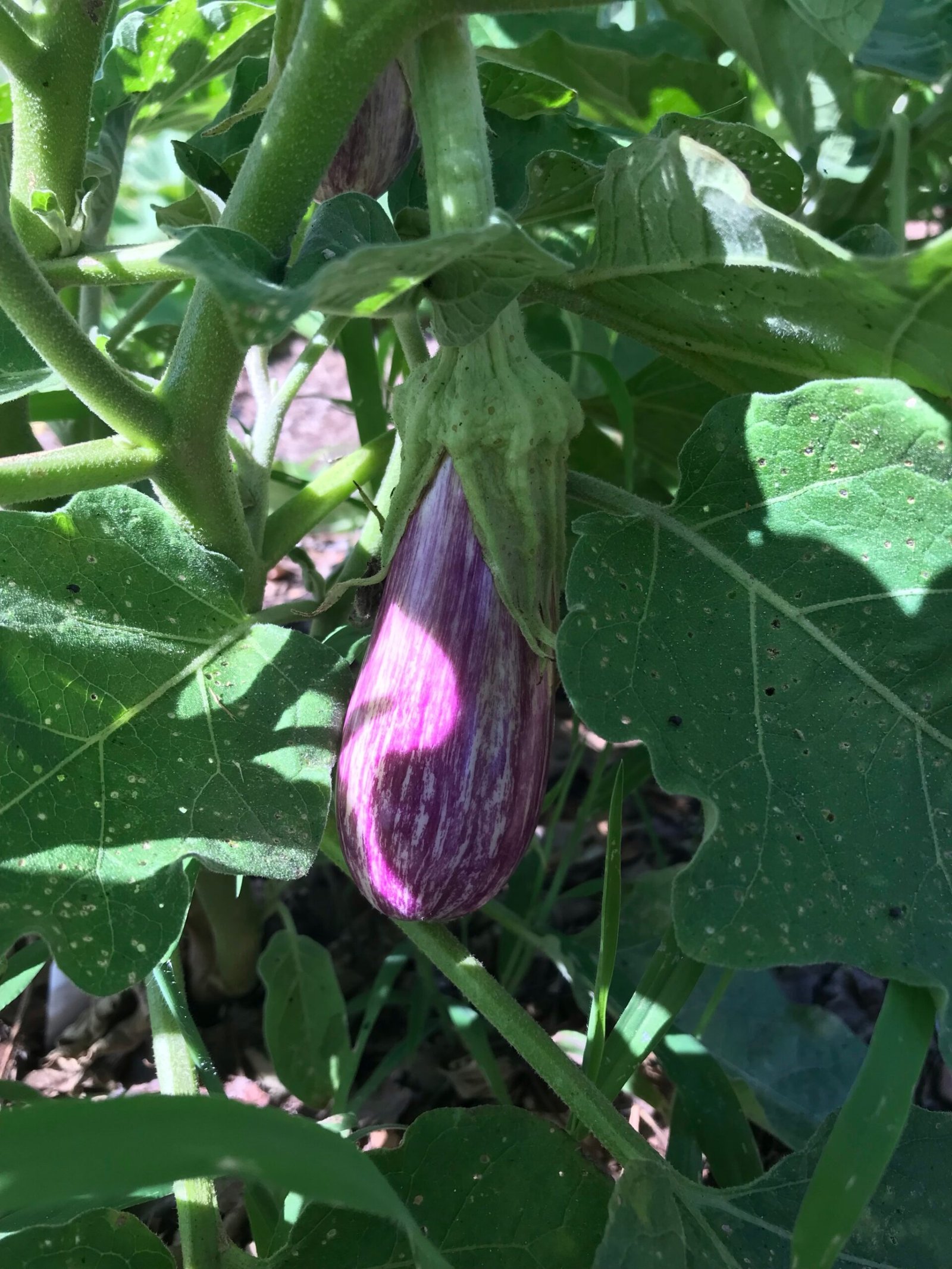
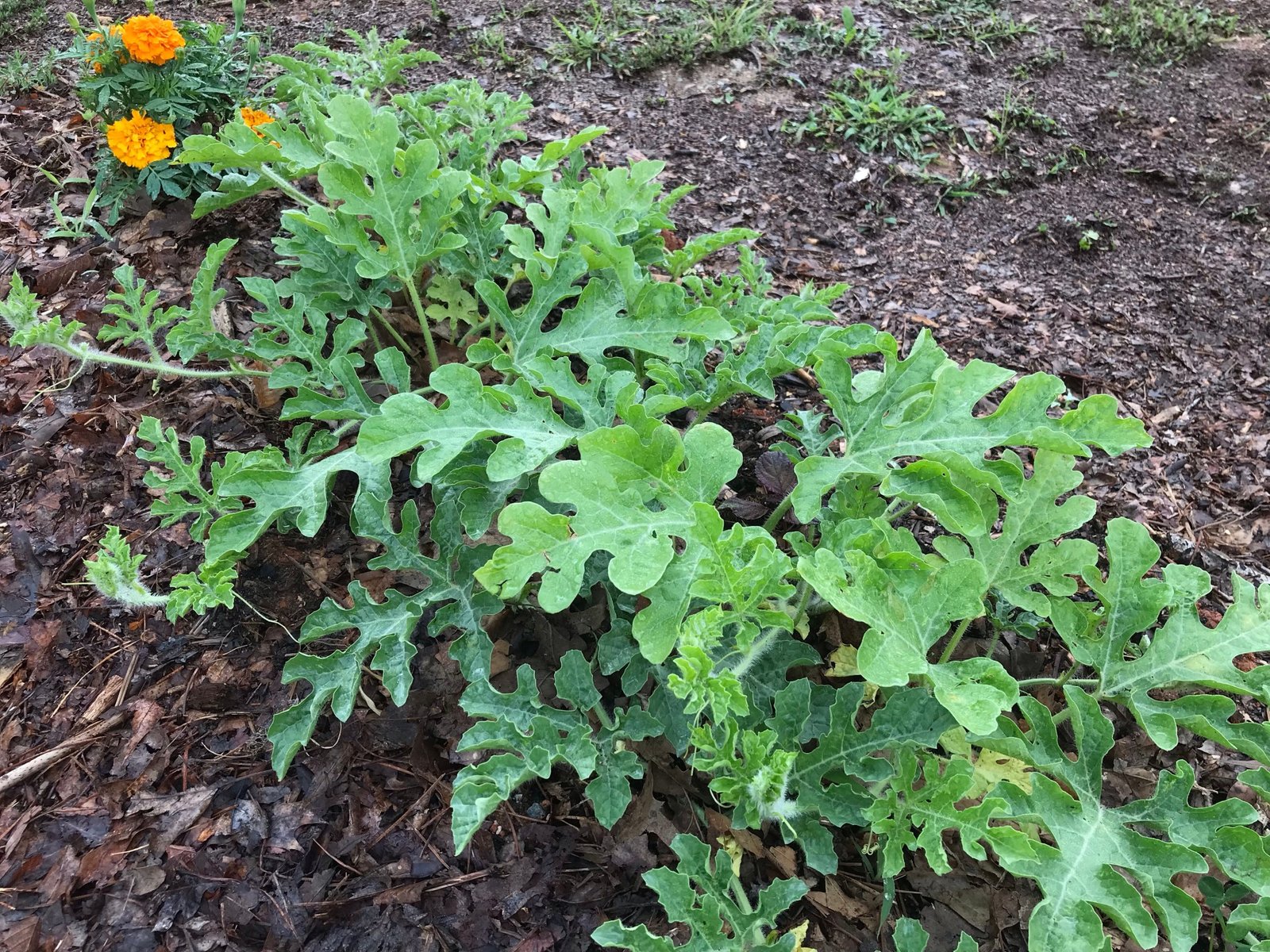
The garden, so ambitiously started, got away from us this month. We struggled with grass and weeds. Despite 15 cubic yards of compost and four loads of leaves early in the spring, the ground is still green. An entire row of pepper plants melted into black goo and the squash borers attacked a large patch of 8 patty-pan squash. The tomatoes performed moderately well with a few specimens on each plant. Not a bumper crop but enough for some tasty gazpacho with the Sumpter cucumbers and sweet basil! The carrots were fantastic and tiny. The corn was spindly but managed to pop out an ear or two that was ripe by the end of the month. The watermelon struggled anemically and the okra has only started to grow. The eggplant are lovely but the leeks that we started from seed in March have now reached the size of spring onions. Sigh.
Italian eggpant
Miniature carrots
Oddly beautiful
On a positive note, the zinnias are amazing and form a visual barrier blocking the rest of the garden from the house.
The golden comets and leghorn chickens begin laying in earnest. Production types bred for their egg-laying capability, we reached 6 eggs a day by the end of the month. Taking into consideration the cost of their fancy coop (~$500 thanks to the cost of lumber and materials), the chicks ($4 for a cheep or $10.50 for a pullet), brooder equipment (had to have the fancy heat pad), and feed (~$16 for a 50lb bag), we’ve paid an average of $3 per egg. Not exactly a bargain but then you don’t expect a cat or dog to provide a return on investment so the eggs are really a bonus. On a bright note, in July a dozen fresh eggs cost $2.77 after all expenses. A fair price all things considered!
Cluck cluck… 3 eggs a day from the little leghorns!
In other big news, Brendan started a new job with the Division of Historical Resources (DHR) as State Underwater Archaeologist. Hurrah! Two archaeologists full time from the farm!
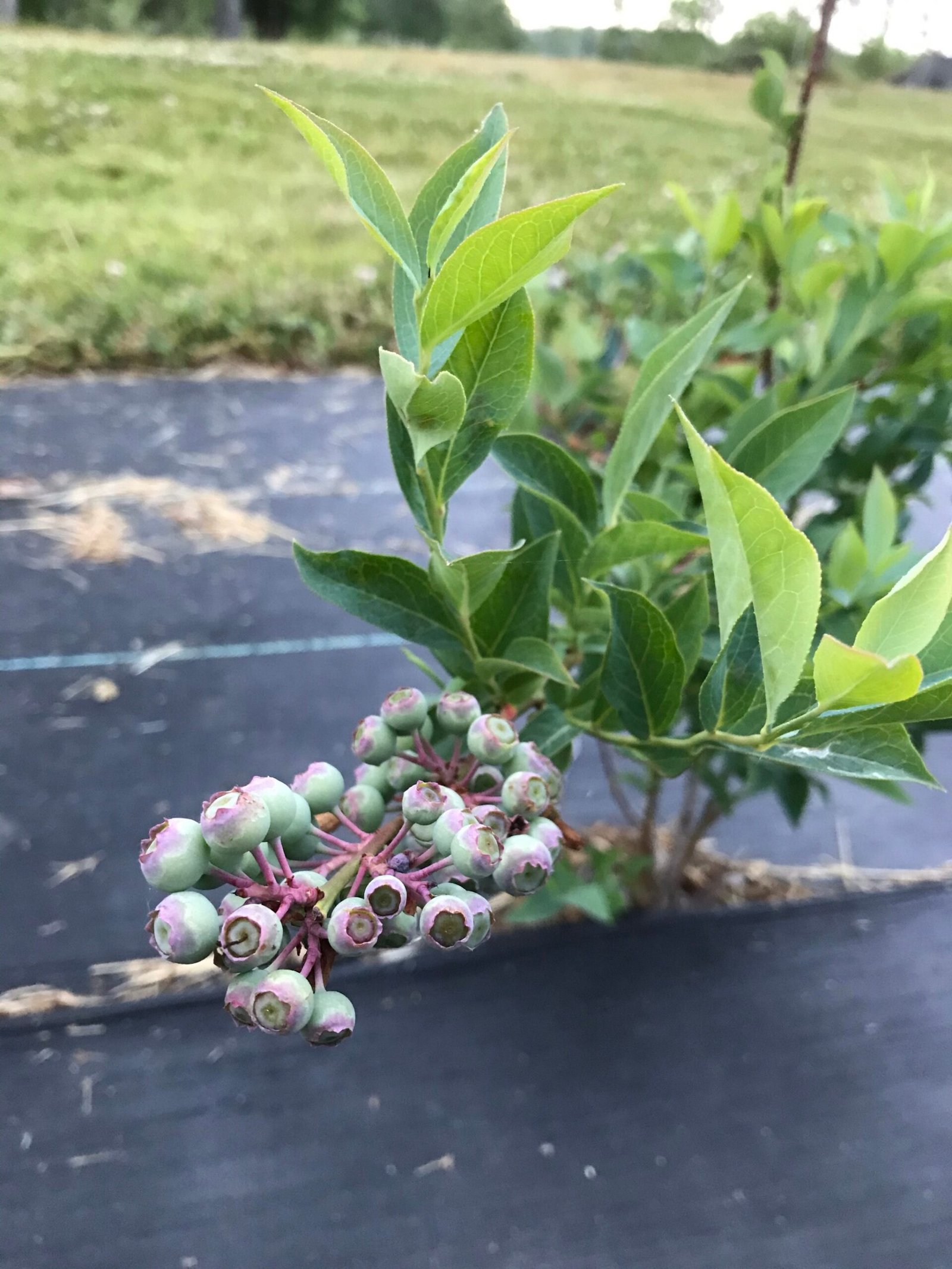
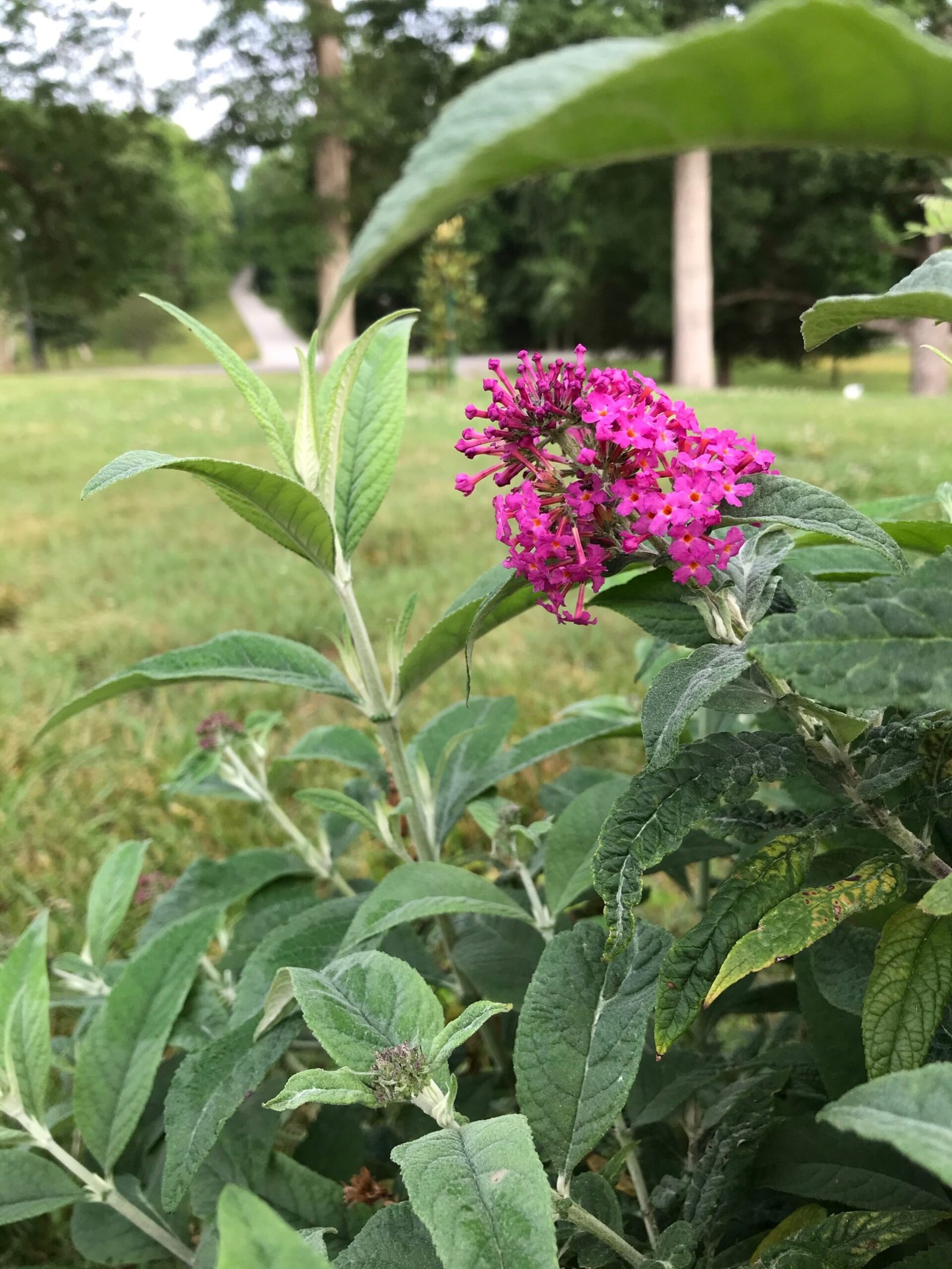
A cool, dry Spring gave way to a hot, dry summer. Our new garden suffered but blueberries (transplanted from last year’s bare root plants) blushed purple and last year’s bee balm exploded in brilliant red and purple. We’ll take success where it comes and measure failures by lessons learned!
June Projects included:
800 lb of lime applied to garden (rate of 5 tons/acre)
6/16/2021
100# German millet drilled
6/17/2021
200# lime applied variously to yard
6/16/2021
2 additional bee hives on loan from P. Jones
6/18/2021
Hop poles erected
6/20/2021
Repaired trench left from running water to tobaco barn
6/20/2021
Hop dirt bed (5 tractor buckets of loamy sand from the creek)
6/21/2021
German millet broadcast seeded/Sudan grass on piles
6/20/2021
Hop bines planted
6/25/2021
5 acres treated with 1.5 tons lime/acre (8.3 tons)
6/28/2021
June 1, 2021
June 30, 2021
By all accounts, it’s been a challenging year for gardens in central Virginia. Note the new hop poles and a little more green!
Brendan spread 1,000 lbs of lime across the garden and Southern States delivered and spread another 8.3 tons across the newly cleared pasture (approximately 5 acres). This year bulk lime is $55/ton (delivered and spread), an increase of 10% from last year, but still a lot less than buying it by the 40 lb bag.
For small jobs of less than 1,000 lbs, a spreader and tractor do great!
The ‘giant’ pumpkin has gotten off to a slow start, our bell peppers have literally melted into the ground, and the garden squash have been attacked by vine borers. On the bright side, our spindly corn refuses to give up, our zinnias are blooming brightly, we have a fresh supply of sumpter cucumbers for our salads, and our onions are perfectly sized for cocktails!
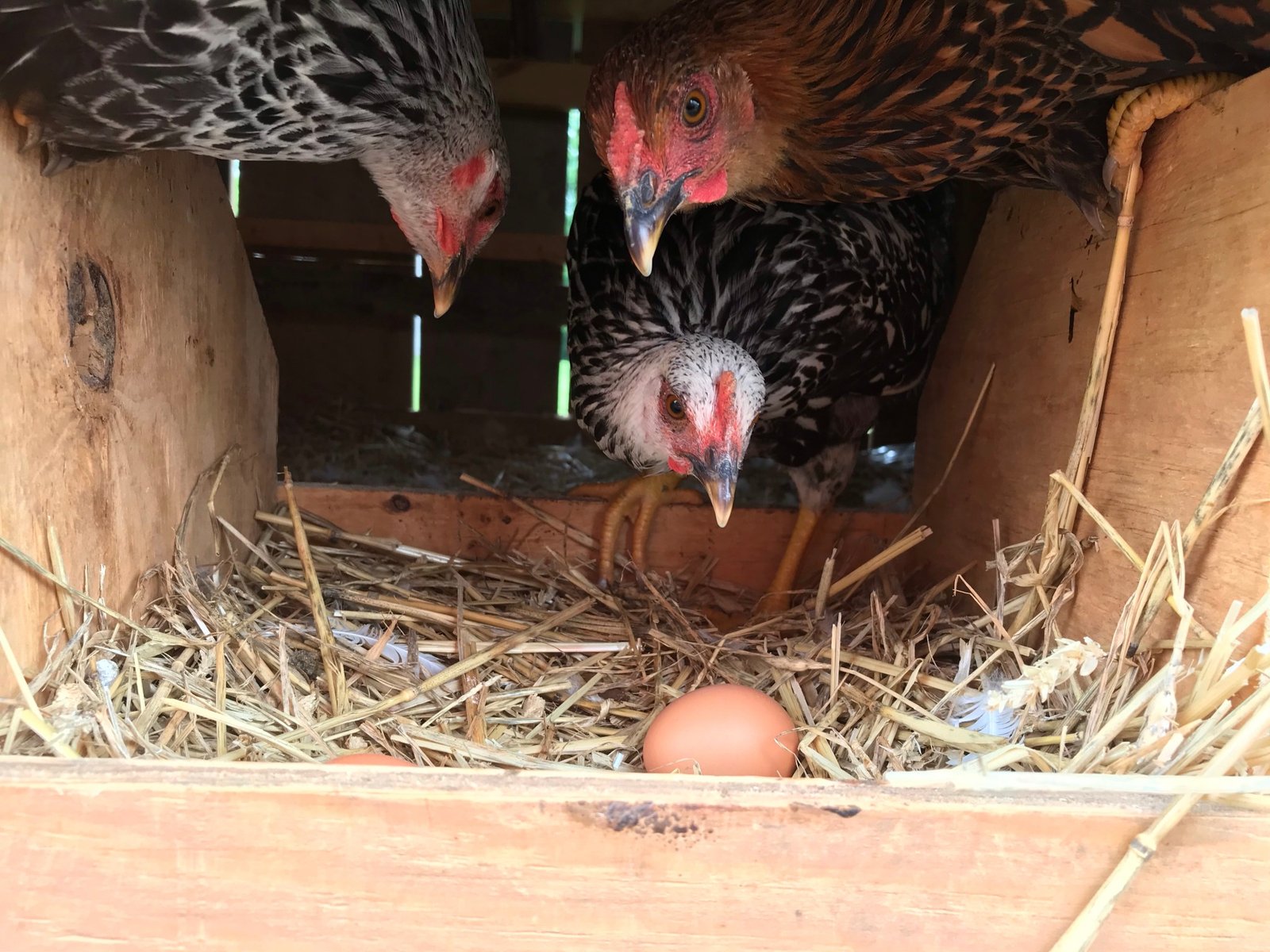
We added three Wyandott pullets to our coop at the beginning of the month to replace three White Leghorns that Emily Jane adopted in Florida. It took about two weeks of pecking and squawking but the ladies are finally figuring it out and are getting along.
The new pullets investigate an egg laid by the Golden Comets.
I’ve decided to make the old greenhouse a bit of a project this year. In the past, it has served magnificently and variously to start daffodils grown by Brendan’s dad. It even has an old (and inefficient) propane heater. We’re now using it to start seeds and plants for setting out. My plans include setting up an automatic timer, fan, and mister. For now it’s a bit of a hot mess!
New things a-growing in the greenhouse
Outside of garden projects, we celebrated as members of the family announced their move back home to Virginia. How wonderful is is to reclaim the precious process of gathering!
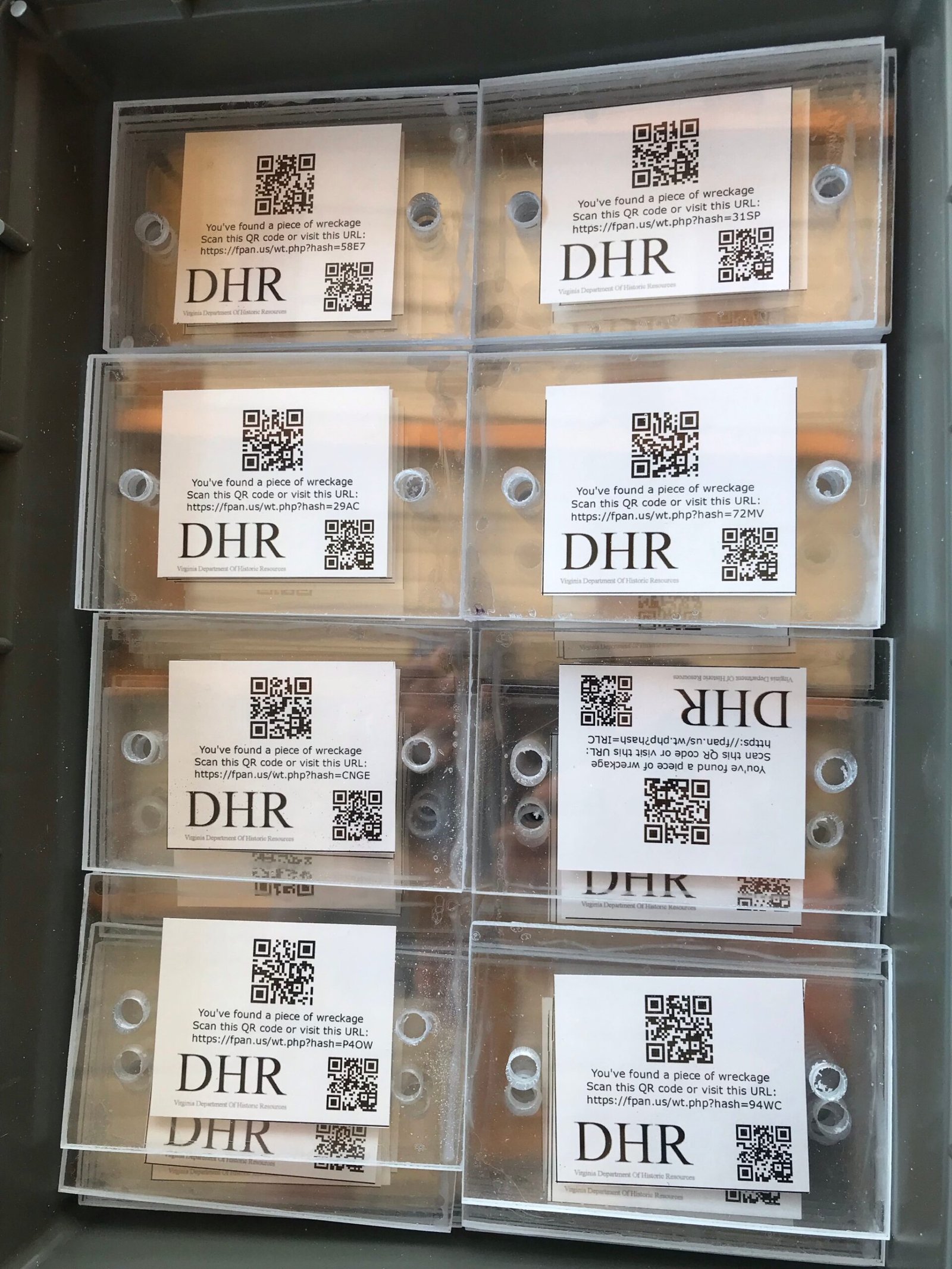
In other events, Brendan and I hosted the Maritime Heritage Chapter (MHC) of the Archaeological Society of Virginia (ASV) for a Shipwreck Tagging Workshop. Started in Florida by the Florida Public Archaeology Network (FPAN), the program works with the public to tag shipwreck timbers and create a record of each artifact that can be used for future research. Each tag contains a unique ID that is part of a large and growing database. For the workshop, we cut, sanded, and glued more than 80 tags, which are now ready to deploy!
Past and future state underwater archaeologists John Broadwater and Brendan Burke work on assembling tags.
To grow hops in Virginia, you need rich, well drained soil, light, water, and structure. The structure, or hop yard, can be as simple as a trellis against the side of a porch, or as complex as a commercial yard containing rows of telephone poles and tensioned wire. At Glendale we’re walking the middle ground and have chosen to cut three cedar trees for a mini yard.
We ordered 10 bines (5 Golding and 5 Centennial) from homebrewing.org and in April planted them in several 2 gallon pots to sprout.
Our hop babies grew quickly and soon began to climb.
Meanwhile we began work on the Hopyard. We took high-tensile wire repurposed from the orchard (we decided the deer can share our bounty of apples rather than creating Fort Knox), two screw anchors, baling twine, and several scoops (3 1/2 cubic yards) of loamy sand from the creek to build a nice foundation.
Time will tell how they do. In general, hops take several years to establish themselves and produce a good crop of delicious cones for brewing.
In 2016, Brendan and I had a dream. We were living in St. Augustine working as maritime archaeologists and dreaming of a rural future one day . On the long drive up and back from Florida, we schemed a plan for an experimental apple orchard with different varieties for eating and cider-making.
The old cow barn and trees in 2016
Year 1… 2016 Welcome home little trees
Eager with our new project, we purchased twenty bare-root trees from Stark Bro’s Nursery. Having never ordered bare root trees, I was amazed at the slender box carrying our orchard to-be. Our original order included 20 trees and eight varieties: For eating: Granny Smith (3), Pink Lady (4), Arkansas Black (3), Winesap (2), and Golden Delicious (2). For cider: Orleans (2), Smokehouse (2), and Wagener (2). Each tree arrived as a 3-4 foot-tall whip ready for planting.
Apple trees contain a rootstock (semi-dwarf in this case) that determines the size and vigor of the tree, and a scion that once grafted to the stock determines the species. The year before we bought our trees, they were professionally grafted. In hindsight, it would have been nice to know the type of rootstock that came with our trees. It is most likely M-111, a versatile rootstock that produces a tree 80% the size of a full tree and that is well suited to a range of soil types.
Brendan purchased a 3-point auger for the Fergusen and excavated holes across a grid with vertices 16′ and 20′ apart. Each tree was planted with the graft several inches above ground surface. We used pieces of plastic irrigation pipe for tree guards and a stack of tobacco stakes and baling twine for support.
We planted our trees in March and by spring, we had a new flush of leaves. In May we treated with fungicide and by November, all had shot up to between 53″ and 96″ in height. We lost a single tree (an Arkansas Black) the first winter. The tree grew well but never woke up in 2017.
Year 2… 2017
The second year we learned that apple trees are delicious. Every bug, beast, and fungus known to man loves apple trees. The main problems are:
In addition, local rabbits and deer found them quite tasty and in late summer, hordes of Japanese beetle descended to feast on them. Understanding we would have losses, we made a day trip to Albemarle Ciderworks & Vintage Virginia Apples, to learn about some local varieties and fill in a couple of empty spots in the orchard. We brought back four new whips and two 2-year old trees.
The new varieties were: Albermarle Pippin (2), Black Twig (2), and Hewes Crab (2).
We replaced the tobacco stakes with T-posts and created cages from hogwire. Our newly expanded orchard grew and by late summer, many had trunks between 1/2 an inch and an inch in diameter. We lost one of the newly planted Black Twigs to fire blight but the other trees grew well.
Year 3… 2018
2018 was the last full year we lived in St. Augustine and watched our small orchard grow from afar. In February we came up for the weekend and pruned our little trees. The spring and summer were warm and wet, not ideal for apples. We saw our fair bit of rust and lost a Granny Smith from crown rot. Still too small to produce apples, our good neighbors, the Flippins, helped apply pesticides and keep the funk at bay. We couldn’t resist getting three Grimes Golden from Albermarle Ciderworks to ‘fill out’ the area and fill in a few holes. Two trees tried producing their first apples (way to go Pink Lady and Arkansas Black)! By Fall, eighteen of our trees were more than an inch in diameter and we cautiously awarded several a Grade “A” for excellent performance! Of the stars, Arkansas Black, Orleans, and Golden Delicious seemed well suited to their home in 6B, and all had trunks more than 1 1/2 inches in diameter. Of the less vigorous varieties, both Smokehouse got poor grades for slow development.
In October 2018, Hurricane Michael brought nearly six inches of rain and gusty winds to the area. Four of our star trees (two Arkansas Black, one Pink Lady, and one Granny Smith) were knocked over by the weather. All had larger diameter trunks and more branches which contributed to their top-heaviness. Looking back, it would have been better to plant the trees in smaller holes and provide stronger, long-term support.
When planting apple trees, it’s best to provide long-term support. Some full-sized trees do fine without stakes but most semi-dwarf and dwarf varieties benefit strongly from staking.
Don’t eat the apple blossoms, they’re pretty but not edible.(CHET TO BRENDAN)
Year 4… 2019
By now, we believed several of trees were large enough to remove their ‘cages’ and strong enough to support themselves. We provided treatments in the spring of Dormant Oil (February), and Copper fungicide and Eight (an insecticide) in June. The deer grazed and nibbled while a buck used three trees for his rub.
If you want to enjoy the fruit of your labor, some spraying is necessary. By June, all but one of the remaining original trees were over an inch in diameter. Last year’s early producers tried again and were joined by five new varieties. The trees trying for apples in 2019, in their fourth year since planting were:
Pink Lady (n=4) ,
Arkansas Black (n=27),
Winesap (n=15),
Smokehouse (n=4), and
Granny Smith (n=1). We were so excited that we counted the apples!
Year 5… 2020
During our first full year at Glendale, we tackled a huge stack of projects. Having once been center stage, the apple trees took a supporting role to the rest of farm happenings – from creating a new circle driveway, to stumping pines for future pasture and field, and creating new home workspaces from a former corn crib and tobacco barn.
Excited after last year’s first showing, we sprinkled a splash of 10-10-10 general fertilizer on the apples (turns out we didn’t need to do this and apple trees generally do better without any fertilizer during their early growing years) and watched the spring blossoms arrive! An early warm spring greeted us with butterflies and blossoms, a real treat!
The early bird gets the worm, but Mother Nature has the last laugh. On May 10th, the temperature plummeted and we had two nights with 28 degree lows. We jumped to cover our veggies and cloche the delicate spring shoots. While we were able to salvage most of them, the freeze toasted the tomatoes, our little pecan trees’ spring shoots, and most of the apple buds. The newly formed clusters of fruit blackened and dropped off. A warning not to count your apples before June! Despite the chill, our June count showed a few stubborn apples clinging fiercely to life. The year’s stubborn producers were (in number of apples):
Pink Lady (n=1),
Orleans (n=11),
Smokehouse (n=2),
Golden Delicious (1),
Granny Smith (n=1),
Winesap (n=7),
Hewes Crab (n=36). Hewes Crab is a biannual producer so we’ll see what happens next year.
Unfortunately, of the apples above, none made it to harvest. Thanks, deer! Another year to wait… During the summer and fall we kept the same treatment plan as previous years but began to struggle with blight in early May. We kept trimming and cutting, and purchased some Fertilome to spray next year. Each chemical has a special window of application – with bloom, wind, and temperature all needing to fall within the correct window. Too soon or out of sync and you waste the chemical and/or damage sensitive pollinators.
In 2020, we added the last new apple trees, a Red Delicious and Golden Delicious that were on sale at Tractor Supply and too good an offer to pass up. The orchard now stands at 30 trees and will likely stay that number until we learn which varieties produce and which withstand the rigors of time.
Our little apple orchard on April 5, 2020
Year 6 … 2021
This year, we purchased a 15 gallon sprayer and shared the pruning tasks in February. Several of the trees are pushing 10 feet and will need some more serious attention this summer. For Christmas, we adopted a 3.5 HP Hercules hit and miss engine (Merry Christmas Brendan) and in February found a apple cider mill for sale. Both require a little fine tuning but we’re hoping that the coming years will provide an opportunity to press both into service.
The winter was casualty-free and the spring has brought an abundant bouquet. By the first week of May most of the apples have finished blooming and started the process of setting fruit.
April 2021
The first harvest yielded ~3 lbs of Hewes Crab, 8 lbs of Gold Rush, and 9 lbs of Arkansas Black apples. The other trees produced a few apples a piece and we sampled them surreptitiously to see when and how they ripened. The sampling lasted from early September through the end of October and hints of harvests in years to come.
Voila! Ugly apples and beautiful pies in just five years!