Category: Monthly Update

  • August 2021

    August 2021

    At long last, in 2021, our first crop of apples is ripening in the orchard.

    Hot humid days and warm evenings; the delights of summer are manifest in shades of deepening green, with dewey mornings that give way to oppressive days that make us long for cool, crisp nights of fall delight. Not yet. Summer passes slowly with light changing from bright yellow to softer amber as days begin to slowly shrink and evening lengthens. Across the county, hay is being cut. Corn stalks stand tall and dry and soy beans have begun to change from green to gold.
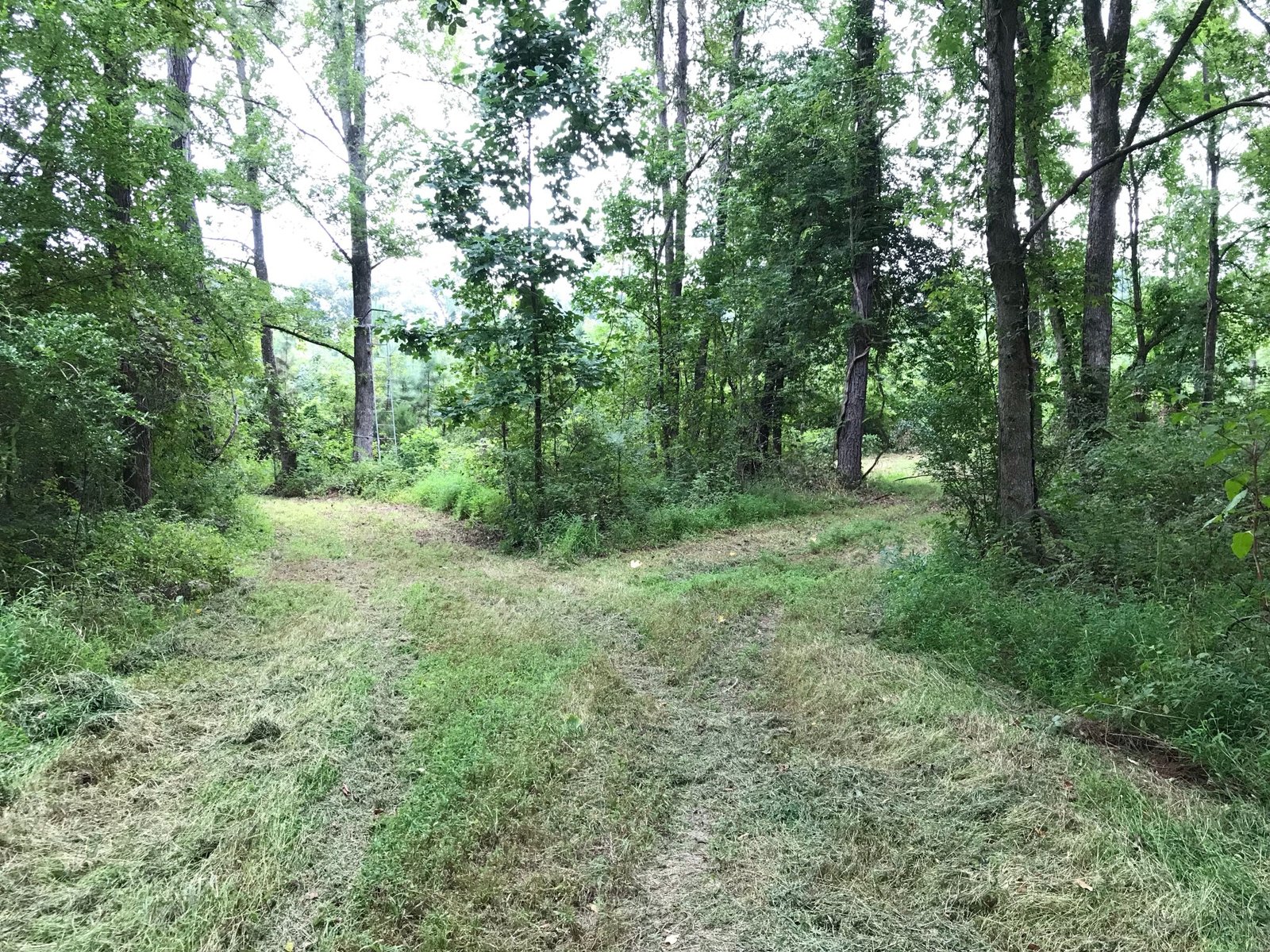
    Bush hogged trails

    This month, after the grasses went to seed, the trails through the woods and around the fields were bush hogged. Each year Brendan opens areas and lanes, giving us access through thick brambles to parts of the farm that are soon overgrown if left alone. The lanes provide a pleasant path for walking or running, and create habitat for grazing wildlife including deer and turkey (Also, when Gus comes home, we will have a couple of miles of trails to trot and explore).

    Sooty blotch!

    By August, the apples are splashed with patches of sooty blotch and have swelled with tantalizing hints of sweet inside. This year our young trees are yielding a small crop that will ripen next month. The harvest will stretch into October – one or two apples from many of the trees although a couple may give up half a bushel, with their first harvest. We’re pleased at the modest yield. Our own apples – ugly and sweet.

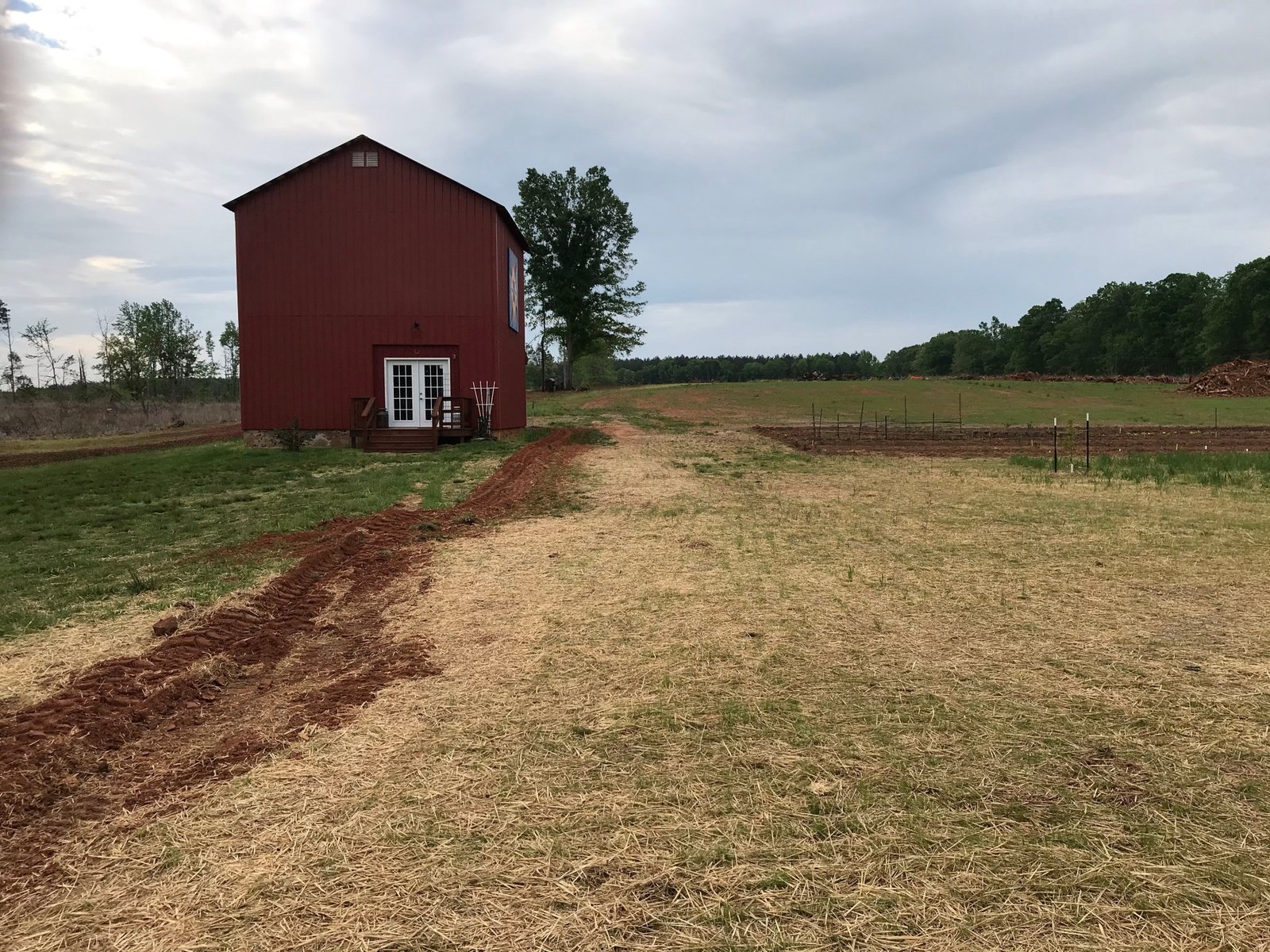
    The converted tobacco barn provides a cool retreat from summer’s heat, where Helen can build cutting boards and repair old chairs. This month the shop also serves as a new home for Ketch, where he can adjust to life on the farm, while he exchanges scritches and pets for a rent of lizards, mice, and bugs.

    The garden… Lessons learned from the Spring 2021 garden:
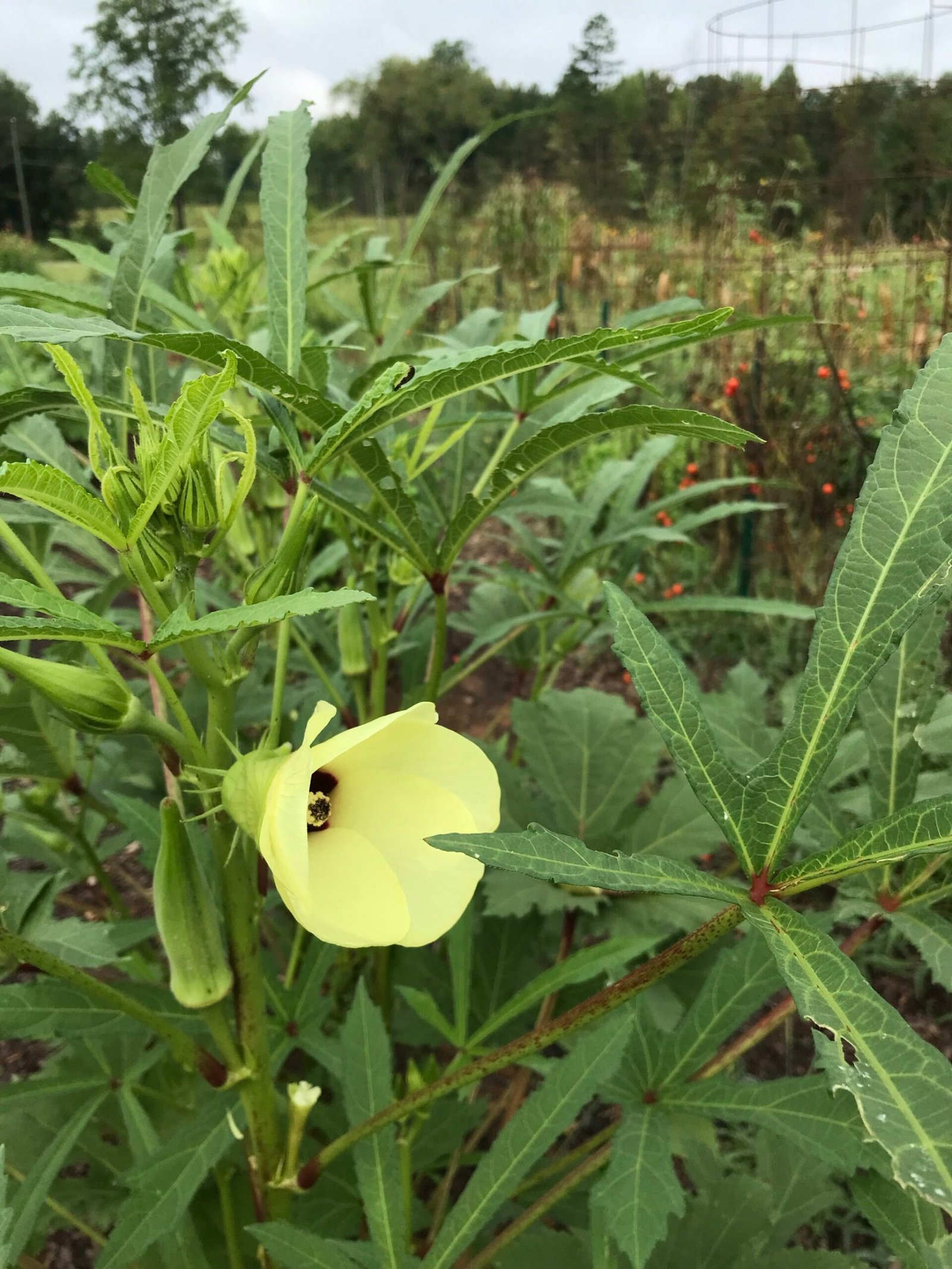
    Few pursuits are more frustrating than a garden that languishes or suffers from pests, especially one that spirals out of control under the misguided hand of a neophyte. Guilty on both parts, I can appreciate this year’s healthy dose of humility- a result of biting off a project too large but nevertheless enjoying the trip.

    1. Plant like with like. The haphazard planting of seeds and plants may work in a small patio and yield a charmed and quaint appearance of bounty. Spread over 3,500 square feet it creates a cacophony of sizes and maturity dates that provide an ideal habitat for every known variety of weed and annoys your husband without end.
    2. Don’t rush the weather. This year, a long cool spring put many plants into stasis where they stayed for weeks or months- not growing, not dying. We replaced some and left others. The new plants quickly outgrew the older neighbors. Plants sometimes languish and it’s hard to admit it but sometimes it’s better to start over. If you have space, keep the first ones and watch to see if they catch up. Sometimes they do (and sometimes they don’t).
    3. Keep working the dirt. Green ground is the worst but it will keep getting better with time as long as you don’t give up. This year the plants were stunted and we think it may be the hard packed underlying clay. On the list for next month are soil samples along with a plan to deeply plow and punch holes in the underlying hardpan.
    4. Enjoy the fruits of your labor. Don’t wait for someone else to eat the perfectly ripe cherry tomato. Try fresh corn straight off the stalk, pluck a baby okra, and sneak a fresh pea. Nothing tastes better. Period.
    5. Have fun. Don’t argue about the location of plants or row spaces. You have all the time in the world to try something new if this year doesn’t pan out.
    6. Stop and smell the roses. Really, just take a deep breath and breathe out. Oh and zinnias are the best!
    Late August garden- the rows of tomatoes and eggplant are gone. Hops in the background and zinnias in front.
  • July 2021

    July 2021

    SR-627 was built about 1920. The residents living along our road including Brendan’s grandparents elected to name it in honor the local doctor, Mr. Cheatham, who helped deliver many of the residents but had no children of his own left his name on the new road. The old road that passed through the farm was abandoned and slowly reclaimed by nature so that today there is only a faint path worn by years of buggies and foot traffic, abandoned and eroded by rain and storms. Gently smoothing it into shape with the old Ferguson, we erected a two-rail split rail fence that followed the old path along the edge of the field into the woods. With a hand seeder, we spread 50 lbs of sorghum to reduce erosion. Not bad for a weekend’s work!

    Making the old road new again

    The grape arbor was erected on the north side of the garden and hosts Alachua muscadine grapes. Each of the three vines has been trimmed and trained to grow vertically next to a 4-6 inch diameter fence post. High tensile wire provides support for the frame and chain on either end works to lever and tension the wire. The wire and tensioners were purchased from Tractor Supply while the posts came from Poultry Services, a local feed and seed store.

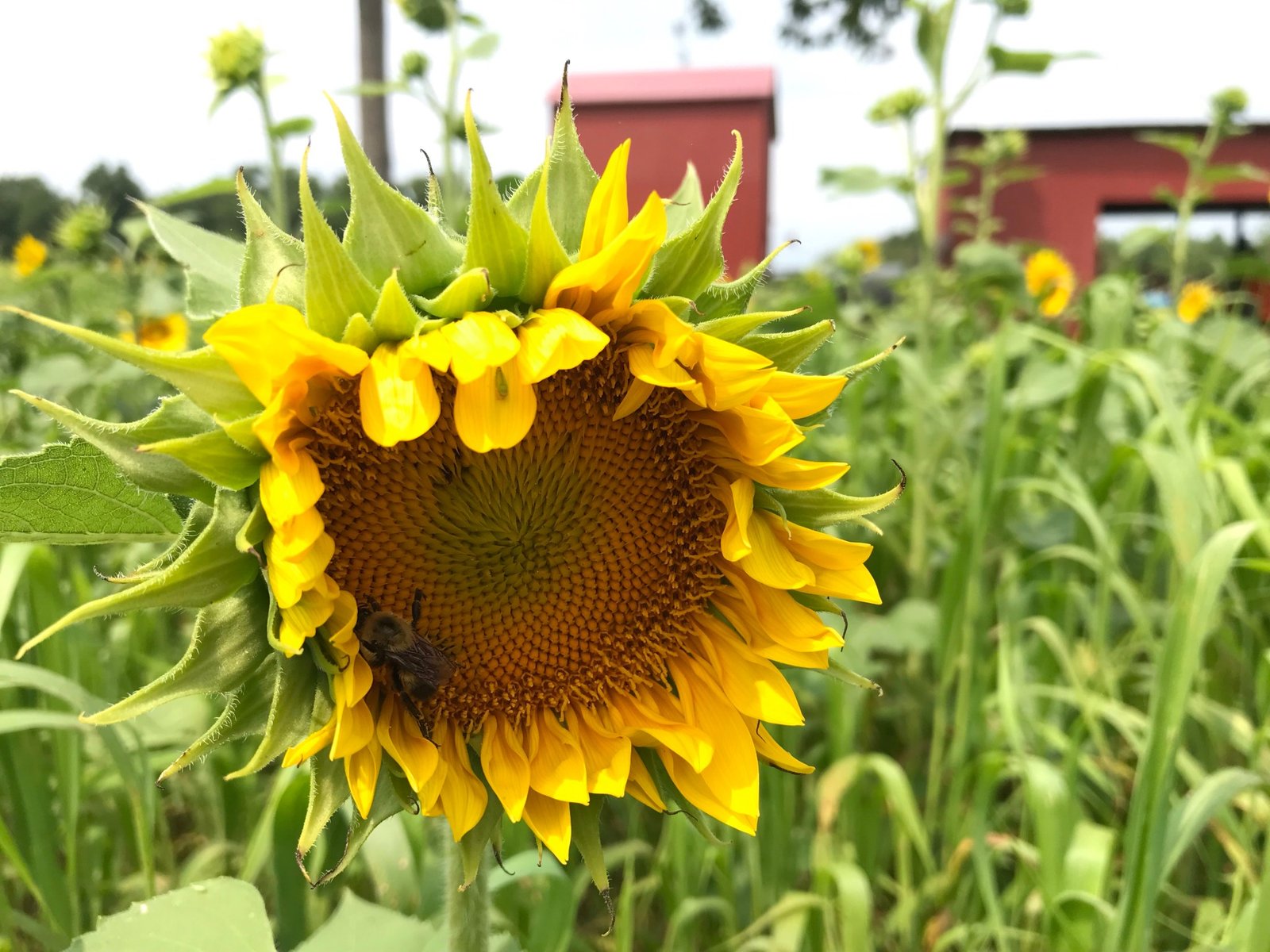
    The sunflowers bloomed amidst the self-seeded millet.

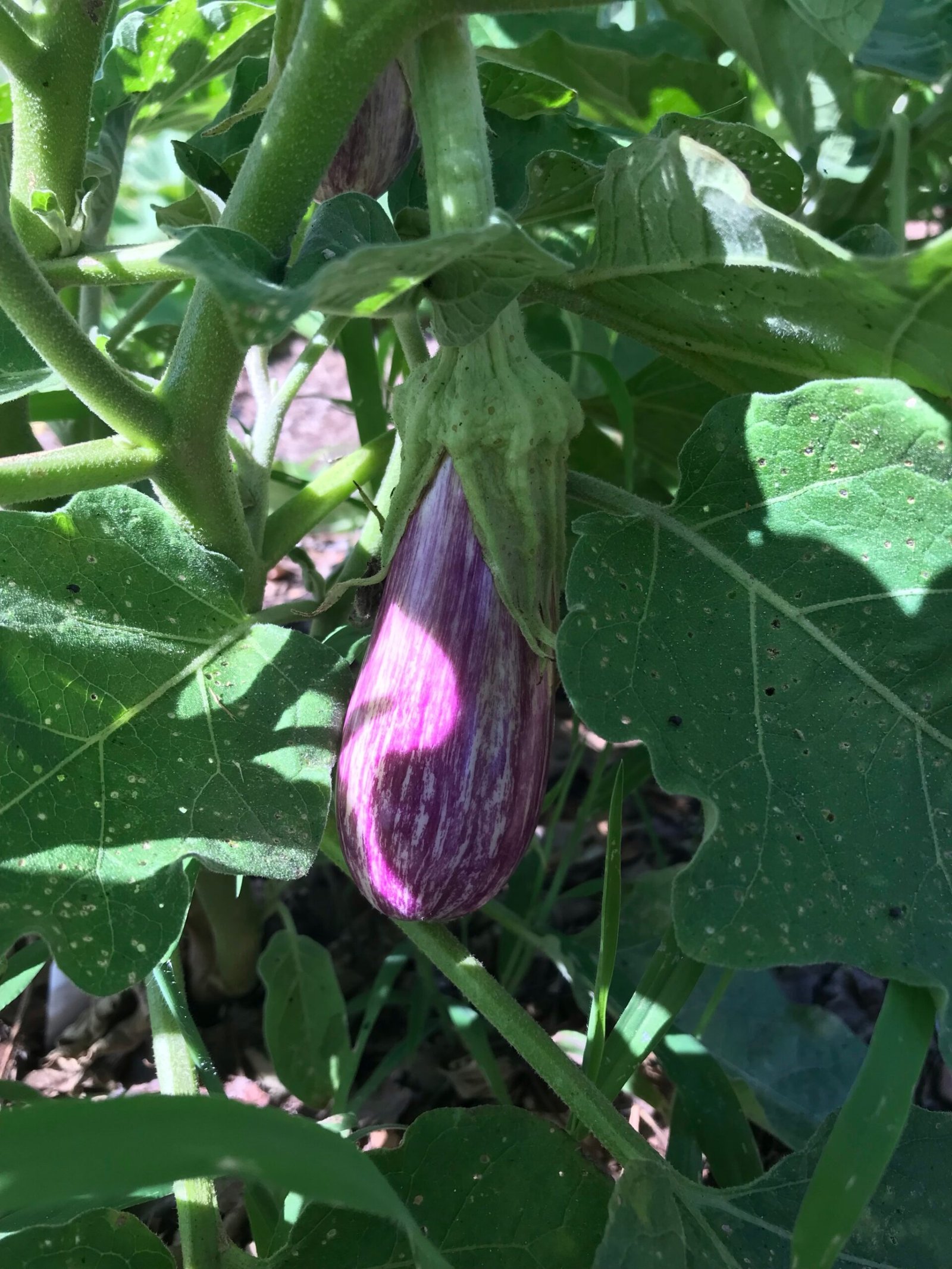
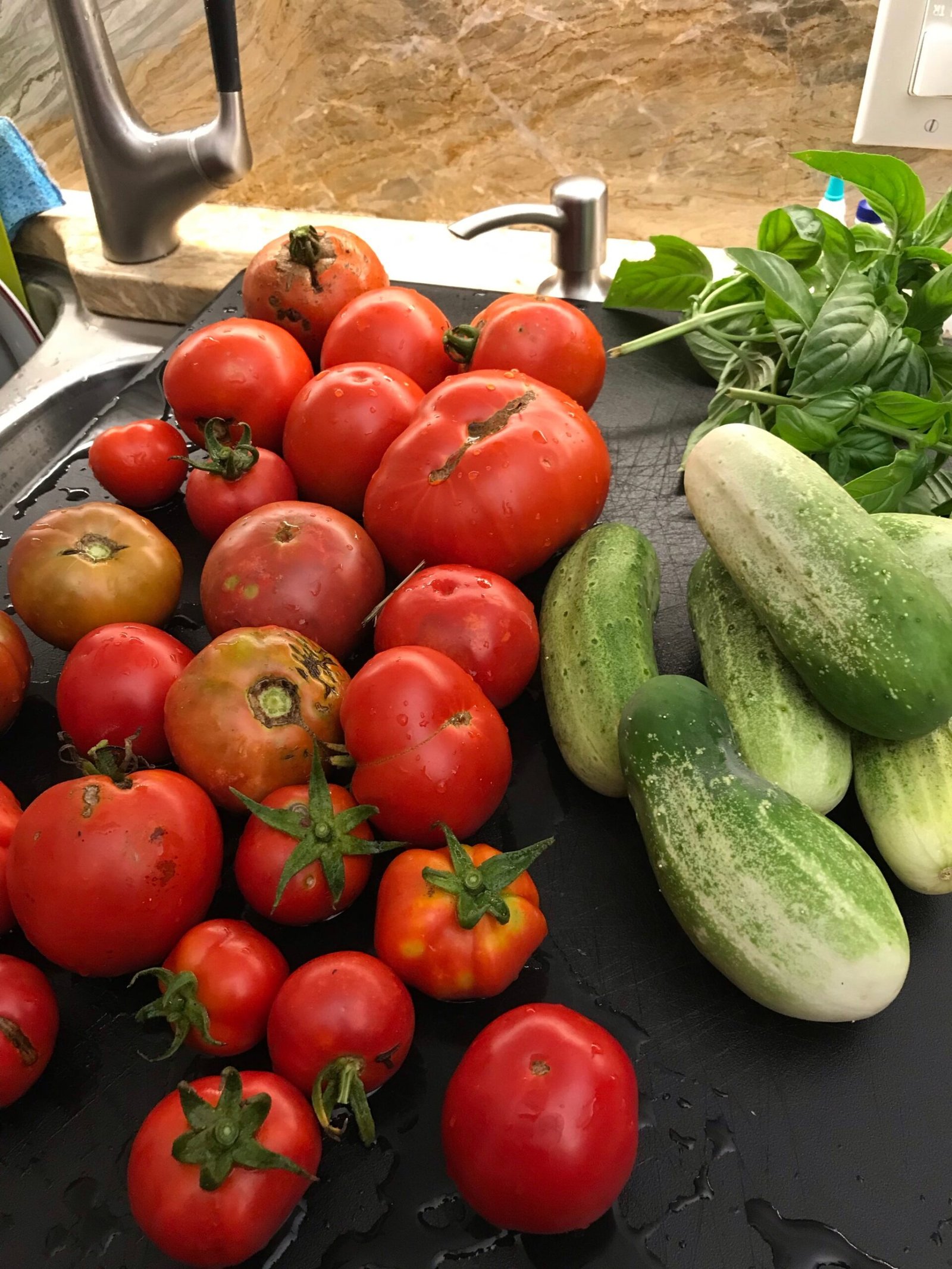
    The garden, so ambitiously started, got away from us this month. We struggled with grass and weeds. Despite 15 cubic yards of compost and four loads of leaves early in the spring, the ground is still green. An entire row of pepper plants melted into black goo and the squash borers attacked a large patch of 8 patty-pan squash. The tomatoes performed moderately well with a few specimens on each plant. Not a bumper crop but enough for some tasty gazpacho with the Sumpter cucumbers and sweet basil! The carrots were fantastic and tiny. The corn was spindly but managed to pop out an ear or two that was ripe by the end of the month. The watermelon struggled anemically and the okra has only started to grow. The eggplant are lovely but the leeks that we started from seed in March have now reached the size of spring onions. Sigh.

    On a positive note, the zinnias are amazing and form a visual barrier blocking the rest of the garden from the house.

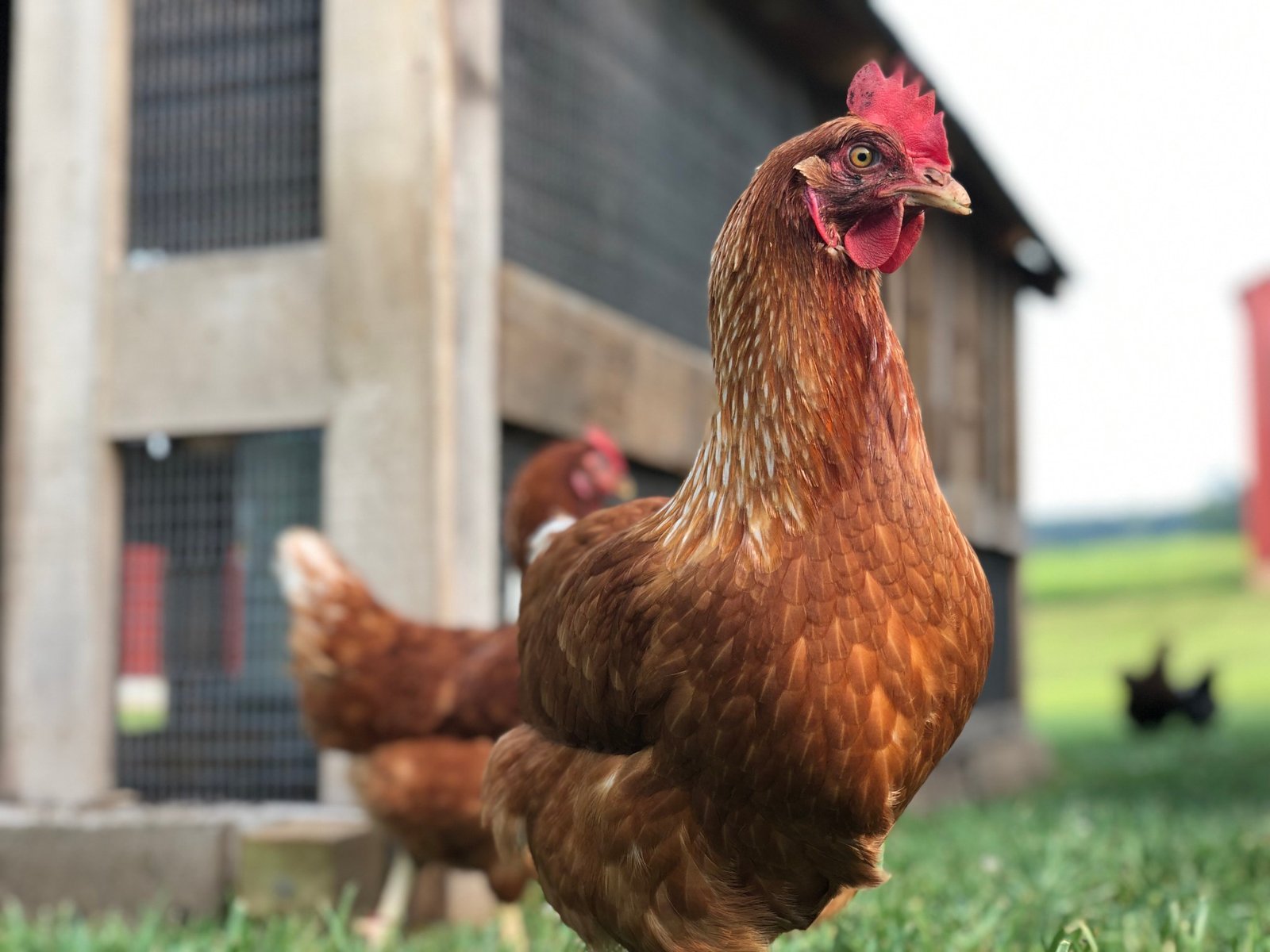
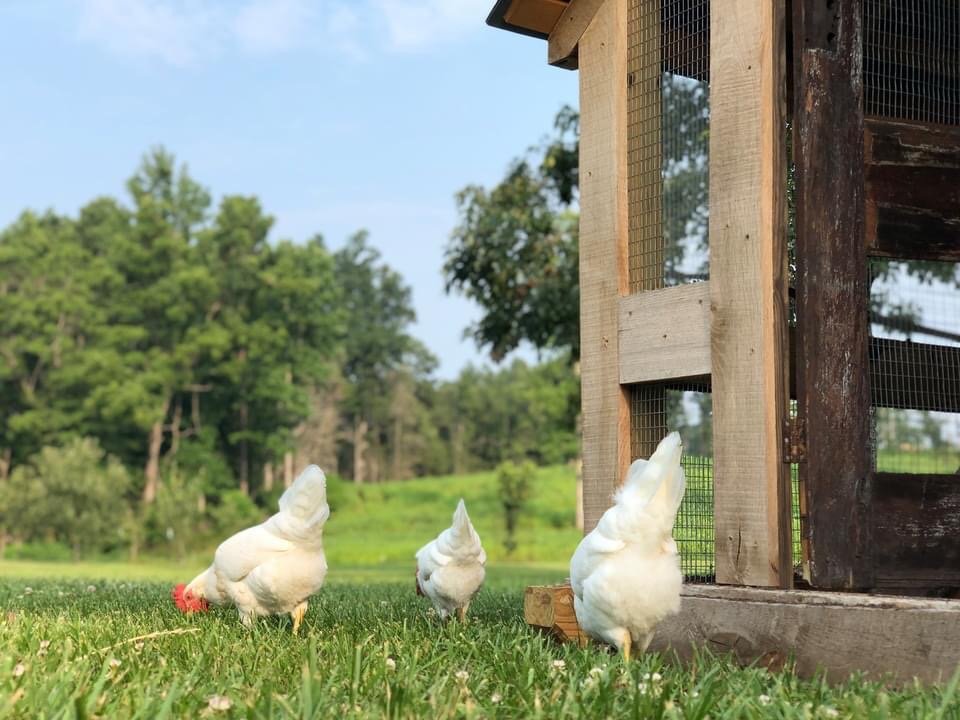
    The golden comets and leghorn chickens begin laying in earnest. Production types bred for their egg-laying capability, we reached 6 eggs a day by the end of the month. Taking into consideration the cost of their fancy coop (~$500 thanks to the cost of lumber and materials), the chicks ($4 for a cheep or $10.50 for a pullet), brooder equipment (had to have the fancy heat pad), and feed (~$16 for a 50lb bag), we’ve paid an average of $3 per egg. Not exactly a bargain but then you don’t expect a cat or dog to provide a return on investment so the eggs are really a bonus. On a bright note, in July a dozen fresh eggs cost $2.77 after all expenses. A fair price all things considered!

    In other big news, Brendan started a new job with the Division of Historical Resources (DHR) as State Underwater Archaeologist. Hurrah! Two archaeologists full time from the farm!

  • June 2021

    June 2021

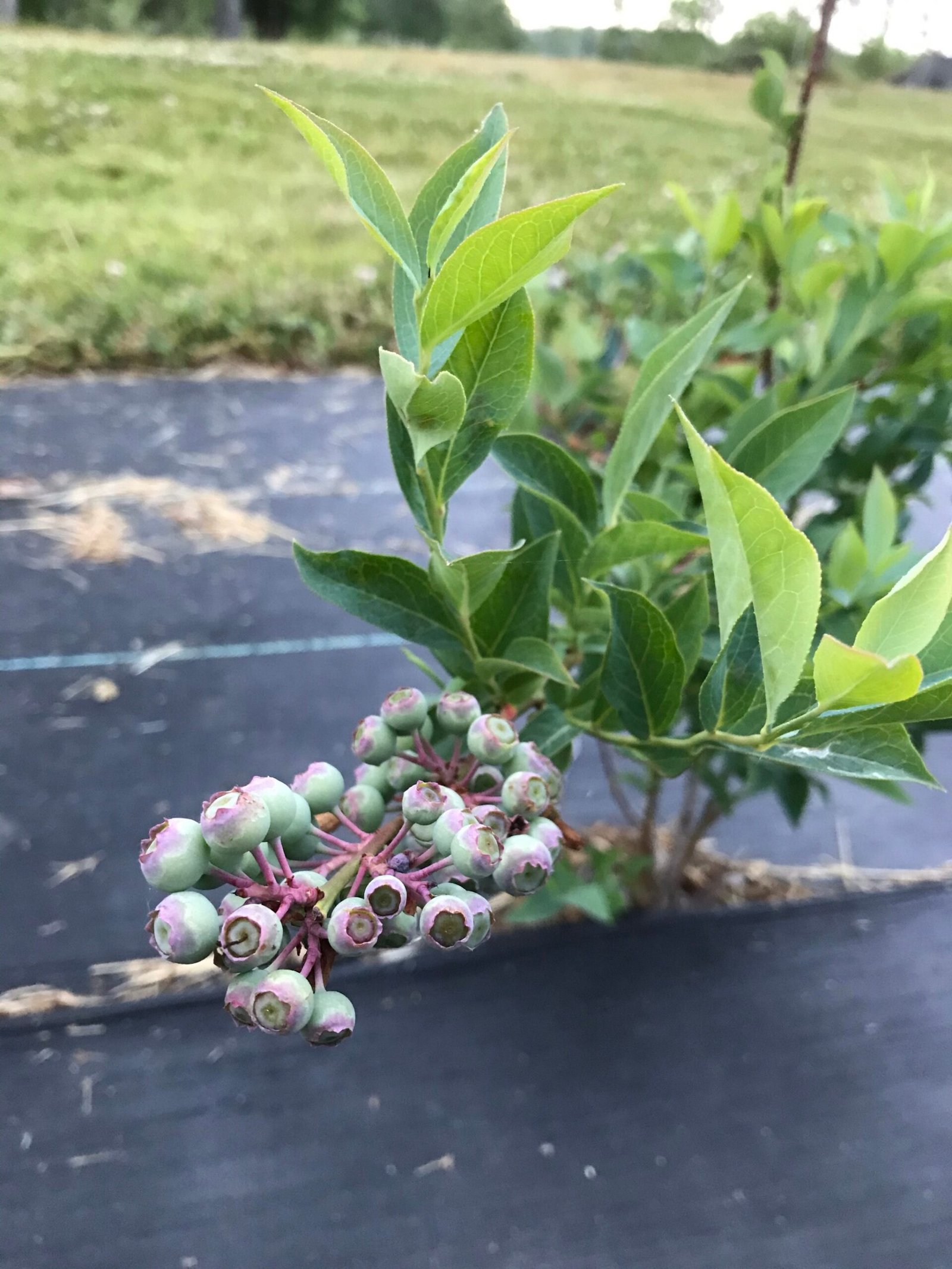
    A cool, dry Spring gave way to a hot, dry summer. Our new garden suffered but blueberries (transplanted from last year’s bare root plants) blushed purple and last year’s bee balm exploded in brilliant red and purple. We’ll take success where it comes and measure failures by lessons learned!

    June Projects included:

    800 lb of lime applied to garden (rate of 5 tons/acre) 6/16/2021
    100# German millet drilled 6/17/2021
    200# lime applied variously to yard 6/16/2021
    2 additional bee hives on loan from P. Jones 6/18/2021
    Hop poles erected 6/20/2021
    Repaired trench left from running water to tobaco barn 6/20/2021
    Hop dirt bed (5 tractor buckets of loamy sand from the creek) 6/21/2021
    German millet broadcast seeded/Sudan grass on piles 6/20/2021
    Hop bines planted  6/25/2021
    5 acres treated with 1.5 tons lime/acre (8.3 tons) 6/28/2021

    Brendan spread 1,000 lbs of lime across the garden and Southern States delivered and spread another 8.3 tons across the newly cleared pasture (approximately 5 acres). This year bulk lime is $55/ton (delivered and spread), an increase of 10% from last year, but still a lot less than buying it by the 40 lb bag.

    For small jobs of less than 1,000 lbs, a spreader and tractor do great!
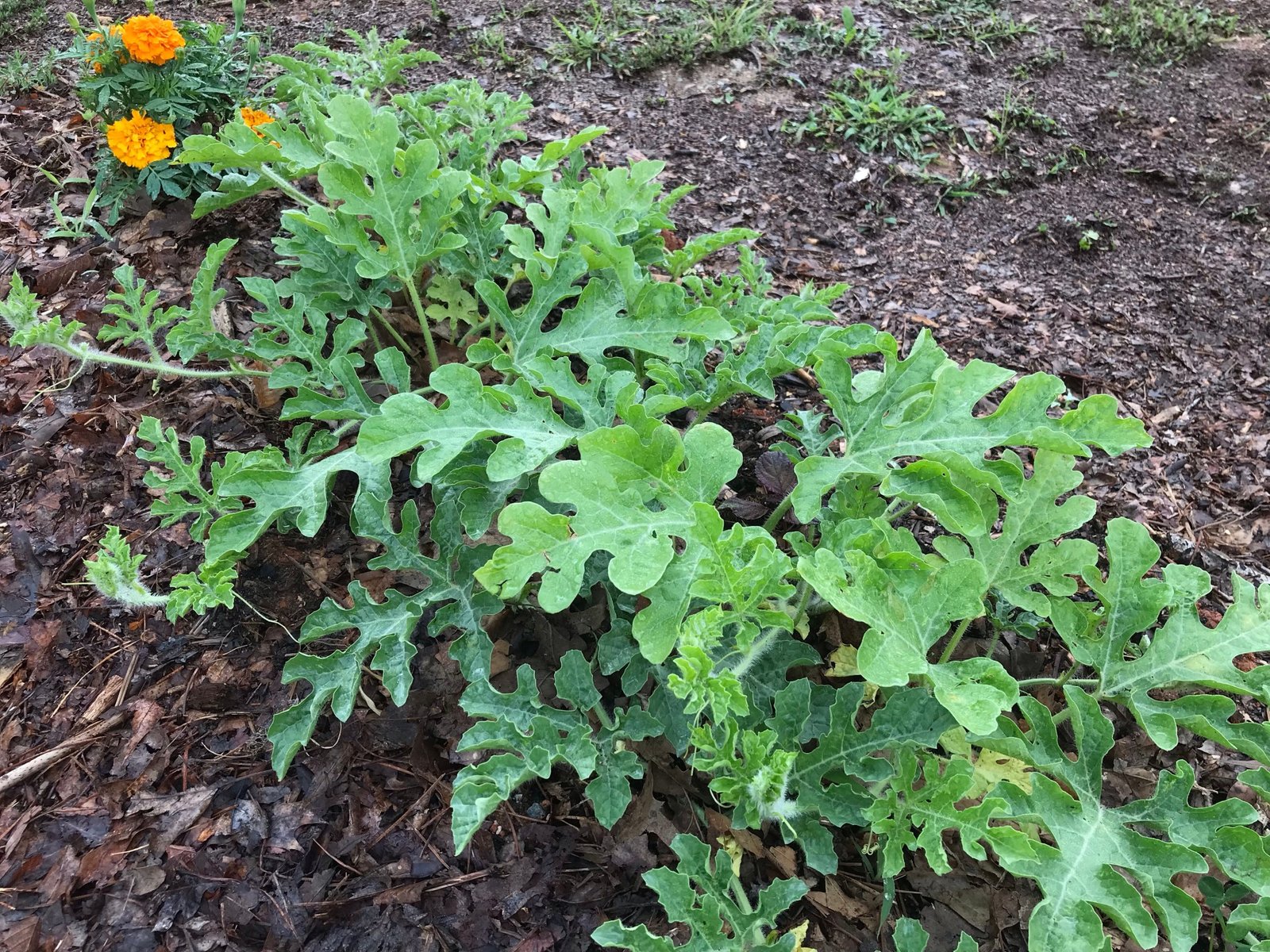
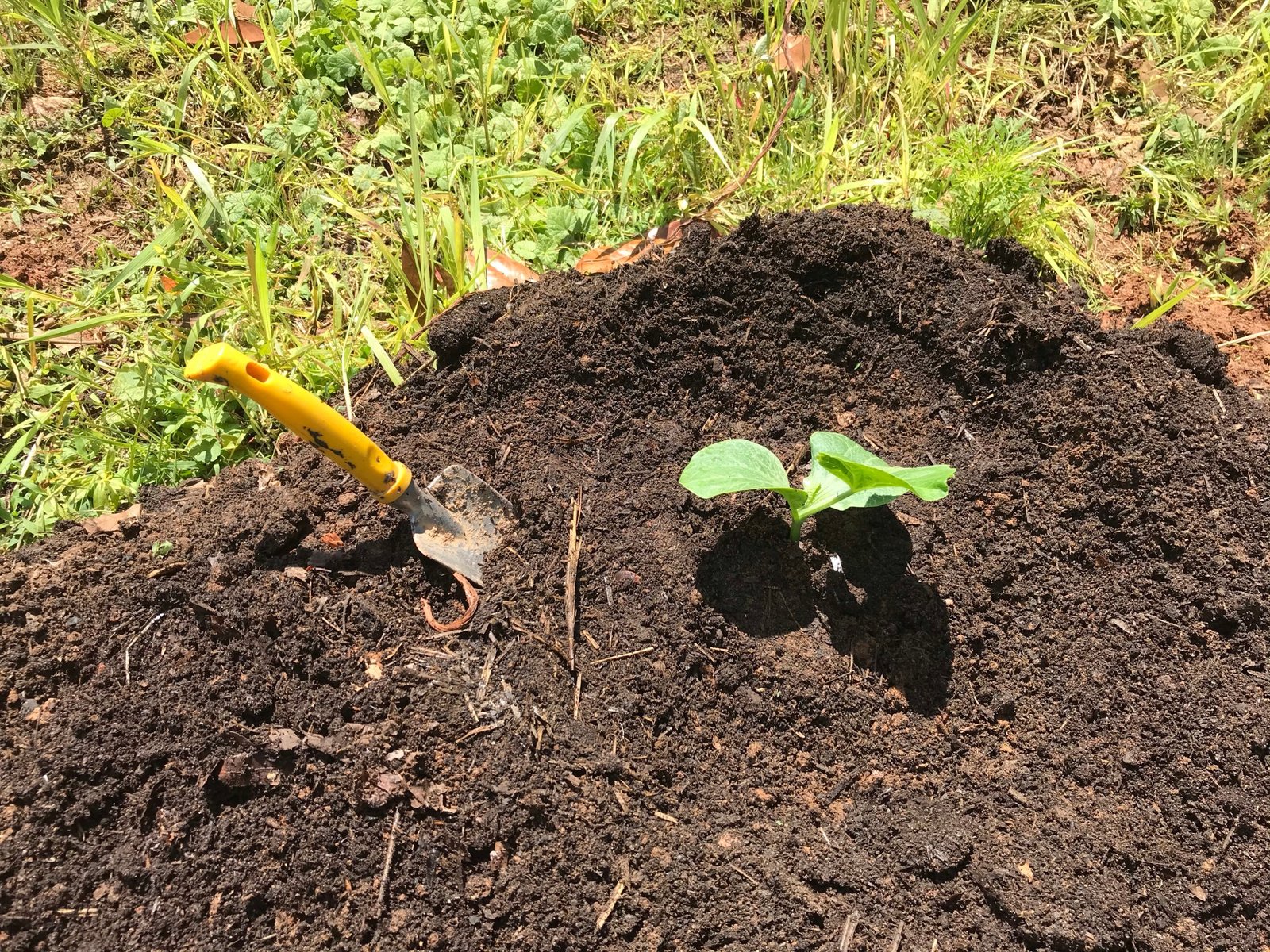
    The ‘giant’ pumpkin has gotten off to a slow start, our bell peppers have literally melted into the ground, and the garden squash have been attacked by vine borers. On the bright side, our spindly corn refuses to give up, our zinnias are blooming brightly, we have a fresh supply of sumpter cucumbers for our salads, and our onions are perfectly sized for cocktails!
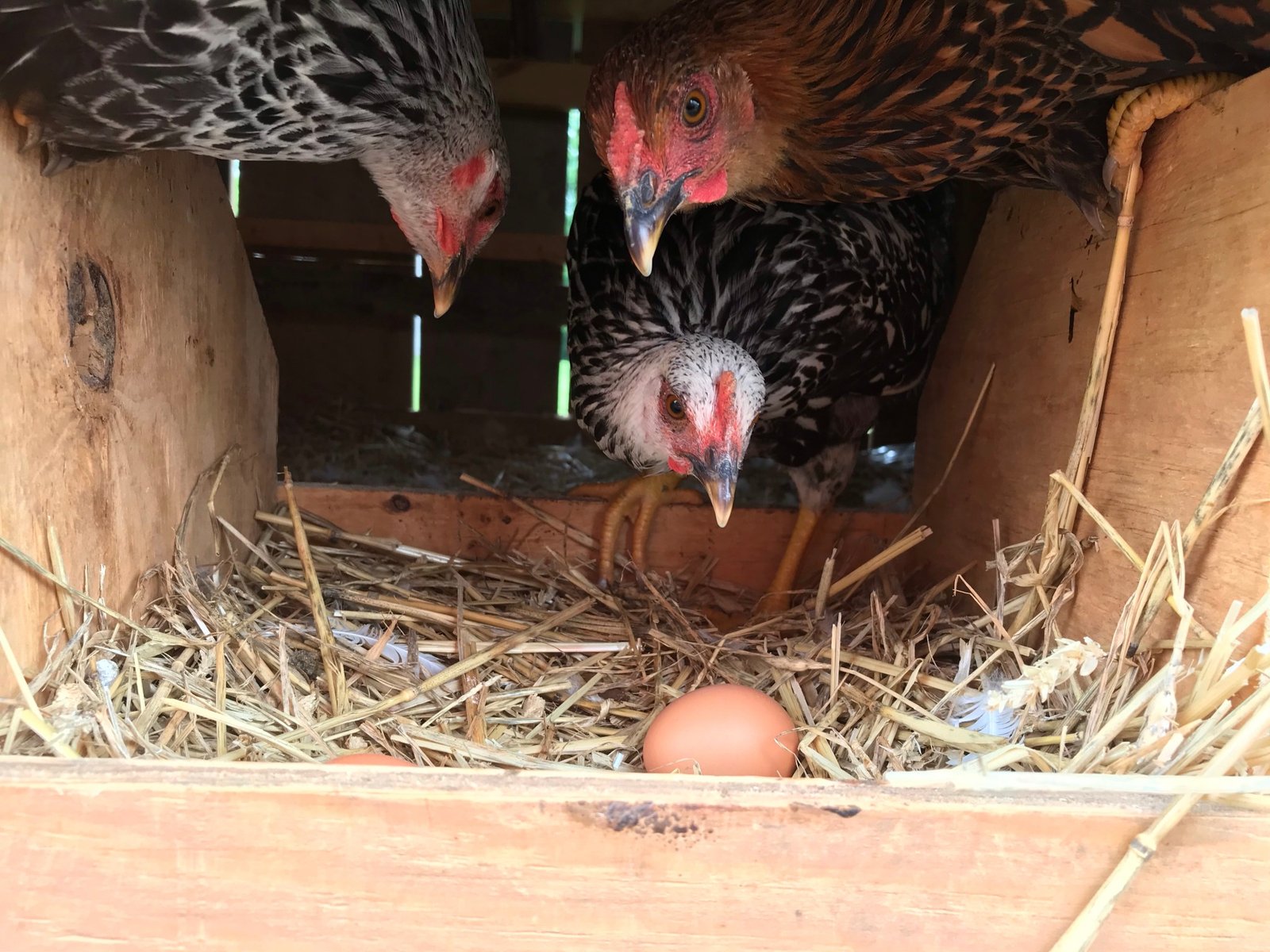
    We added three Wyandott pullets to our coop at the beginning of the month to replace three White Leghorns that Emily Jane adopted in Florida. It took about two weeks of pecking and squawking but the ladies are finally figuring it out and are getting along.

    The new pullets investigate an egg laid by the Golden Comets.

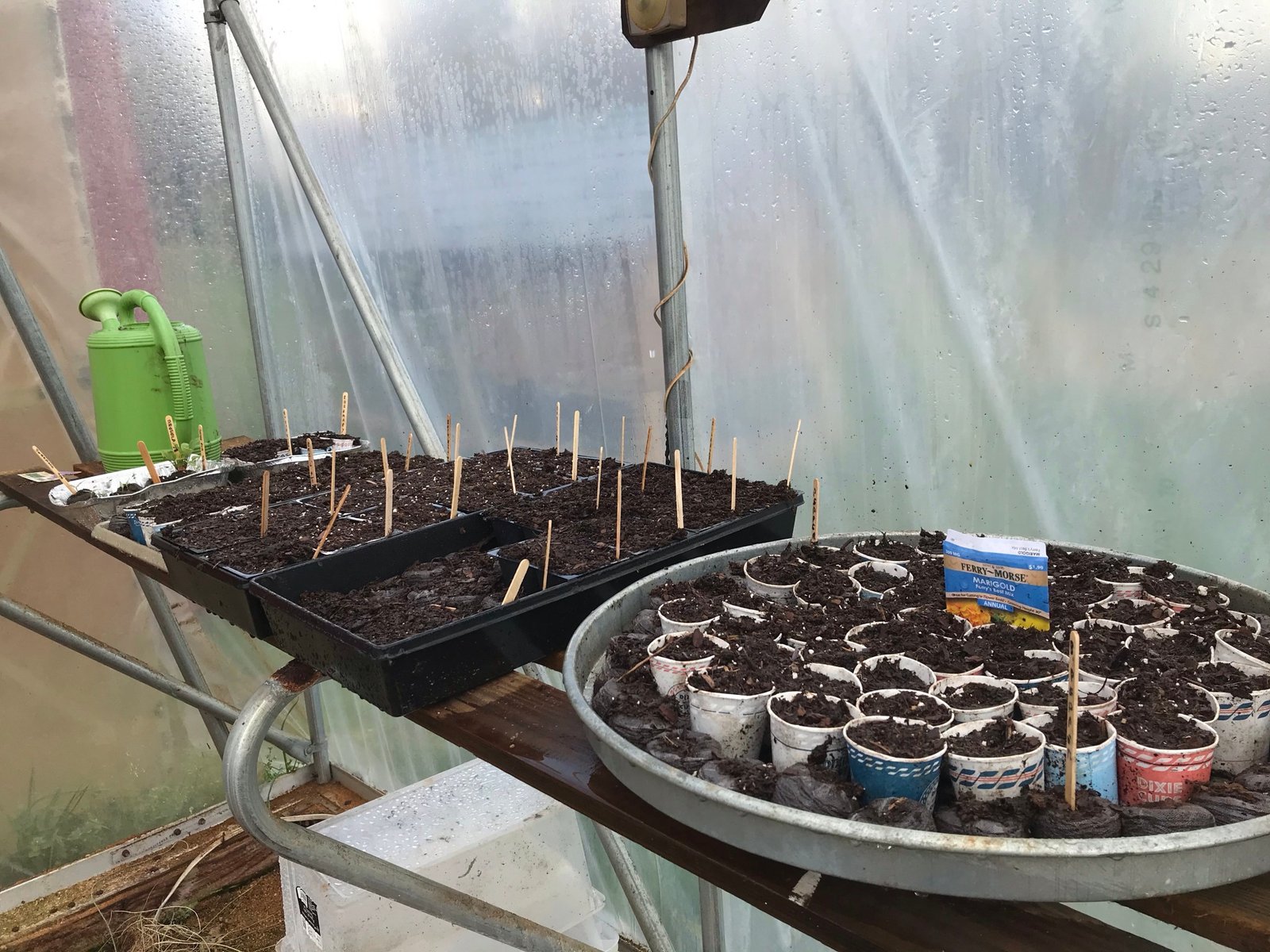
    I’ve decided to make the old greenhouse a bit of a project this year. In the past, it has served magnificently and variously to start daffodils grown by Brendan’s dad. It even has an old (and inefficient) propane heater. We’re now using it to start seeds and plants for setting out. My plans include setting up an automatic timer, fan, and mister. For now it’s a bit of a hot mess!

    New things a-growing in the greenhouse

    Outside of garden projects, we celebrated as members of the family announced their move back home to Virginia. How wonderful is is to reclaim the precious process of gathering!

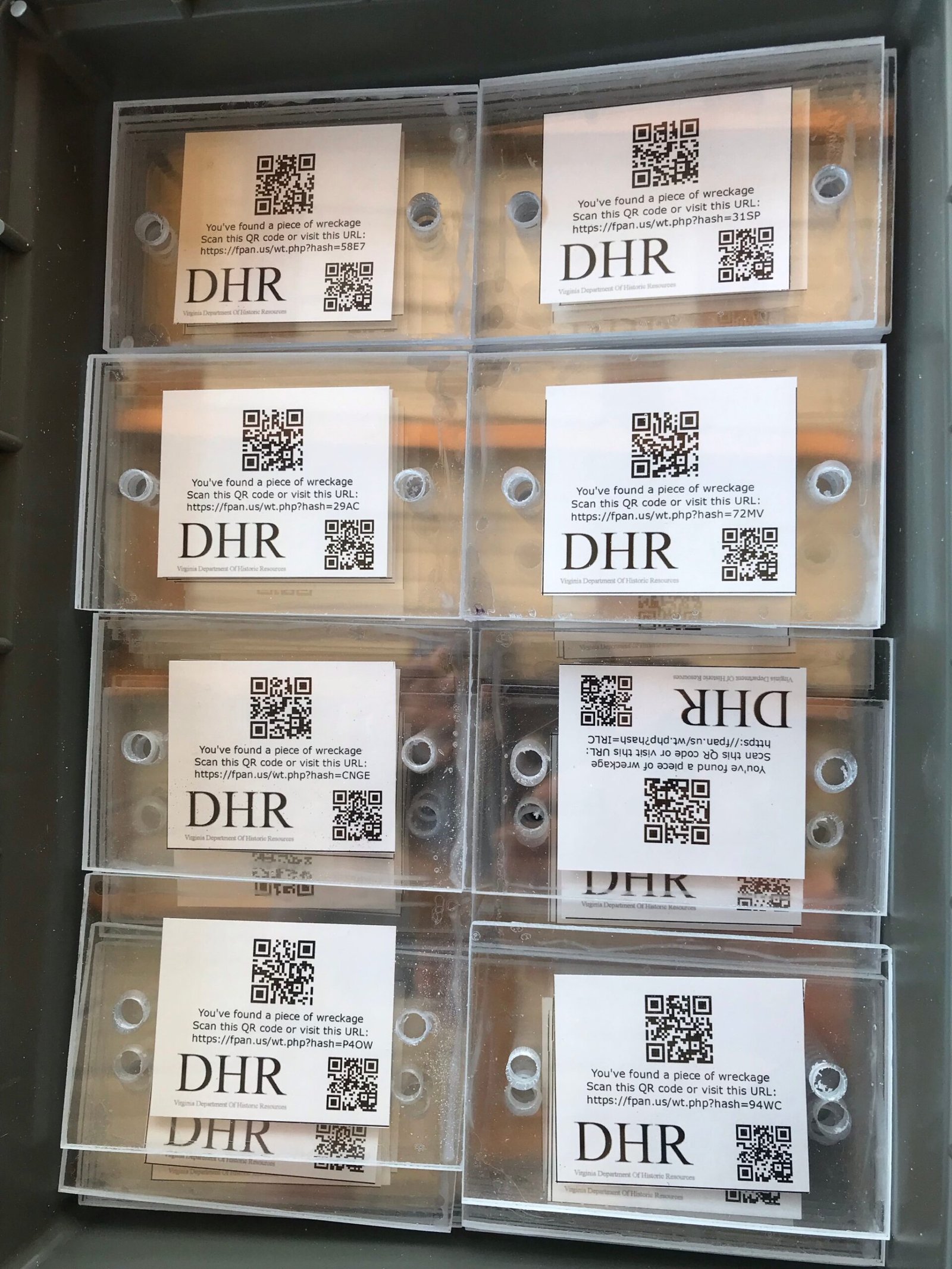
    In other events, Brendan and I hosted the Maritime Heritage Chapter (MHC) of the Archaeological Society of Virginia (ASV) for a Shipwreck Tagging Workshop. Started in Florida by the Florida Public Archaeology Network (FPAN), the program works with the public to tag shipwreck timbers and create a record of each artifact that can be used for future research. Each tag contains a unique ID that is part of a large and growing database. For the workshop, we cut, sanded, and glued more than 80 tags, which are now ready to deploy!

  • May 2021

    May 2021

    “It is wonderful how much may be done if we are always doing.”

    Thomas Jefferson

    May jobs including plantings, stumping, job applications, brewing, and other farm activities. A friend loaned us two bee hives, cousins visited, and we enjoyed relaxed restrictions as vaccinated members of society. Brendan purchased a plasma cutter and welder for the farm, and the old 1949 Chevy farm truck got some overdue TLC.

    The month started dry and cold and ended dry, hot, and humid. In a stroke of lucky genius, we brought the water line from the greenhouse 165 feet up to the Tobacco barn on April 29th. As a result we had water for the new garden and baby plants. Unfortunately, the newly sowed grass and hardwoods struggled as we teetered on the edge of drought conditions.

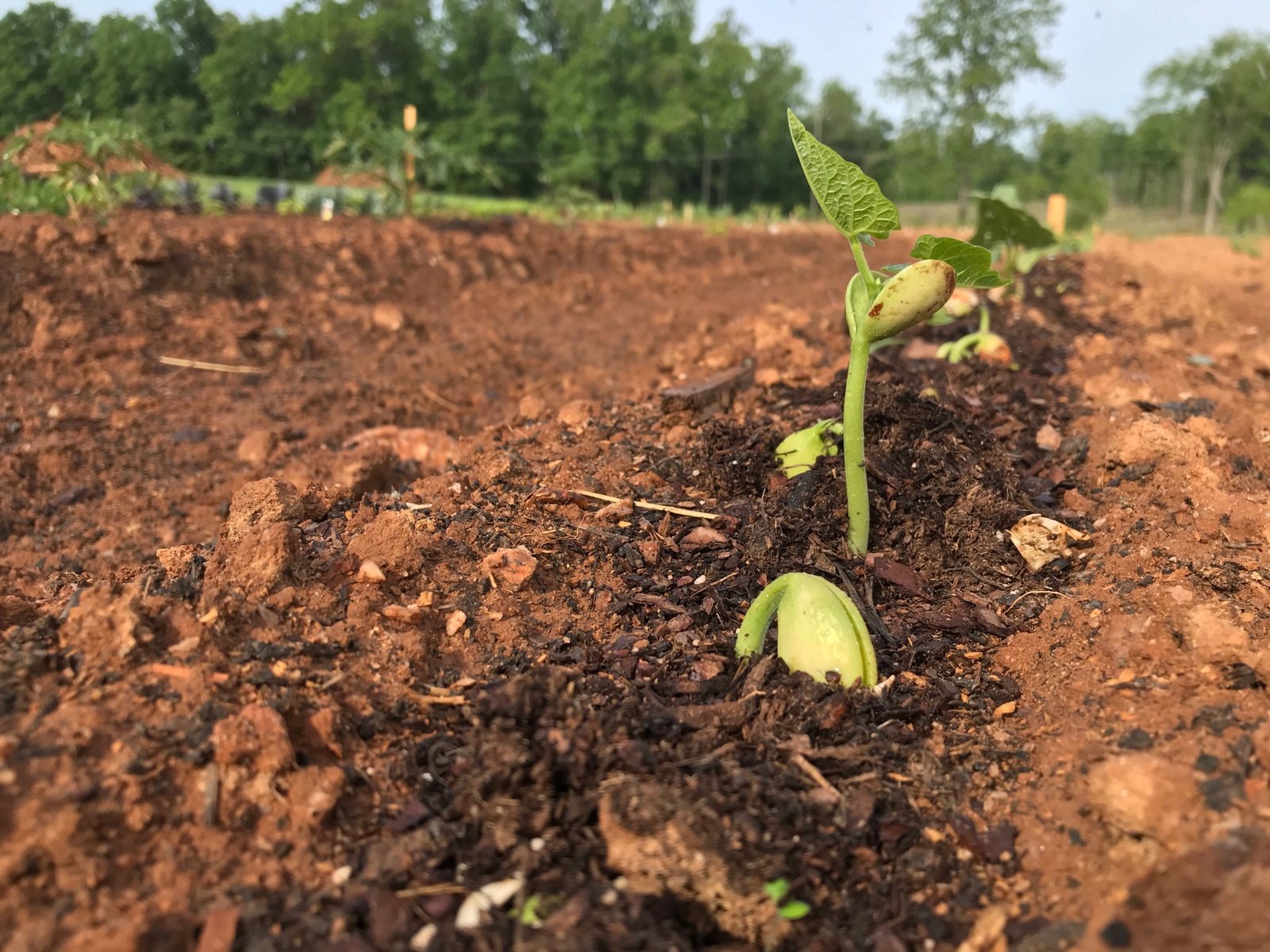
    New lima beans stretching for the sun on May 22

    We brewed a couple of 10 gallon batches – a Session IPA in the style of Founder’s All-Day IPA and a summer Witbeer ‘Gaarden Hoe.’ Having brewed 30 gal at the farm, we’re entering the next generation of All-Grain brewing: Broad Axe Brewing 2.0. We expanded Broad Axe brewing to include a new fermenter, 15 gal kettle, brew sculpture, and kegerator.

    In the garden, we laid out a permaculture area by the vegetable garden around the peach trees that were planted in March. We moved last year’s bare root blueberries from Willis Orchards to their new spot and tentatively laid out space for blackberries and grapes. We have hopeful plans to add hops and blackberries later this year.

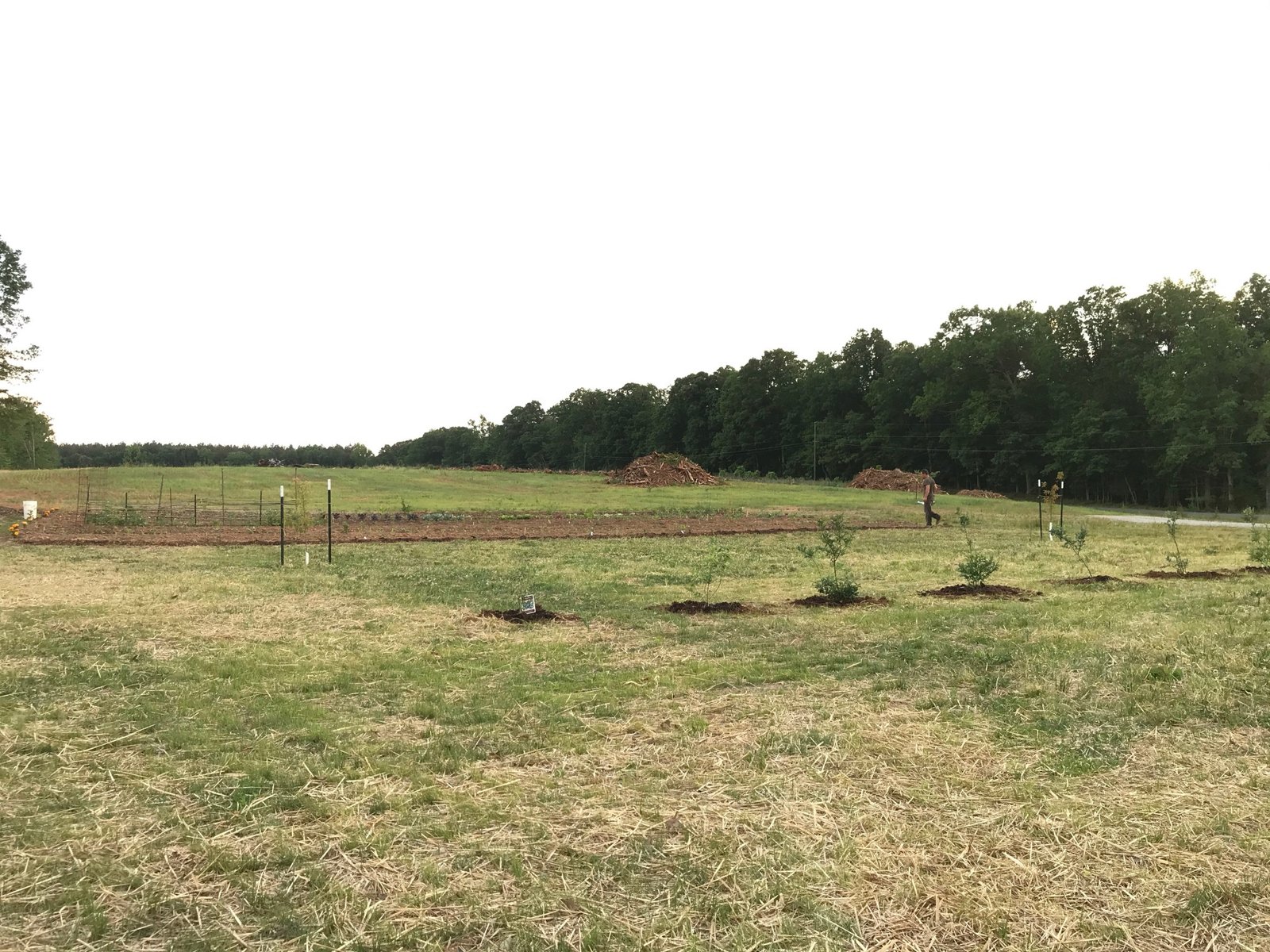
    New transplanted blueberries north of the garden.

    We planted 10 little hop bines at the beginning of the month in two buckets and by the middle of the month they sprouted and were ready to climb. Using the auger, we dug 3 post holes and will be moving them to a new home south of the garden.

    We stumped an additional 2 1/2 acres for the future paddock. The stumps will wait until we have access to a track loader later this summer. The areas cleared last year are planted in Crimson Clover and oats. The Crimson Clover bloomed in early May and a friend brought over two bee hives to enjoy the feast.

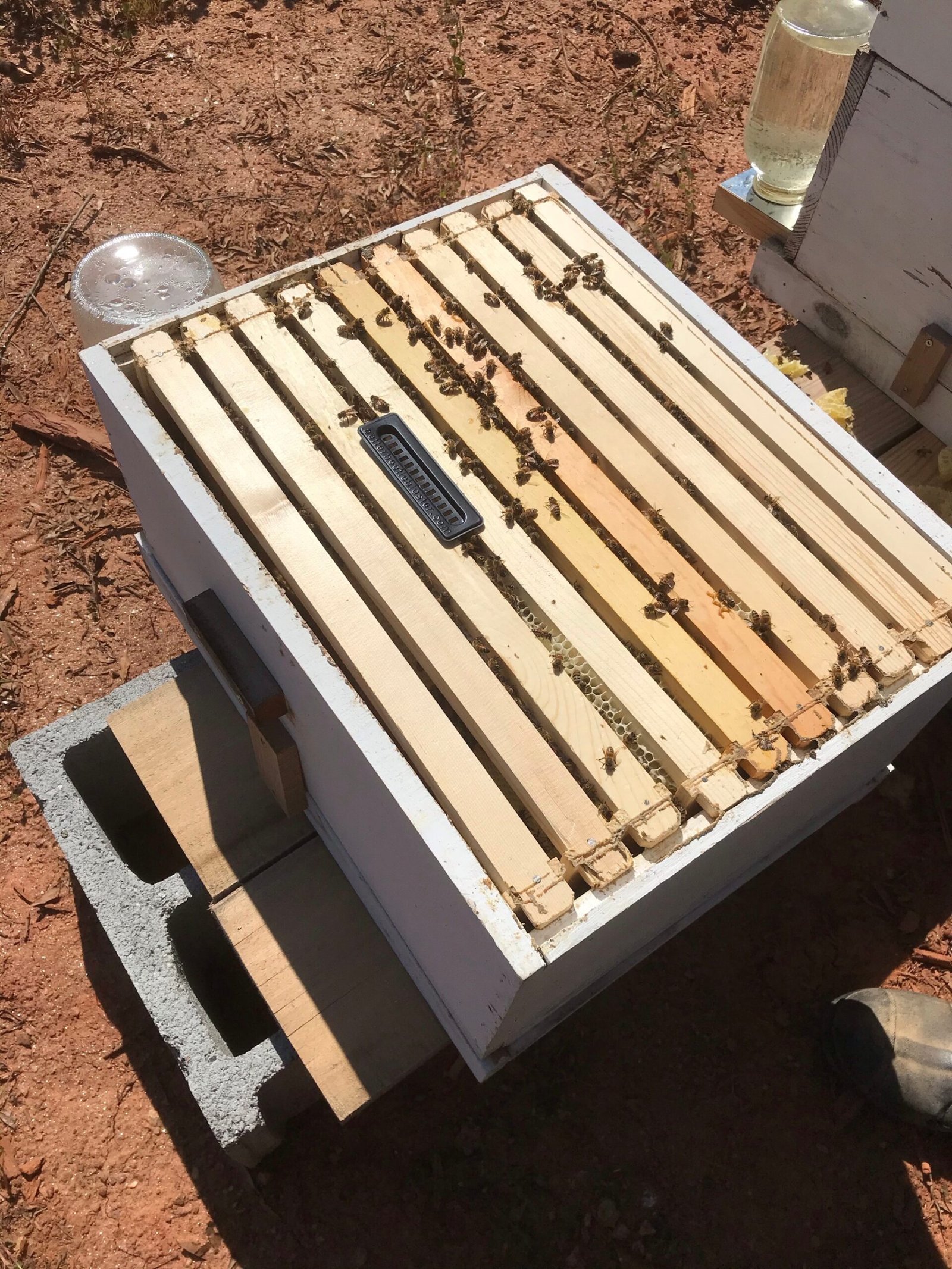
    Honey bees settling into their new home away from home.

    The bloom finished by mid-May and we sprayed the clover for green manure. The following day we rented the Piedmont Soil and Water District’s grain drill and drilled this area and the oats with sunflowers. If successful, it will loosen the soil for the fall’s pasture mix and make an excellent feast for wildlife.

    Stumpin’ aint easy but it helps to have good tools to do it.

    Three Golden Comets joined the Glendale flock, pushing the number of young chickens to nine. We deposited a heaping wheelbarrow of leaves into the coop and are starting the use the deep litter method. As the chickens scratch and poop, we’ll add additional leaves and ‘brown’ to balance their green manure. By the time it accumulates to 10-12 inches deep, we’ll have a lovely compost for next year’s garden. As of the end of the month, the comets had started to lay. Hurrah for fresh eggs!

    The dry weather has been good for the apples which have not suffered as badly from blight as last year. Farm happening to be continued…

  • April 2021

    April 2021

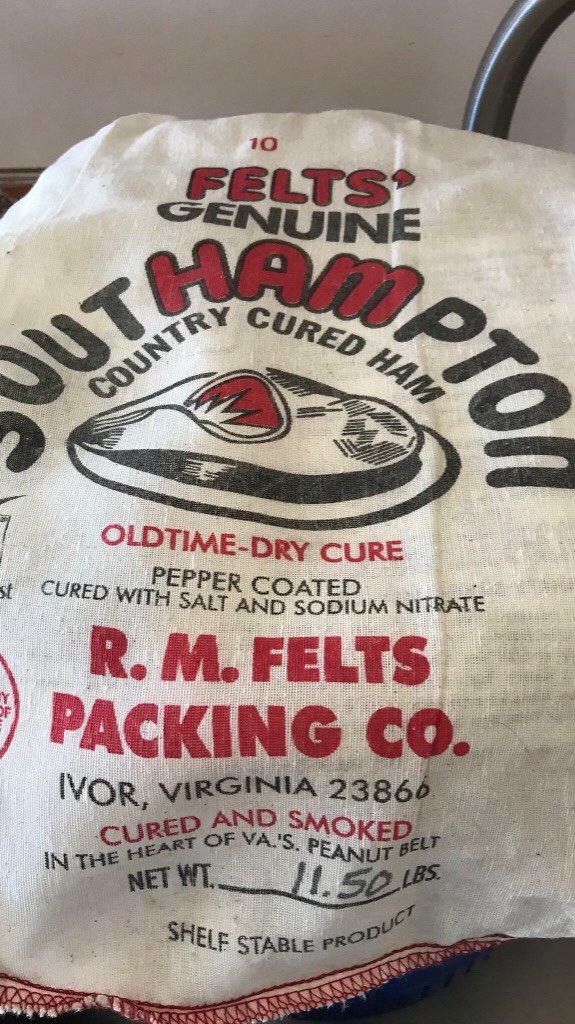
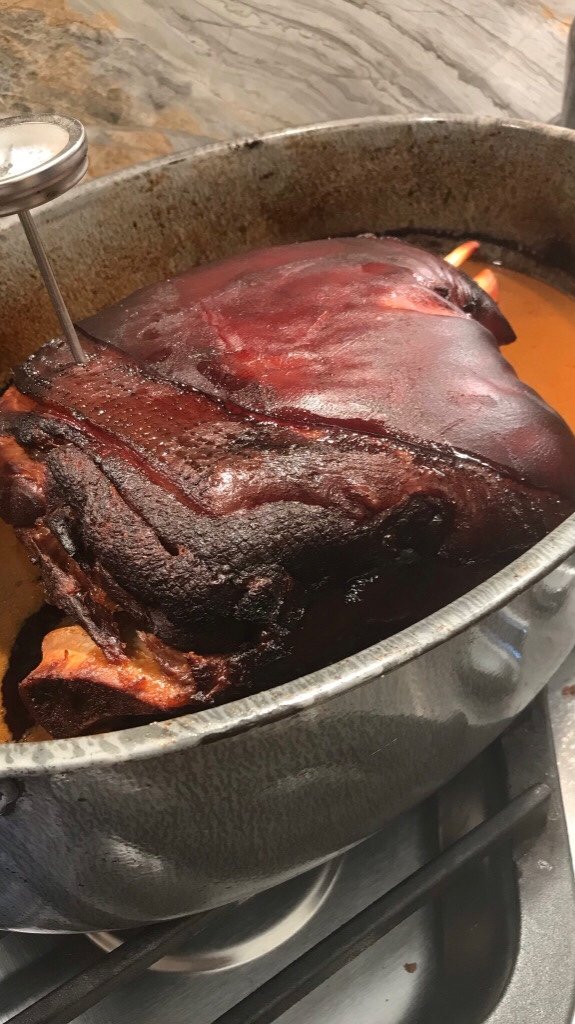
    Easter came early in 2021. Brendan exchanged some cedar posts and labor at a friend’s 18th century home in Richmond for a country ham. It’s the first time I’ve cooked the delicacy. We soaked the ham for 2 days and cooked it in a bath of Dr. Pepper. The taste was delicious and extremely salty. We’re not giving up and next year we’re going to try boiling!

    As Easter passed, the weather stayed cool. The garden stayed in semi-stasis while the chicks grew by leaps and bounds. Turns out chicks love chick weed. Who knew?

    The onions and lettuce enjoyed the frosty nights while I started a few seedlings under cover in the greenhouse. The whole greenhouse is in need of renovation and we’ve added it to our list of future to-dos.

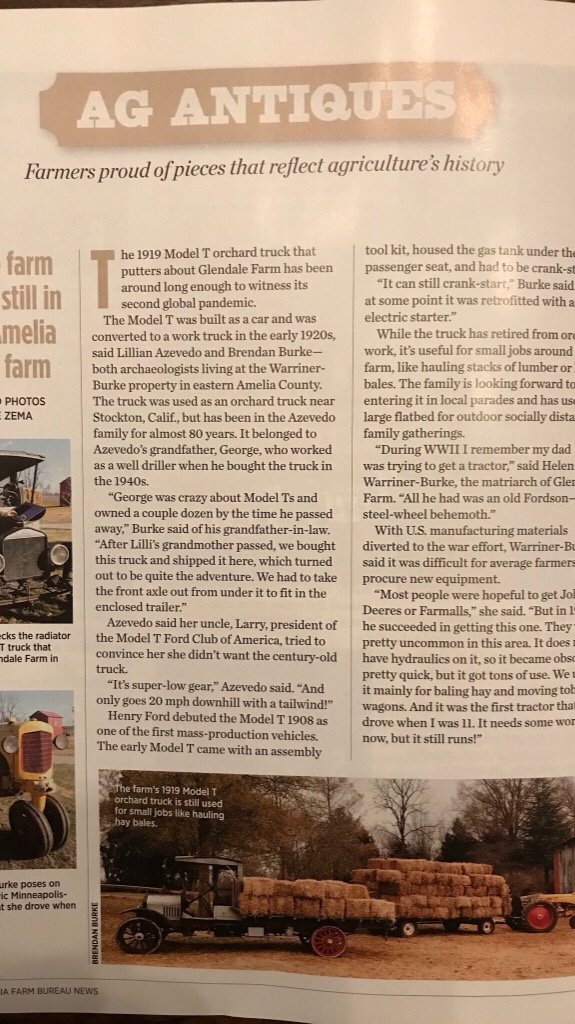
    Farm Bureau decided to feature the old family truck and tractor in a quick blurb in their magazine and came out to film a short interview. The T is my grandfather’s and an old orchard truck that is a recent addition to the farm, like me. The Ferguson, on the other hand is the real article and has been on the farm longer than Brendan and me, combined.

    Other projects in April included drilling fescue and oats to reclaim the stumped land and running a water line up to the workshop. It was a shame to tear up the yard, but better now than later!

  • March 2021

    March 2021

    “In the spring, at the end of the day, you should smell like dirt”

    Margaret Atwood, Bluebeard’s Egg

    The daffodils are pushing up across the front yard and down the back hill. Small delicate blooms and large yellow heads herald new growth and new beginnings. Pat used to show daffodils and the naturized varieties are truly a treat for the eyes.

    The forsythia and camellias have also arrived, combined, and even entwined, a splash of color!

    Camellias blooming March 28, 2021

    On a dirtier note, we decided 2021 is the year for a garden. Lilli hired Watkins Nursery to deliver 15 cubic yards of compost to kick off the endeavor. With a little effort and a Kubota, $500 disappeared into the ground. The result is a new garden 50 feet north-south by 75 feet east-west (notice the lack of metric, archaeology friends).

    In the spirit of Jefferson, we’ve planted a little of everything with the hope that some of it will grow. We have purple, red, yellow, white and sweet onion, kennebec and yukon gold potatoes, two varieties of garden peas, horseradish, kale, collards, spinach, chard, and cool weather lettuce. Newly vaccinated friends Emily Jane Murray and Emma Dietrich arrived just in time to help with the planting!

    At the beginning of the month we also welcomed six 3-day old leghorn chicks to a new brooder. They’re the first chicks on the farm for about 20 years. Just down the road not five miles, Tyson has a large hatchery. Too bad these chicks don’t know how lucky they are!

    To round out the month, Brendan moved the last pile of sticks and pine stumps between the house and road and used the land plane to level the area for drilling next month. We are definitely looking forward to a time when the dominant color is green and not brown, bare earth!