Tag: chicks

  • August and September 2022 – Birds galore.

    August and September 2022 – Birds galore.

    Our Cornish cross meat bird experience, the dining room floor gets replaced, and we work on our next piece of chicken infrastructure – the egg-mobile.
    In the house, we replaced the joists and floor in the dining room – all the way down to the 1870s timbers. Brendan and the experts jacked up the house (!) and replaced the timbers, buttoned up the floor, and laid the new (old) floor- all in time for the great Chicken massacre of 2022.

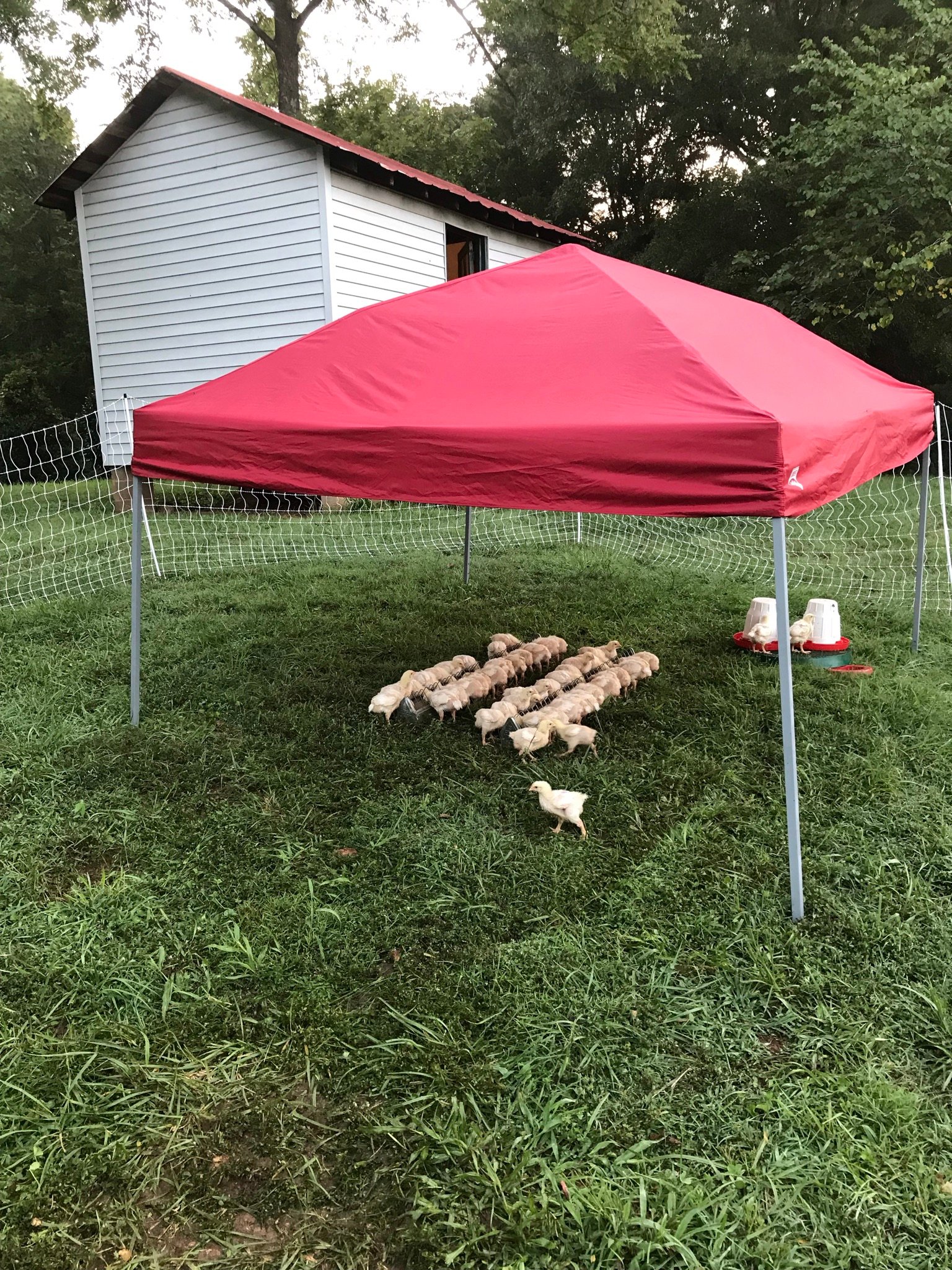
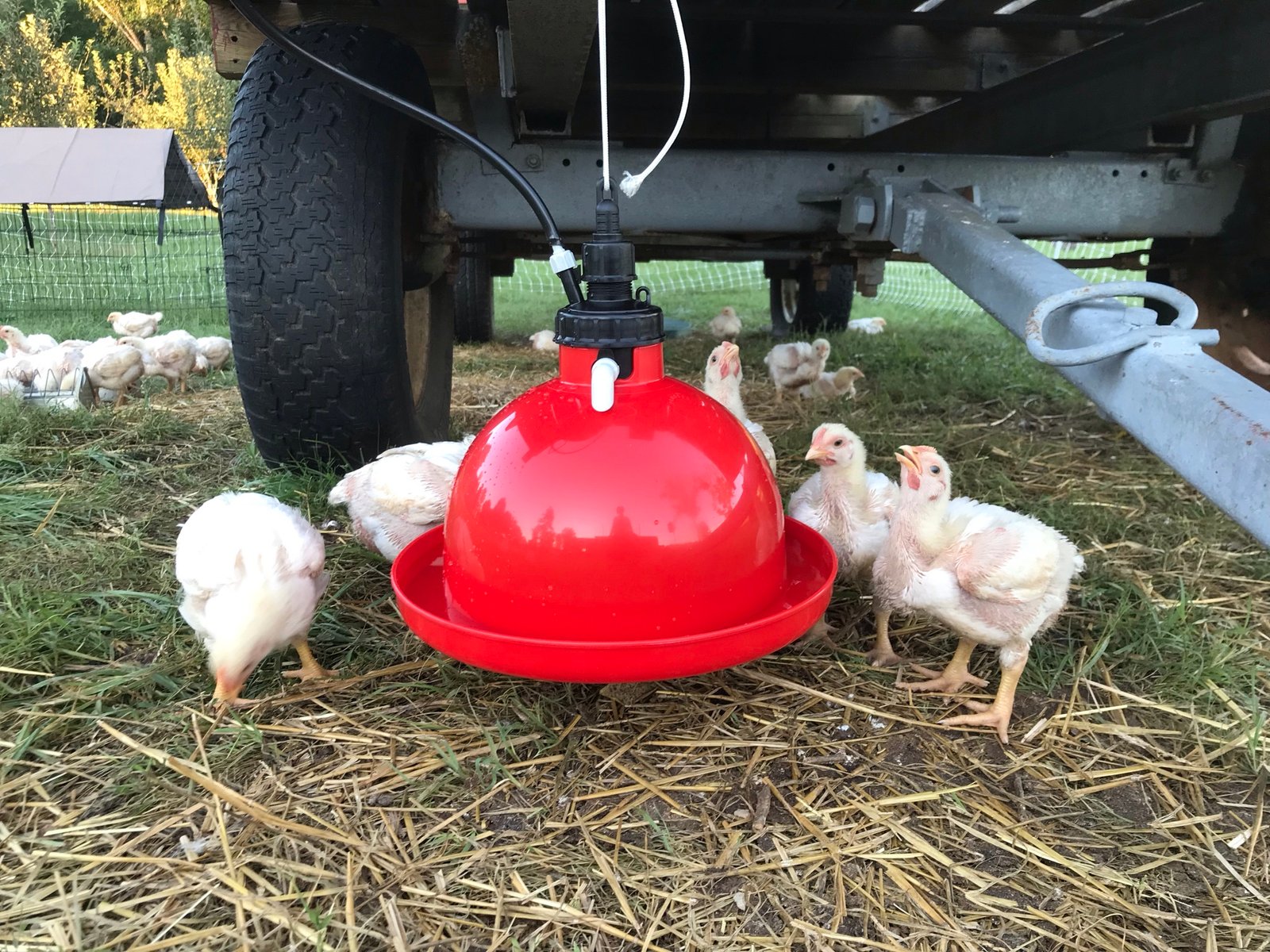
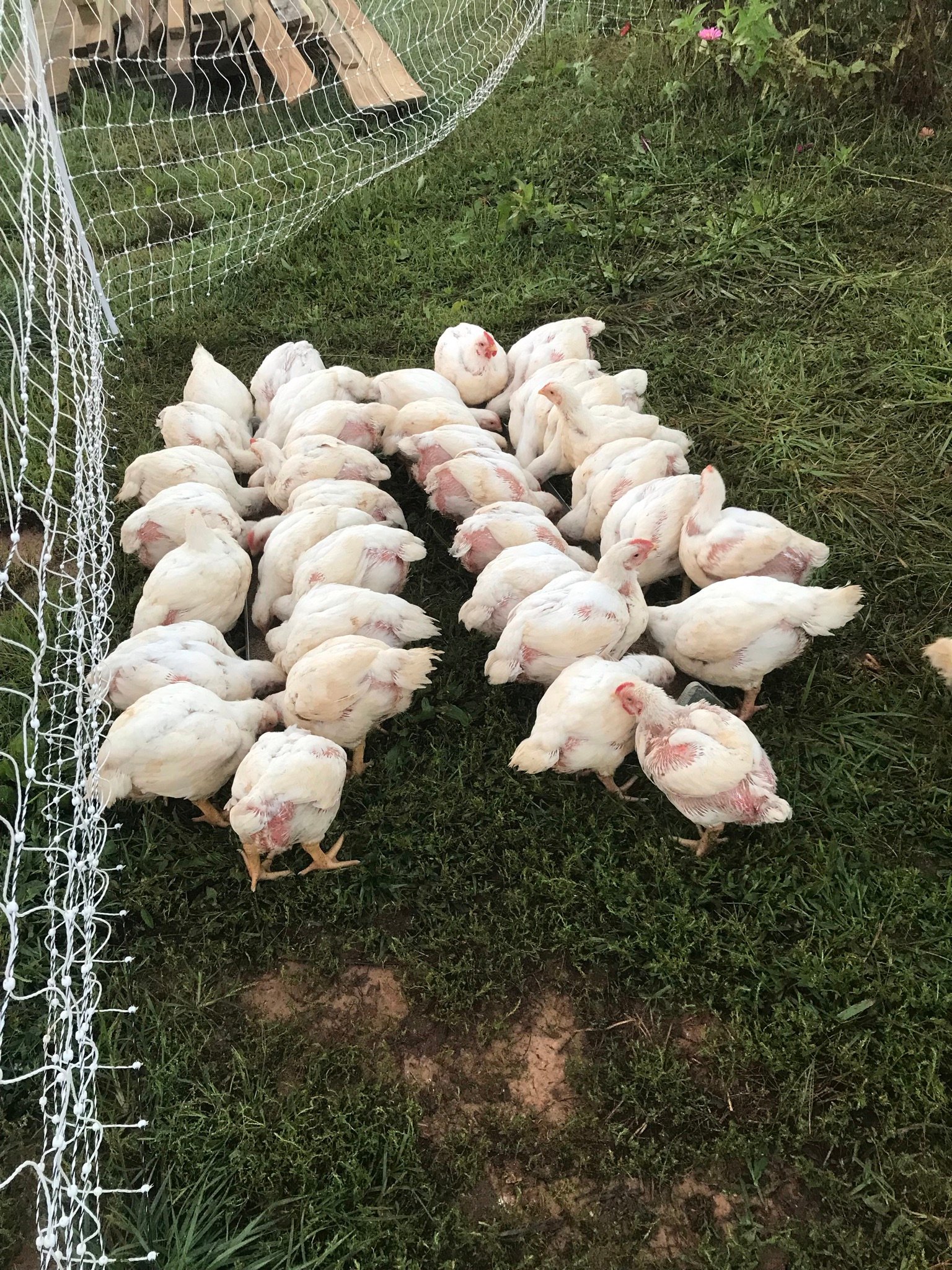
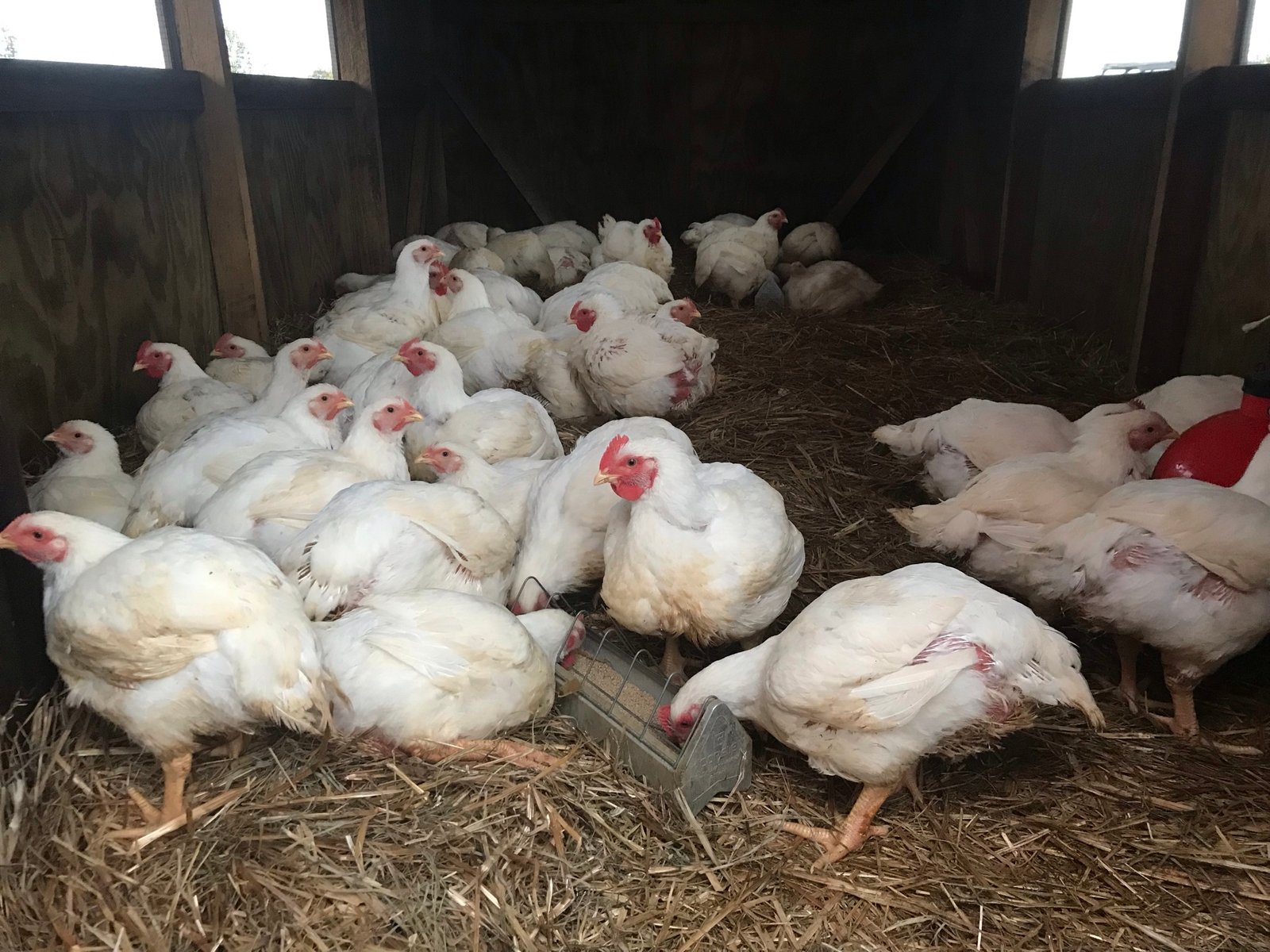
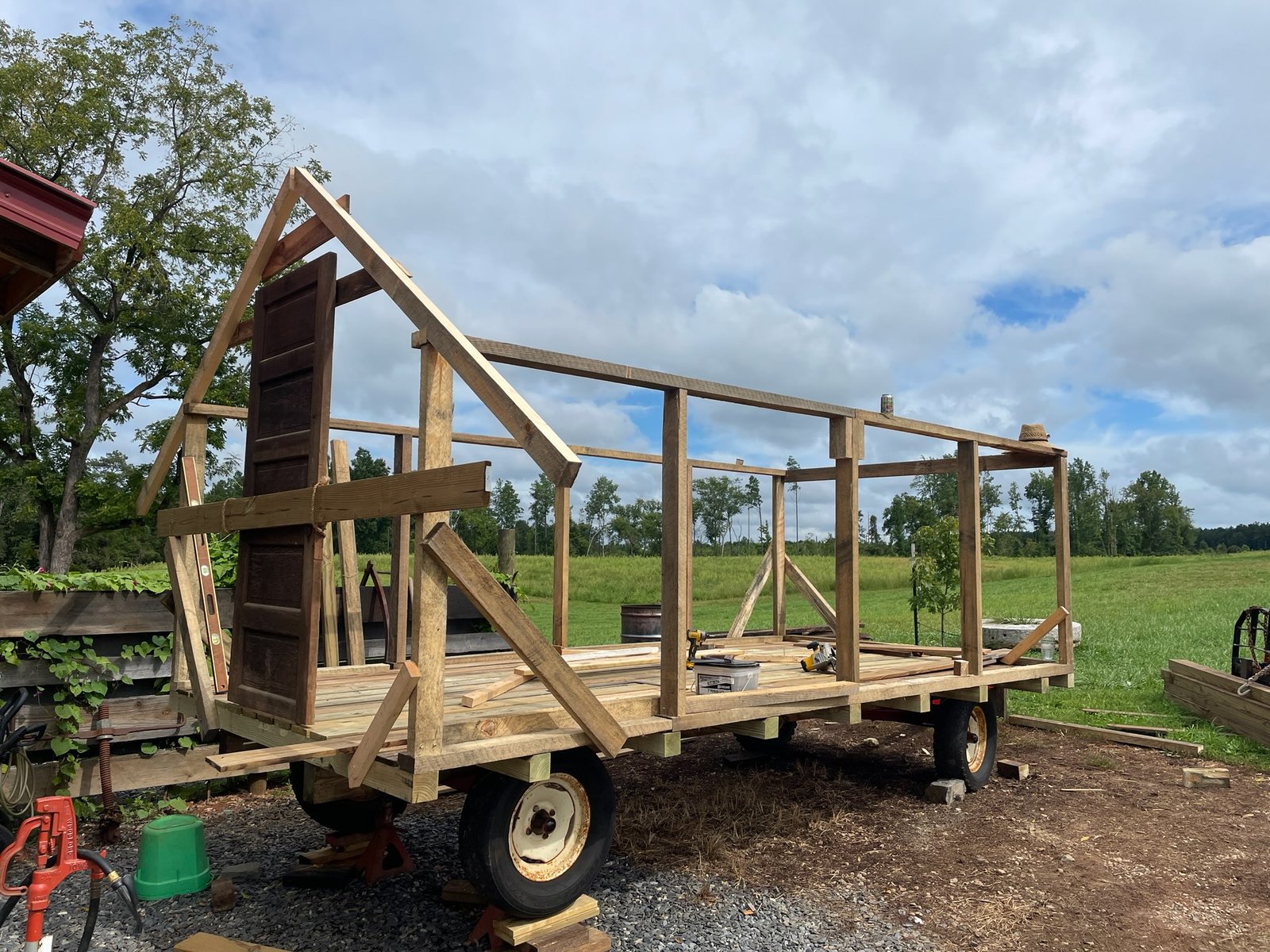
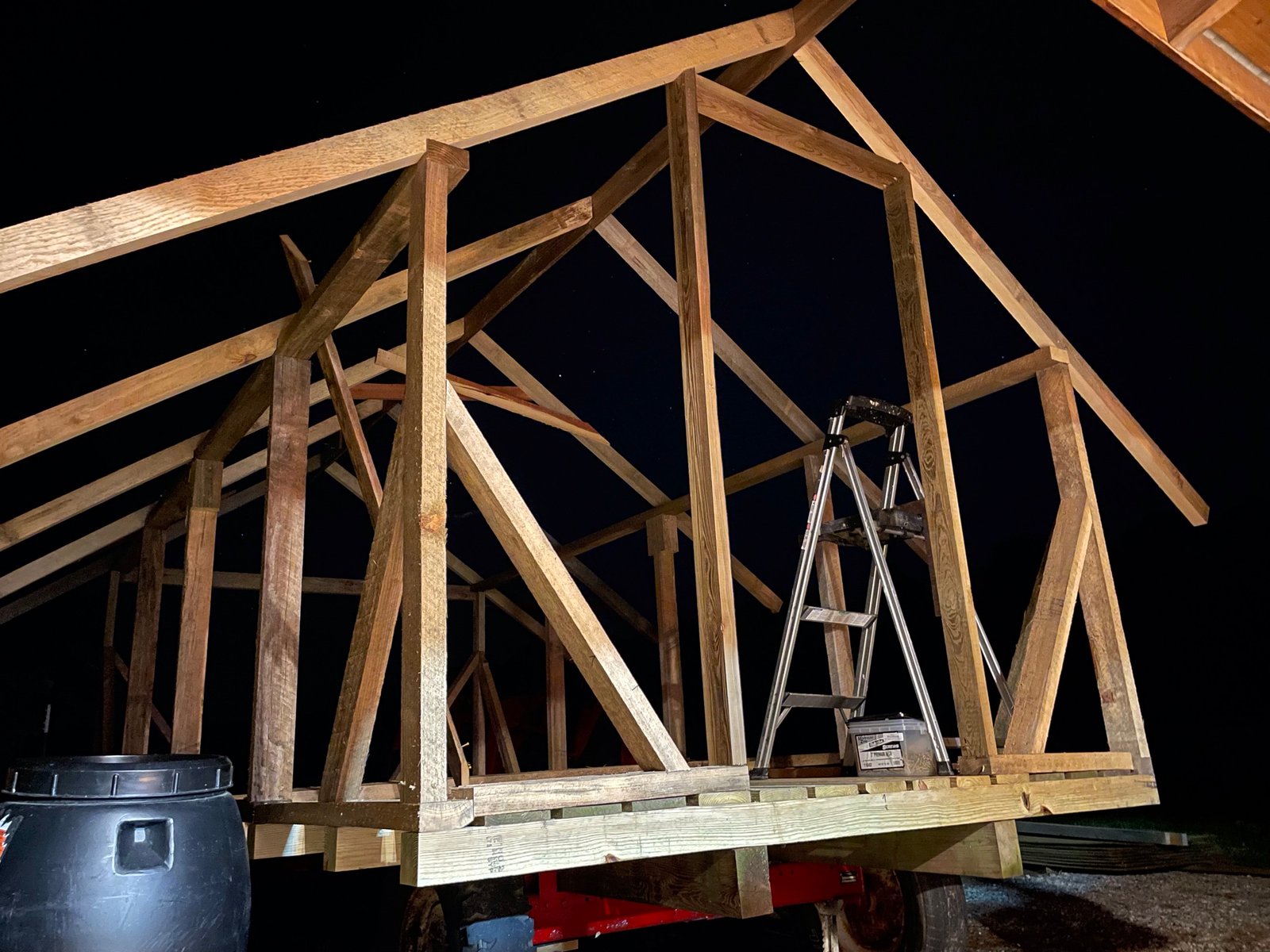
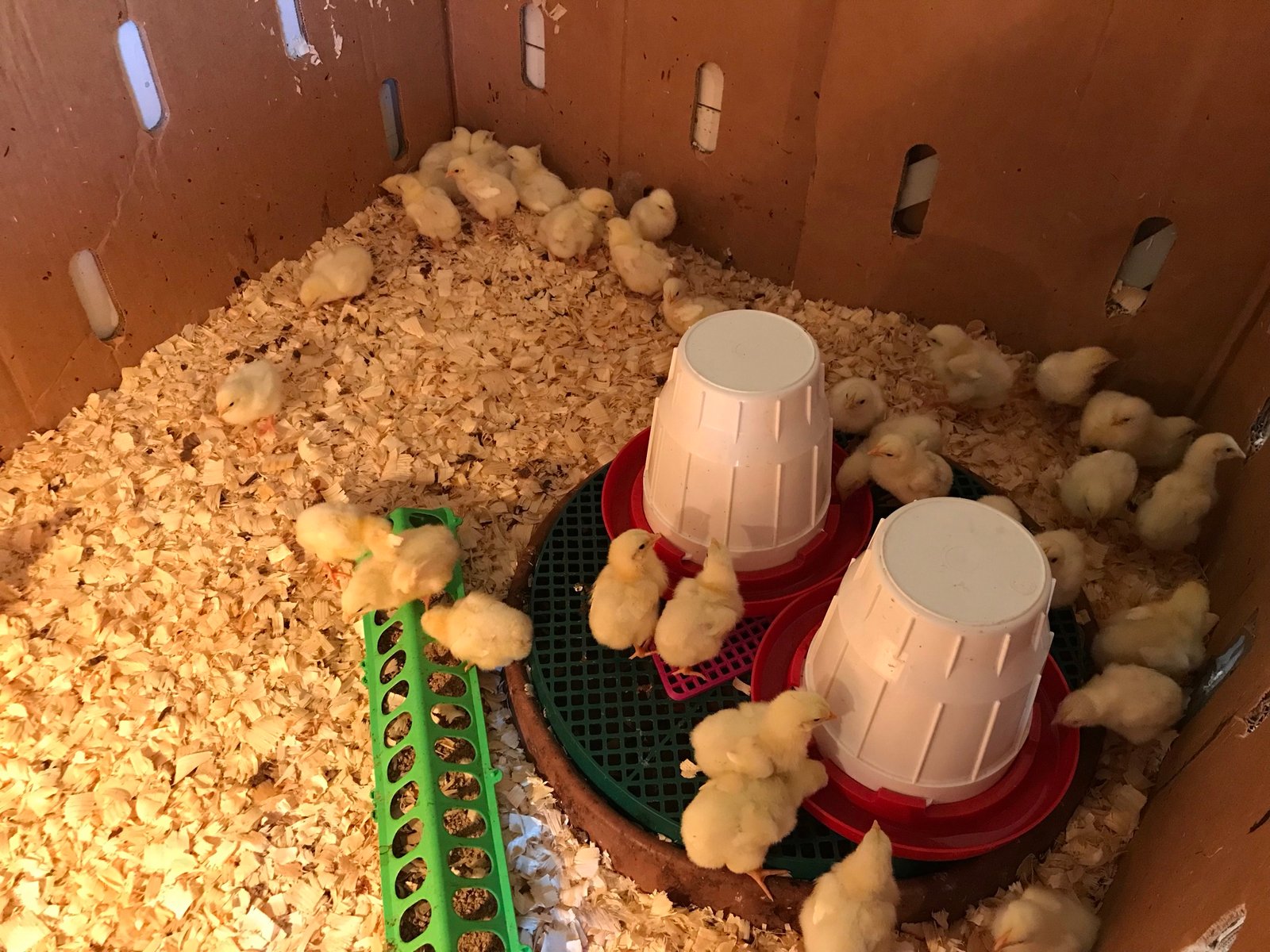
    In August and September, we raised 50 Jumbo Cornish Cross meat birds (purchased from Cackle Hatchery as part of their “Hungry Man Special”). We raised them in the brooder, transferred them outside at two weeks, and let them clean out our garden in September. We lost two adult birds – one of unknown causes and the second that was injured by a non-meat bird (we dispatched it a week early and grilled it on the BBQ). Getting into meat birds for the first time, we didn’t have a Salatin-style tractor. In lieu of the 12-x-12-foot movable box enclosure, we surrounded them with electric netting. When they were young, a pop-up tent worked for shelter during the day. As they grew older, we parked a hay wagon over them for shelter. We moved the fence as needed- every week or so. The last two days, we moved them to the new (almost finished) egg-mobile and bedded them in deep straw. They were comfy, dry, and safe while we received over 2 inches of rain. It also made catching them on the big day a whole lot easier!

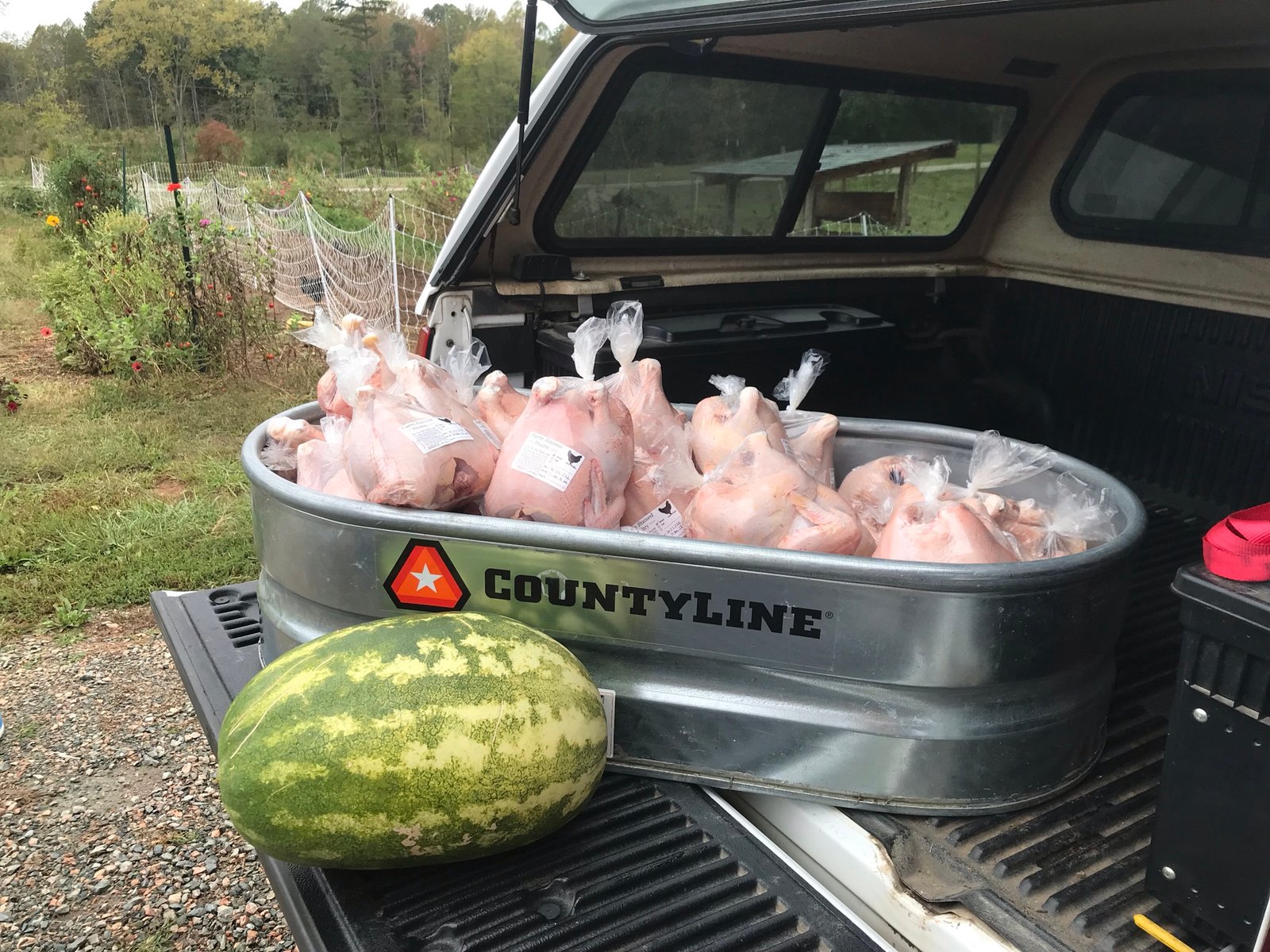
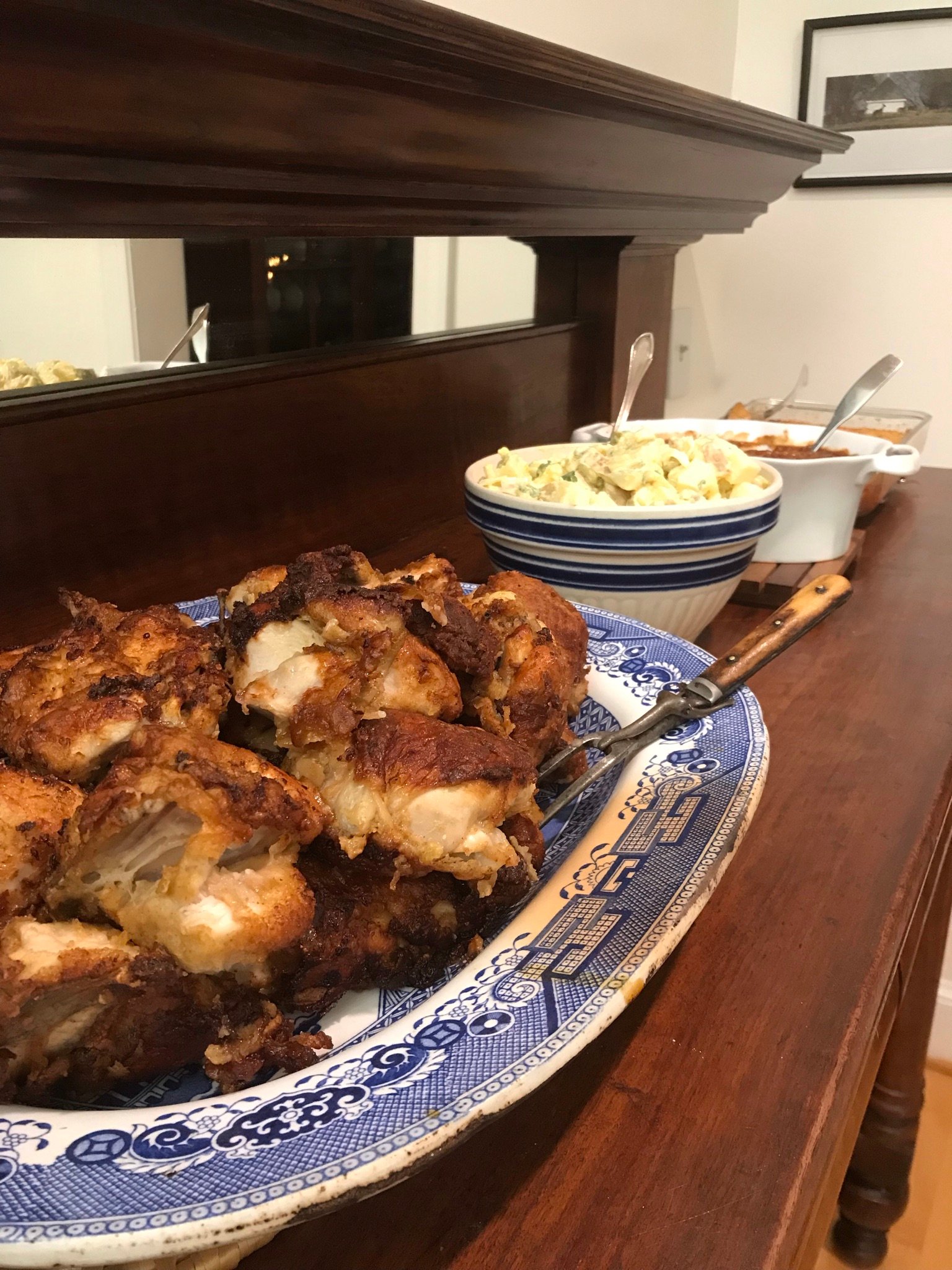
    All told, they ate a whopping 850# of feed and grew into beautiful birds over 53 days. With sincere and humble thanks we processed them with friends and family on October 1, 2022. The average live weight was just over 7 lbs and the carcass (freezer) weight was 5.3 lbs. I’m pretty impressed at the overall growth and stamina of these guys and girls (28 male and 22 female). At the end of an honest day’s work, we pulled out the harvest table in our recently refloored dining room and celebrated with fried chicken and homemade sides and pies.
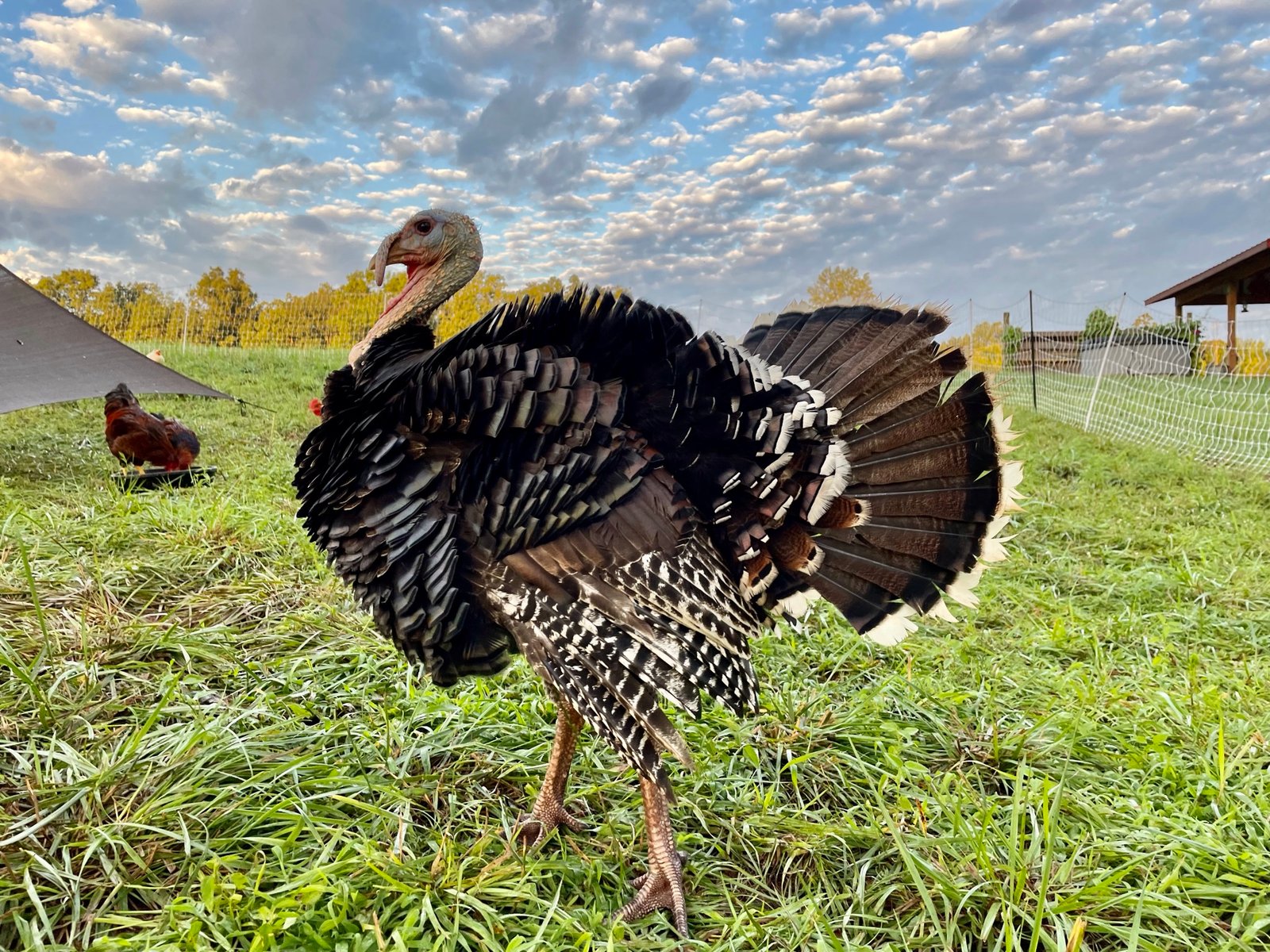
    Our four broad breasted Turkeys have embraced life on the farm. They are now mature and will steadily put on mass before their dinner date for Thanksgiving and Christmas. They’re currently enjoying a mix of scratch and 21% feed.

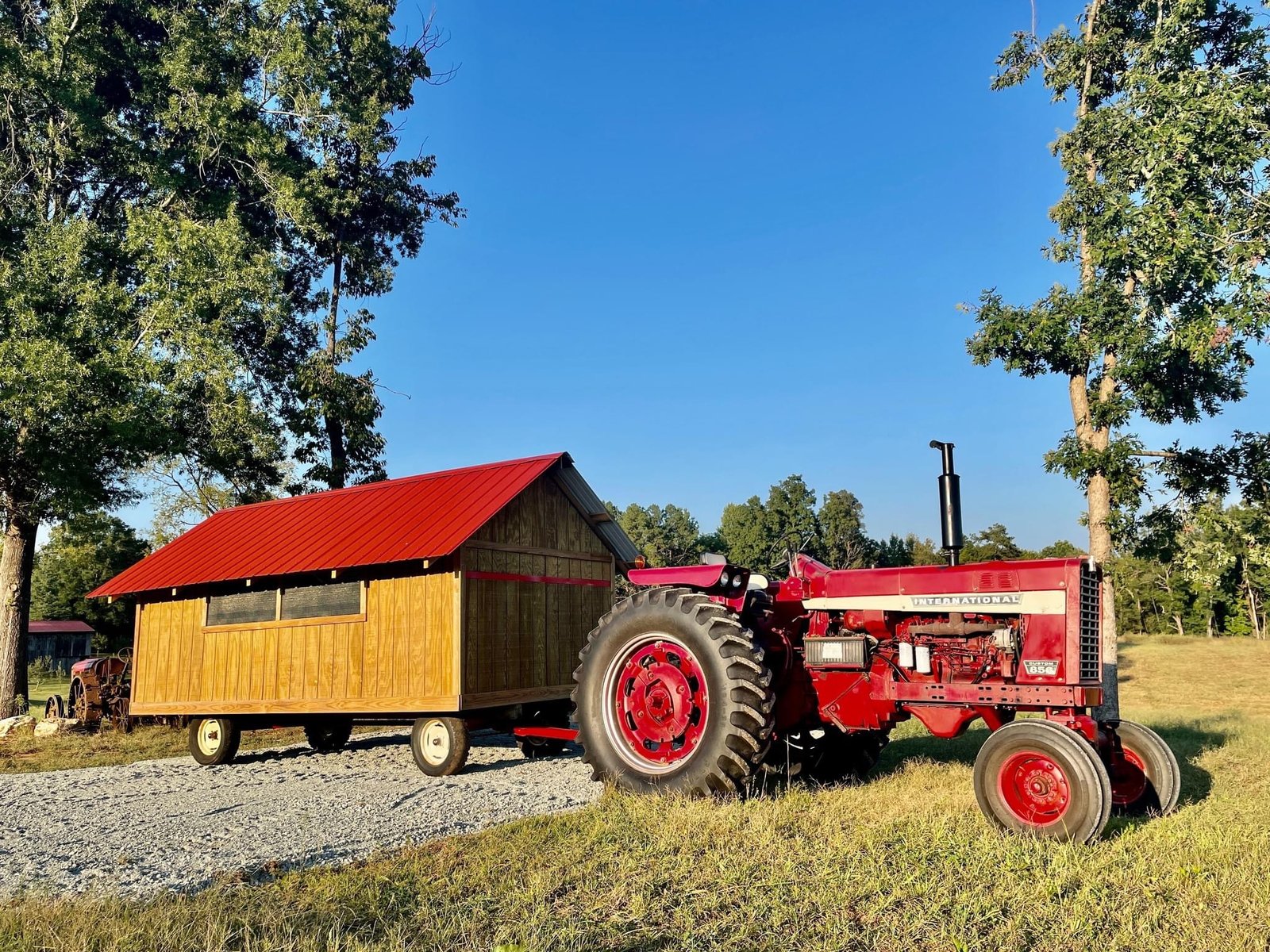
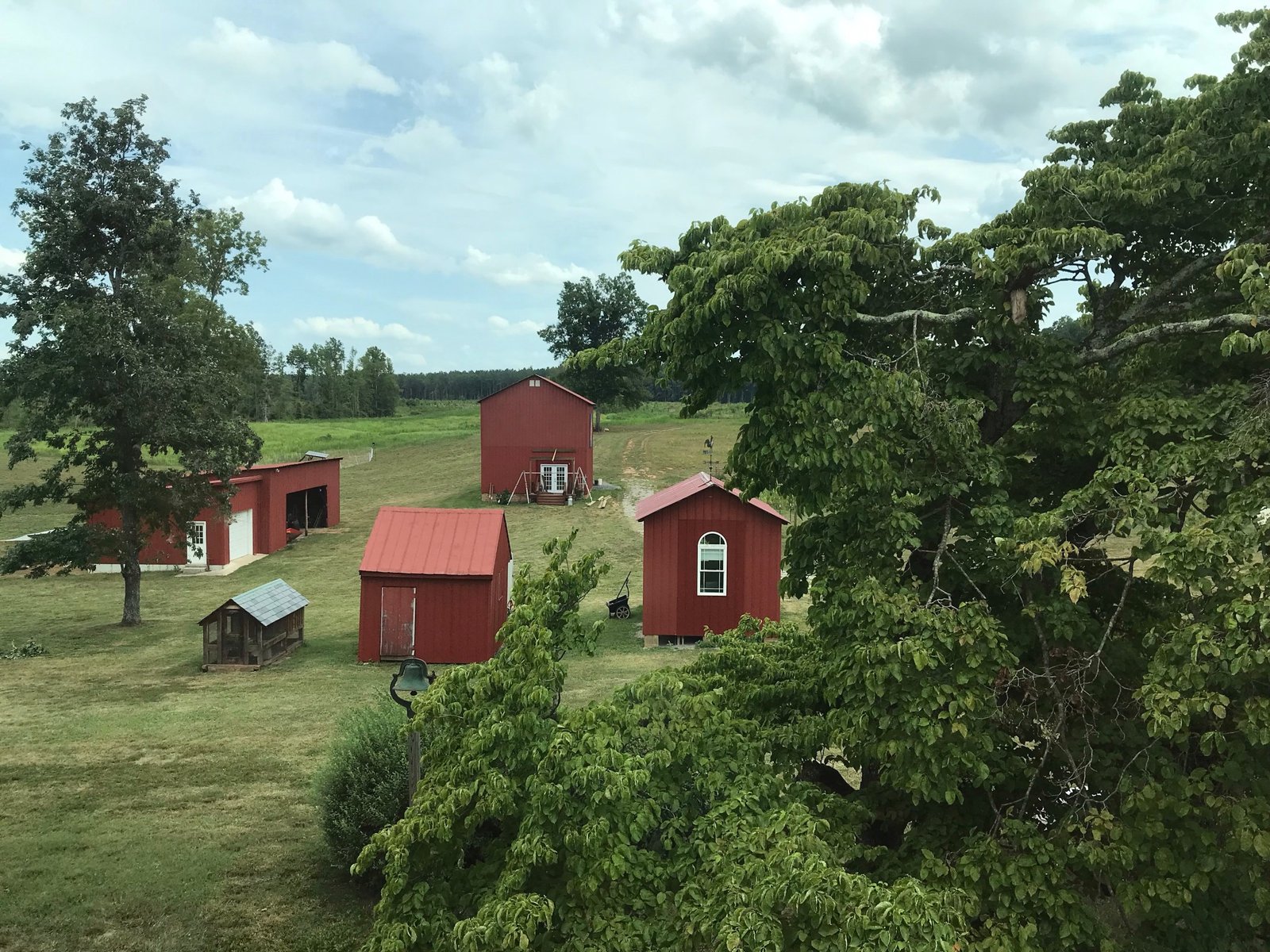
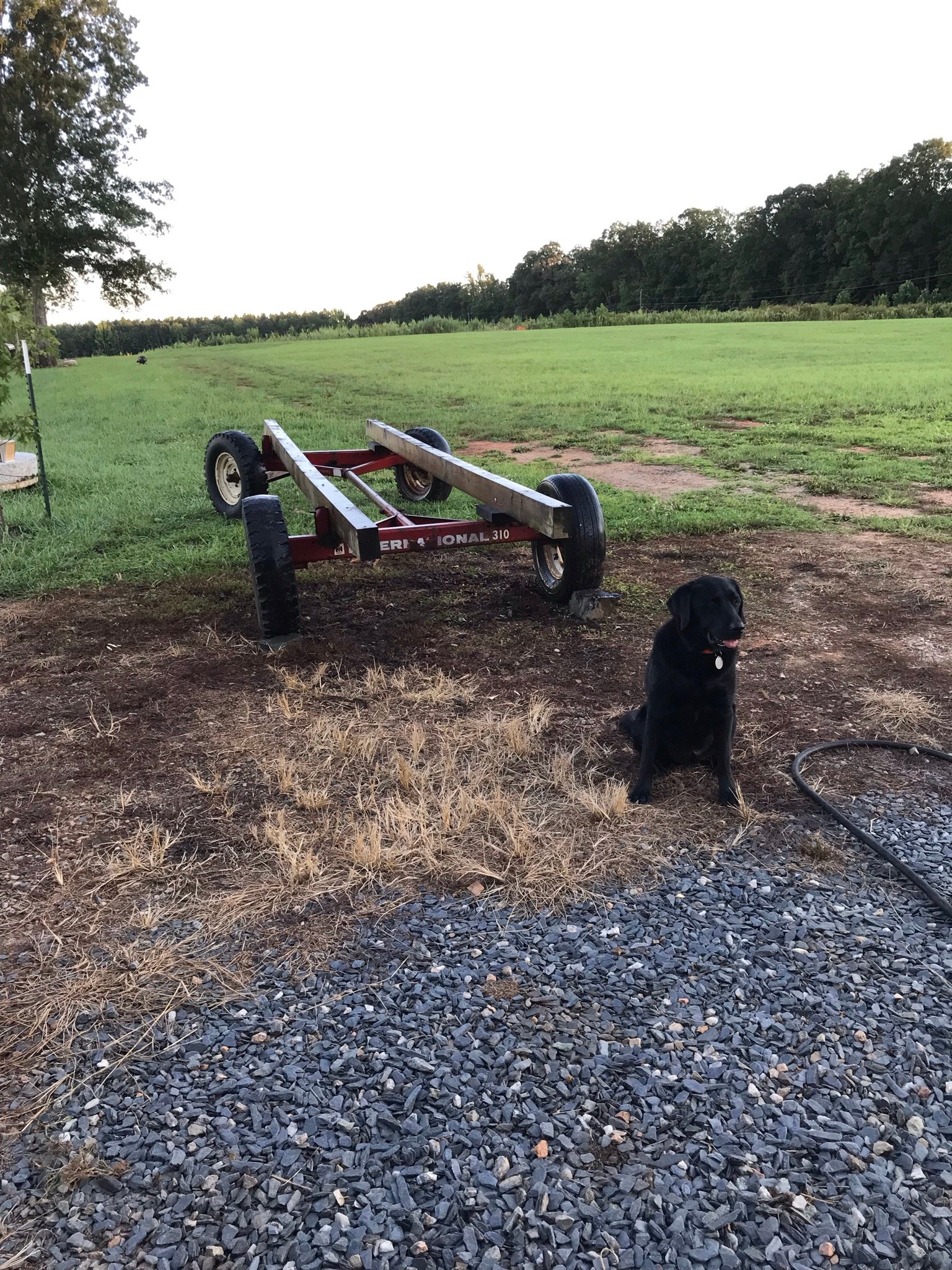
    In early August, Brendan purchased a 1969 International Harvester and Big Red is now the largest tractor on the farm. Looks great next to the new Egg-mobile!
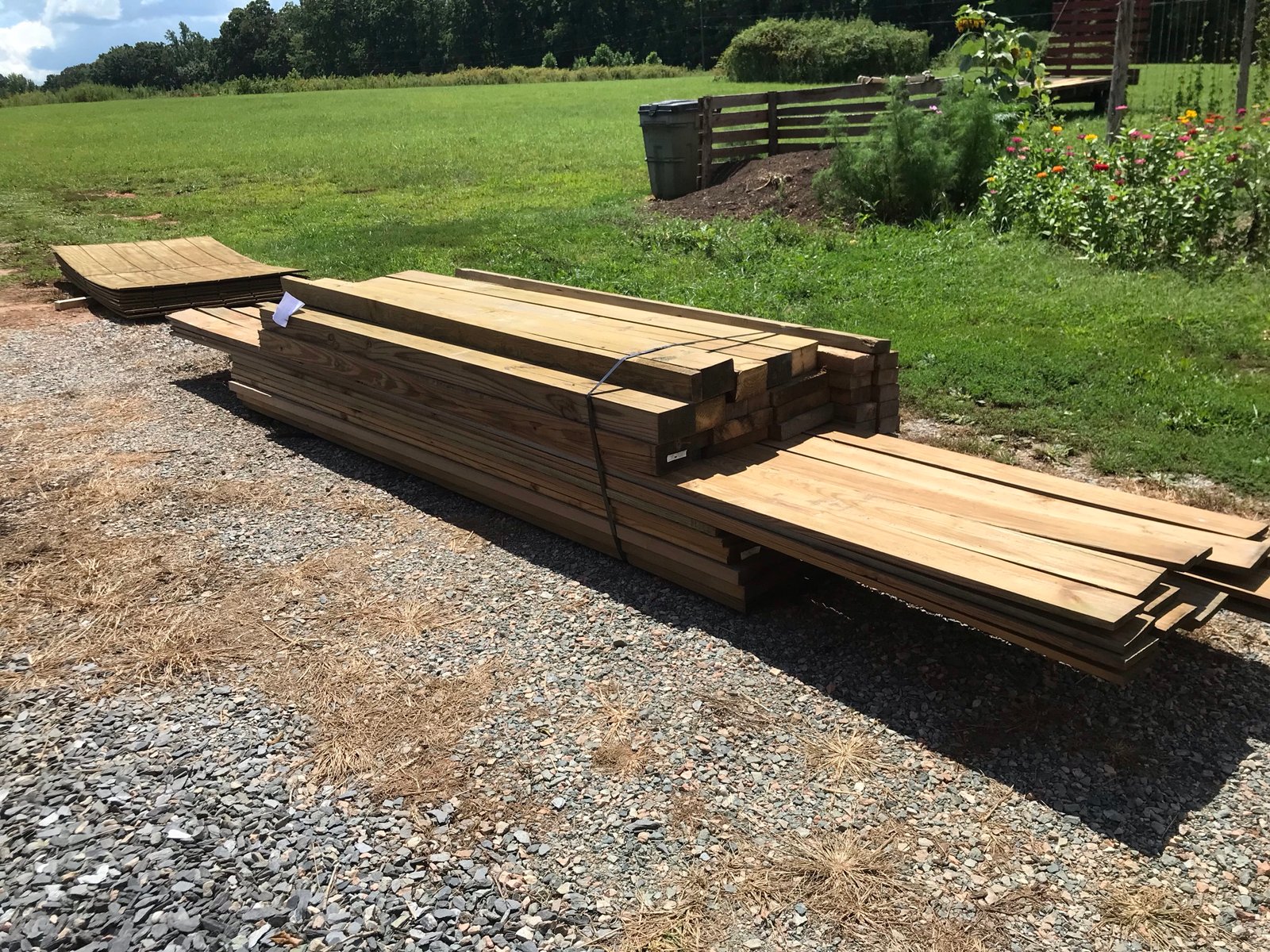
    With trial and error, I’ve learned that all bulk feed is not created equally. This summer, we experimented with buying feed by the barrel from a distributer near Petersburg. After about a month we noticed a marked slowdown in egg production and stalled growth in the pullets. Lesson learned!

    We’ve invested in an antique feed mill made by John Deer (belt-driven), a 1000# of corn, a barrel of wheat middlings, soybean meal, poultry vitamin premix, and diatomaceous earth to try our own recipe. No worries, our ladies will have plenty of free-choice commercial feed while we figure it out. Once we do, we’ll be ready to start selling our surplus eggs – $5 per dozen in Richmond (there’s a discount if you’re local!).

    At the beginning of October, we had the pleasure of watching the farm on TV. Last year, the Food Network filmed Season 3 of Outrageous Pumpkins at Glendale (just good ‘ol fun). It was pretty neat to see the farm gussied up and swarming with people.
  • July 2022

    July 2022

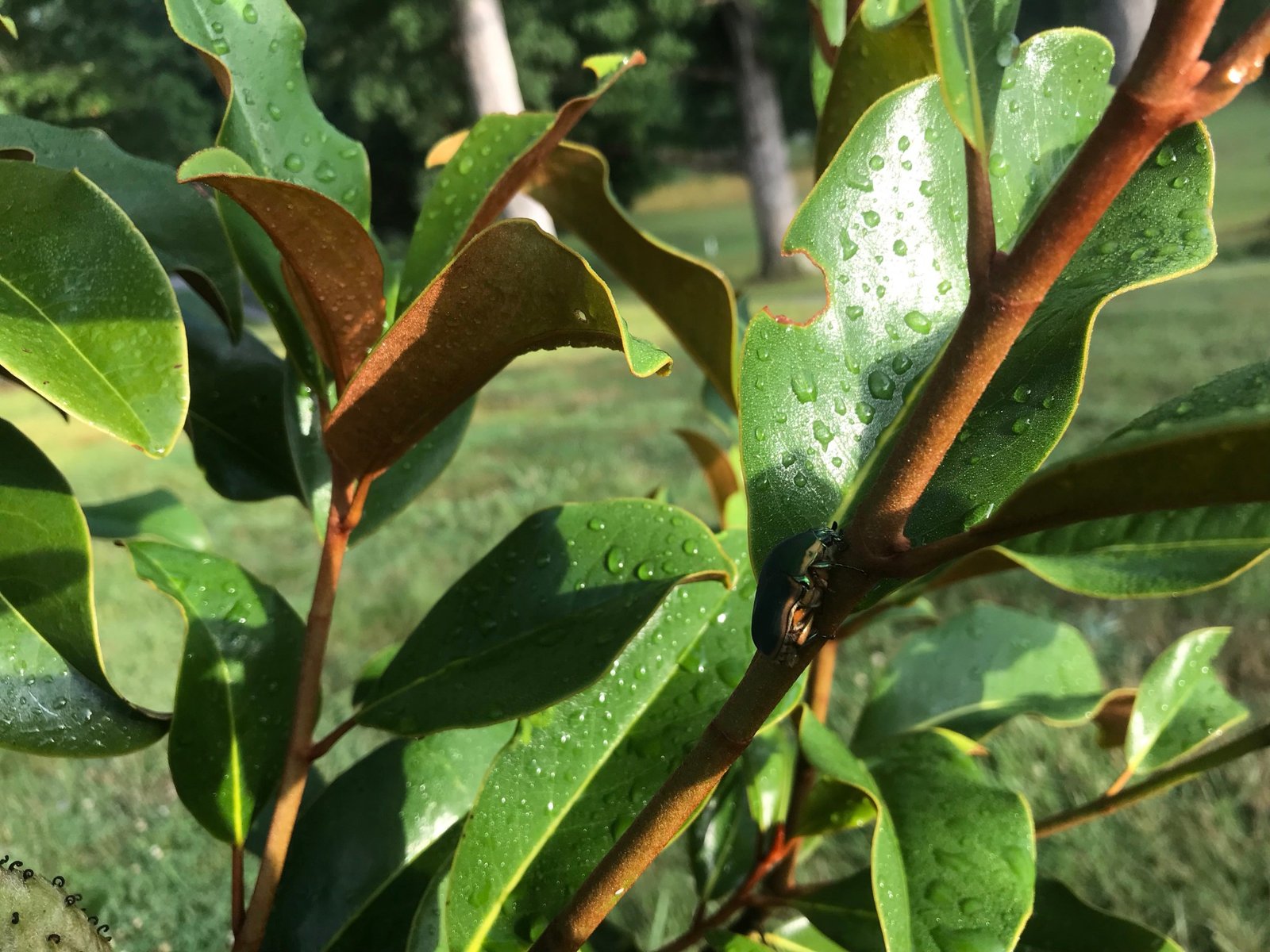
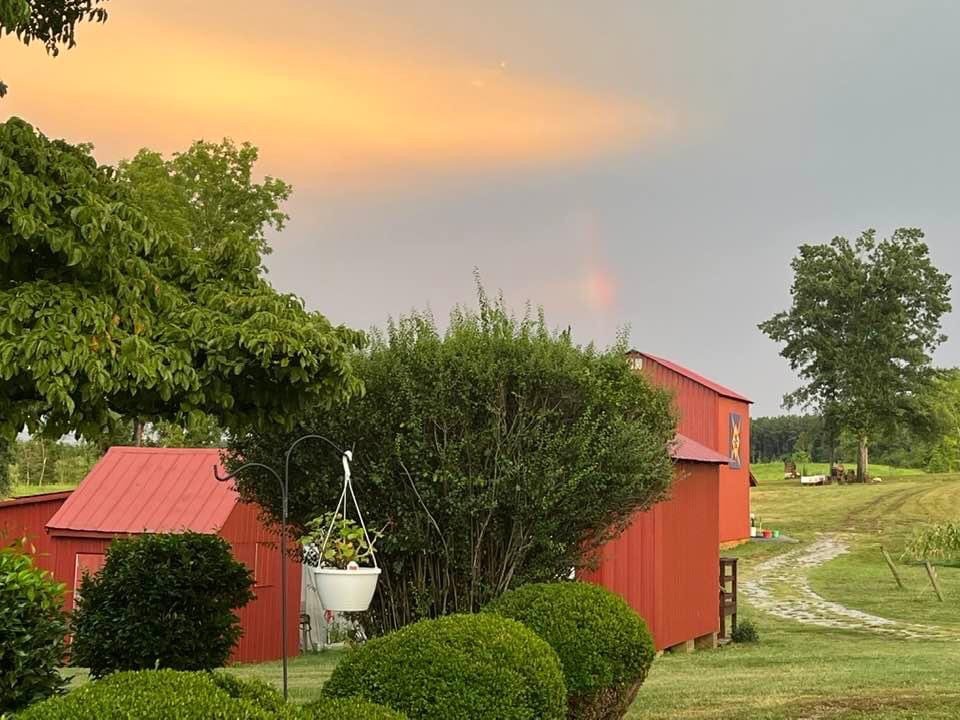
    We’re nearing the dog days of summer with lows above 70 and highs in the 90s. Japanese beetles have given way to June bugs and fireflies. Sunflower and crepe myrtles are in full bloom and the corn is beginning to tassel. It feels too hot to work – almost. The bees are going through a 25-bag of sugar and the poultry are gobbling 100 lbs of feed a week. Our four broad breasted turkeys are now 16 weeks old and starting to grow out instead of up.

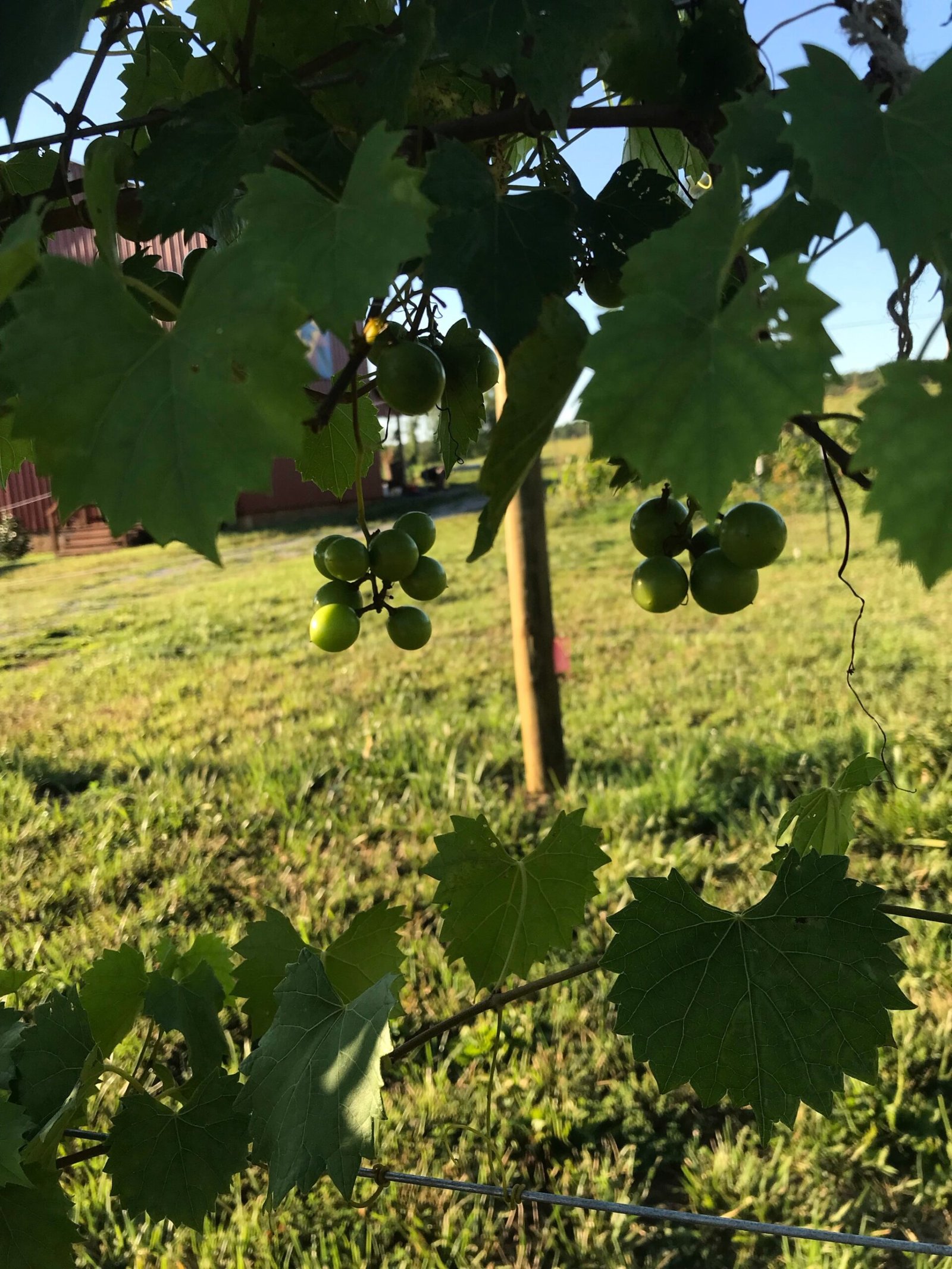
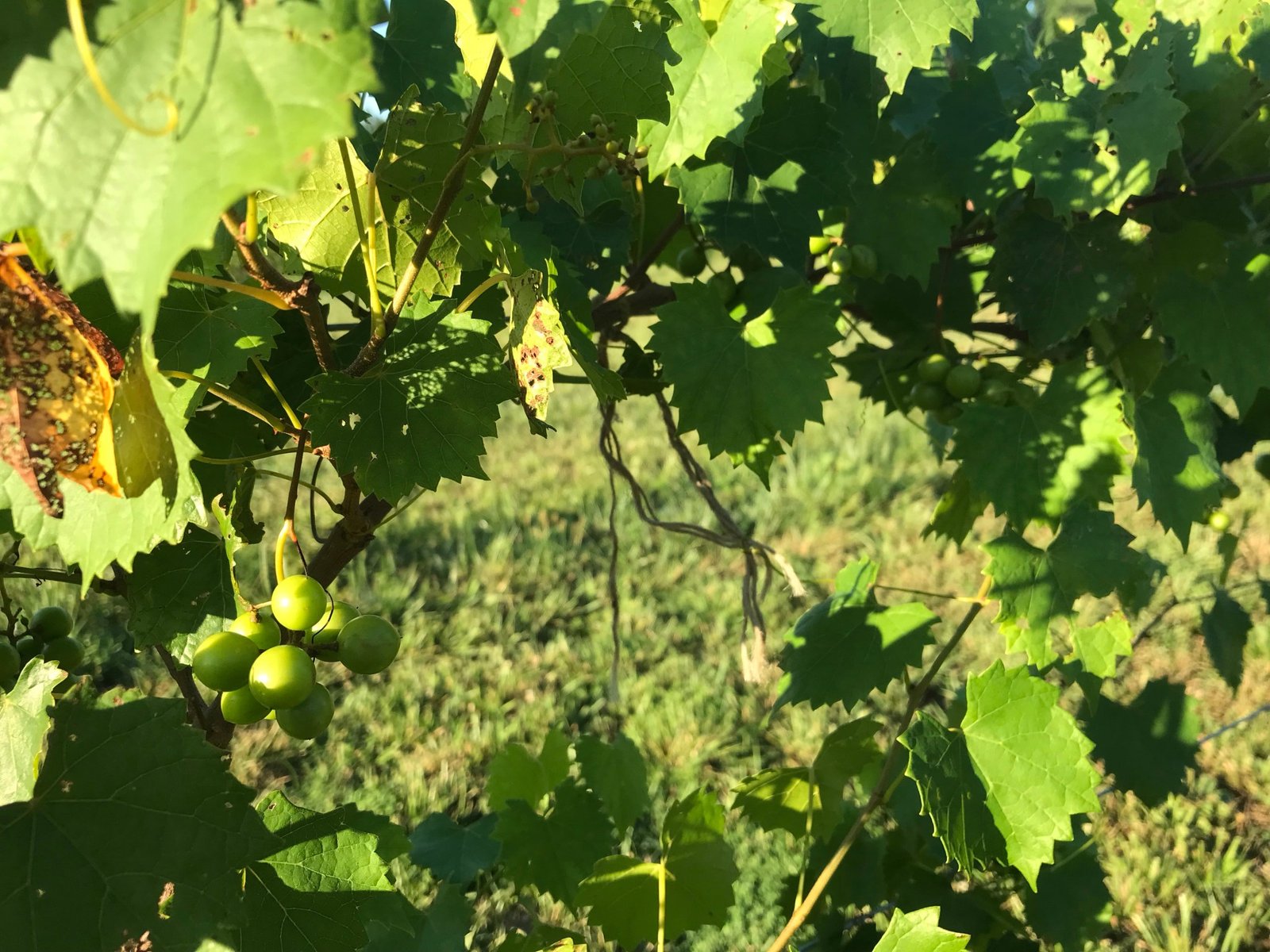
    Muscadine Grapes July 14, 2022.

    Last years landscaping scars have healed and the yard has never looked so green. This month marks the 1 year anniversary for the grape arbor. Two of the three vines have survived and the first muscadine bunches are swelling in the summer heat.

    For the first year, our pecan trees grew up. Planted in 2017 they have seemed to sit and wait, silently stretching roots into the hard red clay. At long last they have begun to reach up, from not quite 5 feet to 8 feet tall this year.

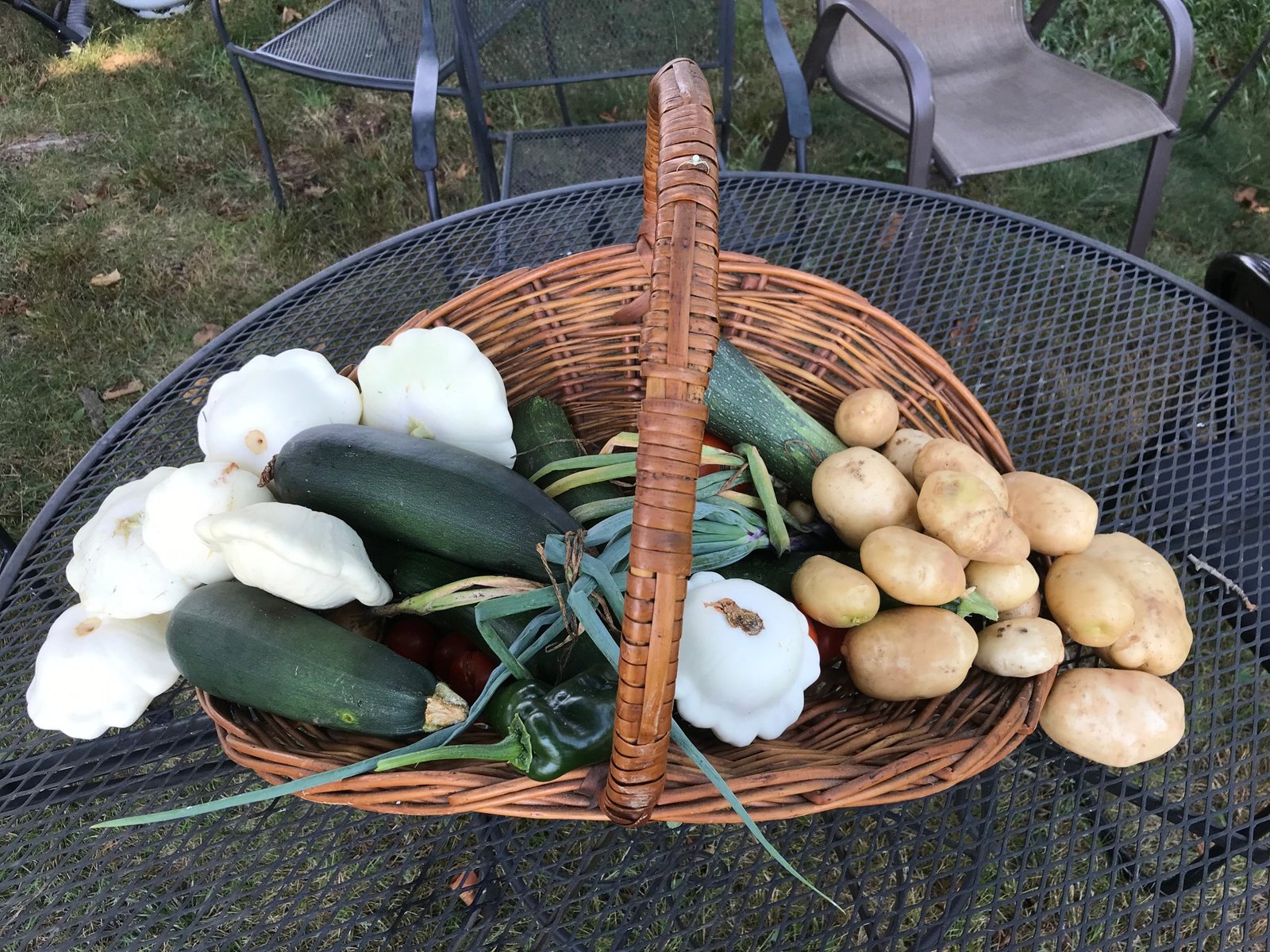
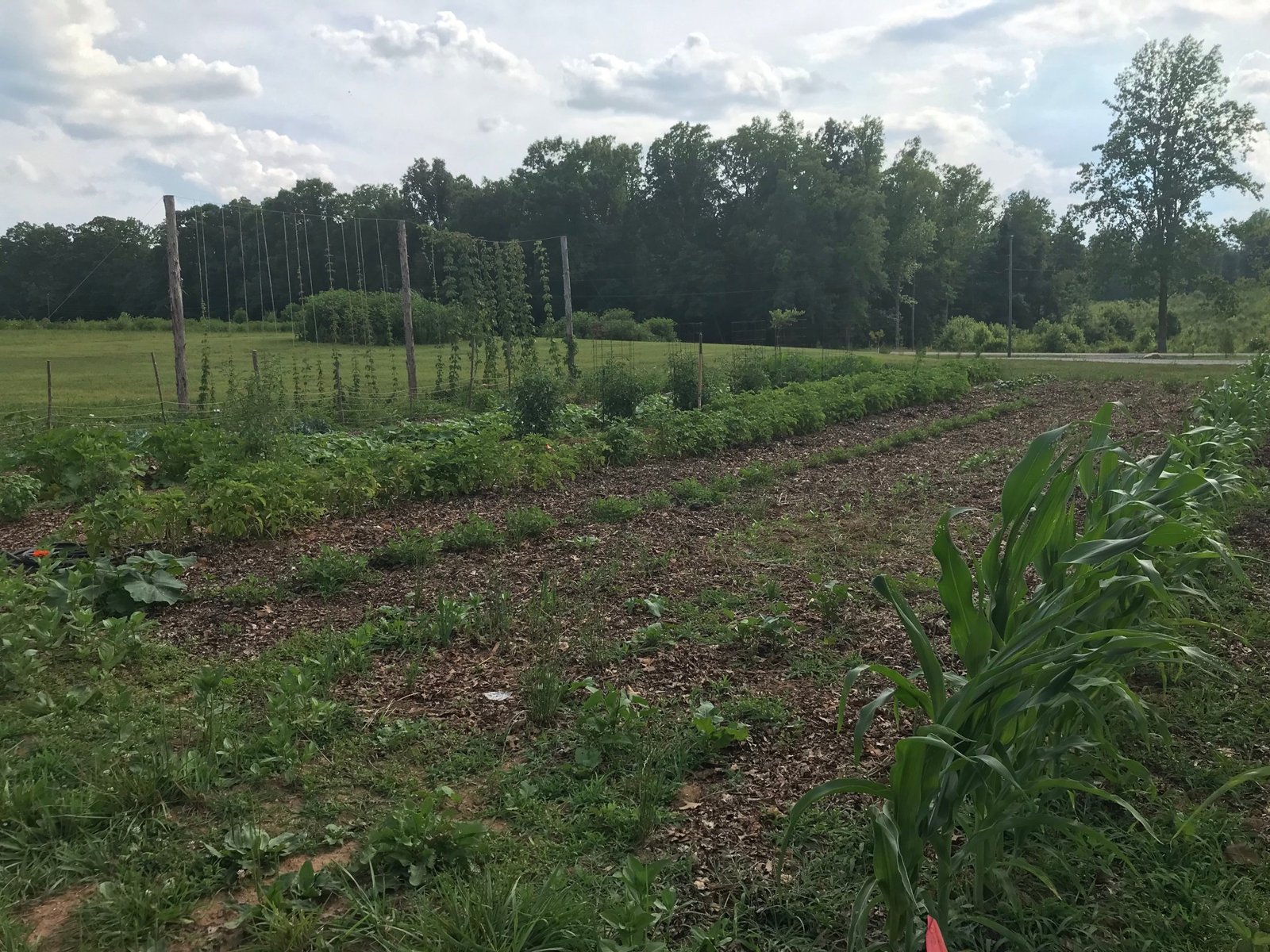
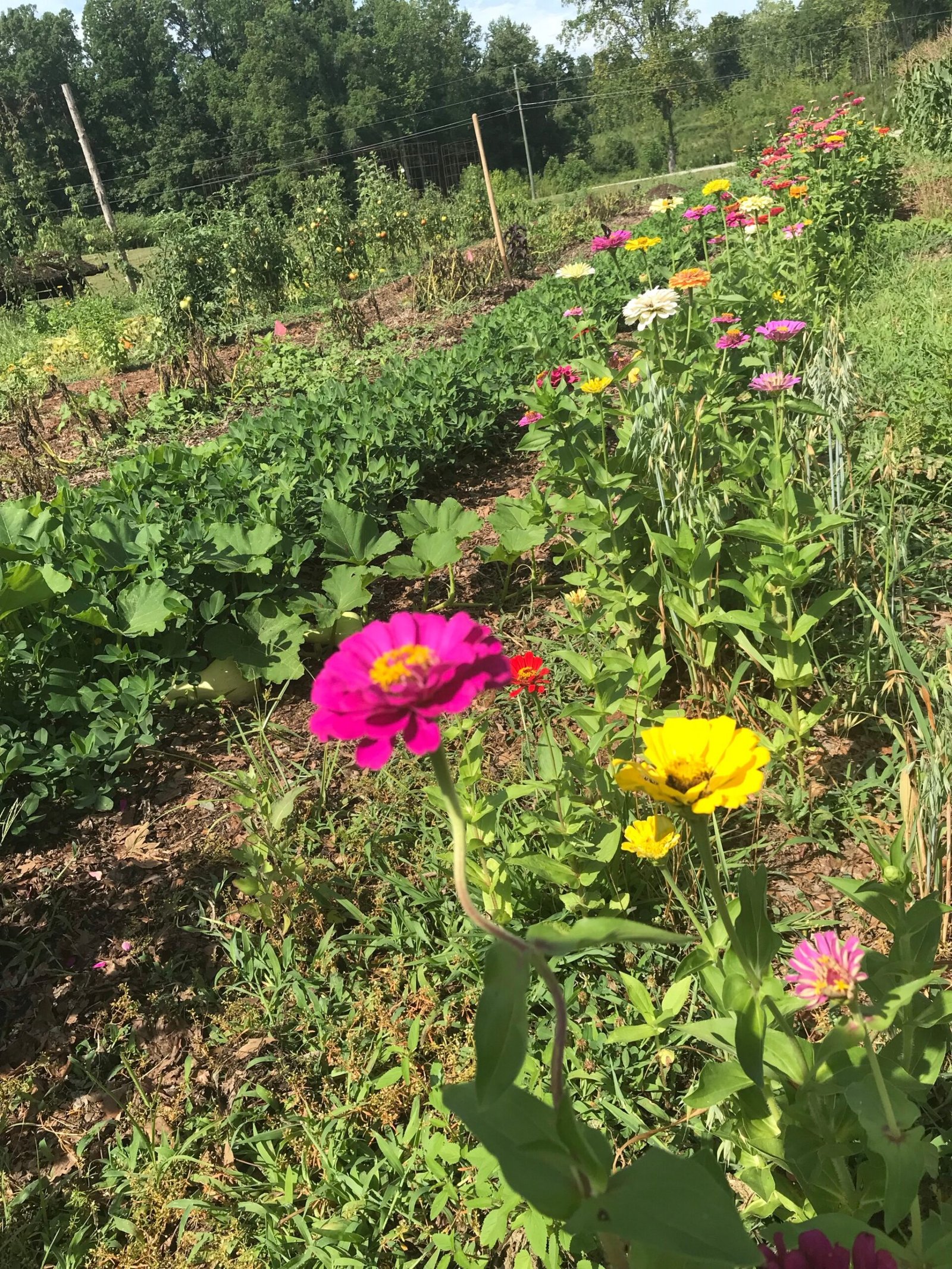
    The garden has yielded buckets of cymling squash and red ripe tomatoes. The potatoes, planted in early April during the Grout’s Easter visit, have yielded 2 1/2 bushels of delicious new potatoes (Kennebec and red)! Other crops include cucumbers (a very short season due to the heat), corn, bell peppers, a small harvest of beets and some onions. We have peanuts going well and on the 31st put in a row of fall beets, collards, and carrots.

    2022 makes the first year we’ve produced our own compost. Brooder house droppings and straw bedding, vegetables from last fall’s pumpkin carving competition, stall cleanings from work at the Wigwam, and the hen house droppings have composted to create so much richness. To top it off, our neighbors provided a wagon load of compost from their sweet potato plantings. Nutrients and deep plowing has improved the soil and drainage.

    We rehomed our golden comets and leghorn chickens on July 17. Our laying flock is now reduced to 5 comprised of 3 six-month old silver laced wyandottes (hatched this Spring at Glendale) and two 18-month old hens (“Spazz” and “Goldie”). We are inundated with young pullets, cockerels, and grow-outs. A year into chickens and we have 99 chickens, 6 turkey, and three ducklings. The egg count is 2,700. At some point, we’ll open a small farm stall or egg swap but for now we are sharing with friends and neighbors.

    Update: The last week of August found a pair of rats (!) terrorizing the chickens; each morning I dread finding which of the young grow outs has had its head ripped off and its organs devoured. As of July 31st, we’re still working to find a solution- baiting traps with tasty treats, hardening the pen, and setting up game cameras. This month we lost three (now four- five, six!). It been our worst month for losses to date – with three little chicks also failing to thrive in a hatchery box at the beginning of the month. It is not unexpected with the heat but it is something we will overcome and learn from.

    In other big news, Brendan celebrated one year with the Division of Historical Resources (DHR) as State Underwater Archaeologist. Hurrah!

  • January 2022

    January 2022

    There’s a silence so loud that it’s deafening, And the sun seems unusually bright. The world’s awakening to a bitter cold morn and a crystalline blanket of white

    Patricia A. Fleming Our Exquisite Snowman

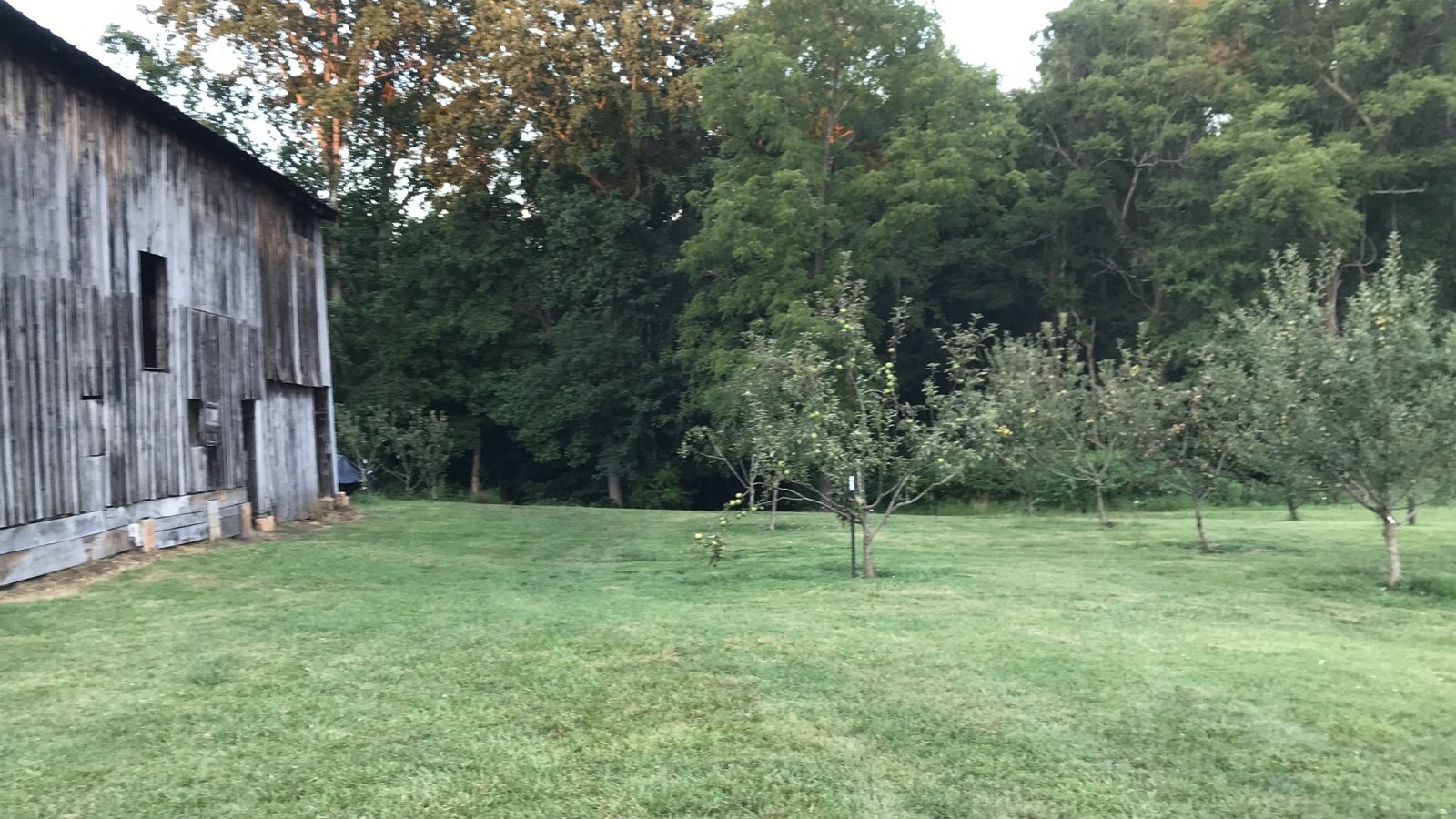
    Apple trees – in need of pruning.

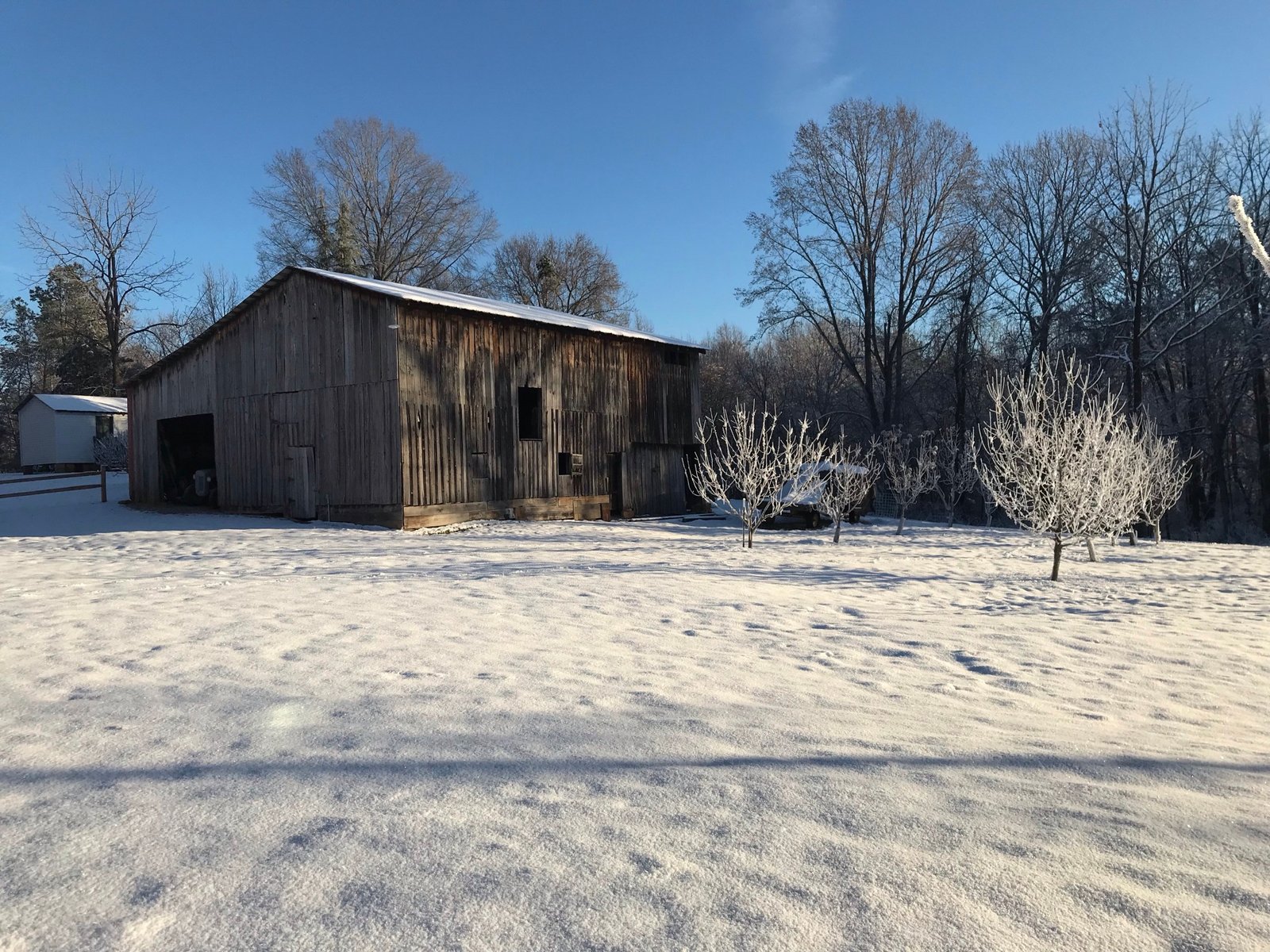
    The new year did not dawn with snow, but with an ode to summer and a high of 75 degrees. It’s a frustration to be in central Virginia. So close to winter and yet sometimes to feel so far away. The following day, as if in apology, the temperature plummeted. Snow and ice came down, coating the farm in four inches of white. The temperature barely rose and for the rest of the month we found ourselves thoroughly in winter. So that, by the end of the month, we’re thinking of Spring, green grass, and longer, mild days.

    Beekeeping in January

    The bees are huddled and bundled together. We daren’t open the boxes although our curiosity is piqued. Are they alive and well? Abandoned? Not knowing we wait. Patiently.

    New Chicks

    Set 01 of Glendale’s motley Wyandottes are teenagers now. At the end of the month they’re 6 1/2 weeks old and quickly outgrowing their digs in a pumpkin tote. All fluff and feather and puff and peck, they’re moving out as soon as we can finish their run. The current plan is to recycle some cedar poles and enclose an area with hardware mesh. At just under a pound a piece they’re ravenous, wasteful little beasties!

    Meanwhile, we’re reminded how cute they once were. Set 02, comprised of nine Wyandottes hatched on the 20th of January, and are just cheeps. That’s all the chicken math we can manage this winter. We’ll tally the birds and make some choices in March. For now, we’re using a Jiffy tag and marking them as they grow- to keep a tally of who beget whom.

    D6C

    Buttercup made it home with only a single flat tire. The lovely rusty lady enjoyed a spa treatment and a shopping spree with Brendan, who treated her to new fluids and a pressure bath. The chilly weather couldn’t dampen his enthusiasm and next month he and Barry have plans to tighten her sprocket and make her ‘ship shape’ for the farm.

  • December 2021

    December 2021

    How did it get so late so soon? It’s night before it’s afternoon. December is here before it’s June. My goodness how the time has flown. How did it get so late so soon?

    Dr. Seuss

    Apple trees sleep through the short nights.

    The closing days of 2021 remind us of the opening days a year passed. New cases of Covid disrupt the family’s plans to join us for Christmas and take our dear friend, Paul Jones. Having inherited the eight bee hives that have been on the farm since summer, we worked to educate ourselves the basics of beekeeping. From the eggs in the incubator from last month, we hatched 16 baby chicks. Lillian tackled an old quilting project and Brendan shopped for a new antique bulldozer, and named her Buttercup.

    Beekeeping in December

    The eight beehives stood alone and solitary on their cinderblock mounts by the old, stone chimney. Paul had told Brendan that the bees were staying and now we found ourselves neophyte beekeepers, nearly ignorant and in the middle of winter. Taking up the mantle of responsibility, Brendan reached out to other local beekeepers. He renewed our friendship with Bobby Arrington, one of Helen’s classmates now in his late eighties, and a long-time beekeeper. He came over with advice, supplies, honey, and homemade wine.

    In less than a week, the feed room was filled with a new inventory: 125 lbs of sugar, a stack of supers and queen excluders, frames (some with made out combs and others without), precut pine and cedar for boxes, and two sets of protective equipment, all bequeathed with warm wishes for success. The community of beekeepers really is a hive of like-minded folks and we’re encouraged, if a little daunted, to be part of it.

    New Chicks

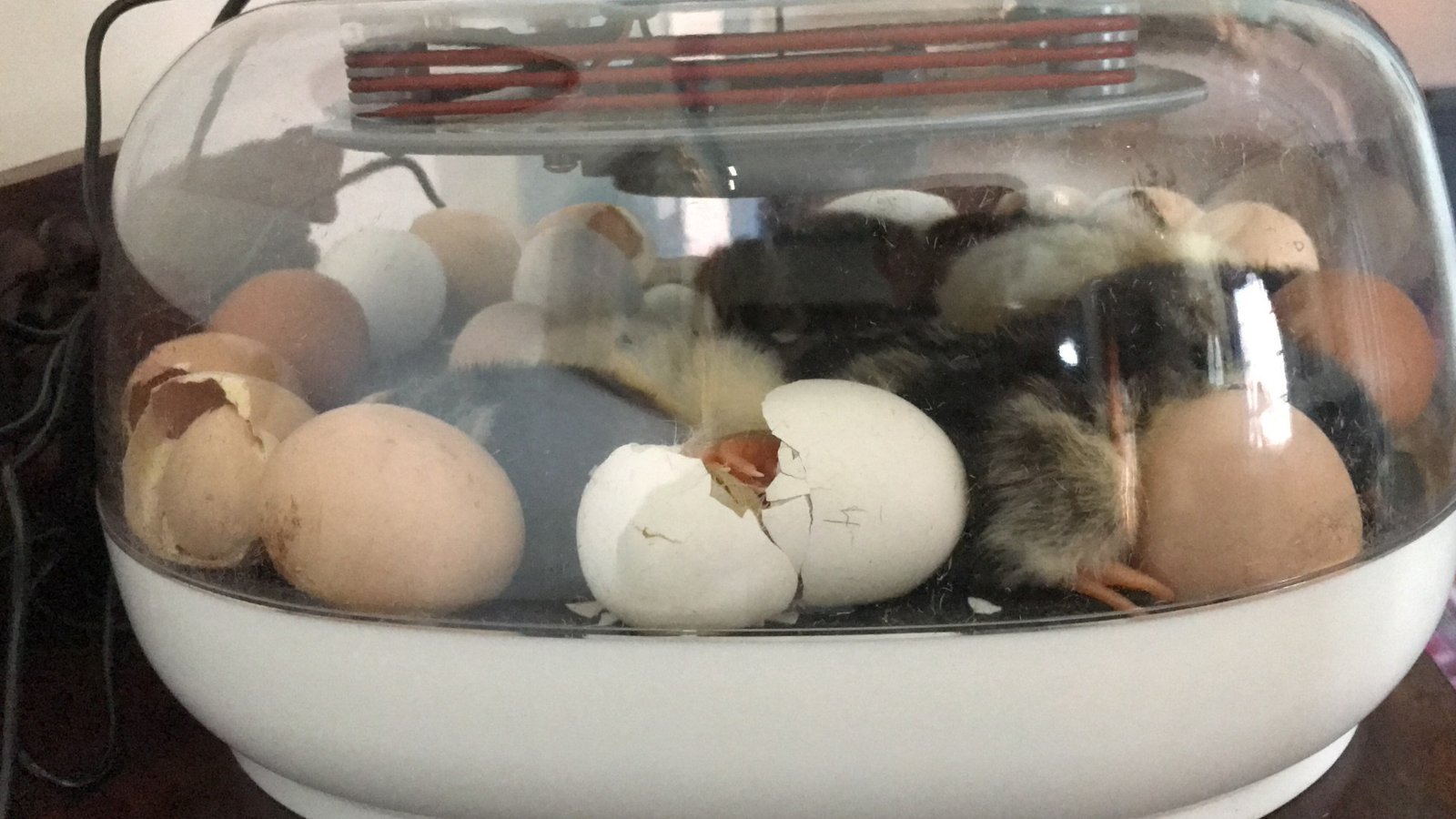
    After 21 days in the incubator, our first chick, a silver-laced Wyandotte with a single comb (not breed standard but still cute), pipped. 36 hours later, we removed 16 cheeping babies from the incubator and settled them into a brooder: 10 Silver Laced Wyandottes (SLW), 4 SWL X White Leghorn, and 2 SWL X Golden Comet. 100% success! A recycled stock tank used for archaeology lessons provided the perfect home. Our good neighbor, Bruce Flippen, brought over several bags of pine shavings from a local mill and we lined with bottom with pine pellets and about 2 inches of shavings. Happily cheeping, the little guys and ladies took up temporary residence in my office. A small heated brooder and a 250-watt heat lamp provided heat and will give them the perfect base to grow and feather out. In the Spring, we will move them into the yard (the chicken chalet will need an expansion) and select the nicest birds to grow our flock. The others will find new homes with friends (or in the freezer).

    Quilting

    For Christmas, Lilli received an Arrow sewing cabinet and spent the next day with Brendan assembling the pieces. Pulling out an old pattern for a project two years in the making, she continued to piece 1860s era quilt blocks, 28 of 56 done!

    D6C

    The latest edition to the farm is in the western part of the state near Roanoke but will be coming home in January. Brendan’s hunt for a vintage tractor ended on steroids as he found a 1969 Caterpillar D6C tractor. On the drive back to Glendale, he named the 17-ton beastie, Buttercup. There’s more adventures to come, I’m sure!

    The end of the month ended unseasonably warm with highs in the 70s and the bees scrounging for pollen from henbit/lamium.

    Camellia in bloom in December.
  • New Home for the Cheeps!

    New Home for the Cheeps!

    Cheep… Cheep

    Six leghorn chicks from Tractor Supply arrived on March 2, 2021. They’re now five weeks old and have transformed from yellow balls of fluff to miniature chickens. As a newbie chicken mom, I was excited to introduce the little ladies to their new digs in the chicken sled. There’s plenty of fresh grass and bugs to find and a nice heat lamp to keep them warm as the nights are cool and they’re still growing out their secondary feathers. Time flies when you’re young!

    The chicken sled is a portable chicken house constructed from reclaimed parts of old farmyard and a few strategic timbers from Lowes. The new materials cost around $300 thanks to the increased lumber cost ($8 for a 2 x 4!)

    We borrowed the design from our good neighbors, the Flippens, who excel in everything home grown and delicious. Brendan morticed the frames into two 6 x 6 runners (sleds), used scrap lumber for the frames, and some leftover faux slate ties for the roof. The wire came from our local Poultry Services (welded hardwire with 1/2 x 1 inch holes) and the siding from some trees cut on the farm back in the 1930s (give or take a decade). We found pieces of an old house door in the loft which Brendan repurposed with an extra knob and lock.

    In total, the sled is just over 12 feet, with nesting boxes taking up 5 feet and the roost 7 feet. The entire bottom is open to the ground for happy scratching. When the scratching gets down to bare earth, we’ll attach the cart with a rope to the two tow points and pull them to greener pasture. The ladies moved in April 3rd!

    5 week-old miniature dinosaurs!