Category: Beekeeping

  • March and April (Spring) 2022

    March and April (Spring) 2022

    “It is (still) wonderful how much may be done if we are always doing.”

    Thomas Jefferson

    March marked the one year anniversary of these monthly blogs. I thought it would be nice to do a little progress check and see how far we’ve come in a year including land-clearing (establishing pasture), chickens (and chicken math), bees, apple trees, and the garden – among other things.

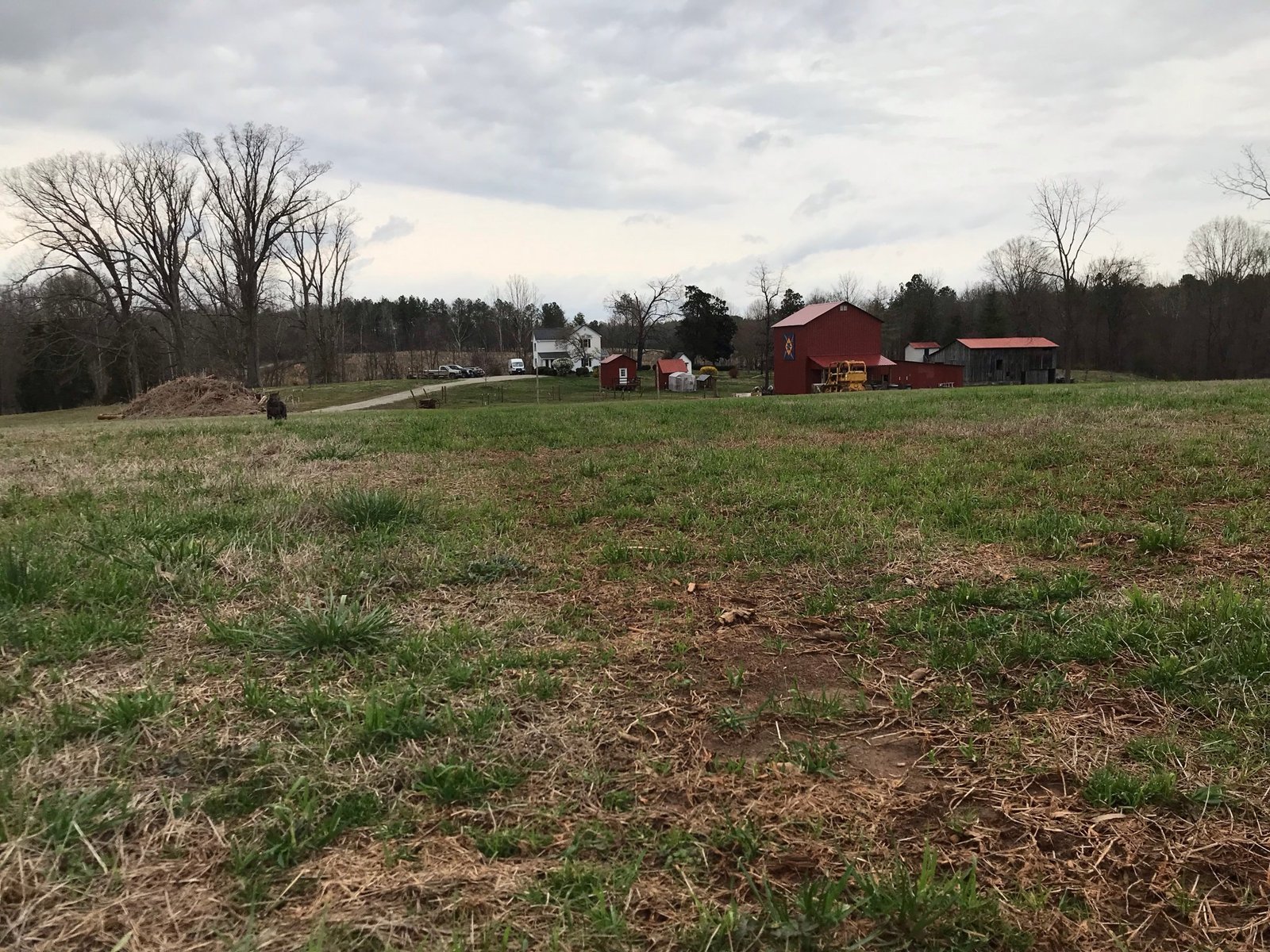
    Land-clearing continues with the excavator and Buttercup, our D-6. At last count we had stumped about nine acres. Three have been drilled with a pasture mix (20 lbs/acre), limed (6 tons per acre applied over two years), tested, and fertilized (a mix of 40-130-40). It’s been a process but we have goals to build a shelter and fences this fall and bring Gus home sometime next Spring (maybe for our mutual birthday, lol).

    After two years of trying, we had our first show of tulips. They benefited from about 100 lbs of horse manure applied last fall and some gypsum to amend the soil. Progress!

    Drilled lines of new pasture!

    In the garden we learned from last year that planting potatoes can wait until the ground warm up and sure enough, we had success!

    This year brewing has taken a back seat to the birds and the bees. One year in, we have 84 chickens and 4 broad breasted bronze turkey poults. The chicken infrastructure includes an ad-hoc brooder house with pumpkin boxes and chicken wire (formerly the grannery), the hen house constructed last year for our laying ladies (currently there are 8), and a 200 square foot grow-out pen attached to the back of the machinery barn.
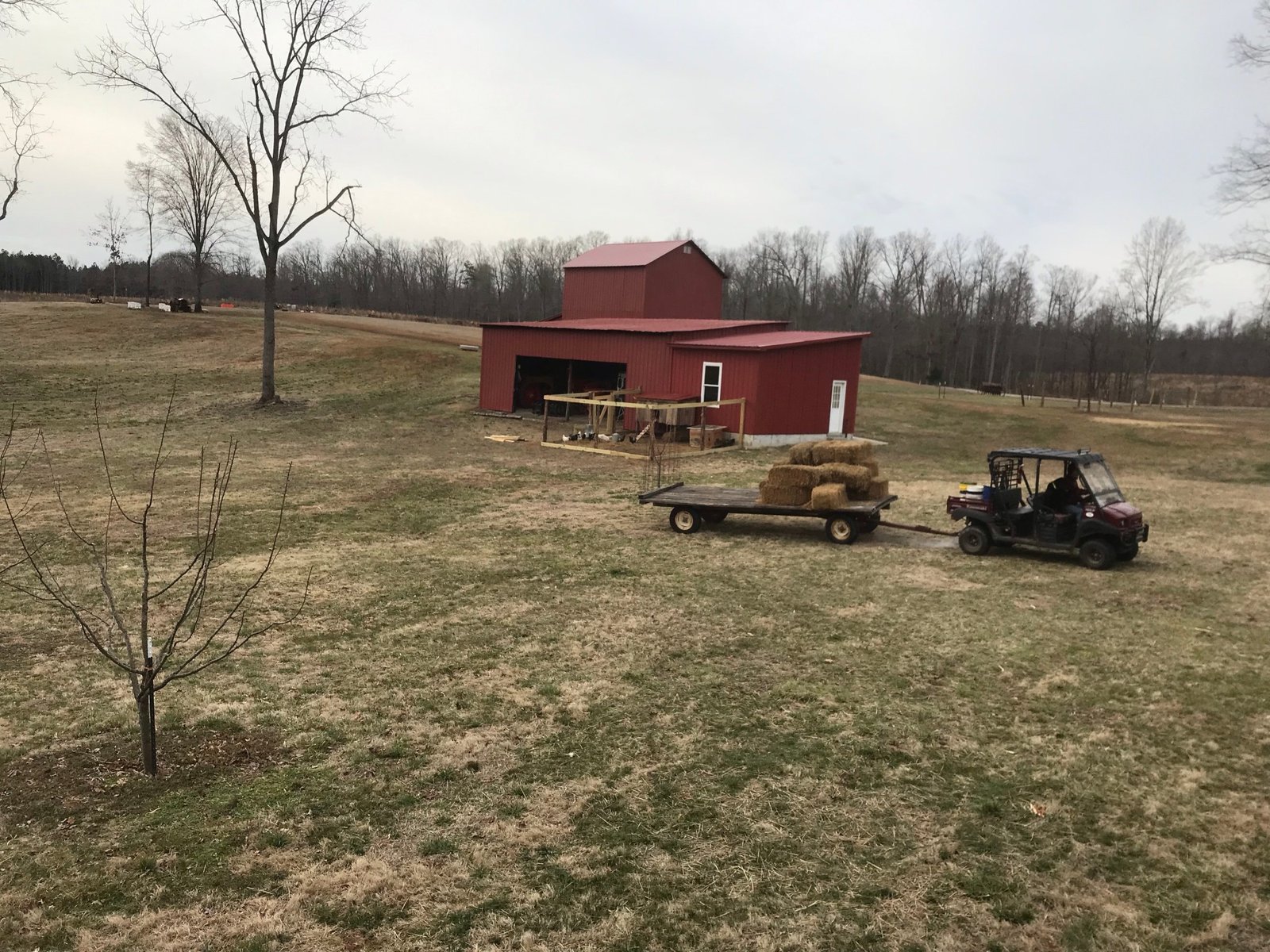
    March 2022, view from the apple orchard towards the new grow-out pen.

    Out of the eight hives we inherited last fall, two overwintered and both swarmed in early April. Thanks to good advice, we managed to catch the first swarm on the chimney ruins and set up a cedar tree as bait. From April 4 through the 20th, we caught another four hives. We have A LOT to learn about bees!

    Early Spring and one of the overwintered hives.

    The current state (at the beginning of May 2022) is seven hives, many of which are in need of repair or replacement. Five are small or weak and we’re working to keep them growing and healthy. Brendan ordered mite treatment and in April we took a trip to Scottsville Supply to buy new boxes (12).

    In the garden, the permaculture area is now a year old. We have erected high tensile trellises for blackberries and grapes and last year’s grapes are beginning to grow. The centennial hops are growing vigorously and the Goldings are well, if a little behind.

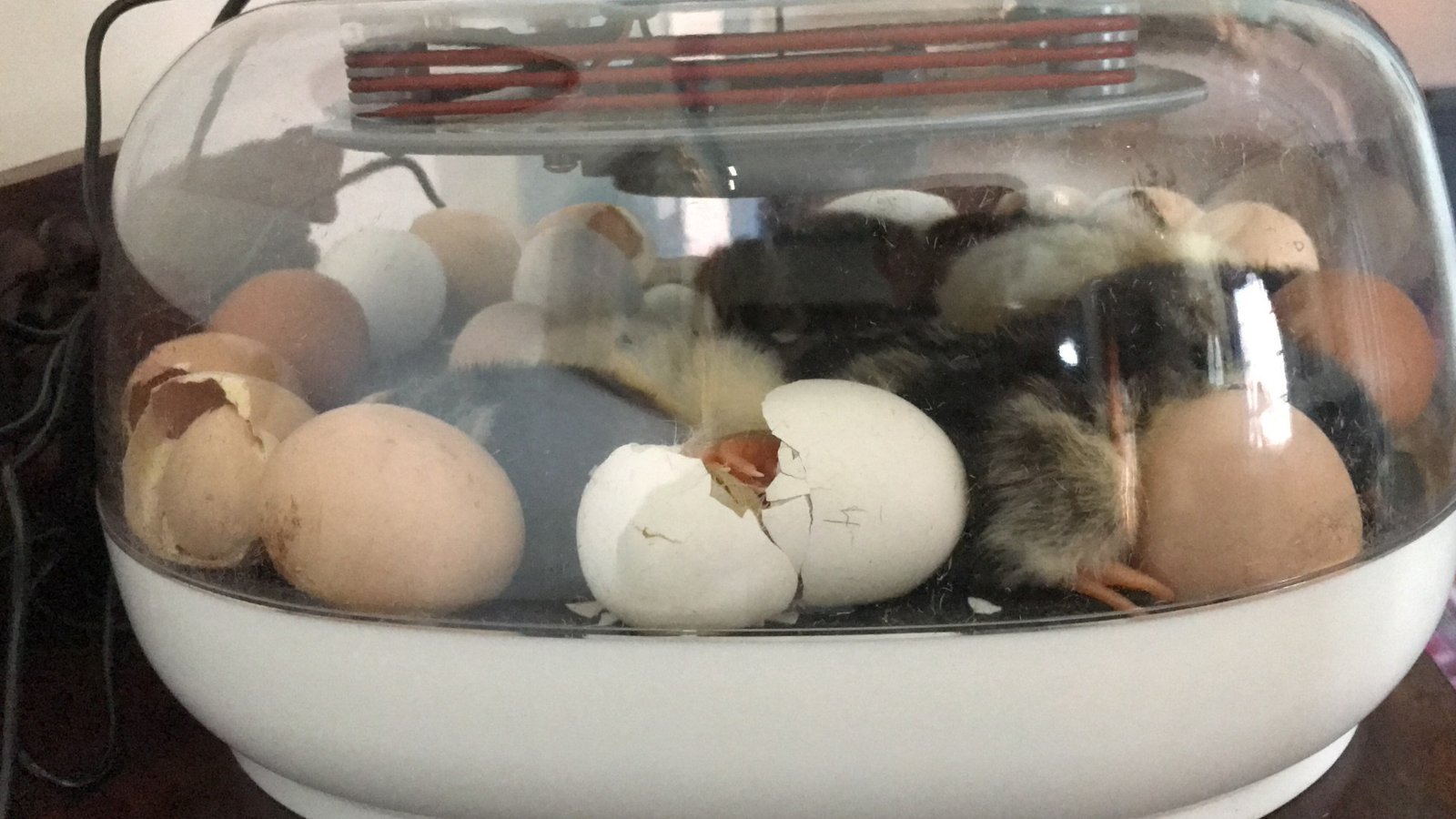
    For Easter, Coral and the Grouts came to visit. We planted potatoes and hatched a new set of 16 baby chicks.
  • January 2022

    January 2022

    There’s a silence so loud that it’s deafening, And the sun seems unusually bright. The world’s awakening to a bitter cold morn and a crystalline blanket of white

    Patricia A. Fleming Our Exquisite Snowman

    Apple trees – in need of pruning.

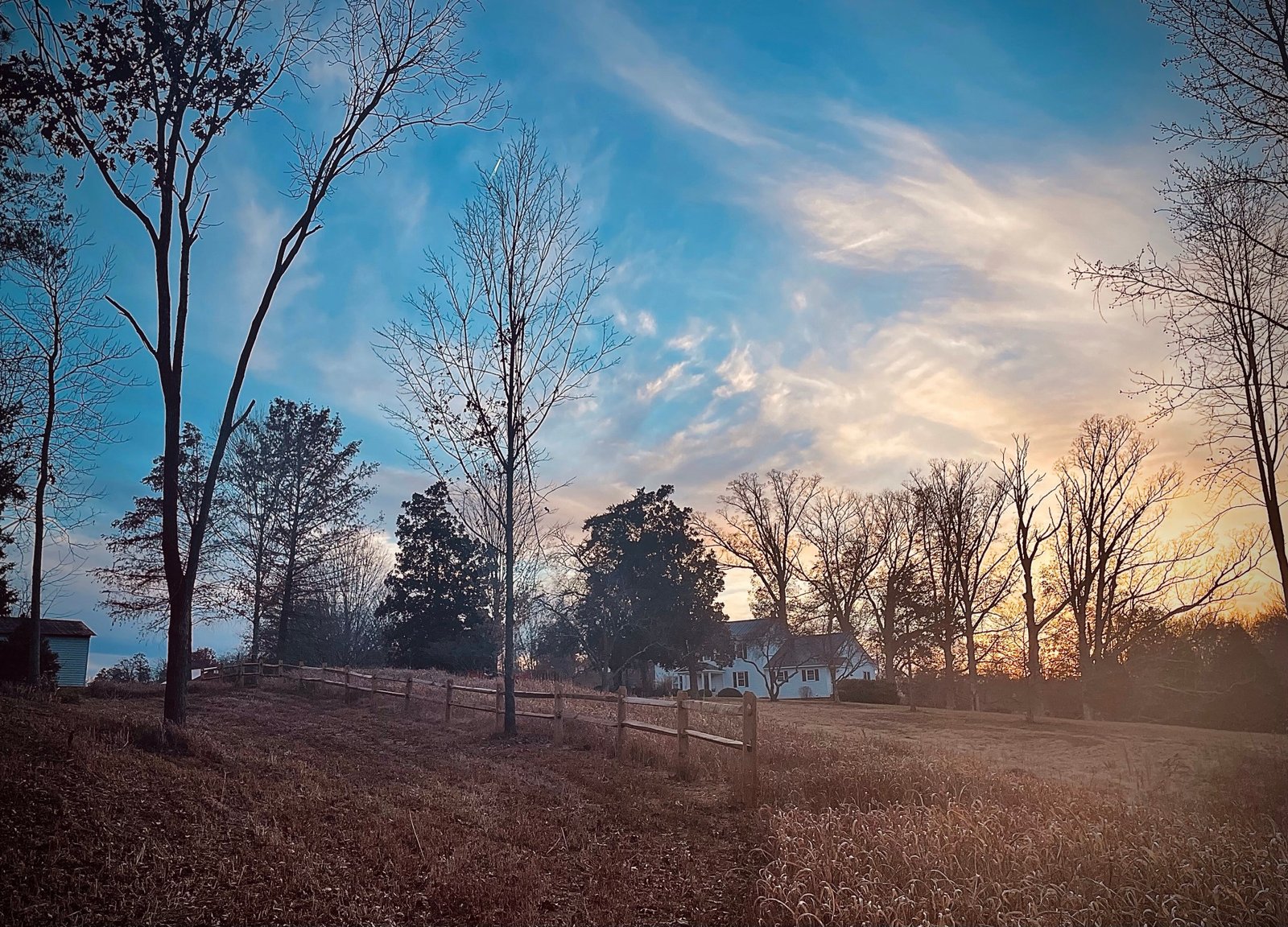
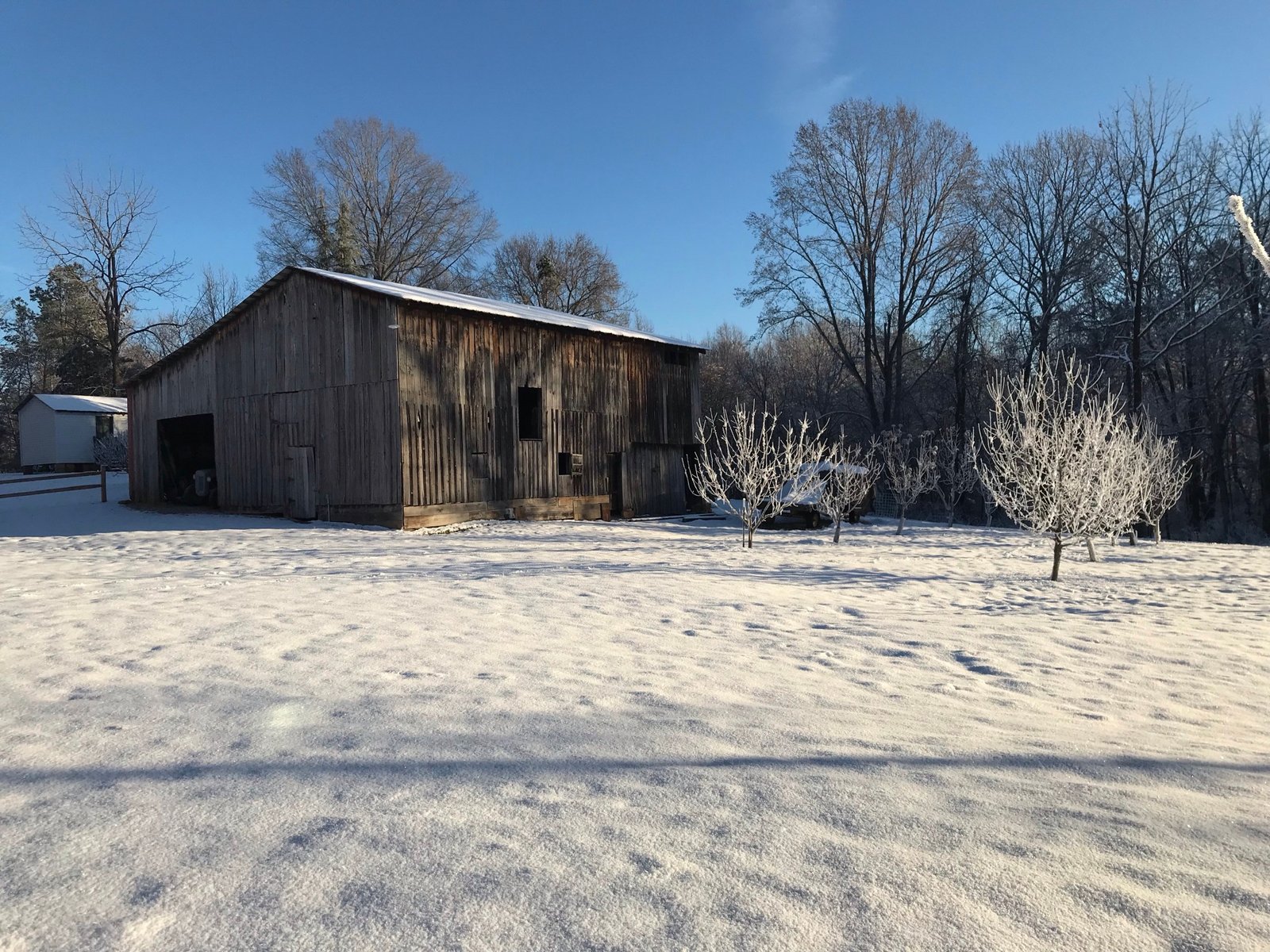
    The new year did not dawn with snow, but with an ode to summer and a high of 75 degrees. It’s a frustration to be in central Virginia. So close to winter and yet sometimes to feel so far away. The following day, as if in apology, the temperature plummeted. Snow and ice came down, coating the farm in four inches of white. The temperature barely rose and for the rest of the month we found ourselves thoroughly in winter. So that, by the end of the month, we’re thinking of Spring, green grass, and longer, mild days.

    Beekeeping in January

    The bees are huddled and bundled together. We daren’t open the boxes although our curiosity is piqued. Are they alive and well? Abandoned? Not knowing we wait. Patiently.

    New Chicks

    Set 01 of Glendale’s motley Wyandottes are teenagers now. At the end of the month they’re 6 1/2 weeks old and quickly outgrowing their digs in a pumpkin tote. All fluff and feather and puff and peck, they’re moving out as soon as we can finish their run. The current plan is to recycle some cedar poles and enclose an area with hardware mesh. At just under a pound a piece they’re ravenous, wasteful little beasties!

    Meanwhile, we’re reminded how cute they once were. Set 02, comprised of nine Wyandottes hatched on the 20th of January, and are just cheeps. That’s all the chicken math we can manage this winter. We’ll tally the birds and make some choices in March. For now, we’re using a Jiffy tag and marking them as they grow- to keep a tally of who beget whom.

    D6C

    Buttercup made it home with only a single flat tire. The lovely rusty lady enjoyed a spa treatment and a shopping spree with Brendan, who treated her to new fluids and a pressure bath. The chilly weather couldn’t dampen his enthusiasm and next month he and Barry have plans to tighten her sprocket and make her ‘ship shape’ for the farm.

  • December 2021

    December 2021

    How did it get so late so soon? It’s night before it’s afternoon. December is here before it’s June. My goodness how the time has flown. How did it get so late so soon?

    Dr. Seuss

    Apple trees sleep through the short nights.

    The closing days of 2021 remind us of the opening days a year passed. New cases of Covid disrupt the family’s plans to join us for Christmas and take our dear friend, Paul Jones. Having inherited the eight bee hives that have been on the farm since summer, we worked to educate ourselves the basics of beekeeping. From the eggs in the incubator from last month, we hatched 16 baby chicks. Lillian tackled an old quilting project and Brendan shopped for a new antique bulldozer, and named her Buttercup.

    Beekeeping in December

    The eight beehives stood alone and solitary on their cinderblock mounts by the old, stone chimney. Paul had told Brendan that the bees were staying and now we found ourselves neophyte beekeepers, nearly ignorant and in the middle of winter. Taking up the mantle of responsibility, Brendan reached out to other local beekeepers. He renewed our friendship with Bobby Arrington, one of Helen’s classmates now in his late eighties, and a long-time beekeeper. He came over with advice, supplies, honey, and homemade wine.

    In less than a week, the feed room was filled with a new inventory: 125 lbs of sugar, a stack of supers and queen excluders, frames (some with made out combs and others without), precut pine and cedar for boxes, and two sets of protective equipment, all bequeathed with warm wishes for success. The community of beekeepers really is a hive of like-minded folks and we’re encouraged, if a little daunted, to be part of it.

    New Chicks

    After 21 days in the incubator, our first chick, a silver-laced Wyandotte with a single comb (not breed standard but still cute), pipped. 36 hours later, we removed 16 cheeping babies from the incubator and settled them into a brooder: 10 Silver Laced Wyandottes (SLW), 4 SWL X White Leghorn, and 2 SWL X Golden Comet. 100% success! A recycled stock tank used for archaeology lessons provided the perfect home. Our good neighbor, Bruce Flippen, brought over several bags of pine shavings from a local mill and we lined with bottom with pine pellets and about 2 inches of shavings. Happily cheeping, the little guys and ladies took up temporary residence in my office. A small heated brooder and a 250-watt heat lamp provided heat and will give them the perfect base to grow and feather out. In the Spring, we will move them into the yard (the chicken chalet will need an expansion) and select the nicest birds to grow our flock. The others will find new homes with friends (or in the freezer).

    Quilting

    For Christmas, Lilli received an Arrow sewing cabinet and spent the next day with Brendan assembling the pieces. Pulling out an old pattern for a project two years in the making, she continued to piece 1860s era quilt blocks, 28 of 56 done!

    D6C

    The latest edition to the farm is in the western part of the state near Roanoke but will be coming home in January. Brendan’s hunt for a vintage tractor ended on steroids as he found a 1969 Caterpillar D6C tractor. On the drive back to Glendale, he named the 17-ton beastie, Buttercup. There’s more adventures to come, I’m sure!

    The end of the month ended unseasonably warm with highs in the 70s and the bees scrounging for pollen from henbit/lamium.

    Camellia in bloom in December.